


Low Testosterone (Low T) in women is a hormonal condition that can affect energy levels, mood, sexual health, muscle strength, and overall quality of life. Although testosterone is commonly known as a male hormone, women also produce it in smaller amounts.
This hormone plays an important role in maintaining libido, bone density, muscle mass, cognitive function, and overall well-being. When testosterone levels drop below normal, women could experience symptoms such as fatigue, low sex drive, mood changes, and reduced physical performance.
Understanding the causes, symptoms, and treatment options for low testosterone in women is key to restoring hormonal balance and improving overall well-being. Early diagnosis and proper treatment can help enhance energy, confidence, and quality of life.
This article will cover every aspect of low testosterone levels in women, ranging from symptoms to treatment options.
What is Low Testosterone in women and its symptoms?
Low testosterone in women occurs when the body produces lower-than-normal levels of testosterone. In women, testosterone is produced by the ovaries, adrenal glands, and peripheral tissues, including fat, skin, and muscle, which convert precursor hormones, such as Dehydroepiandrosterone (DHEA), into testosterone. Any disturbance in this process can lower levels. This condition is commonly referred to as Low Testosterone or Low T.
Women’s testosterone levels are normally 10-15 times lower than men’s, yet the hormone is proportionately equally significant. Hence, even a slight drop can trigger a series of symptoms that vary from mild to severe and could develop gradually.
Some signs of Low Testosterone in women include:
- Low Libido
- Vaginal dryness
- Difficulty becoming aroused
- Persistent fatigue
- Low energy levels
- Reduced muscle mass
- Increased body fat
- Decreased bone density
- Hair thinning
- Mood swings
- Depression
- Anxiety
- Irritability
- Difficulty concentrating
Save up to 90% on your medicine bills

Lovegra Oral Jelly Rx 100 Mg

Lovegra 100 mg
Starting at just $2.19 per tabletBuy Now
Oestrogel Gel 80 gm
Starting at just $38.02 per tubeBuy Now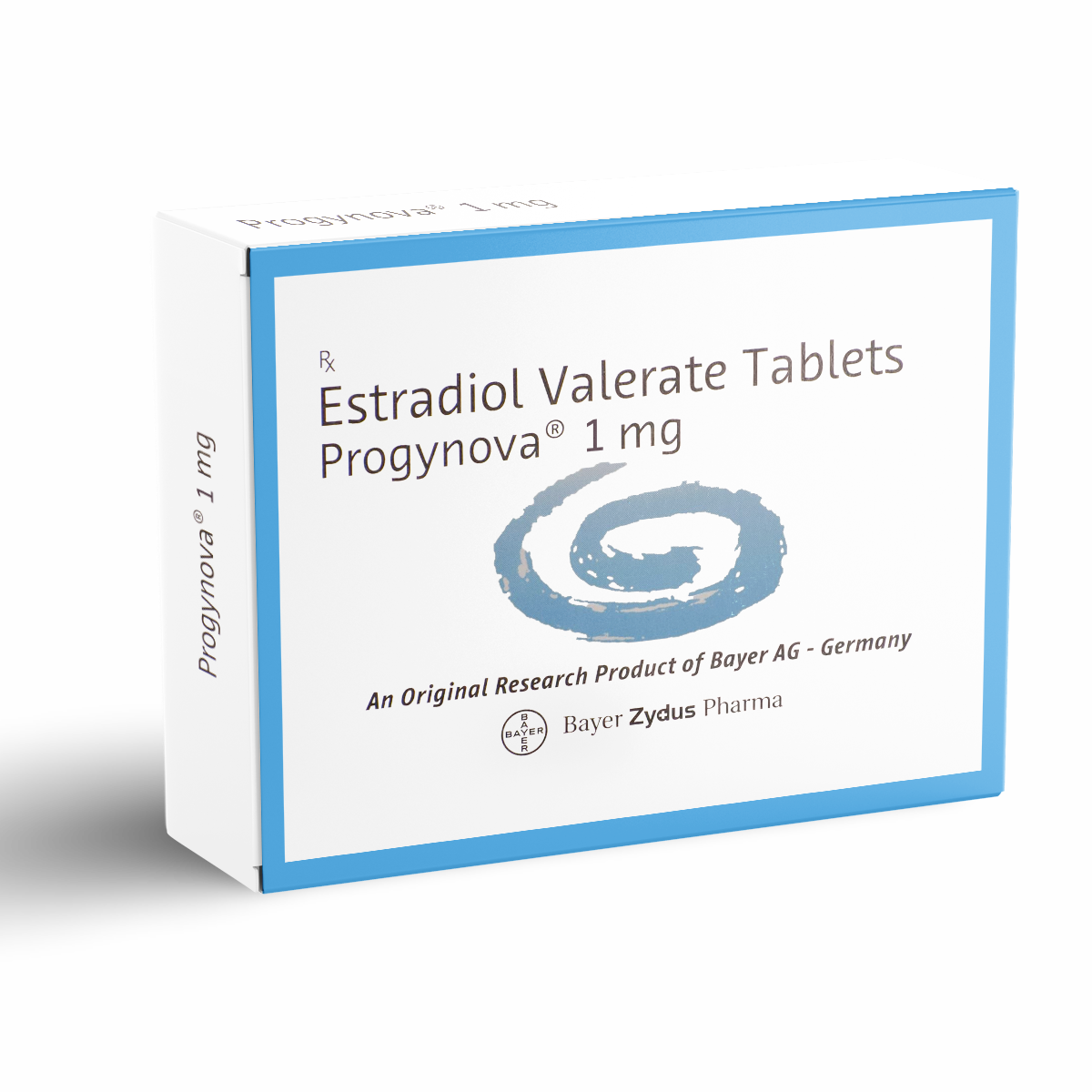
Progynova 1 mg
Starting at just $0.20 per tabletBuy NowWhat causes Low Testosterone in women?
The potential causes of Low T levels in women are as follows:
- Age: Increased age is one of the most common reasons for Low T. Testosterone reaches its peak in the mid-20s and then gradually declines at a rate of 1-2% per year. By the time of natural menopause, levels could be half of their peak, a slow decline that typically goes unrecognized until symptoms appear.
- Menopause and perimenopause: During perimenopause and menopause, the ovaries gradually produce lower amounts of estrogen and testosterone, leading to hormonal imbalances. Fluctuating and declining testosterone levels can contribute to symptoms such as reduced libido, fatigue, mood changes, low energy, and decreased muscle strength. These symptoms often begin during perimenopause due to hormonal fluctuations and may become more noticeable and persistent as menopause progresses.
- Surgical menopause (Oophorectomy): The removal of both ovaries results in an immediate 50-70% reduction in testosterone overnight, which is far more abrupt than natural menopause. Women who undergo bilateral Oophorectomy are at the greatest risk of severe insufficiency and often go unrecognized because treatment strategies primarily focus on correcting estrogen deficiency.
- Medications: Certain medications can disrupt hormone production and lower testosterone levels in women. Corticosteroids (medications that mimic the stress hormone cortisol), oral estrogen treatment, antidepressants, hormonal contraceptives, and opioid painkillers all have the potential to disrupt ovarian or adrenal gland function, resulting in hormonal imbalance over time.
- Adrenal gland disorders: Conditions affecting the adrenal and pituitary glands can limit testosterone production in women. Adrenal insufficiency, pituitary gland dysfunction, and long-term stress can all affect hormone balance, resulting in Low Testosterone symptoms.
- Chronic illnesses: Chronic medical diseases such as Diabetes, Obesity, kidney illness, HIV/AIDS, and autoimmune disorders can all impact hormone production and adrenal function. These disorders can cause testosterone levels to drop.
- Poor lifestyle habits: Unhealthy lifestyle behaviors, including poor diet, physical inactivity, chronic stress, insufficient sleep, excessive alcohol intake, and smoking, can all affect hormone production and balance. Over time, these factors can lower testosterone levels in women.
How is Low Testosterone diagnosed in women?
Low testosterone in women is diagnosed through a combination of symptom evaluation, medical examination, and blood tests, which often include the following approaches:
- Doctors frequently inquire about symptoms such as Low Libido, exhaustion, mood swings, decreased physical strength, and irregular menstrual periods.
- Blood tests are used to detect hormonal imbalances or underlying disorders by measuring testosterone levels, as well as other hormones such as estrogen, thyroid hormones, Follicle-stimulating Hormone (FSH), and Luteinizing Hormone (LH).
- Additional testing, such as bone density scans, pituitary imaging, and adrenal gland testing, could be required to assess adrenal or pituitary gland function.
However, diagnosing low testosterone in women can be challenging because its symptoms often overlap with menopause, stress, and Anxiety, and symptom severity does not always correspond to measured testosterone levels.
How is Low T treated in women?
Low T in women is treated based on the underlying cause, symptom severity, age, and overall health. It often includes hormone therapy and treating underlying conditions. However, low testosterone treatments for women are generally not approved by the FDA and are often used off-label under careful medical supervision to reduce the risk of hormonal side effects and complications.
Let’s look at these treatment approaches in more detail.
Testosterone Replacement Therapy
Testosterone Replacement Therapy (TRT) can be used by women experiencing significant symptoms of Low Testosterone, such as reduced libido, exhaustion, and low mood. Treatment options include creams, gels, patches, injections, and long-acting skin pellets. These medications gradually restore hormone levels.
Women who get TRT could experience increased sexual desire, energy, mood, muscle strength, focus, and sexual pleasure. However, benefits often develop gradually over several weeks or months, necessitating regular medical monitoring for safety and efficacy.
Treating underlying conditions
Thyroid disorders, Diabetes, Depression, chronic stress, sleep difficulties, and nutritional deficiencies can all disrupt regular hormone production and general well-being. Managing these conditions with medications, lifestyle changes, stress reduction, enough sleep, and balanced nutrition under a doctor’s supervision could assist in restoring hormonal balance.
In many situations, treating the root cause can improve energy levels, mood, sexual health, and overall quality of life without the need for hormone replacement treatment.
How to naturally balance T level in women?
The following lifestyle modifications can help women promote hormonal balance and support normal testosterone levels naturally:
- Keep a healthy body weight: Excess body fat can enhance androgen (male hormones) production. Even a small weight loss could help balance testosterone levels.
- Follow a balanced diet: Focus on whole grains, fruits, vegetables, lean proteins, and healthy fats while limiting processed foods and added sugars.
- Manage insulin resistance: Stable blood sugar levels can help maintain healthy testosterone levels, particularly in women with Polycystic Ovary Syndrome (PCOS).
- Exercise regularly: Moderate aerobic exercise and strength training can improve insulin sensitivity and support hormonal balance.
- Reduce stress: Chronic stress increases cortisol levels, which could disrupt hormone regulation. Activities such as yoga, meditation, and deep breathing can help.
- Get adequate sleep: Poor sleep can affect hormone production and worsen hormonal imbalances. Having at least 7-8 hours of daily sleep can help manage testosterone levels.
- DHEA supplements: DHEA supplements are occasionally used to help postmenopausal women with Low Testosterone levels by stimulating the body’s natural hormone synthesis. Doses ≥50 mg/day substantially boost levels, which could enhance libido, mood, and bone density. However, medical monitoring is required due to potential risks, including acne and hair growth.
However, always contact a certified healthcare expert before beginning any approach or supplement to guarantee safe and effective treatment.
When to see a doctor?
Low T is a medical condition that needs to be addressed immediately once it starts interfering with your daily life and relationships. Women with Low T levels should reach out to a medical provider if they experience any of the following:
- Persistent Low Libido
- Extreme fatigue
- Sudden mood changes
- Menopause-related sexual problems
- Any other symptoms affecting daily life
A healthcare expert can evaluate hormone levels, identify root causes, and recommend appropriate treatment options for safe and effective symptom management.

Conclusion
Low testosterone in women is a multifactorial hormonal imbalance that can significantly affect physical, emotional, and sexual well-being. Although often overlooked, even mild declines in testosterone, due to aging, menopause, surgical removal of ovaries, chronic illness, medications, or lifestyle factors, can lead to symptoms.
These symptoms include fatigue, Low Libido, mood changes, reduced muscle strength, and cognitive difficulties. Diagnosis requires careful evaluation, as symptoms overlap with those of menopause and other conditions, and blood levels may not always reflect severity.
Management focuses on addressing underlying causes, improving lifestyle habits, and, in selected cases, supervised Testosterone Replacement Therapy. Early recognition, timely testing, and a balanced treatment approach can help restore hormonal harmony and improve overall quality of life.
Frequently Asked Questions
What foods boost testosterone naturally?
Foods that could naturally support healthy testosterone levels include eggs, fatty fish, lean meats, nuts, seeds, leafy greens, avocados, olive oil, and vitamin D-rich foods. Zinc- and magnesium-rich foods can also help maintain hormone balance, energy levels, and overall reproductive health.
Which drinks increase testosterone?
Certain drinks could indirectly support healthy testosterone levels, including pomegranate juice, fortified milk with vitamin D, green tea, ginger tea, and protein-rich smoothies. These beverages could improve antioxidant levels, reduce inflammation, and support hormone balance when combined with a healthy lifestyle and balanced diet.
Does vitamin D affect testosterone?
Yes, vitamin D could influence testosterone production and overall hormone balance in women. Low vitamin D levels are associated with exhaustion, reduced mood, and hormonal imbalance. Maintaining adequate vitamin D levels could support healthy testosterone function, bone health, immunity, and overall well-being.
Can cutting sugar increase testosterone?
Yes, reducing excessive sugar intake can indirectly help maintain healthy testosterone levels by improving insulin sensitivity, reducing inflammation, and supporting weight management. Excess sugar intake can contribute to Obesity and metabolic imbalance, both of which might negatively affect hormone production and overall hormonal health in women.
Is coffee good or bad for testosterone?
Coffee can have mixed effects on testosterone levels. Moderate caffeine intake can temporarily increase alertness, energy, and testosterone production in some individuals, especially during exercise. However, these effects are mild and inconsistent, and excessive coffee consumption can raise cortisol levels, disrupt sleep, and potentially interfere with long-term hormonal balance.
GoodRxMedicine only refers to credible, authoritative sources for our content. If you're curious about how we ensure the integrity of our content, we encourage you to read our Content Information Policy.

Julian Carter is a highly accomplished MBA graduate in Pharmaceutical Management, celebrated for his extensive experience and exceptional skills in the pharmaceutical industry. With a wealth of knowledge and expertise, Julian is a valuable contributor to the field and a trusted voice in pharmaceutical management.
As a contributing writer for Goodrxmedicine.com, Julian is committed to educating and empowering individuals to make informed decisions about their health. His passion for the industry is evident in his work, and his dedication to improving the lives of others through education and empowerment is truly remarkable.
With a reputation for excellence and a track record of success, Julian Carter is a respected and admired figure in pharmaceutical management. His insights and contributions to the field are highly valued, and her expertise has helped shape the direction of the industry for the better.
Through his work as a contributing writer for Goodrxmedicine.com and beyond, Julian continues to make a meaningful impact in the lives of many. His commitment to excellence and dedication to improving the health of individuals and communities around the world make him an inspiration to others in the field.