


Polycystic Ovary Syndrome (PCOS), now renamed as Polyendocrine Metabolic Ovarian Syndrome (PMOS), is one of the most common hormonal disorders affecting women of reproductive age.
While symptoms such as irregular periods, acne, weight gain, and fertility issues are widely discussed, hair loss is another frustrating concern that many women experience. Seeing more than usual hair on your pillow, in the shower drain, or on your hairbrush can be alarming and can take a toll on your confidence.
Hair fall associated with PCOS is not the same as normal daily shedding. It occurs because hormonal imbalances, particularly elevated levels of androgens or male hormones, can disrupt the natural hair growth cycle. Unfortunately, stress can further worsen hormonal imbalances, creating a cycle that becomes difficult to break.
The good news is that PCOS hair loss can often be managed successfully. Lifestyle modifications, medications, nutritional support, and targeted hair treatments can all play a role in improving outcomes. This article explains why PCOS causes hair loss, the symptoms to watch for, available treatment options, and practical steps you can take to support healthy hair growth.
PCOS hair fall and its causes
PCOS hair fall refers to hair thinning or excessive shedding caused by the hormonal changes associated with Polycystic Ovary Syndrome. Women with PCOS often have higher testosterone, dihydrotestosterone and androstenedione.
These hormones can shrink hair follicles on the scalp, leading to thinner and weaker hair strands. In many women, this hormonal imbalance leads to Androgenic Alopecia, also known as female pattern hair loss, which causes gradual thinning of the hair, especially over the top and crown of the scalp.
Unlike temporary hair shedding caused by stress or illness, PCOS-related hair loss tends to develop gradually and can continue unless the underlying hormonal imbalance is addressed.
Save up to 90% on your medicine bills
The primary reason for hair loss in PCOS is hormonal imbalance. Several factors contribute to this condition:
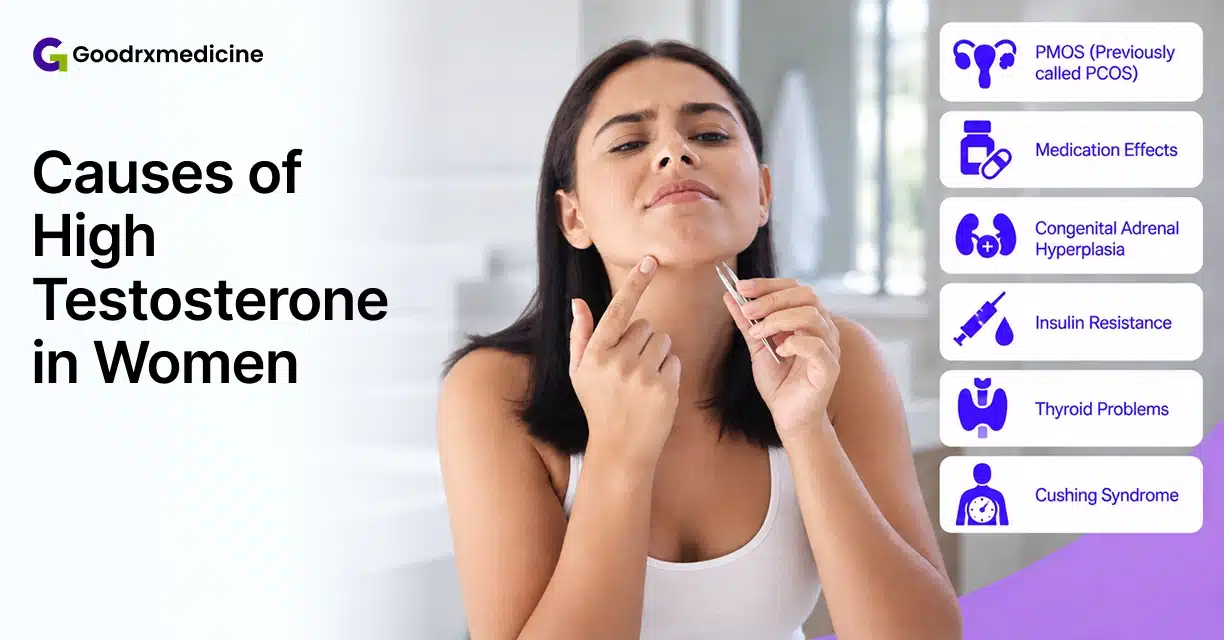
- Excess androgens: Women naturally produce small amounts of androgens. However, PCOS can increase androgen levels significantly. High androgen levels can shrink hair follicles, shorten the hair growth cycle, cause thinner hair strands and lead to progressive hair thinning.
- Increased Dihydrotestosterone (DHT) production: Some androgens are converted into DHT, a hormone linked to hair loss. DHT attaches to hair follicles and gradually weakens them, making it difficult for healthy hair to grow.
- Insulin resistance: Many women with PCOS have insulin resistance. High insulin levels can make the ovaries to produce more androgens, which can worsen hair loss.
- Chronic inflammation: Low-grade inflammation is common in PCOS and can contribute to hormonal disturbances that affect hair growth.
What does PCOS hair loss look like?
Unlike male pattern baldness, complete bald spots are less common in women with PCOS. PCOS hair loss usually follows a pattern similar to female pattern hair loss.
It is normal to lose around 50 to 150 strands per day as part of the natural hair growth cycle. However, consistently shedding more than this amount or noticing a visible reduction in hair volume can indicate an underlying issue such as PCOS-related hair loss. Common signs include:
- Widening of the hair part
- Thinning at the crown
- Reduced hair volume
- Increased hair shedding while washing or brushing
- Visible scalp through the hair
- Slower hair regrowth
Hair loss is often accompanied by other PCOS symptoms. These can include irregular or missed periods, acne or oily skin, excess facial or body hair growth, weight gain, difficulty losing weight, darkened skin patches, fertility problems and mood changes. Experiencing several of these symptoms together can indicate an underlying hormonal issue.
Management and treatment for PCOS hair fall
If PCOS has not already been diagnosed, a doctor can recommend blood tests, a review of symptoms, and sometimes an ultrasound to confirm PCOS and rule out other causes of hair fall before starting treatment.
The PCOS hair loss treatment focuses on addressing the hormonal imbalance that causes hair follicles to shrink and produce thinner hair. In most cases, hair loss can be slowed or improved when treatment begins early. Hair follicles that are still active can recover and produce healthier hair growth over time, although noticeable improvements often take several months.
Lifestyle changes
Lifestyle modifications are often the first step in managing PCOS and related hair loss. Maintaining a healthy weight, exercising regularly, managing stress, and getting enough sleep can help improve insulin sensitivity and reduce androgen levels.
A balanced diet can also support hormone regulation and hair health. Focus on nutrient-rich foods such as:
- Lean proteins
- Eggs
- Fish
- Nuts and seeds
- Leafy green vegetables
- Whole grains
- Legumes
- Berries
It is also helpful to limit sugary drinks, refined carbohydrates, highly processed foods, and excessive fast food consumption. These dietary changes can improve insulin resistance, which can indirectly reduce androgen production and support healthier hair growth.
Medications
Topical minoxidil is commonly recommended for women experiencing PCOS-related hair loss. It works by stimulating hair follicles, extending the growth phase of hair, and improving hair density. Consistent use is important, as results typically become noticeable after several months.
Doctors can prescribe medications to address the hormonal factors contributing to hair loss. Depending on individual needs, treatment can include:
- Hormonal contraceptives
- Insulin-sensitizing medications
- Anti-androgen medications
These treatments help reduce the effects of excess androgens, slow further hair thinning, and support hair regrowth.
Nutritional supplements
Nutritional supplements can be recommended when dietary intake is inadequate or when a deficiency is contributing to hair loss. While supplements cannot directly correct the hormonal imbalance behind PCOS, they can support healthier hair growth and reduce excessive shedding.
Depending on individual needs, a healthcare provider can recommend:
- Iron supplements
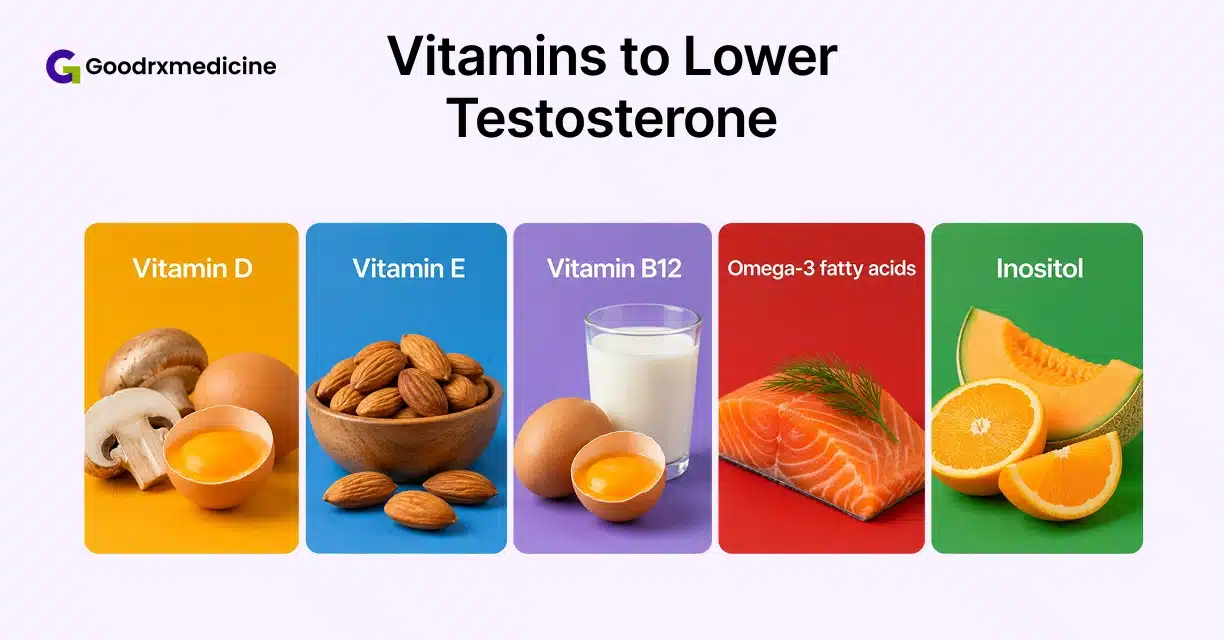
- Vitamin D supplements
- Zinc supplements
- Vitamin B12 supplements
These nutrients play important roles in hair follicle function, hair growth, and the production of healthy hair strands. Taking supplements as recommended can help support hair regrowth and improve overall hair quality, particularly when combined with other PCOS treatments.
Hair restoration procedures
For women with significant or long-standing hair loss, additional treatments can be considered. Such procedures are generally reserved for cases where lifestyle changes and medical treatments do not provide adequate improvement. These include:
- Platelet-rich plasma (PRP) therapy
- Low-level laser therapy
- Hair transplantation
Many women notice reduced shedding within a few months of starting treatment, while visible improvements in hair thickness can take 3 to 6 months. More substantial regrowth often requires 6 to 12 months of consistent treatment and hormone management.
Tips to prevent further hair loss
Although it can not always be possible to prevent hair loss completely, the following measures can help protect existing hair and improve treatment outcomes:
- Follow your treatment plan consistently: Hair loss treatments for PCOS often take several months to show visible results. Take prescribed medicines as directed and avoid stopping treatment without consulting your doctor.
- Eat a balanced, nutrient-rich diet: Include foods rich in protein, iron, zinc, vitamin D and other essential nutrients that support healthy hair growth. If you have a nutritional deficiency, follow your doctor’s recommendations to correct it.
- Avoid crash diets and rapid weight loss: Severely restricting calories or losing weight too quickly can trigger excessive hair shedding and worsen existing hair loss.
- Manage stress levels: Chronic stress can disrupt the hair growth cycle and increase hair shedding. Regular exercise, adequate sleep, meditation, or other stress-management techniques may help.
- Handle your hair gently: Minimize the use of hot styling tools, harsh chemical treatments, and vigorous brushing, as these can weaken hair and increase breakage.
- Avoid hairstyles that put tension on the scalp: Tight ponytails, buns, braids, and hair extensions can damage hair follicles over time and contribute to traction hair loss.
Taking these steps alongside appropriate medical treatment can help slow hair thinning and support healthier hair growth over time.
When to see a doctor
Hair loss can have multiple causes, and early evaluation can help identify whether PCOS or another underlying condition is responsible. Consult a healthcare provider if you:
- Notice excessive hair shedding that continues for several weeks or months.
- Develop visible scalp thinning, a widening hair part, or reduced hair volume.
- Experience hair loss along with irregular periods, acne, or unexplained weight gain.
- Have signs of high androgen levels, such as excess facial or body hair growth.
- Notice that your hair loss is becoming progressively worse.
- Do not see improvement despite lifestyle changes or ongoing treatment.
- Feel concerned about the impact of hair loss on your confidence or quality of life.
Early diagnosis and treatment can help manage the underlying hormonal imbalance and improve the chances of preserving hair density.

Conclusion
PCOS hair loss is a common symptom of the hormonal imbalances associated with Polycystic Ovary Syndrome. Elevated androgen levels, increased DHT production, and insulin resistance can all contribute to gradual hair thinning and excessive shedding.
While this type of hair loss can be distressing, it is often manageable with early intervention and a comprehensive treatment approach. Lifestyle changes, medications, nutritional support, and hair restoration treatments can help slow further hair loss and promote healthier hair growth.
If you notice persistent hair thinning or other symptoms of PCOS, seeking medical advice can help identify the underlying cause and guide appropriate treatment. Addressing the condition early offers the best chance of preserving hair density and improving long-term outcomes.
Frequently Asked Questions
Is PCOS hair loss reversible?
Yes, PCOS hair loss can often be improved, especially when treatment begins early. Managing hormone imbalances, improving insulin resistance, and following appropriate treatments can help slow hair thinning and encourage regrowth. However, hair growth is gradual, and results can take several months. Long-standing follicle damage can be more difficult to reverse completely.
Can lowering testosterone help reduce hair loss in PCOS?
Yes, lowering elevated testosterone levels can help reduce hair loss associated with PCOS. High testosterone and related androgens can shrink hair follicles and disrupt the hair growth cycle. Treatments that lower androgen levels can slow further thinning, support healthier hair growth, and improve overall health.
Can PCOS cause hair loss even if periods are regular?
Yes, some women with PCOS experience hair loss despite having relatively regular periods. Hormonal imbalances, particularly elevated androgen levels, can affect hair follicles independently of menstrual symptoms. Hair thinning can sometimes be one of the first noticeable signs of PCOS.
Where does PCOS hair loss usually occur?
PCOS hair loss typically affects the top of the scalp, especially the crown and hair part. Many women notice a widening part or reduced hair volume rather than distinct bald patches. The pattern is often similar to female pattern hair loss.
Can PCOS hair loss get worse with age?
Yes, PCOS-related hair loss can become more noticeable over time if hormonal imbalances remain unmanaged. As hair follicles are repeatedly exposed to high androgen levels, they can gradually become smaller, leading to thinner hair and reduced hair density.
Does biotin help with PCOS hair loss?
No, there is limited evidence that biotin helps with PCOS-related hair loss unless you have a biotin deficiency. Although biotin is a popular supplement for improving hair health, PCOS hair loss is mainly caused by excess androgens. Therefore, treating the underlying hormonal imbalance is generally more effective than taking biotin alone.
Citations
GoodRxMedicine only refers to credible, authoritative sources for our content. If you're curious about how we ensure the integrity of our content, we encourage you to read our Content Information Policy.
How useful was this post?
Click on a star to rate it!
No votes so far! Be the first to rate this post.
Julian Carter is a highly accomplished MBA graduate in Pharmaceutical Management, celebrated for his extensive experience and exceptional skills in the pharmaceutical industry. With a wealth of knowledge and expertise, Julian is a valuable contributor to the field and a trusted voice in pharmaceutical management. As a contributing writer for Goodrxmedicine.com, Julian is committed to educating and empowering individuals to make informed decisions about their health. His passion for the industry is evident in his work, and his dedication to improving the lives of others through education and empowerment is truly remarkable. With a reputation for excellence and a track record of success, Julian Carter is a respected and admired figure in pharmaceutical management. His insights and contributions to the field are highly valued, and his expertise has helped shape the direction of the industry for the better. Through his work as a contributing writer for Goodrxmedicine.com and beyond, Julian continues to make a meaningful impact in the lives of many. His commitment to excellence and dedication to improving the health of individuals and communities around the world make him an inspiration to others in the field.
Learn MoreDr. James Mitchell is a board-certified physician with 18+ years of clinical experience in Sexual Medicine and Reproductive Health. He helps patients navigate intimate health concerns through medically sound guidance and compassionate, patient-centered care.
Learn More