


Pregnancy cravings are one of the most common experiences during pregnancy. Many women suddenly start wanting foods they never liked before, while others crave specific flavors every day. From sweets and spicy foods to unusual combinations like pickles with ice cream, cravings can sometimes feel intense and difficult to ignore.
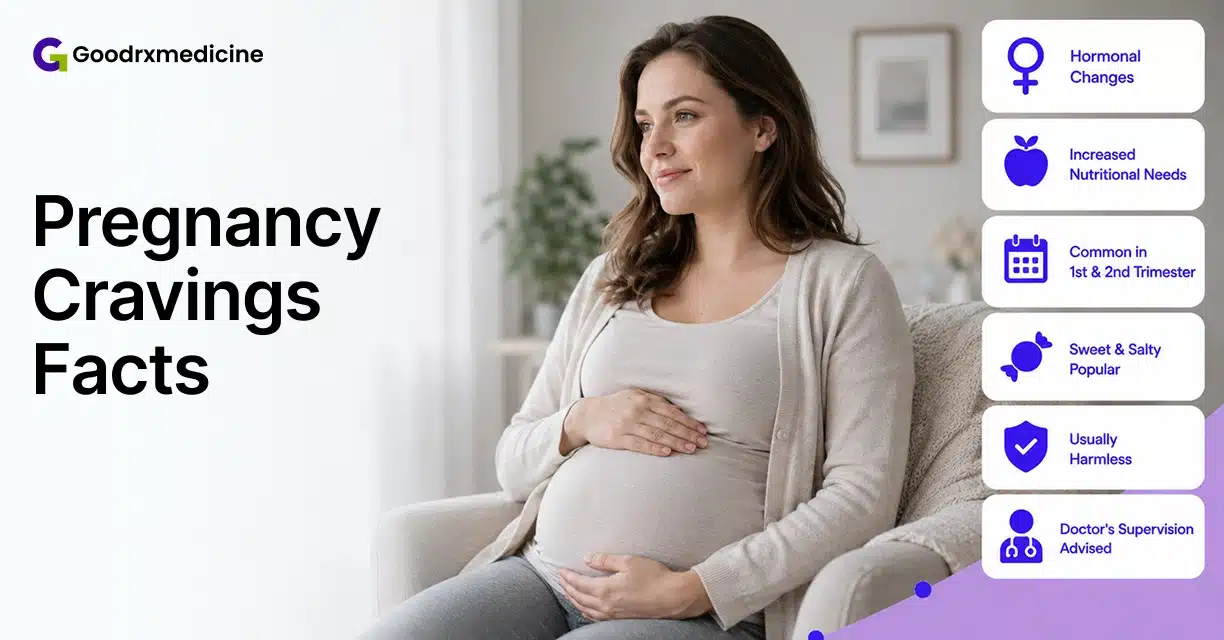
These cravings usually begin during the first trimester, become stronger during the second trimester, and can reduce toward the end of pregnancy. Hormonal changes, emotional shifts, nutritional needs, and changes in taste and smell play a role in why cravings happen.
In this article, we shall discuss in detail what pregnancy cravings are, the causes behind them, common and weird food combinations that women crave, and how to manage them.
What are pregnancy cravings?
Pregnancy cravings are strong urges to eat specific foods or flavors during pregnancy. Unlike regular hunger, cravings are usually focused on one particular food, taste, or texture.
Some women crave sweet foods like chocolate or cakes, while others want salty snacks, spicy foods, or sour fruits. Cravings can happen at any time of the day and can change throughout pregnancy.
These urges are considered completely normal in most cases. Many pregnant women experience them at some stage of pregnancy, while some can not notice cravings at all. Every pregnancy is different.
Cravings usually begin during the first trimester. For many women, they become stronger during the second trimester and can reduce during the third trimester. Some women experience cravings throughout pregnancy, while others can only notice them for a few weeks.
Save up to 90% on your medicine bills
Why do cravings happen during pregnancy?
There is no single confirmed reason behind pregnancy cravings, but several physical and emotional changes are believed to contribute to them. These include:
Hormonal changes
Pregnancy hormones can affect the senses of taste and smell. Foods can suddenly smell stronger or taste different than before, making certain foods more appealing. This is one of the main reasons why pregnant women often develop sudden likes and dislikes for specific foods.
Increased nutritional needs
During pregnancy, the body needs more nutrients to support the growing baby. Some experts believe cravings can sometimes reflect the body’s increased nutritional needs.
For example:
- Dairy cravings can be linked to calcium needs.
- Meat cravings can happen when iron levels are low.
- Salty cravings can relate to changes in fluid balance.
However, cravings should not be used to diagnose nutrient deficiencies. Many pregnant women crave foods despite having normal nutrient levels, while others with deficiencies can have no cravings at all. The only reliable way to identify a nutrient deficiency is through a medical evaluation and, when necessary, laboratory testing.
Emotional and psychological factors
Pregnancy can bring mood swings, stress, fatigue, and emotional changes. Comfort foods can help some women feel relaxed or emotionally satisfied during this period. Sweet, salty, or high-carbohydrate foods are often associated with positive emotions and can temporarily improve mood or reduce stress.
In addition, memories and cultural associations with certain foods can influence cravings. A favorite childhood snack or a comforting home-cooked meal can become especially appealing during pregnancy.
Changes in taste and smell
Many pregnant women become more sensitive to smells and flavors, especially during early pregnancy. As a result, foods that were once enjoyable can suddenly taste unpleasant, while other foods can seem more appealing than usual.
Strong aromas from coffee, spices, meat, or cooking oils can trigger nausea in some women, leading them to avoid these foods and seek alternatives with milder flavors. I
Most common pregnancy cravings

Pregnancy cravings vary from person to person, but some foods are commonly reported by pregnant women around the world. These include:
- Sweet treats: Craving sweet food during pregnancy is extremely common. Many women crave chocolate, ice cream, cakes, candy, pastries and puddings.
- Salty foods: Salty cravings can include chips, fries, pickles and salted crackers. Pickles are among the most commonly discussed pregnancy cravings because of their salty and sour flavor combination.
- Spicy foods: Some women suddenly enjoy spicy foods more during pregnancy, even if they normally avoid them. These can include curries, hot wings, spicy noodles, chili-based dishes, or foods flavored with hot sauces and peppers.
- Sour foods: Common sour cravings include citrus fruits, tamarind, green mangoes and sour candies.
- Dairy products: Milk, yogurt, cheese, and ice cream are commonly craved dairy products during pregnancy.
- Red meat: Some pregnant women develop strong cravings for red meat such as beef or lamb. Experts believe this can sometimes be linked to the body’s increased need for iron and protein during pregnancy. Cravings for chicken, fish, eggs, or other protein-rich foods are not a reliable sign of a nutrient deficiency.
Unusual pregnancy cravings and combinations
Pregnancy cravings can sometimes become unusual. Many women crave strange food combinations that they normally would never eat together. These include pickles with ice cream, chips dipped in chocolate, peanut butter with burgers and fruit with spicy sauces. These combinations can sound odd, but they are usually harmless when eaten in moderation.
In some cases, pregnant women can crave non-food substances instead of regular foods. This condition is called pica. Pica can involve cravings for:
- Ice
- Chalk
- Clay
- Dirt
- Soap
- Paper
Unlike regular pregnancy cravings, pica can become dangerous because some substances can harm both the mother and baby. Pica is sometimes linked to iron deficiency or other nutritional problems and should always be discussed with a doctor.
Healthy ways to manage pregnancy cravings
Pregnancy cravings do not always need to be avoided completely. The goal is to manage them in a healthy and balanced way.
- Eat balanced meals: Skipping meals can make cravings feel stronger. Eating balanced meals with protein, fiber, fruits, vegetables, and healthy fats can help reduce sudden cravings and keep you full for longer.
- Pair cravings with healthier foods: Instead of completely avoiding cravings, try balancing them with healthier choices. For example, if you crave sweets, have them after a proper meal instead of on an empty stomach. If you are craving carb-heavy foods like pasta, noodles, or bread, pair them with vegetables, protein, or healthy fats to make the meal more balanced.
- Stay hydrated: Dehydration can sometimes feel like hunger or cravings. Drinking enough water throughout the day can help reduce unnecessary snacking.
- Get enough sleep: Poor sleep can increase appetite and make cravings feel more intense. Proper rest is important during pregnancy and can help with better appetite control.
- Practice moderation: Completely restricting favorite foods can increase frustration and lead to overeating later. Enjoying cravings occasionally is usually fine unless a doctor advises otherwise.
- Keep healthy snacks on hand: Pregnancy cravings can strike unexpectedly. Keeping nutritious snacks such as fruits, yogurt, nuts, whole-grain crackers, or cheese readily available can help you manage cravings and make balanced food choices more easily.
When to see a doctor
Most pregnancy cravings are harmless and can be managed as part of a balanced diet. However, medical advice may be needed if:
- Cravings are unusually intense or difficult to control.
- Cravings lead to excessive consumption of sugary, salty, or high-calorie foods.
- You crave non-food items such as ice, clay, dirt, or chalk.
- Cravings are accompanied by symptoms of a possible nutrient deficiency.
- You are concerned about weight gain or your overall diet.
A doctor or registered dietitian can assess your overall health, identify any nutritional concerns, and help you develop a healthy eating plan that supports both you and your baby.

Conclusion
Pregnancy cravings are a normal during pregnancy and can range from sweet foods like chocolate and ice cream to salty snacks, spicy meals, sour fruits, dairy products, and even red meat. Some women also experience unusual food combinations like pickles with ice cream or chips dipped in chocolate. Hormonal changes, emotional shifts, increased nutritional needs, and changes in taste and smell all contribute to why these cravings happen.
While most cravings are harmless, maintaining balance and making healthier choices is important for both the mother and the growing baby. Managing cravings does not mean completely avoiding favorite foods.
Simple habits like eating balanced meals, staying hydrated, getting enough sleep, and pairing cravings with nutritious foods can help control them in a healthier way. However, cravings for non-food substances or sudden extreme eating habits should never be ignored and should immediately be discussed with a doctor.
Frequently Asked Questions
Can pregnancy cravings change from day to day?
Yes, pregnancy cravings can change very quickly. A pregnant woman can strongly crave one food for several days and suddenly lose interest in it later. Hormonal changes, mood shifts, smell sensitivity, and changing nutritional needs during pregnancy can all affect cravings and food preferences from one day to another.
Can pregnancy cravings predict the baby’s gender?
No, there is no scientific evidence for this belief that pregnancy cravings can predict the baby’s gender. Many people believe that craving sweet foods means having a girl, while salty or spicy cravings mean having a boy. These gender predictions are simply common pregnancy myths.
Is it bad to ignore pregnancy cravings?
No, ignoring pregnancy cravings occasionally is usually not harmful. However, constantly restricting foods can increase frustration and make cravings feel stronger later. The best approach is moderation and balance.
Do all pregnant women get cravings?
No, not all pregnant women experience cravings. Some women develop strong cravings for certain foods, while others notice very few changes in their appetite during pregnancy. Both experiences are considered completely normal. Pregnancy symptoms vary from person to person, and cravings can differ in intensity, frequency, and the types of foods desired.
Can pregnancy cause food aversions?
Yes, many pregnant women experience food aversions along with cravings. Certain smells, tastes, or textures can suddenly feel unpleasant and even trigger nausea. Common aversions include coffee, eggs, meat, and fried foods. These aversions are usually linked to hormonal changes and increased smell sensitivity during pregnancy and often improve later.
Citations
GoodRxMedicine only refers to credible, authoritative sources for our content. If you're curious about how we ensure the integrity of our content, we encourage you to read our Content Information Policy.
How useful was this post?
Click on a star to rate it!
No votes so far! Be the first to rate this post.
Julian Carter is a highly accomplished MBA graduate in Pharmaceutical Management, celebrated for his extensive experience and exceptional skills in the pharmaceutical industry. With a wealth of knowledge and expertise, Julian is a valuable contributor to the field and a trusted voice in pharmaceutical management. As a contributing writer for Goodrxmedicine.com, Julian is committed to educating and empowering individuals to make informed decisions about their health. His passion for the industry is evident in his work, and his dedication to improving the lives of others through education and empowerment is truly remarkable. With a reputation for excellence and a track record of success, Julian Carter is a respected and admired figure in pharmaceutical management. His insights and contributions to the field are highly valued, and her expertise has helped shape the direction of the industry for the better. Through his work as a contributing writer for Goodrxmedicine.com and beyond, Julian continues to make a meaningful impact in the lives of many. His commitment to excellence and dedication to improving the health of individuals and communities around the world make him an inspiration to others in the field.
Learn MoreDr. James Mitchell is a board-certified physician with 18+ years of clinical experience in Sexual Medicine and Reproductive Health. He helps patients navigate intimate health concerns through medically sound guidance and compassionate, patient-centered care.
Learn More