



Estrogen plays an important role in women’s body. It supports reproductive health, bone strength, skin health, mood, metabolism, and overall well-being. As estrogen levels start declining with age, especially during perimenopause and menopause, many women notice symptoms like hot flashes, fatigue, mood swings, poor sleep, and weight gain around the waist.
Foods do not contain actual human estrogen, but they contain phytoestrogens. These are plant-based compounds that can mildly act like estrogen in the body and can help support hormonal balance naturally. Adding these to a healthy diet can help manage some hormonal changes while also improving overall nutrition.
In this article, we shall discuss 9 estrogen-rich foods and how you can add them to your daily meals.
Common estrogen-rich foods
Most estrogen-rich foods contain phytoestrogens, which are natural plant compounds that interact with the body’s estrogen receptors. Their effect is much milder than the estrogen naturally produced by the body or estrogen therapy, but they can still help support hormonal balance in some people.
Research suggests that phytoestrogens can help reduce menopausal symptoms, support bone health while reducing the risk of Osteoporosis (weakening of bone density), improve heart health, and lower inflammation. Diets rich in phytoestrogens are also associated with a lower risk of certain health conditions, including Breast Cancer, although their effects can vary depending on factors such as age, hormone status, and overall diet.
Some foods to support estrogen levels naturally are :
1. Flaxseeds
Flaxseeds are one of the richest natural sources of phytoestrogens, especially compounds called lignans. Lignans are linked to estrogen-like activity, and they are often included in diets focused on hormonal balance and menopause support. Along with phytoestrogens, flaxseeds also provide omega-3 fatty acids, fiber, and antioxidants that support heart and digestive health.
Many people add ground flaxseeds to smoothies, yogurt, oatmeal, salads, or homemade rotis. Ground flaxseed is usually preferred because the body can digest it more easily than whole seeds.
Save up to 90% on your medicine bills
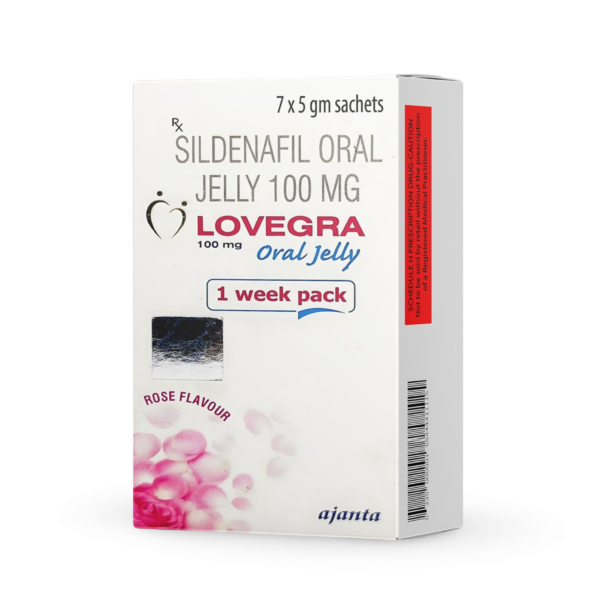
Lovegra Oral Jelly Rx 100 Mg
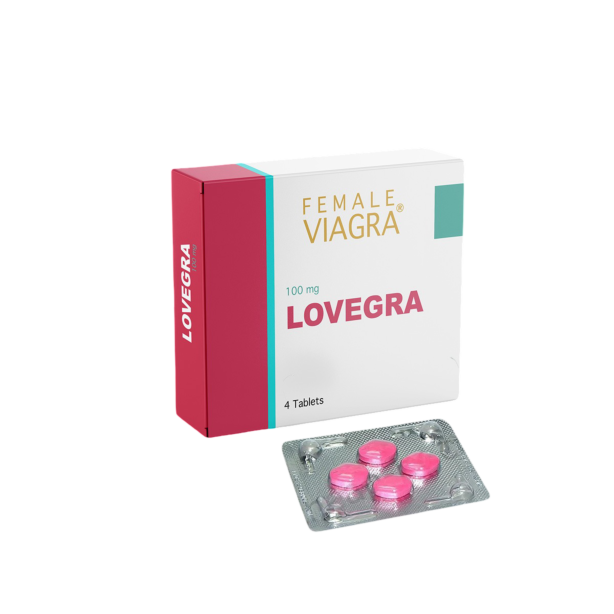
Lovegra 100 mg
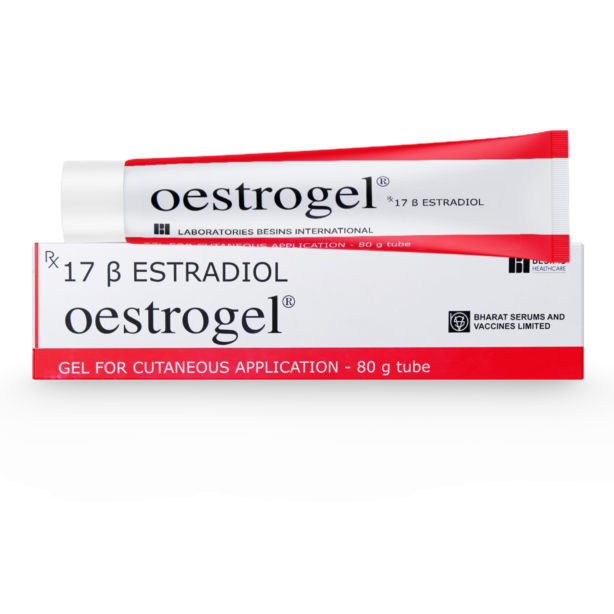
Oestrogel Gel 80 gm
Progynova 2 mg
2. Soy foods
Soy foods are among the richest dietary sources of isoflavones, a type of phytoestrogen that can have mild estrogen-like effects in the body. They are widely studied for their potential role in supporting hormonal health and relieving some menopausal symptoms.
Some of the best soy foods high in phytoestrogens include:
- Soybeans: Whole soybeans contain some of the highest concentrations of isoflavones. They are also rich in protein and can be eaten boiled, roasted, or added to a variety of dishes.
- Tofu: Made from soy milk, tofu provides both plant-based protein and isoflavones. Tofu can be grilled, stir-fried, added to curries, or mixed into salads.
- Tempeh: Tempeh is a fermented soy product with a firmer texture and nutty flavor. It contains phytoestrogens along with protein and fiber, making it a popular choice for vegetarian and high-protein diets.
- Edamame: These young green soybeans are minimally processed and naturally rich in isoflavones. They can be enjoyed as a snack or added to salads, rice bowls, and stir-fries.
3. Sesame seeds
Sesame seeds contain lignans that act like estrogen in the body. They are also packed with calcium, magnesium, healthy fats, and fiber, making them beneficial for bone and heart health.
These tiny seeds are easy to include in everyday meals. Many people sprinkle them over vegetables, salads, noodles, or yogurt, while tahini made from sesame seeds is commonly used as a spread or dressing ingredient.
4. Legumes
Legumes contain phytoestrogens along with protein, fiber, and other important nutrients that support overall health.
- Chickpeas: Chickpeas provide phytoestrogens and are commonly used in curries, salads, soups, roasted snacks, and hummus. Their protein and fiber content can help promote fullness.
- Lentils: Lentils contain phytoestrogens as well as iron, folate, protein, and fiber. Varieties such as masoor dal, moong dal, and black lentils can be included in a balanced diet.
5. Cruciferous vegetables
Cruciferous vegetables include broccoli, cabbage, cauliflower, kale, and Brussels sprouts. These vegetables contain plant compounds that support hormone metabolism and overall health.
They are also rich in fiber, vitamins, and antioxidants that support digestion and immunity. Roasting, sautéing, or lightly steaming these vegetables can improve both flavor and texture, making them easier to include in regular meals.
6. Fruits
Several fruits contain phytoestrogens along with vitamins, minerals, fiber, and antioxidants that support overall health. These are:
- Peaches: Peaches contain lignans and other plant compounds associated with estrogen-like activity. They are naturally low in calories and high in water content.
- Berries: Strawberries, blueberries, raspberries, and blackberries provide phytoestrogens and antioxidants that may help reduce inflammation and support healthy aging.
- Grapes: Grapes contain phytoestrogens and antioxidant compounds, including resveratrol. They can be enjoyed fresh, frozen, or added to fruit salads and snacks.
- Dried apricots: Dried apricots contain phytoestrogens along with fiber, iron, potassium, and antioxidants.
These fruits can be enjoyed on their own or added to smoothies, yogurt, oatmeal, fruit salads, and desserts.
7. Garlic
Garlic contains natural plant compounds that can have mild estrogen-like effects. This helps women by easing Premenstrual Symptoms (PMS) and supporting hormonal balance. It is also widely known for supporting heart health, circulation, and immune function, which adds to its overall health benefits.
Fresh garlic can be added to curries, soups, vegetables, sauces, and stir-fries. Since it is already commonly used in cooking, increasing garlic intake is often simple for most people.
8. Whole grains
Whole grains like oats, barley, brown rice, and quinoa contain lignans and other beneficial nutrients that support hormonal health. Unlike refined grains, whole grains retain more fiber and nutrients because they are less processed.
Including whole grains in meals can help improve digestion, support heart health, and keep you full for longer periods. Replacing white bread, white rice, and refined flour products with whole-grain options is a simple dietary improvement.
9. Nuts
Nuts like almonds, walnuts, pistachios, Brazil nuts and peanuts contain phytoestrogens along with healthy fats, protein, magnesium, and vitamin E. Brazil nuts are particularly notable for their phytoestrogen content, while also providing selenium, an important mineral involved in thyroid function and overall health.
A small handful of nuts can work as a healthy snack between meals or be added to oatmeal, yogurt, salads, and smoothies for extra texture and nutrition.
Things to keep in mind
While estrogen-rich foods can be healthy for women’s health, there are a few important things to remember before increasing your intake significantly. Keep in mind that:
- Phytoestrogens are not the same as human estrogen. Their effects on the body are much milder and can vary from person to person.
- Results are usually gradual. These foods can support hormonal balance over time, but they are not instant treatments for menopause or hormone-related symptoms.
- Eating a variety of foods works better than relying heavily on one source, like soy or flaxseeds alone.
- Whole food sources are generally a better option than supplements because they also provide fiber, vitamins, minerals, and antioxidants.
- Portion control still matters, especially with calorie-dense foods like nuts, seeds, and dried fruits.
- People with hormone-sensitive conditions, such as certain breast, ovarian, or uterine conditions, should speak with a doctor before making major dietary changes.
- If you have allergies or digestive sensitivities, introduce high-fiber foods like flaxseeds, lentils, or soy gradually to avoid bloating or discomfort.
- A healthy lifestyle, including exercise, sleep, hydration, and stress management, is also important for hormonal health.
- Food alone may not correct clinically low estrogen levels. If you have symptoms of hormonal imbalance, speak with a healthcare professional for proper testing and treatment.
There is no fixed daily requirement for phytoestrogen-rich foods. Most experts recommend focusing on variety, calorie needs and moderation rather than consuming large amounts of a single food.

Conclusion
Estrogen plays a major role in many functions of the body, including reproductive health, mood, metabolism, bone strength, skin health, and energy levels. Including estrogen-rich foods in the diet can help support hormonal balance naturally. Foods like flaxseeds, soy products, lentils, sesame seeds, berries, cruciferous vegetables, whole grains, and nuts contain phytoestrogens that can mildly interact with estrogen receptors in the body.
Along with hormonal support, many of these foods also provide protein, fiber, healthy fats, antioxidants, and essential vitamins that benefit overall health. At the same time, it is important to remember that phytoestrogens do not work like hormone replacement therapy, and their effects can vary from person to person.
Instead of focusing on large amounts of one particular food, a balanced and varied diet is usually the best approach. Regular exercise, quality sleep, hydration, and stress management are also important for maintaining healthy hormone levels.
Frequently Asked Questions
Can men eat estrogen-rich foods?
Yes, men can safely eat estrogen-rich foods in normal dietary amounts. Foods like soy, lentils, seeds, and whole grains are nutritious and do not usually cause hormonal problems when consumed as part of a balanced diet.
Can low estrogen cause weight gain?
Yes, low estrogen levels can contribute to weight gain, especially around the abdomen. Hormonal changes during stages like perimenopause and menopause can also affect metabolism, appetite, muscle mass, and fat distribution.
What are the symptoms of low estrogen?
The symptoms of low estrogen are hot flashes, mood swings, irregular periods, vaginal dryness, fatigue, poor sleep, low libido, and difficulty concentrating. Symptoms can vary depending on age and hormonal changes.
Can estrogen-rich foods improve skin health?
Yes, estrogen-rich foods can improve skin health. Healthy estrogen levels are linked to skin hydration and elasticity. Nutrient-rich foods containing phytoestrogens, antioxidants, and healthy fats can help support overall skin health as part of a balanced diet.
When referencing outside resources, GoodrxMedicine always provides full citations. To learn more about the measures we use to maintain the quality of our content, please review our Content Information Policy.