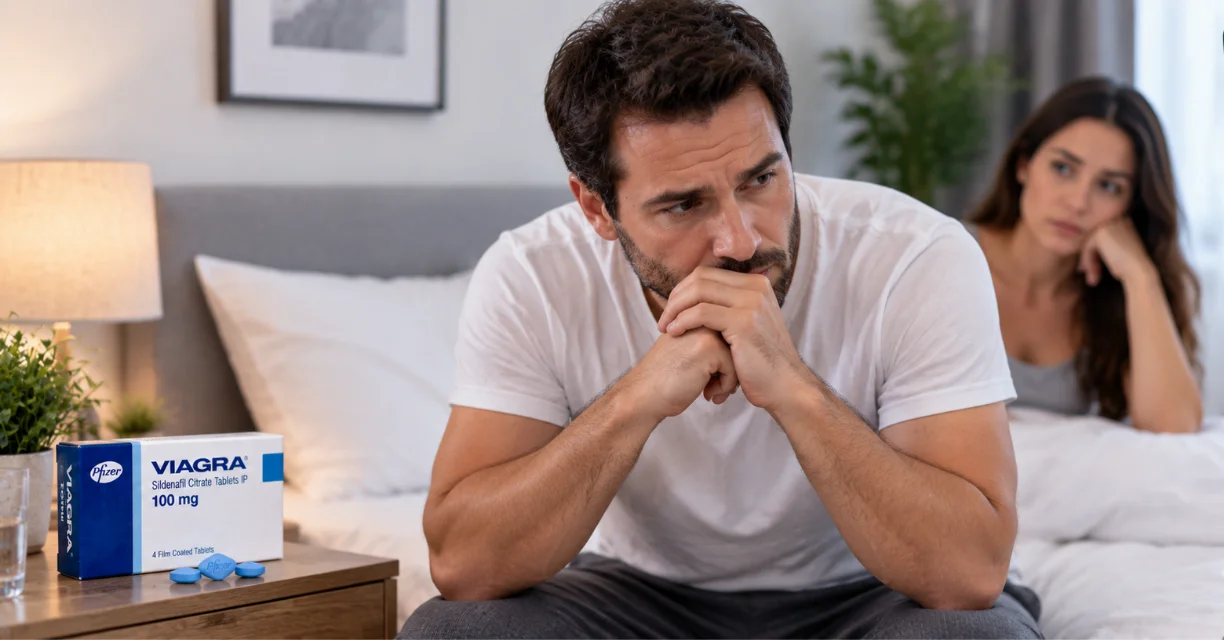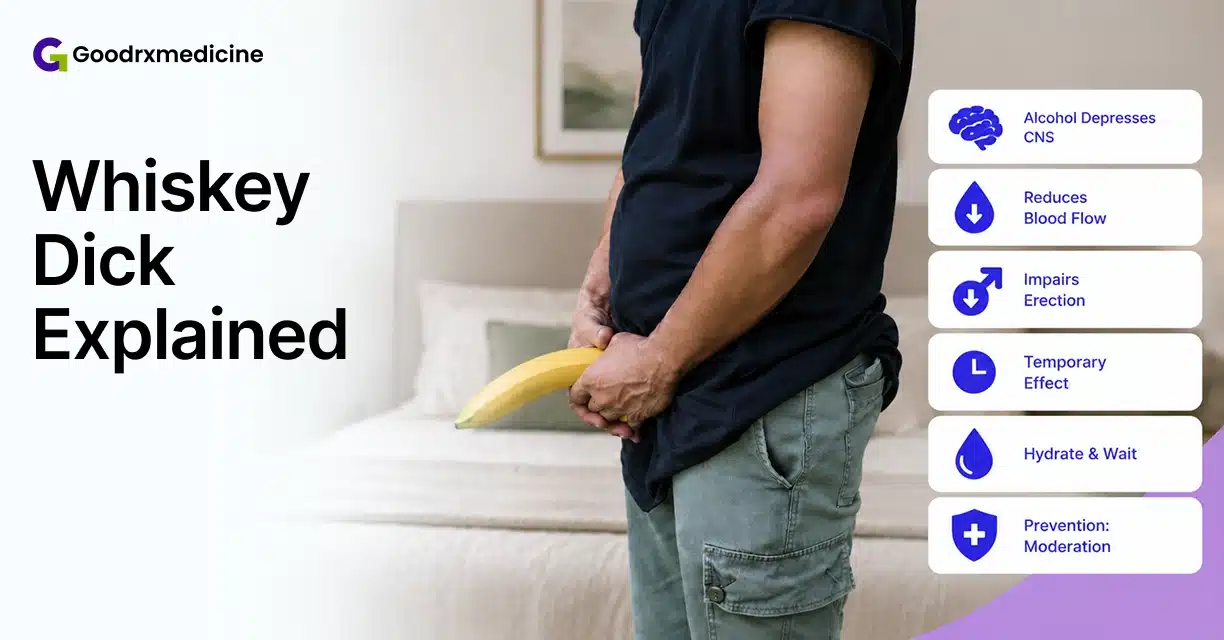



Alcohol is often associated with increased confidence and a higher sex drive, but drinking too much can have the opposite effect on sexual performance. Many men find that after a heavy night of drinking, they struggle to get or maintain an erection despite feeling sexually aroused. This temporary condition is commonly known as whiskey dick.
Whiskey dick refers to alcohol-induced Erectile Dysfunction (ED). It is usually short-lived and improves once the body processes the alcohol. Understanding why it happens, how long it lasts, and when it could indicate an underlying health problem can help you take the right steps to protect your sexual health.
This article explains what a whiskey dick is, the factors that increase your risk, how long it usually lasts, practical ways to manage and prevent it, and when ongoing erection problems could signal an underlying health condition.
What is whiskey dick?
Whiskey dick is a temporary inability to achieve or maintain an erection after consuming alcohol. Despite the name, the condition is not limited to whiskey and can occur after drinking beer, wine, cocktails, or any alcoholic beverage in excessive amounts.
An erection depends on healthy communication between the brain, nerves, blood vessels, and penile tissues. Alcohol interferes with this process by slowing nerve signaling, reducing blood flow regulation, and affecting the body’s ability to respond to sexual stimulation. While sexual desire may still be present, the penis may not become firm enough for intercourse or may lose rigidity before ejaculation.
Save up to 90% on your medicine bills
What causes whiskey dick?
Whiskey dick happens because alcohol interferes with nearly every step required to produce an erection. From the brain and nerves to blood vessels and hormones, excessive alcohol disrupts the coordinated process that allows blood to fill and remain in the penis.
Central nervous system depression
Alcohol is a central nervous system depressant, meaning it slows brain activity and nerve communication. Even if you feel sexually aroused, your brain cannot efficiently send the signals that tell the blood vessels and smooth muscles in the penis to relax.
Without these signals, achieving or maintaining an erection becomes difficult. Alcohol also dulls nerve endings throughout the body, reducing physical sensation and responsiveness to sexual stimulation.
Reduced blood volume due to dehydration
Alcohol acts as a diuretic, causing the body to lose water through increased urination. This dehydration reduces overall blood volume, leaving less blood available to circulate throughout the body. Since erections depend on a sufficient supply of blood filling the erectile tissues, dehydration can make erections weaker or harder to achieve.
Blood vessel dysfunction
An erection depends on the blood vessels supplying blood to the penis, allowing a rapid increase in blood flow. While small amounts of alcohol may temporarily relax blood vessels, heavy drinking disrupts this process. It impairs the release of Nitric Oxide (NO), the chemical signal that relaxes the smooth muscles of the penis and allows blood vessels to dilate. At the same time, alcohol increases hormones such as angiotensin, which promote blood vessel constriction. Together, reduced nitric oxide and elevated angiotensin limit blood flow to the erectile tissues, which makes it more difficult to achieve or maintain a firm erection.
Poor concentration and coordination
Sexual arousal involves both physical and mental engagement. Intoxication impairs concentration, coordination, and reaction time while increasing fatigue. Even if an erection begins, these effects can interrupt the body’s normal sexual response and cause it to fade before or during intercourse.
Psychological factors
Alcohol lowers inhibitions, but it can also contribute to Performance Anxiety, emotional distraction, and reduced confidence during sexual activity. Worrying about maintaining an erection after drinking can further worsen the problem. This can create a self-reinforcing cycle. After one episode of whiskey dick, some men develop anxiety about future sexual encounters. That anxiety itself can impair erections even at lower alcohol quantities.
How much alcohol can trigger whiskey dick?
There is no fixed number of drinks that causes whiskey dick because alcohol affects everyone differently. Some men notice erection problems after a few drinks, while others may only experience symptoms after binge drinking. The likelihood depends on both the amount of alcohol consumed and individual health factors.
- Amount of alcohol consumed: The risk increases as blood alcohol concentration rises. Heavy drinking or binge drinking is far more likely to impair erections than light or moderate alcohol intake.
- Body weight and metabolism: People with a lower body weight or slower alcohol metabolism generally reach higher blood alcohol levels after consuming the same amount of alcohol as others.
- Drinking speed: Consuming several drinks within a short period causes alcohol levels to rise quickly, increasing the chance of temporary Erectile Dysfunction.
- Age: Older adults often process alcohol more slowly, making them more susceptible to its effects on sexual performance.
- Medications: Certain medications, including antidepressants, sedatives, and blood pressure medicines, can intensify alcohol’s effects and further impair erectile function.
- Underlying health conditions: Diabetes, cardiovascular disease, Obesity, hormonal disorders, and existing Erectile Dysfunction can make whiskey dick more likely, even after smaller amounts of alcohol.
How long does whiskey dick last?
For most men, whiskey dick is temporary and improves as alcohol is metabolized and removed from the body. Recovery time depends on the amount of alcohol consumed, individual metabolism, hydration, and overall health.
- Mild cases: Erections often return to normal within a few hours after blood alcohol levels begin to decline.
- After heavy drinking: Symptoms may persist until the next day, especially if dehydration, poor sleep, or a hangover are present.
- Frequent heavy alcohol use: Men who drink heavily over months or years may develop persistent erectile difficulties due to long-term damage to blood vessels, nerves, hormone balance, and liver function.
If erection problems continue after the effects of alcohol have worn off or occur regularly even when sober, the cause may extend beyond whiskey dick and should be evaluated by a healthcare provider.
Tips to manage whiskey dick after drinking
Whiskey dick usually resolves once the effects of alcohol wear off, so there is no instant cure. However, a few simple measures can help your body recover more quickly and reduce the chances of erection problems lasting into the next day.
- Stop drinking more alcohol: Continuing to drink only increases blood alcohol levels and prolongs the effects on your brain, nerves, and blood vessels.
- Rehydrate yourself: Alcohol causes dehydration, which can reduce blood volume. Drinking water or electrolyte-rich fluids helps replace lost fluids and supports normal circulation.
- Give your body time to recover: Your liver can only break down alcohol at a fixed rate. Waiting until you are sober is often all that is needed for normal erectile function to return.
- Get enough sleep: Alcohol disrupts sleep quality, even if it helps you fall asleep faster. Not getting enough restful sleep can leave you feeling exhausted and may temporarily affect hormone regulation and sexual performance. Getting a full night’s rest gives your body time to recover as the alcohol leaves your system.
- Avoid putting pressure on yourself: One episode of whiskey dick is common and usually temporary. Stressing about your performance can increase anxiety and make it harder to get an erection, even after the alcohol has worn off.
How to prevent whiskey dick
You can prevent whiskey dick by avoiding drinking altogether. However, if you still need to drink, making small changes in your drinking habits can significantly reduce the risk of temporary Erectile Dysfunction.
Here are some of the ways to prevent whiskey dick:
- Drink in moderation: Limiting alcohol intake is the most effective way to prevent whiskey dick. Moderate drinking is less likely to interfere with the normal erection process than binge drinking.
- Eat before and during drinking: A meal or snack can slow alcohol absorption and reduce the speed at which blood alcohol levels rise.
- Alternate alcohol with water: Drinking a glass of water between alcoholic beverages helps reduce dehydration and may slow the pace of drinking.
- Know your personal limit: Alcohol affects everyone differently depending on body size, metabolism, age, and overall health. Learning how much your body can tolerate helps lower the risk of erection problems.
- Opt for low-alcohol options: Choosing beverages with a lower alcohol concentration can reduce how quickly your blood alcohol level rises. For example, a regular beer or a light beer generally contains less alcohol per serving than spirits such as whiskey, vodka, or rum. However, the total amount of alcohol you consume still matters, regardless of the type of drink.
- Maintain good cardiovascular health: Regular exercise, a balanced diet, adequate sleep, and avoiding smoking all support healthy blood circulation, which is essential for normal erections.
- Avoid combining alcohol with recreational drugs: Certain drugs like opioids can further impair nerve function, blood pressure, and circulation, increasing the likelihood of Erectile Dysfunction.
If erection problems occur frequently, persist after you are sober, or happen even without drinking alcohol, consult a doctor to identify or exclude any underlying medical conditions such as Erectile Dysfunction, Diabetes, cardiovascular disease, or hormonal imbalances.

Conclusion
Whiskey dick is a common and usually short-lived effect of drinking too much alcohol. As alcohol slows communication between the brain, nerves, and blood vessels needed for an erection, normal erectile function often returns once your body has processed the alcohol.
Limiting alcohol intake, staying hydrated, eating before drinking, and avoiding binge drinking can help lower the risk of alcohol-related erection problems. However, if you regularly struggle to get or maintain an erection, even when you haven’t been drinking, consult a healthcare provider.
Ongoing symptoms should be evaluated, as they may indicate an underlying medical condition that requires appropriate evaluation and treatment.
Frequently Asked Questions
Can whiskey dick happen after just one drink?
Yes, some men experience whiskey dick after only one or two drinks, particularly if they have a lower alcohol tolerance, take certain medications, or already have an underlying condition affecting erectile function. However, it is more commonly associated with heavy or binge drinking.
Is whiskey dick permanent?
No, whiskey dick is usually temporary and resolves once the alcohol leaves your system. However, frequent heavy drinking over months or years can contribute to long-term Erectile Dysfunction by damaging blood vessels, nerves, and hormone balance.
Does Viagra help with whiskey dick?
No, Viagra does not help with whiskey dick if you have consumed a significant amount of alcohol. In fact, taking an ED pill after heavy drinking can reduce Viagra’s effectiveness, thereby increasing the chances of experiencing dizziness, low blood pressure, and other side effects.
Does whiskey cause whiskey dick more than beer or wine?
No, the type of alcoholic drink is less important than the total amount of alcohol consumed. Drinking enough beer, wine, whiskey, or cocktails to become intoxicated can increase the risk of temporary Erectile Dysfunction.
Can younger men get whiskey dick?
Yes, whiskey dick can affect men of any age. Younger men are often less likely to have underlying Erectile Dysfunction, but excessive alcohol consumption can still temporarily interfere with normal erectile function.
Citations
GoodRxMedicine only refers to credible, authoritative sources for our content. If you're curious about how we ensure the integrity of our content, we encourage you to read our Content Information Policy.
How useful was this post?
Click on a star to rate it!
No votes so far! Be the first to rate this post.
Julian Carter is a highly accomplished MBA graduate in Pharmaceutical Management, celebrated for his extensive experience and exceptional skills in the pharmaceutical industry. With a wealth of knowledge and expertise, Julian is a valuable contributor to the field and a trusted voice in pharmaceutical management. As a contributing writer for Goodrxmedicine.com, Julian is committed to educating and empowering individuals to make informed decisions about their health. His passion for the industry is evident in his work, and his dedication to improving the lives of others through education and empowerment is truly remarkable. With a reputation for excellence and a track record of success, Julian Carter is a respected and admired figure in pharmaceutical management. His insights and contributions to the field are highly valued, and his expertise has helped shape the direction of the industry for the better. Through his work as a contributing writer for Goodrxmedicine.com and beyond, Julian continues to make a meaningful impact in the lives of many. His commitment to excellence and dedication to improving the health of individuals and communities around the world make him an inspiration to others in the field.
Learn MoreDr. James Mitchell is a board-certified physician with 18+ years of clinical experience in Sexual Medicine and Reproductive Health. He helps patients navigate intimate health concerns through medically sound guidance and compassionate, patient-centered care.
Learn More