


Hormonal birth control is commonly used for pregnancy prevention and managing conditions like irregular periods or acne. While it is effective and widely used, it can influence hormone levels, which play a key role in sexual health.
Due to this, many women notice changes in sex drive, also called libido, after starting contraception. In some cases, birth control decreases libido, but the effect varies depending on the type of contraceptive, hormone levels, and individual response.
Understanding why this happens and how to manage it can help maintain both contraceptive effectiveness and sexual well-being. This article explains how birth control affects libido and ways to manage these changes.
Can birth control lower libido?
Yes, birth control can cause low libido in some women, mainly due to hormonal changes that affect sexual response, arousal, and emotional state. However, others may experience no change in sex drive or even a high sex drive in some cases.
This effect on libido is most commonly associated with hormonal birth control methods, such as Combined Oral Contraceptive pills (containing estrogen and progestin), progestin-only pills, patches, injections, and vaginal rings, as they directly alter natural hormone levels in the body. In rare cases, hormonal Intrauterine Devices (IUDs) can also lower libido, but they are the least likely hormonal birth control option to affect sex drive.
Save up to 90% on your medicine bills
How does birth control lower libido?
Several underlying factors can play a role in lowering libido by affecting hormones and sexual response when using birth control. Some of the crucial ones are as follows:
- Reduced free testosterone levels: Combined hormonal contraceptives increase Sex Hormone-binding Globulin (SHBG), a protein that binds to testosterone. This reduces the amount of free testosterone available, which plays a vital role in sexual drive, leading to low libido.
- Lower estrogen levels affecting comfort: Hormonal contraceptives can also suppress estrogen levels, which can reduce vaginal lubrication and blood flow to genital tissues. This often makes intercourse uncomfortable, reduces sexual interest, and also causes Performance Anxiety, gradually lowering libido.
- Altered brain signaling related to libido: Hormonal contraceptives can influence neurotransmitters (brain chemicals) like dopamine, which is involved in pleasure and motivation. Reduced dopamine activity can lower sexual drive.
- Reduced physical arousal response: Some individuals experience decreased genital sensitivity and slower arousal due to reduced genital blood flow and nerve responsiveness, which can make sexual activity less stimulating and gradually decrease sex drive.
- Mood-related changes: Hormonal shifts can contribute to mood changes such as irritability, low mood, or emotional blunting (reduced emotional response). These changes can reduce interest in intimacy. They can gradually cause relationship conflicts, which can further reduce sexual desire and drive.
- Increased cortisol and stress response: Hormonal contraceptives can influence the body’s stress response system, which can lead to elevated cortisol levels (stress hormone). This keeps the body in a prolonged stress state, which can suppress sexual desire and reduce overall interest in intimacy over time.
How to increase libido while on birth control?
Low libido caused by birth control can often be improved with the right lifestyle adjustments and medical support. Some common ways to improve libido while on birth control are as follows:
- Use lubricants to improve comfort: Using water-based lubricants can reduce dryness and discomfort during intercourse, which can help restore positive sexual experiences and improve libido.
- Improve hormone balance through physical activity: Regular exercise, including 150 minutes of moderate aerobic activities like walking and strength training, helps regulate hormones and improve stamina, which can indirectly boost libido.
- Support libido through healthy habits: Eating a balanced diet with healthy fats and proteins, getting quality sleep of 7-9 hours, and managing stress through techniques like yoga can also positively influence sexual function, including libido.
- Address emotional and relationship factors: Open communication with a partner about changes in libido and comfort helps reduce performance pressure. Resolving relationship problems can also improve emotional connection to boost sexual drive.
- Focus on gradual arousal and non-penetrative intimacy: Spending more time on foreplay can enhance intimacy and improve physical arousal and sensitivity, especially when natural lubrication is reduced. This can gradually help improve libido.
- Switch to a different hormonal birth control: Changing to options with a lower dose or a different hormone under medical supervision can help improve libido. For example, pills with lower androgen-suppressing progestins can have a lesser impact on testosterone and sex drive. Switching between forms such as pills, patches, or vaginal rings can also change the hormone absorption, which can improve libido.
- Switch to a non-hormonal method: Choosing non-hormonal options like condoms can help improve libido as they do not interfere with hormone levels. You can also consider other hormone-free long-term contraceptives like copper IUDs after consulting your doctor.
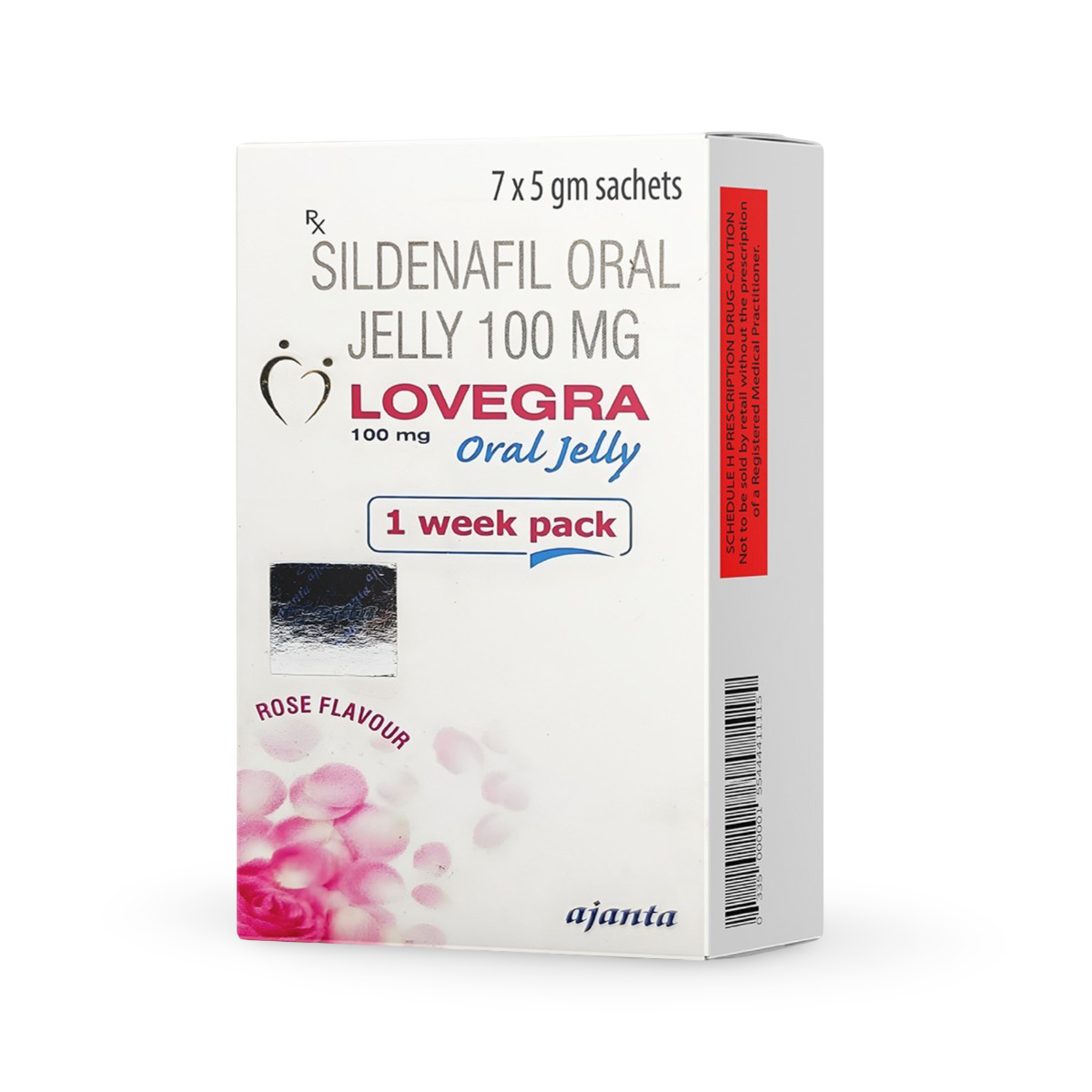
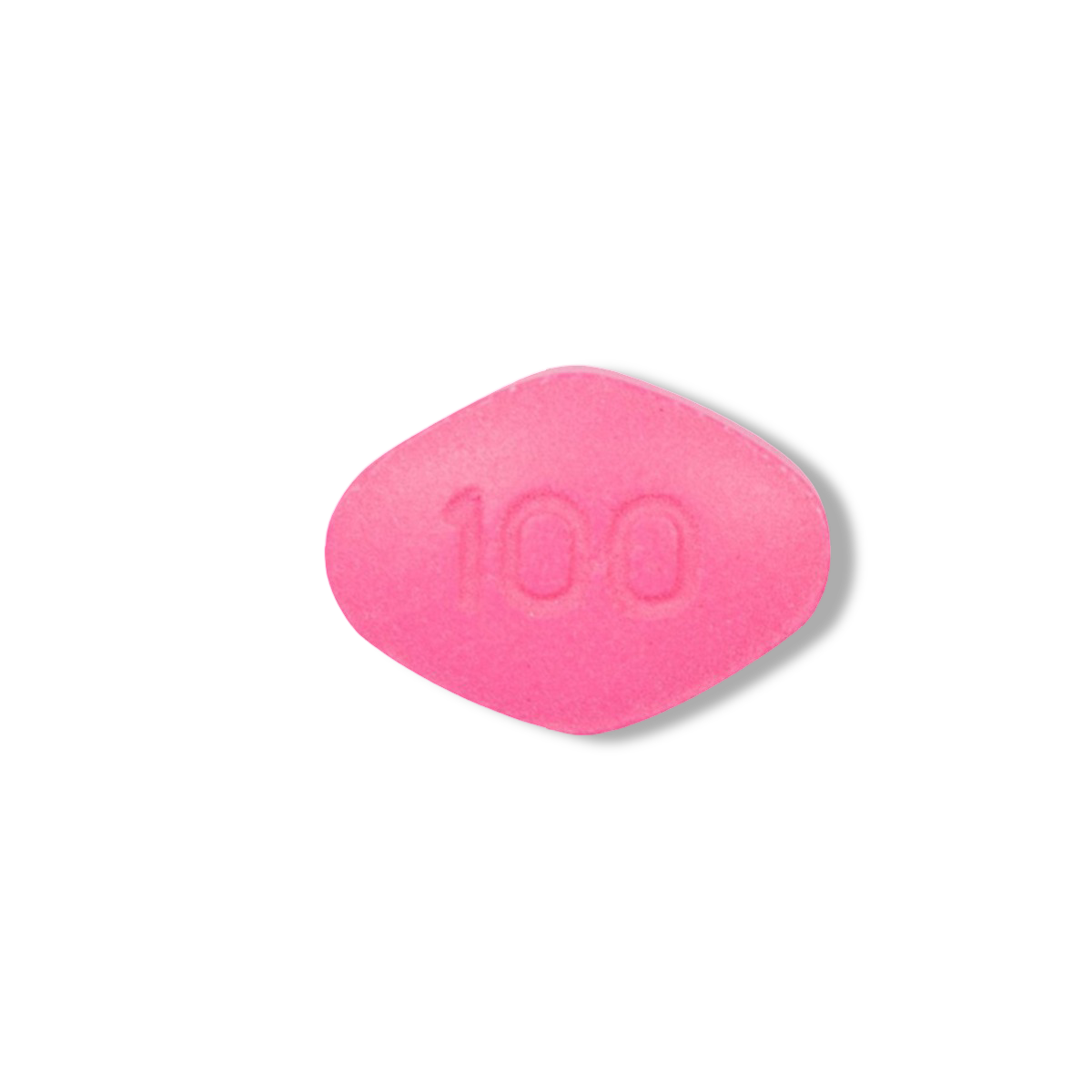
- Seek proper evaluation if symptoms persist: If low libido continues despite adjustments, seek medical evaluation. A qualified healthcare professional can help identify underlying causes and suggest appropriate changes to improve libido. If sexual dysfunction is present, they can prescribe approved medicines like Flibanserin (Addyi) or Sildenafil medicines like Lovegra off-label to boost libido.

Conclusion
Birth control can decrease libido in some individuals, primarily due to hormonal changes that affect sexual drive, arousal, and emotional well-being. By altering levels of estrogen and testosterone, hormonal contraceptives can reduce natural lubrication, lower sensitivity, and influence mood and brain signals linked to pleasure.
However, this effect does not occur in everyone and can vary based on the type of contraceptive and individual response. In many cases, low libido can be managed through simple steps such as using lubricants, improving lifestyle habits, enhancing intimacy, and maintaining open communication with a partner.
Additionally, switching to a different hormonal method or considering non-hormonal options like condoms or copper IUDs under medical guidance can help restore libido. If symptoms persist, seeking professional medical advice is important to identify underlying causes and ensure both effective contraception and overall sexual well-being are maintained.
Frequently Asked Questions
How long does it take for libido to return after stopping birth control?
Libido usually begins to improve within a few weeks after stopping birth control as hormone levels start to normalize. However, in some individuals, it can take up to 3 months, depending on the type of contraceptive used and individual hormonal recovery.
What happens when you come off the pill after a long time?
When you stop taking birth control pills, natural hormone production gradually resumes. Menstrual cycles may take a few weeks to months to normalize. During this time, you can notice side effects like acne, irregular periods, and mood swings. These usually resolve once the body adjusts and hormonal balance is restored.
Can libido-boosting medicines be used with birth control?
Caution and medical consultation are required when combining libido medicines with hormonal birth control. Flibanserin can have increased absorption when used with hormonal contraceptives, which raises the risk of side effects like low blood pressure. Bremelanotide can reduce the effectiveness of hormonal birth control, increasing the risk of unintended pregnancy.
Can birth control increase libido?
No, birth control usually does not increase libido. However, some women can notice improved sexual drive due to reduced anxiety about unintended pregnancy or relief from symptoms like painful periods, which can make intimacy more comfortable.
Citations
GoodRxMedicine only refers to credible, authoritative sources for our content. If you're curious about how we ensure the integrity of our content, we encourage you to read our Content Information Policy.
How useful was this post?
Click on a star to rate it!
No votes so far! Be the first to rate this post.
Julian Carter is a highly accomplished MBA graduate in Pharmaceutical Management, celebrated for his extensive experience and exceptional skills in the pharmaceutical industry. With a wealth of knowledge and expertise, Julian is a valuable contributor to the field and a trusted voice in pharmaceutical management. As a contributing writer for Goodrxmedicine.com, Julian is committed to educating and empowering individuals to make informed decisions about their health. His passion for the industry is evident in his work, and his dedication to improving the lives of others through education and empowerment is truly remarkable. With a reputation for excellence and a track record of success, Julian Carter is a respected and admired figure in pharmaceutical management. His insights and contributions to the field are highly valued, and his expertise has helped shape the direction of the industry for the better. Through his work as a contributing writer for Goodrxmedicine.com and beyond, Julian continues to make a meaningful impact in the lives of many. His commitment to excellence and dedication to improving the health of individuals and communities around the world make him an inspiration to others in the field.
Learn MoreDr. James Mitchell is a board-certified physician with 18+ years of clinical experience in Sexual Medicine and Reproductive Health. He helps patients navigate intimate health concerns through medically sound guidance and compassionate, patient-centered care.
Learn More