


Are you continuously exhausted, lacking motivation, or experiencing a decrease in sex drive? These might be more than just indicators of aging; they could indicate Low Testosterone. Low Testosterone (Low T) is a condition that affects millions of men or Assigned Males at Birth (AMABs), particularly those over 30. It is frequently overlooked or misunderstood.
Testosterone is more than muscle and masculinity; it is also necessary for energy levels, mood, sexual function, and general health. Symptoms may appear gradually when levels decline, affecting your confidence, relationships, and quality of life.
The good news is that these symptoms are controllable once diagnosed. In this article, we’ll examine the most common Low Testosterone symptoms and discuss potential treatments that might help restore balance and vitality.
Common Low Testosterone symptoms
Symptoms of Low Testosterone vary in severity and presentation based on the individual, age, and underlying reason. Let’s discuss the common effects of Low Testosterone in men and women or Assigned Females at Birth (AFABs) separately.
Save up to 90% on your medicine bills
Symptoms of Low Testosterone in men
The following are some commonly reported symptoms of Low Testosterone in men:
- Reduced sex drive (Libido): One of the most prevalent and indicative signs of Low Testosterone levels in men is a significant and long-term decline in sexual desire.
- Erectile Dysfunction (ED): Erectile Dysfunction or difficulty in getting or keeping an erection is another common symptom of Low Testosterone. While there are several reasons for ED, Low Testosterone can play a role, especially when combined with low libido.
- Loss of body and facial hair: Testosterone affects hair growth patterns. A notable thinning or loss of beard and body hair may indicate low levels of Testosterone.
- Reduced lean muscle mass and strength: Even with regular exercise, men with Low T may fail to gain or retain muscle, resulting in a loss of overall physical strength and endurance.
- Shrinking testicles: A decrease in testicle size unrelated to temperature fluctuations might be a direct sign of Low T.
- Low or zero sperm count (Azoospermia/Oligospermia): Low or zero sperm count could be directly or indirectly linked to Low T levels. Since Testosterone encourages sperm formation, this might cause male infertility.
- Hot flashes: Similar to menopausal symptoms in women, men with very Low Testosterone can experience hot flashes.
- Reduced bone density (Osteoporosis): Low Testosterone levels can gradually weaken bones, increasing the risk of fracture.
- Increased body fat: It can increase the probability of gaining weight, particularly around the belly, as well as a rise in general body fat, which may be accompanied by the growth of breast tissue (Gynecomastia).
- Fatigue and low energy levels: Men with Low T levels have been reported to experience consistent fatigue, even after enough rest, and an overall lack of energy.
Symptoms of Low Testosterone in women
Although women produce significantly less Testosterone than males, it is still essential for their health. Symptoms of Low Testosterone in women can be mild and frequently overlap with other disorders, such as low Estrogen levels, particularly during and after Menopause. Commonly reported symptoms are:
- Reduced libido (low sex drive): Low libido is one of the most prevalent symptoms and has a significant impact on a woman’s sexual satisfaction.
- Fatigue and low energy levels: Women, like men, may feel persistent exhaustion and lack energy.
- Mood changes: This might include irritability, Anxiety, Depression, and a general feeling of unhappiness or lack of enjoyment in activities previously found pleasurable.
- Difficulty concentrating and memory problems: Known as brain fog, women may have difficulty focusing, remembering things, or declining mental abilities.
- Muscle weakness and loss of muscle mass: Women may experience a loss of strength; however, it is less noticeable than in males.
- Thinning hair: Low T levels in women can lead to a general thinning or loss of hair.
- Dry skin: Some women with Low T levels may experience drier skin.
- Vaginal dryness: Vaginal dryness is a symptom typically worsened by decreased Estrogen levels after Menopause. However, it can sometimes be associated with Low T.
- Irregular menstruation cycles: In premenopausal women, Low Testosterone levels can cause hormonal abnormalities that disrupt the regularity of menstruation.
How to fix Low Testosterone?
Low Testosterone levels are treated with a combination of medical assistance, lifestyle adjustments, natural supplements, and continued monitoring to restore hormonal balance and enhance quality of life.
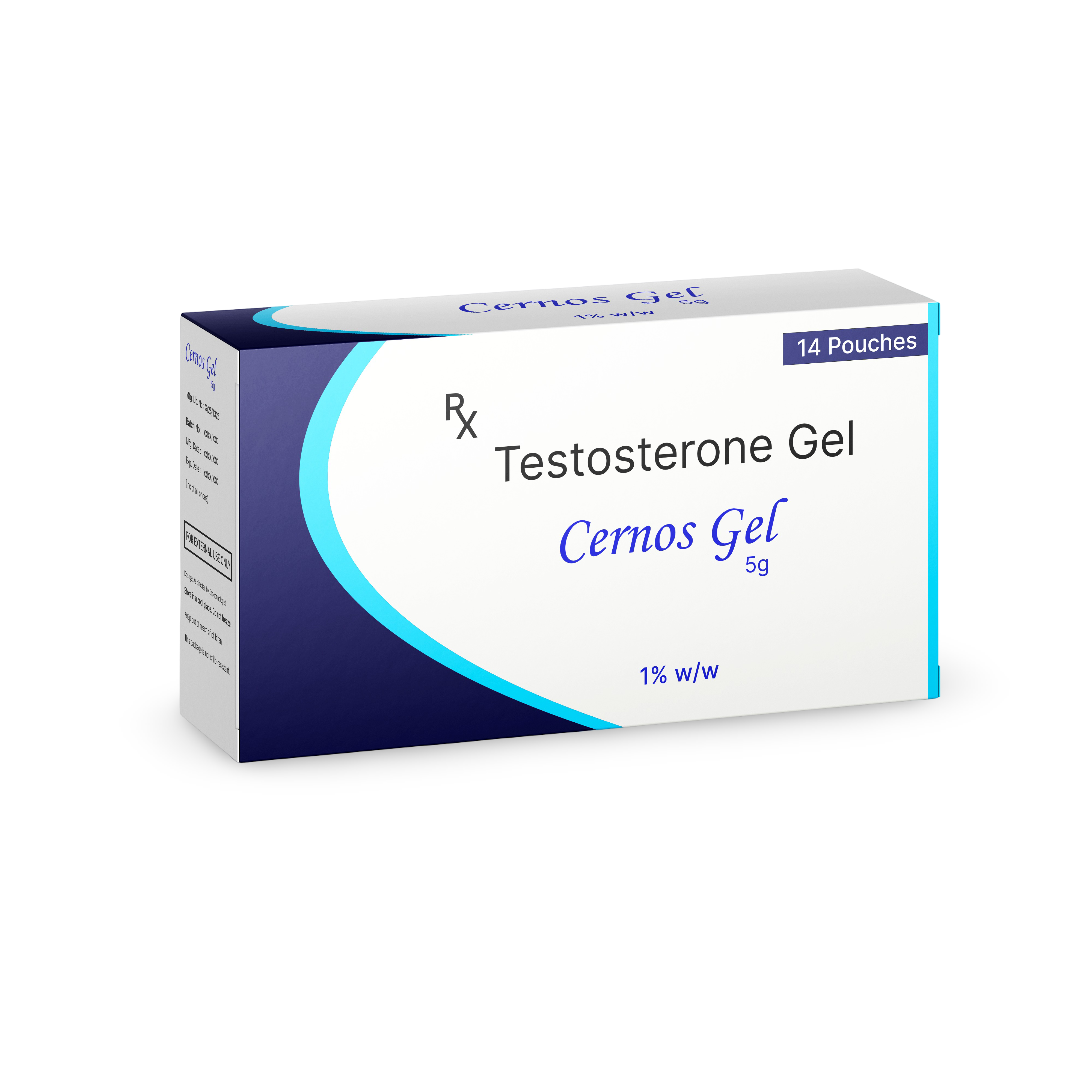
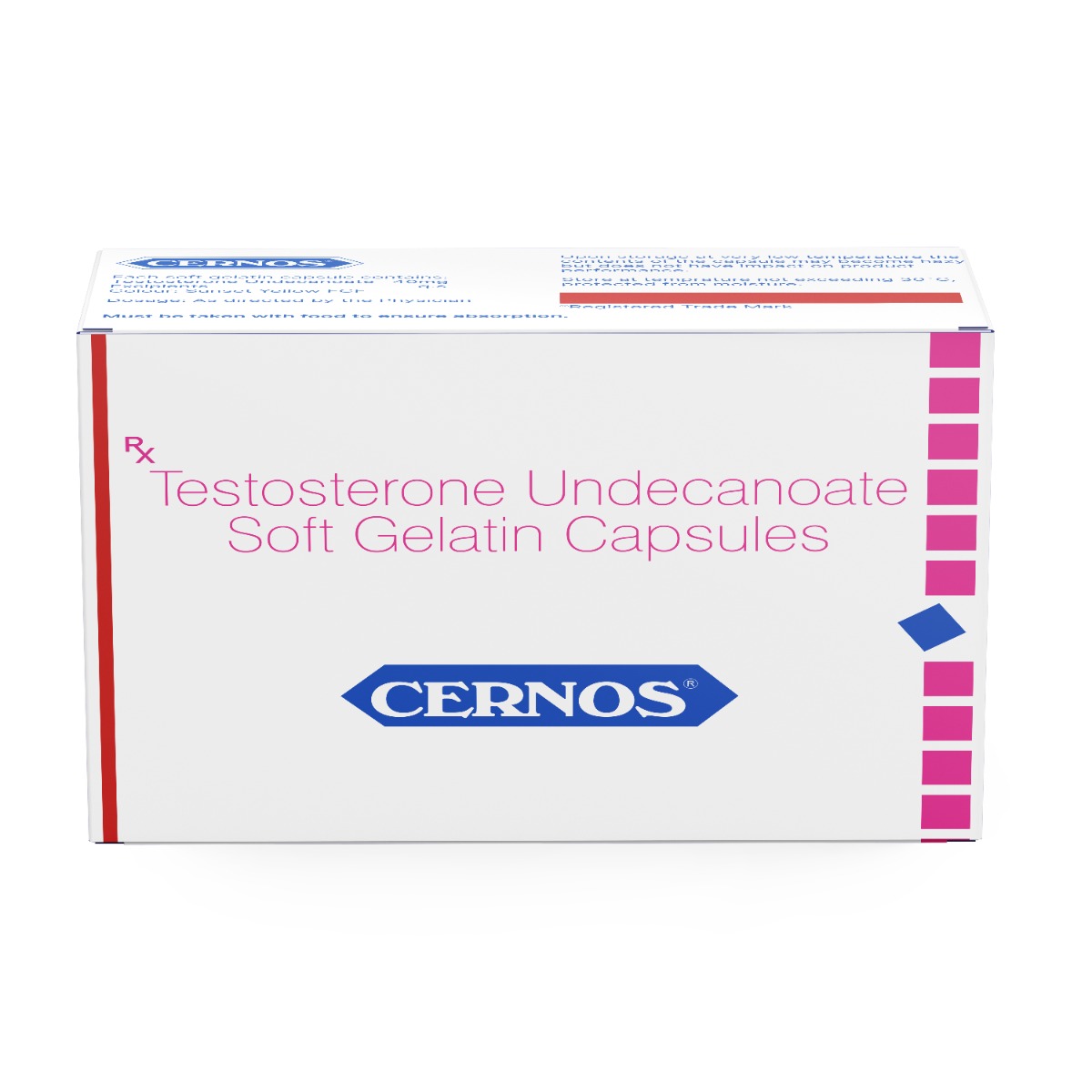
- Medical treatment: Testosterone Replacement Therapy (TRT), and other medications like Clomiphene Citrate, Aromatase inhibitor, and Human Chorionic Gonadotropin (hCG) are usually employed to overcome Low Testosterone symptoms. As per an article published by the journal Reproductive Biology and Endocrinology in 2011, Aromatase inhibitors are effective in boosting Testosterone levels in men with Low T.
- Lifestyle changes: Besides medical treatment, lifestyle changes can help restore normal Testosterone levels. These often include excess body fat reduction, proper sleep, a healthy diet, regular exercise, stress management, and underlying diseases treatment.
- Natural supplements: When paired with a healthy lifestyle, various natural supplements, such as Fenugreek and Ashwagandha, can help increase Testosterone levels. However, it is advisable to contact a doctor before trying any supplements.
Conclusion
Understanding the Low Testosterone symptoms is essential for overall well-being of men and women. Low Testosterone (low T) can significantly impact many aspects of life, including lower libido and fatigue, mood fluctuations, and diminished muscle mass. Many men and women disregard these changes as a natural part of aging.
Still, untreated Low Testosterone can lead to more significant health problems, such as Osteoporosis and reduced hair. However, the good news is that Low Testosterone can be diagnosed and treated. With adequate medical examination, lifestyle changes, and, if necessary, hormone therapy, individuals can restore energy, improve mood, and improve their general quality of life.
If you are suffering from chronic symptoms, do not ignore them; instead, consult a medical professional for timely management.

Frequently Asked Questions
Does masturbation cause Low Testosterone?
No, masturbating does not result in Low Testosterone. While Testosterone levels may vary briefly during ejaculation, they rapidly revert to normal. Regular masturbation has no long-term harmful impact on Testosterone production or hormonal balance.
How to lower red blood cell count while on Testosterone?
To reduce red blood cell count while using Testosterone, consider lowering the dosage, altering delivery methods (from injections to gels), staying hydrated, and donating blood regularly. Always consult your doctor before making any changes.
Can Low Testosterone (low T) affect body temperature regulation?
Yes, low T can disturb the hypothalamus, which regulates body temperature. This imbalance can cause night sweats, cold intolerance, and abrupt hot feelings, which are frequently misdiagnosed as Thyroid or menopausal disorders.
How does low T affect dreams and Rapid Eye Movement (REM) sleep?
Low Testosterone levels can disrupt REM sleep, diminishing dream vividness and frequency. Testosterone regulates sleep cycles, and a lack of Testosterone can result in poor sleep quality, disturbed dreams, Insomnia, or frequent overnight awakenings.
Does low T affect body odor?
Yes. Testosterone affects sweat gland activity and the bacterial composition of the skin. Reduced Testosterone can cause minor changes in body odor due to less active apocrine glands, resulting in a less musky or masculine body fragrance and increased skin dryness.
Citations
GoodRxMedicine only refers to credible, authoritative sources for our content. If you're curious about how we ensure the integrity of our content, we encourage you to read our Content Information Policy.
Average rating 4.9 / 5
How useful was this post?
Click on a star to rate it!
Julian Carter is a highly accomplished MBA graduate in Pharmaceutical Management, celebrated for his extensive experience and exceptional skills in the pharmaceutical industry. With a wealth of knowledge and expertise, Julian is a valuable contributor to the field and a trusted voice in pharmaceutical management. As a contributing writer for Goodrxmedicine.com, Julian is committed to educating and empowering individuals to make informed decisions about their health. His passion for the industry is evident in his work, and his dedication to improving the lives of others through education and empowerment is truly remarkable. With a reputation for excellence and a track record of success, Julian Carter is a respected and admired figure in pharmaceutical management. His insights and contributions to the field are highly valued, and his expertise has helped shape the direction of the industry for the better. Through his work as a contributing writer for Goodrxmedicine.com and beyond, Julian continues to make a meaningful impact in the lives of many. His commitment to excellence and dedication to improving the health of individuals and communities around the world make him an inspiration to others in the field.
Learn MoreDr. James Mitchell is a board-certified physician with 18+ years of clinical experience in Sexual Medicine and Reproductive Health. He helps patients navigate intimate health concerns through medically sound guidance and compassionate, patient-centered care.
Learn More