



High testosterone levels in a woman occur when the levels rise above the normal range. Although testosterone is primarily associated with being an androgen or a male hormone, Assigned Females At Birth also produce it naturally (15-70 ng/dL) to support muscle strength, bone density, libido, and overall well-being.
When the value crosses the usual levels, the condition is known as Hyperandrogenism. It can affect your physical appearance, menstrual regularity, skin health, fertility, and emotional balance. So, no need to panic or grab that pregnancy kit just yet. Such hormonal imbalances are easily manageable with early diagnosis and a personalized approach.
Treating this condition involves lifestyle strategies such as following a low-glycemic diet, maintaining a healthy weight and improving sleep patterns. Additionally, medicines like oral contraceptives and anti-androgens may be prescribed. This blog will discuss how to treat high testosterone in a woman naturally, as well as with the help of supplements and medication.
How to treat High Testosterone in a woman naturally
To diagnose and treat the condition clinically, doctors will first assess both visible symptoms and blood tests that measure testosterone. If the levels are not too high, they will likely recommend lifestyle modifications such as a healthy diet, a consistent sleep schedule and regular exercise. Otherwise, they will prescribe medications if necessary.
Save up to 90% on your medicine bills
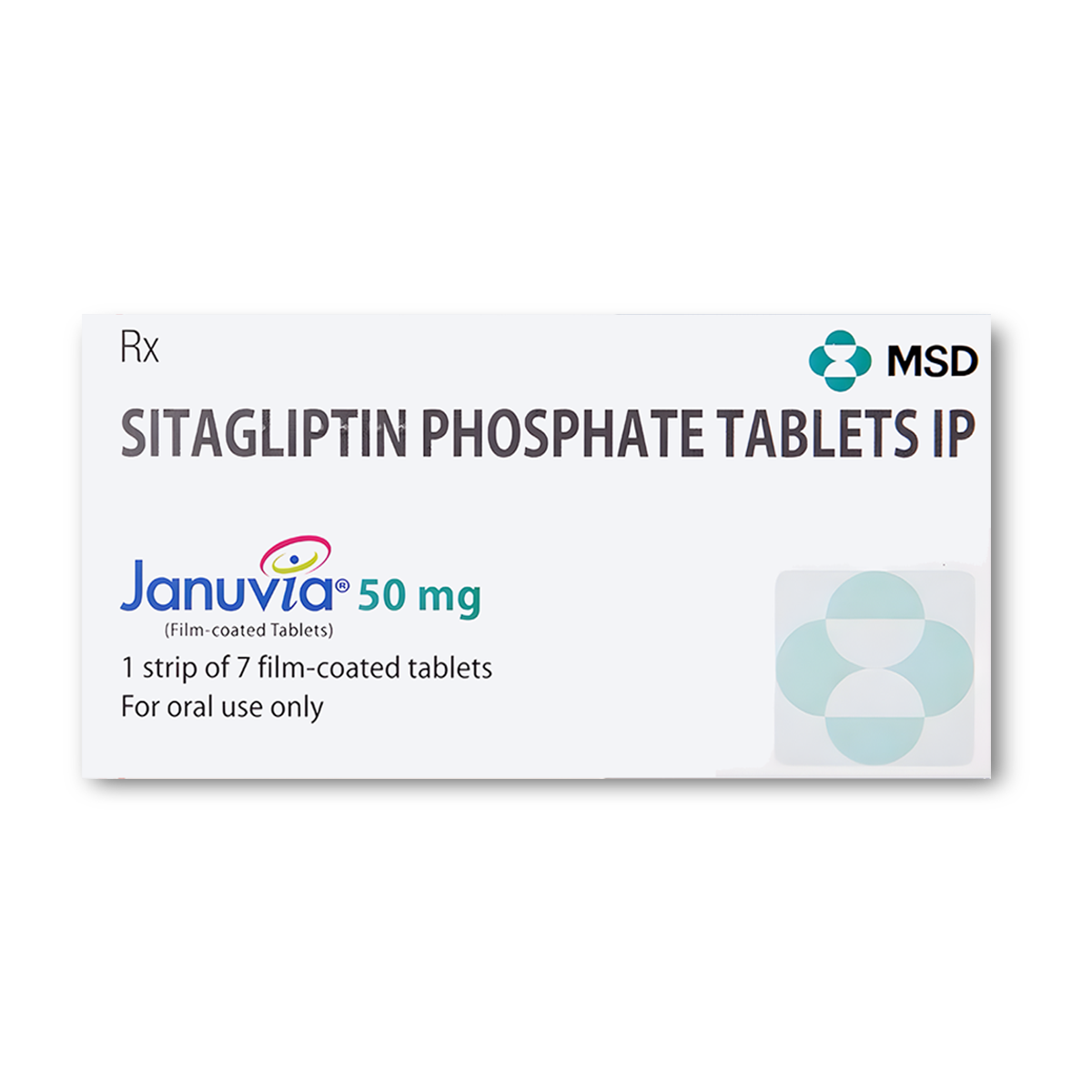
Januvia 50 mg
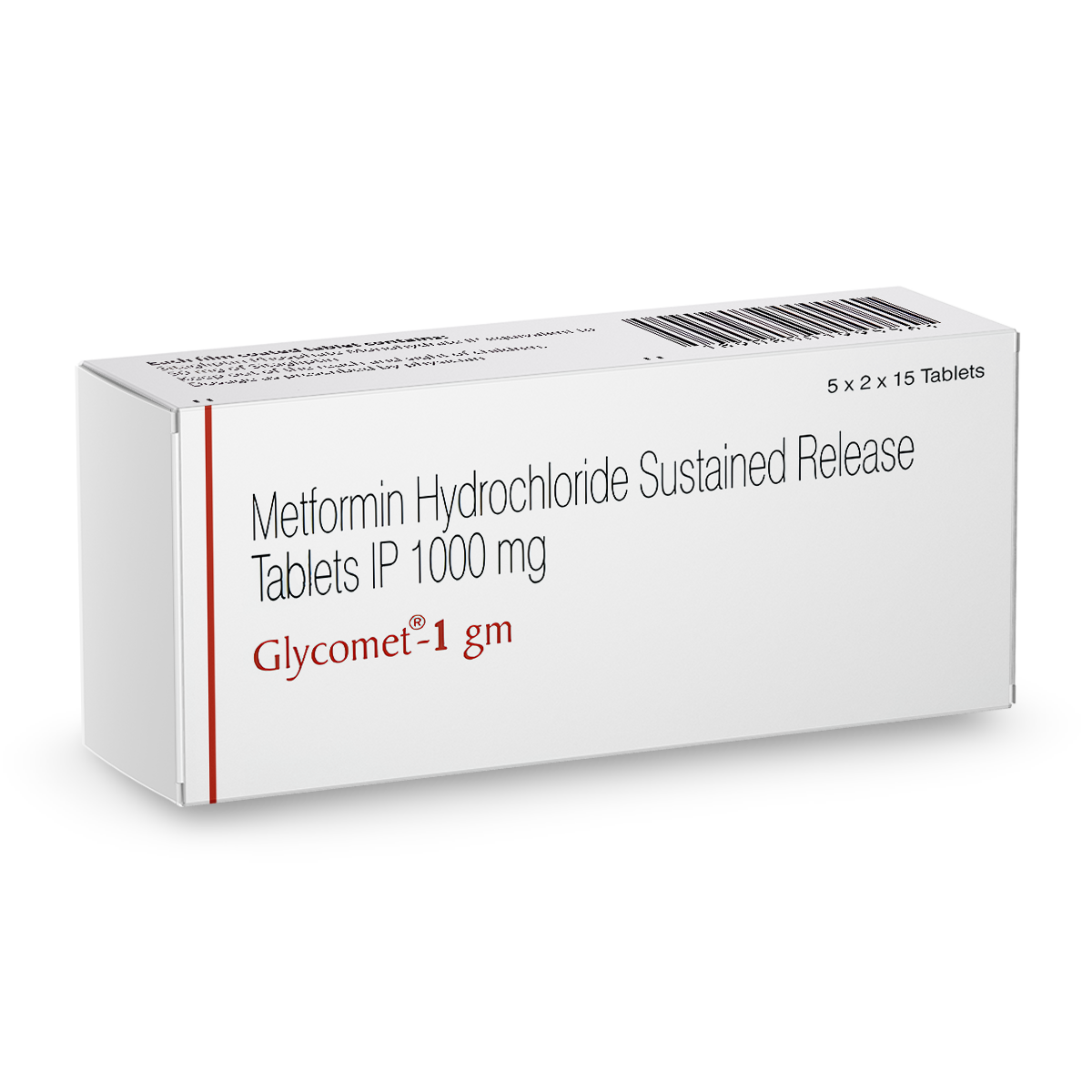
Glycomet 1000 mg
Starting at just $0.09 per tabletBuy Now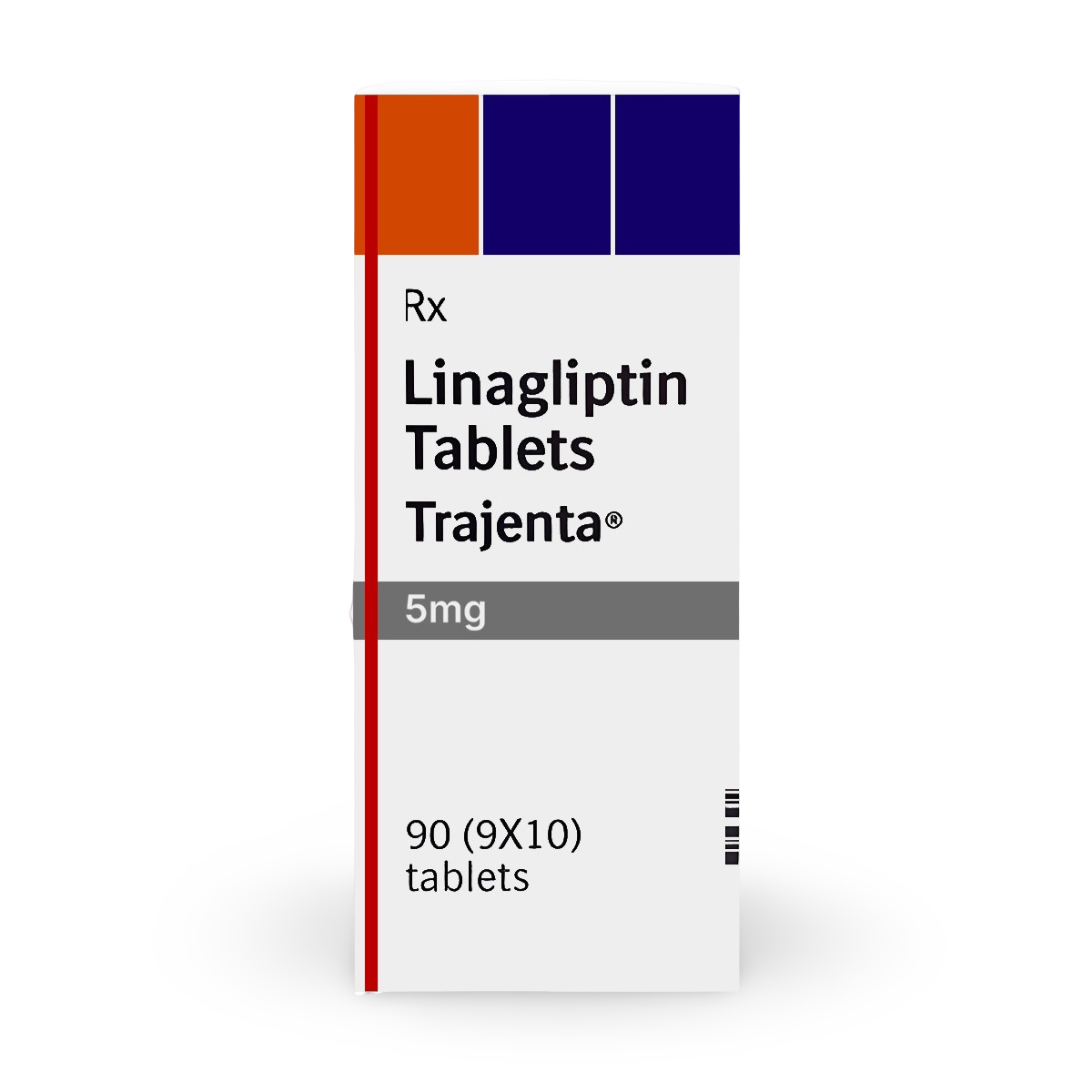
Trajenta 5 mg
Starting at just $1.02 per tabletBuy Now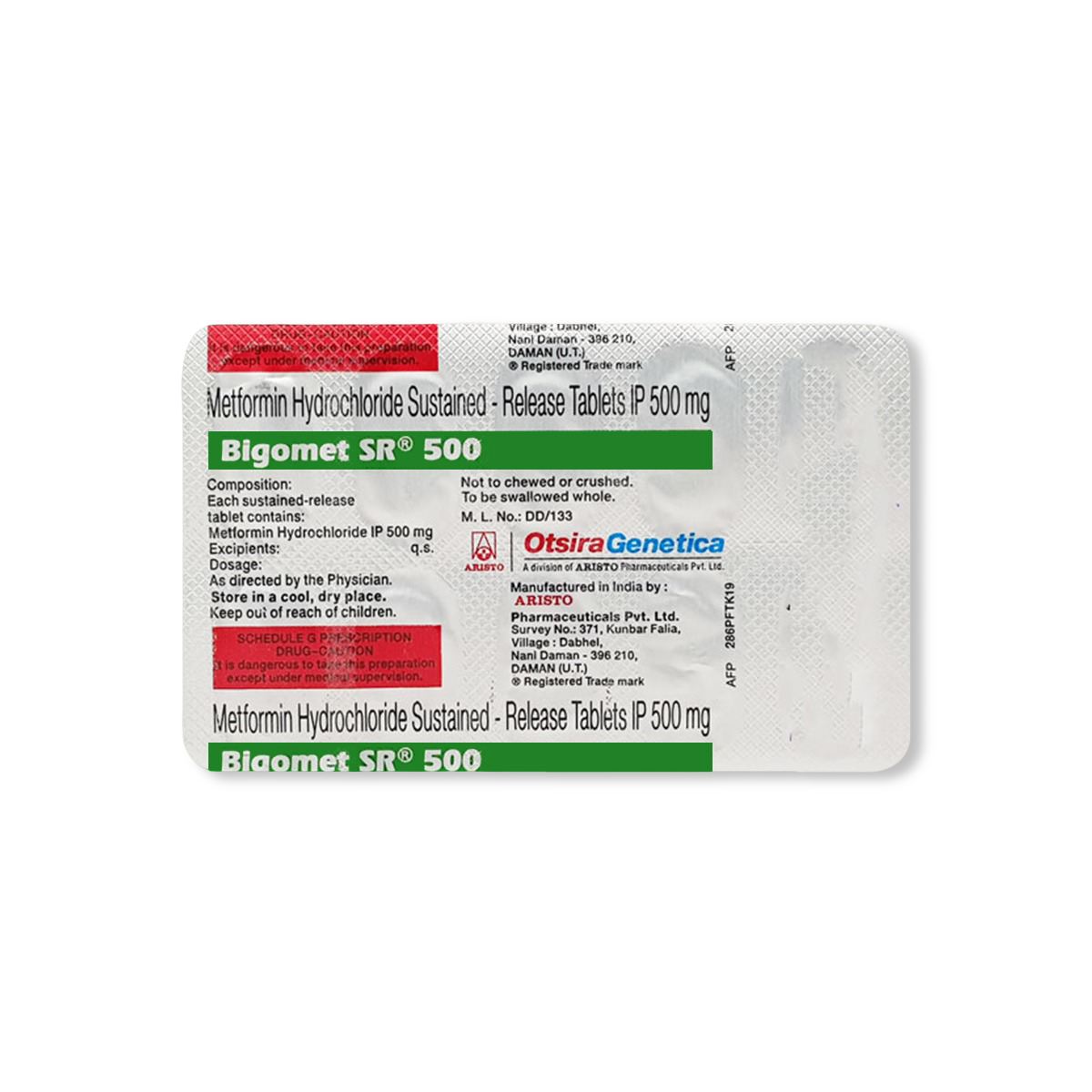
Bigomet 500 Mg Tablet
Starting at just $0.15 per tabletBuy Now1. Maintain a healthy weight and insulin levels
Since high insulin levels stimulate the ovaries to release more testosterone, eating balanced meals and exercising can help improve insulin sensitivity. Moreover, maintaining a healthy weight will help manage high testosterone levels naturally. To do so,
- Eat more cruciferous vegetables: Broccoli, kale, cauliflower, and Brussels sprouts contain diindolylmethane (DIM). This compound helps metabolize excess hormones and balances the female hormone estrogen.
- Engage in regular moderate exercise: Brisk walking, swimming, or cycling regularly helps maintain a healthy weight while reducing androgen production.
2. Manage stress and get proper sleep
Chronic stress raises cortisol, a hormone that directly influences androgen production, which can worsen acne, hair fall, and irregular periods. Since a well-rested body produces more stable and predictable levels, begin to:
- Maintain a consistent sleep schedule.
- Aim for 7-8 hours of restful sleep.
- Reduce screentime before bed.
- Avoid heavy meals late in the evening for better sleep quality.
- Practice yoga, meditation, or deep breathing for 10-15 minutes daily.
3. Try herbal remedies
Certain herbs and nutrients naturally support hormone regulation. They are not quick fixes, but with consistent use, you can see improvements in your skin and menstrual cycle irregularity.
- Spearmint tea: A human study found that women who had spearmint tea twice a day for 30 days had significantly reduced levels of both free and total testosterone.
- Saw palmetto: It blocks the enzyme responsible for converting testosterone to Dihydrotestosterone or DHT, the more potent androgen linked to acne and hair growth.
- Vitex (Chasteberry): It helps regulate Luteinizing Hormone (LH) production from the pituitary gland. This key hormone for reproductive health can indirectly lower testosterone levels and improve cycle regularity in women.
- Shatavari: Just like Ashwagandha, this Ayurvedic herb is widely recognized for supporting reproductive health and reducing stress.
Since these herbs impact hormone levels, consult your doctor for safe usage and dosage guidelines.
How to treat High Testosterone in a woman with medication
If natural or lifestyle-based approaches do not provide sufficient improvement, it is important to consult a doctor for further evaluation. Your endocrinologist or gynecologist will assess hormone levels, metabolic markers, and menstrual history to identify the underlying cause of elevated testosterone.
Based on these findings, they may recommend prescription medications. Some commonly prescribed options include:
1. Oral contraceptives
Clinical studies confirm that oral contraceptives are the first-line treatment for Hirsutism (male pattern facial hair) or androgen-related acne when pregnancy is not desired. This is because birth control pills help lower free testosterone levels. Hence, you may be prescribed Norgestimate, Desogestrel or Gestodene.
2. Anti-androgens
As the name suggests, these medications directly block androgen receptors and inhibit testosterone conversion. Some standard options to reduce androgens in females include Spironolactone, Finasteride (Finpecia 1 mg), and Cyproterone acetate (often prescribed in combination with estrogen).
3. Glucocorticosteroids
These are given when the adrenal glands produce excess testosterone (like in Congenital Adrenal Hyperplasia). These medications help suppress androgen production and regulate key metabolic functions.
4. Insulin-sensitizing medications
Medications like Metformin help lower insulin levels, which in turn reduces excess testosterone in women with Polycystic Ovary Syndrome or PCOS-related insulin resistance. However, it is not recommended solely for acne, hair growth, or irregular periods unless insulin resistance is confirmed.
5. Supplements and OTC options
In addition to prescription medications, several over-the-counter supplements help support female hormone balance and treat high free testosterone levels in a woman.
- N-Acetyl Cysteine and Myo-Inositol: They improve insulin sensitivity, which helps reduce ovarian androgen production. This is especially helpful for women with PCOS.
- Vitamin D, E and B12: These vitamins lower testosterone in females and support ovarian function by reducing inflammation and insulin resistance.
- Vitamin B6: It assists in breaking down homocysteine, a compound that can disrupt hormone balance at elevated levels.
- Magnesium: This mineral enhances sleep quality and reduces insulin resistance, both of which are important for maintaining hormonal balance.
- Zinc: Zinc plays a role in reducing androgen activity by interfering with testosterone signaling. Moreover, it supports clearer skin by reducing acne and other hyperandrogenic symptoms.
How to manage symptoms of Hyperandrogenism
High Testosterone in women can affect the skin, hair, and menstrual cycle in ways that may feel frustrating and can lead to self-image issues. However, with the right combination of medical treatment and lifestyle adjustments, it is possible to manage all symptoms effectively.
- Short-term options for removing coarse, dark hair growth include shaving, waxing, or threading. You can also try bleaching to lighten fine facial hair.
- You can apply Eflornithine cream to slow the growth of new facial hair.
- You can try at-home skincare tips like using oil-free products, avoiding harsh scrubs, and cleansing your face twice daily with gentle, acne-friendly formulas.
- For acne, use topical treatments such as Benzoyl Peroxide, Retinoids and Salicylic acid-based cleansers.
- If needed, doctors might prescribe you oral antibiotics such as tetracycline or doxycycline (Doxrid 100 mg) for moderate to severe acne.
- For irregular periods, you might be advised hormonal birth control pills, healthy weight management or Progestin hormone therapy.
How to monitor improvement in testosterone levels
Roughly 5-10% of women are affected with Hyperandrogenism globally, most commonly due to PCOS. And, since hormones change gradually, most therapies take 8 to 12 weeks to show visible improvement.
Doctors thus typically recommend to:
- Repeat blood tests for testosterone and thyroid levels every 3 to 6 months.
- Monitor menstrual regularity.
- Track improvements in acne, hair growth, and mood.
- Adjust doses based on side effects or symptom response.
Conclusion
High testosterone levels in women are common and are often caused by PCOS, thyroid imbalances, or insulin resistance. You can identify it by its characteristic symptoms, including acne, excessive hair growth, and irregular menstrual periods. But, do not delay clinical diagnosis or follow-ups, as it can often lead to Type 2 Diabetes.
This condition, known as Hyperandrogenism, is highly treatable. How to treat High Testosterone in a woman is determined by either a gynecologist or an endocrinologist based on hormone testing. Lifestyle changes such as maintaining a healthy weight, eating cruciferous vegetables, and practicing stress reduction will form the foundation of long-term hormonal balance.
For persistent or severe symptoms, oral contraceptives, anti-androgens like Spironolactone or Finasteride, and insulin-sensitizing agents like Metformin are prescribed to regulate hormones. Regular follow-ups, hormone testing every 3 to 6 months, and consistent adherence to your treatment plan will be key to improving menstrual health, skin clarity, and emotional well-being.

Frequently Asked Questions
What is considered high testosterone in women?
A testosterone level above 70 ng/dL (nanograms per decilitre) is generally considered high for women. Doctors confirm this through blood tests measuring the same. Never ignore the potential risks of high testosterone levels, as they could result in Type 2 Diabetes.
How do you know if your testosterone is too high?
If your testosterone levels are high, you may notice signs such as acne, excessive facial or body hair, thinning scalp hair and oily skin. You may also experience irregular periods, obesity, deepening of voice and mood swings.
Does High Testosterone make you tired or sleepy?
Yes, High Testosterone can cause tiredness or daytime sleepiness because it disrupts insulin balance, thyroid function, and sleep patterns. Many women with PCOS or adrenal-related androgen excess report persistent fatigue.
What are the mental effects of High Testosterone?
High Testosterone in a woman may cause Anxiety, mood swings, low motivation, or difficulty concentrating. In men, elevated testosterone is often linked to increased irritability, risk-taking behaviors, and aggression, referred to as steroid rage.
When is testosterone highest in females?
Female testosterone levels are the highest around ovulation, that is, days 12-15 of their menstrual cycle. After ovulation, testosterone levels gradually decline during the luteal phase, the days leading up to their period.
Is Low Testosterone also an issue in women?
Yes, Low Testosterone is indeed an issue in women too, as it affects their overall sexual and metabolic health. It can lead to low libido, fatigue, reduced muscle tone, and poor energy. Women under 50 with levels below 25 ng/dL are considered to be suffering from Low-T.
GoodRxMedicine only refers to credible, authoritative sources for our content. If you're curious about how we ensure the integrity of our content, we encourage you to read our Content Information Policy.

Julian Carter is a highly accomplished MBA graduate in Pharmaceutical Management, celebrated for his extensive experience and exceptional skills in the pharmaceutical industry. With a wealth of knowledge and expertise, Julian is a valuable contributor to the field and a trusted voice in pharmaceutical management.
As a contributing writer for Goodrxmedicine.com, Julian is committed to educating and empowering individuals to make informed decisions about their health. His passion for the industry is evident in his work, and his dedication to improving the lives of others through education and empowerment is truly remarkable.
With a reputation for excellence and a track record of success, Julian Carter is a respected and admired figure in pharmaceutical management. His insights and contributions to the field are highly valued, and her expertise has helped shape the direction of the industry for the better.
Through his work as a contributing writer for Goodrxmedicine.com and beyond, Julian continues to make a meaningful impact in the lives of many. His commitment to excellence and dedication to improving the health of individuals and communities around the world make him an inspiration to others in the field.