




Coffee and Viagra are used for very different purposes. Coffee provides a quick energy boost by stimulating the nervous system, while Viagra is a prescription medication used to treat Erectile Dysfunction (ED) by improving blood flow to the penis. One helps you feel alert and awake; the other supports erectile function through its effects on blood vessels.
But what happens when they are taken together? At first glance, combining coffee’s stimulating effects with Viagra’s ability to enhance blood flow may seem harmless, or even beneficial. However, the interaction between the two is somewhat complex than it appears.
In general, taking coffee and Viagra together is not known to cause serious harm in healthy individuals. Still, in some cases, this combination can lead to undesirable effects. The most notable interaction is a potential decrease in blood pressure, alongside other indirect side effects that warrant careful consideration, which you will learn in this article.
Can I drink coffee and Viagra together?
Yes, you can generally drink coffee with Viagra. For most healthy men, moderate coffee consumption, such as 2-3 cups a day, is unlikely to interfere with Viagra’s effectiveness, and the combination is usually safe. Till now, there are no or minimal documented cases of known interactions between Viagra and coffee when taken together.
In fact, as per a study report published by the PLOS One journal in 2015, daily moderate caffeine use, especially 2-3 cups of coffee per day, lessens the probability of ED in males, particularly those who are overweight or obese and hypertensive (having High Blood Pressure).
But, if a person takes large amounts of coffee or has cardiac problems, uncontrolled blood pressure, or Anxiety, mixing the two could be risky. In such a condition, combining Viagra and coffee can affect your cardiovascular system and can lead to gastric issues; however, these are just potential effects that can vary among individuals.
Save up to 90% on your medicine bills

Siezta 100 Mg Sildenafil Oral Strips
Starting at just $1.60 per stripBuy Now
Cenforce 200 mg
Starting at just $0.84 per tabletBuy Now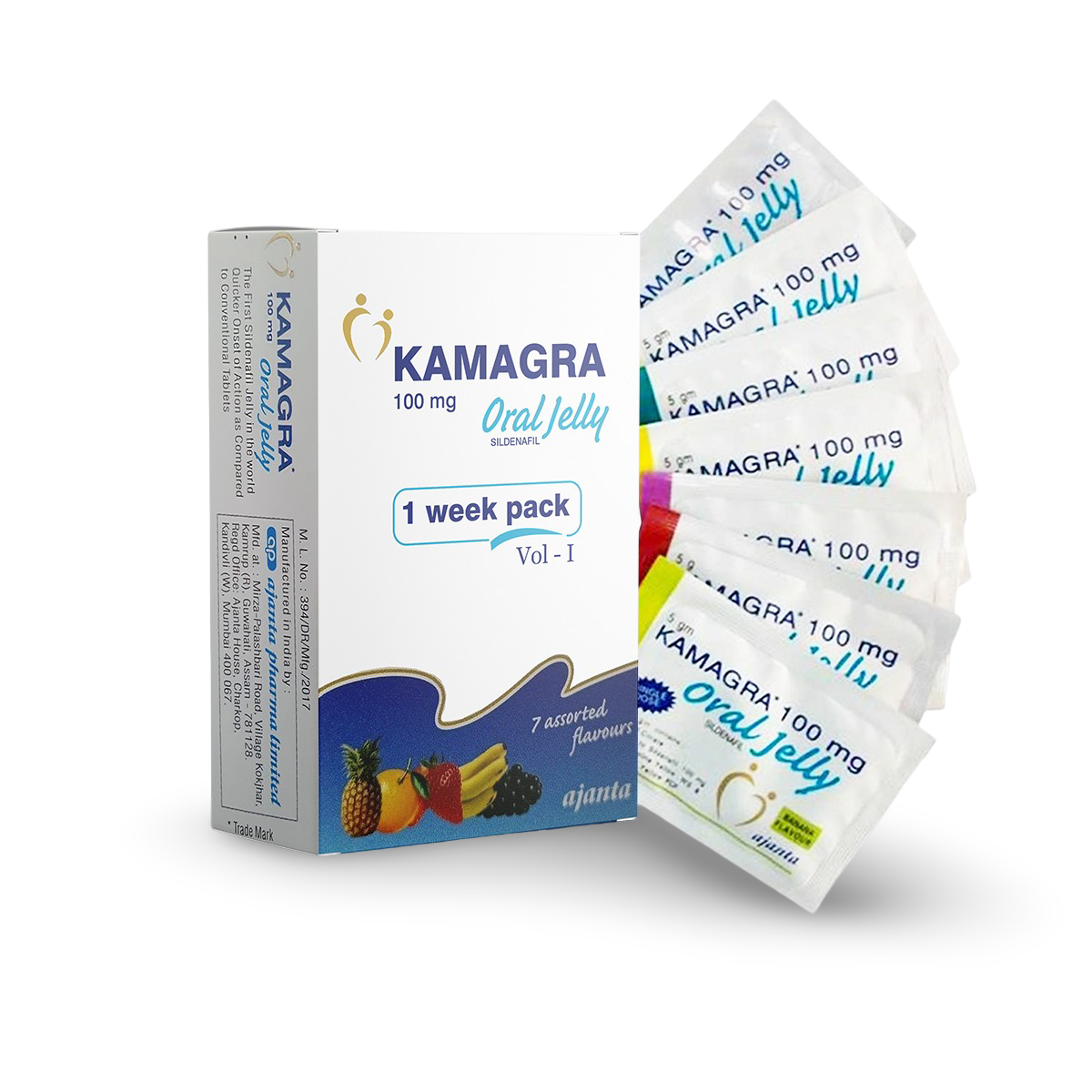
Kamagra Oral Jelly Rx 100 mg
Starting at just $13.12 per tabletBuy Now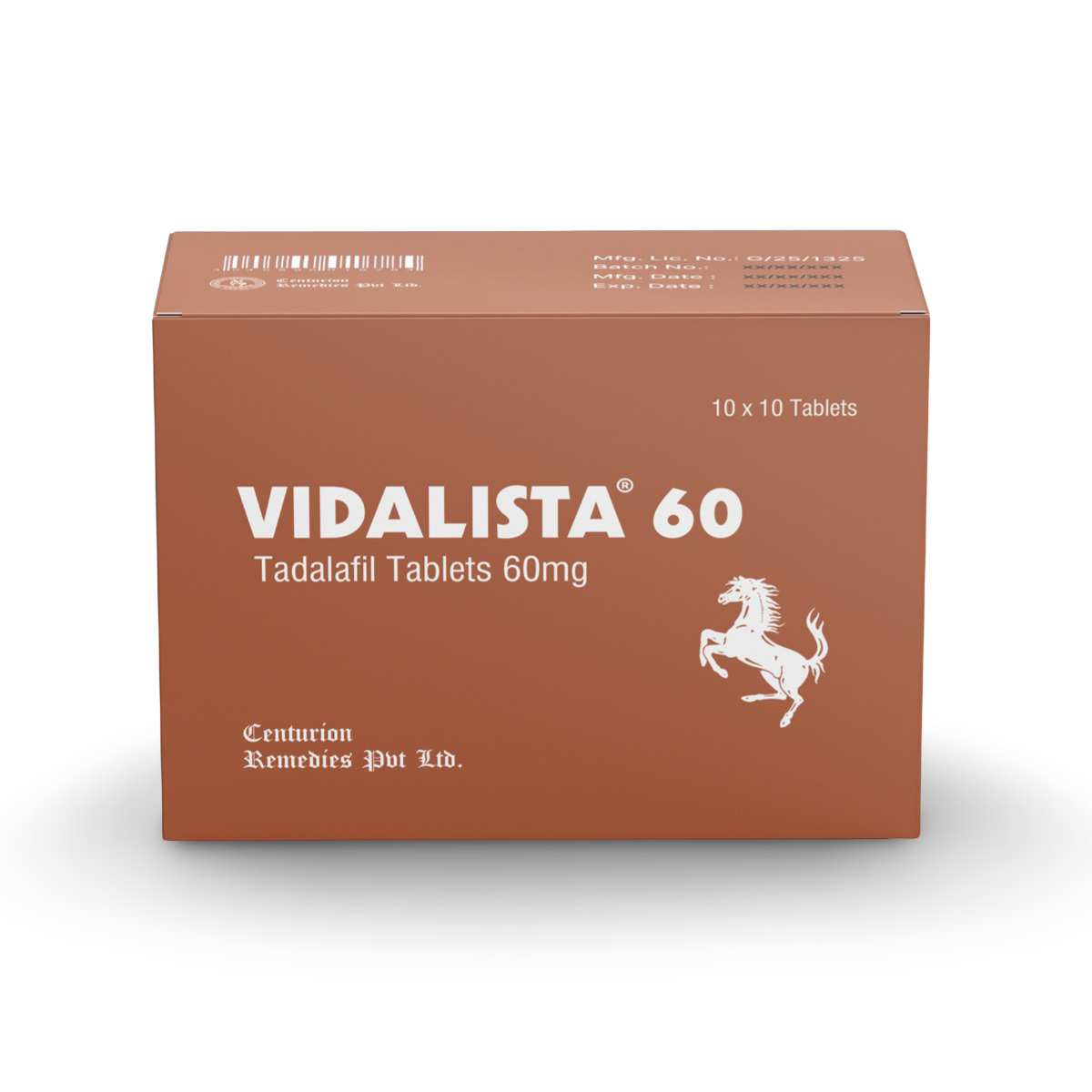
Vidalista 60 mg
Starting at just $0.91 per tabletBuy NowLet’s take a closer look at these effects of combining Viagra and coffee.
Cardiovascular effect
Although coffee and Viagra do not interact directly, they have opposing effects on the cardiovascular system. Caffeine stimulates the heart and temporarily elevates blood pressure, while Viagra relaxes blood vessels, slightly lowering blood pressure.
This push-pull impact can put a burden on the heart, particularly in men who are caffeine sensitive or have pre-existing issues. Excessive coffee intake can cause an irregular heartbeat, headaches, jitteriness, a rapid pulse, or moderate stress.
Gastric issues
Both coffee and Viagra can irritate the gastrointestinal system, and when taken together, the symptoms may be worsened. Coffee is naturally acidic and can stimulate the generation of stomach acid, which can cause heartburn, stomach discomfort, and overall gastric irritation.
As per a report published by the journal American Journal of Gastroenterology in 2018, Sildenafil, the active salt in Viagra and other PDE5 inhibitors, could cause Gastroesophageal Reflux Disease (GERD). It is a serious gastric condition that can lead to persistent heartburn, indigestion, and chest pain. However, the relationship between Sildenafil and GERD is only potential and requires further research.
Hence, taking both Viagra and coffee on an empty stomach could worsen symptoms, increasing the risk of nausea, bloating, and abdominal pain. To avoid these potential interactions, it is advisable to flag it to your healthcare provider about your coffee intake.
Best practices to safely drink coffee with Viagra
Having coffee with Viagra is usually safe for most males, but a little planning can help you prevent undesired side effects and get the greatest results. If you want to take both coffee and Viagra together, keep these safety tips in mind:
- Stay well hydrated: Drink a full glass of water for every cup of coffee you consume, especially if you plan on taking Viagra. Proper hydration promotes healthy blood flow and can help relieve headaches and dizziness.
- Pay attention to timing: Space out coffee and Viagra at least 60 minutes apart. This gives your body time to adjust and helps you better understand how each one affects you.
- Listen to your body: Some men are more caffeine-sensitive than others. If you experience symptoms such as jitteriness, fast heartbeat, dizziness, or acid reflux after taking coffee with Viagra, limit your caffeine consumption or avoid it entirely on days when you take Viagra or any other ED medication.
- Contact a healthcare provider: If you have any underlying health issues or are taking heart or blood pressure medicines, always consult your doctor before combining them to avoid potential health complications.
Other things to avoid while on Viagra
Viagra is an extremely effective treatment for Erectile Dysfunction, but certain foods, drinks, medications, and habits could inhibit its effectiveness or worsen adverse effects. Hence, apart from caffeine, avoiding the following while taking Viagra is essential for the safe and effective usage of the pill:
- Nitrates (heart medicines): Never take Viagra with nitrates, as it can lead to a severe reduction in blood pressure.
- Recreational poppers: Recreational poppers like amyl nitrite work similarly to nitrates and can be harmful when used with Viagra.
- Excessive drinking: Excessive alcohol intake (more than 1-2 drinks a day) suppresses erections and increases side effects, such as dizziness, fainting, and low blood pressure.
- Heavy or fatty meals: A heavy or fatty meal before taking Viagra can slow its absorption, exceeding its duration of action.
- Grapefruit or grapefruit juice: They can raise Viagra levels in the bloodstream, increasing the likelihood of adverse effects.
Conclusion
Coffee and Viagra can be an effective combination for many people, but the key to a safe and healthy experience lies in moderation and timing. Coffee boosts neurological alertness and increases blood pressure, while Viagra increases vascular blood flow and decreases blood pressure.
Although there is no such direct interaction documented between the two, combining Viagra and coffee can influence your blood pressure. Together, they can also lead to gastric distress and side effects like headaches and an irregular heartbeat. To reduce the possible interaction between Viagra and coffee, always stay hydrated and wait at least one hour between consumption.
Most essential, be aware of your body’s specific sensitivity to stimulants and avoid potentially harmful combinations such as nitrates or excessive alcohol. When taken appropriately and under medical supervision, you can get the benefits of both without risking your health.

Frequently Asked Questions
What drink makes Viagra work better?
While no single drink guarantees stronger erections and enhances the efficacy of Viagra, several drinks might increase blood flow, which may complement Viagra’s working in improving erectile function. These include water, beetroot, pomegranate, and watermelon juices.
Does caffeine improve erectile function?
No, caffeine does not directly treat Erectile Dysfunction. However, it may indirectly support erectile function by enhancing blood supply and stimulating the nervous system, but the studies are limited and inconclusive.
What if I feel dizzy after drinking coffee and taking Viagra?
If you feel dizzy after drinking coffee and taking Viagra, sit down and drink water immediately. This dizziness is likely caused by a fluctuation in blood pressure. If the feeling persists or is accompanied by chest pain, get medical attention immediately to ensure your safety.
Is tea a safer alternative to coffee with Viagra?
Yes, tea is often a safer alternative to coffee when taken with Viagra. Tea contains less caffeine, which reduces the risk of palpitations, jitteriness, and gastric irritation while still providing mild stimulation and alertness. However, it is best to consult your doctor if you are unsure how the two will interact.
Is it okay to drink coffee after Viagra has worn off?
Yes, it’s generally okay to drink coffee after Viagra has worn off. Once Sildenafil’s effects fade, moderate caffeine intake is unlikely to cause problems for most healthy men, as the medication no longer significantly affects blood pressure or blood flow.
GoodRxMedicine only refers to credible, authoritative sources for our content. If you're curious about how we ensure the integrity of our content, we encourage you to read our Content Information Policy.

Julian Carter is a highly accomplished MBA graduate in Pharmaceutical Management, celebrated for his extensive experience and exceptional skills in the pharmaceutical industry. With a wealth of knowledge and expertise, Julian is a valuable contributor to the field and a trusted voice in pharmaceutical management.
As a contributing writer for Goodrxmedicine.com, Julian is committed to educating and empowering individuals to make informed decisions about their health. His passion for the industry is evident in his work, and his dedication to improving the lives of others through education and empowerment is truly remarkable.
With a reputation for excellence and a track record of success, Julian Carter is a respected and admired figure in pharmaceutical management. His insights and contributions to the field are highly valued, and her expertise has helped shape the direction of the industry for the better.
Through his work as a contributing writer for Goodrxmedicine.com and beyond, Julian continues to make a meaningful impact in the lives of many. His commitment to excellence and dedication to improving the health of individuals and communities around the world make him an inspiration to others in the field.