





Sex after pregnancy feels different, and even uncomfortable, to many women. It’s very common, and in fact normal, to feel this way, as your body is healing, hormones are fluctuating, and your daily routine has shifted around a newborn. As a result, it can make many new parents worry whether it is safe to resume sex and what changes can impact their sexual life.
Engaging in intercourse after giving birth is safe once a woman has fully recovered physically and feels emotionally ready. Changes like Low Libido, hormonal fluctuations during breastfeeding, and pain from the incision can make sex less appealing and uncomfortable. However, tips like warm bath to reduce pain, Kegels to strengthen pelvic muscles, and open communication with partner can make intercourse comfortable and less painful.
This article discusses the time to get physically intimate and why sex can feel uncomfortable after childbirth. Further, we’ll also learn some tips to make sex comfortable and birth control methods to prevent unplanned pregnancy.
When can you have sex after pregnancy?
There is no universal waiting period to have sex after pregnancy, as the decision is personal and depends on healing, comfort, and emotional readiness. However, most doctors suggest waiting 4 to 6 weeks due to the postpartum bleeding (Lochia). It usually lasts 2 to 6 weeks, but if bleeding continues beyond 6-8 weeks, smells bad or becomes heavy, medical evaluation is needed.
Therefore, it is recommended that you have your health checked postpartum (after childbirth) before engaging in sexual activities. Apart from Lochia, the delivery method also matters. Small tears or an episiotomy (vaginal incision) from vaginal delivery, and a C-section incision (abdominal surgery) need time to heal. These incisions can cause discomfort and pain if you resume sex too early.
Ultimately, your comfort matters as much as physical healing. If you have delivery-related trauma or are struggling with postpartum body-image issues, it is better to wait. Intimacy should never feel forced or pressured by a partner, and it is best to resume only when you feel, comfortable, ready, and willing.
Save up to 90% on your medicine bills

Lovegra Oral Jelly Rx 100 Mg

Lovegra 100 mg
Starting at just $2.19 per tabletBuy Now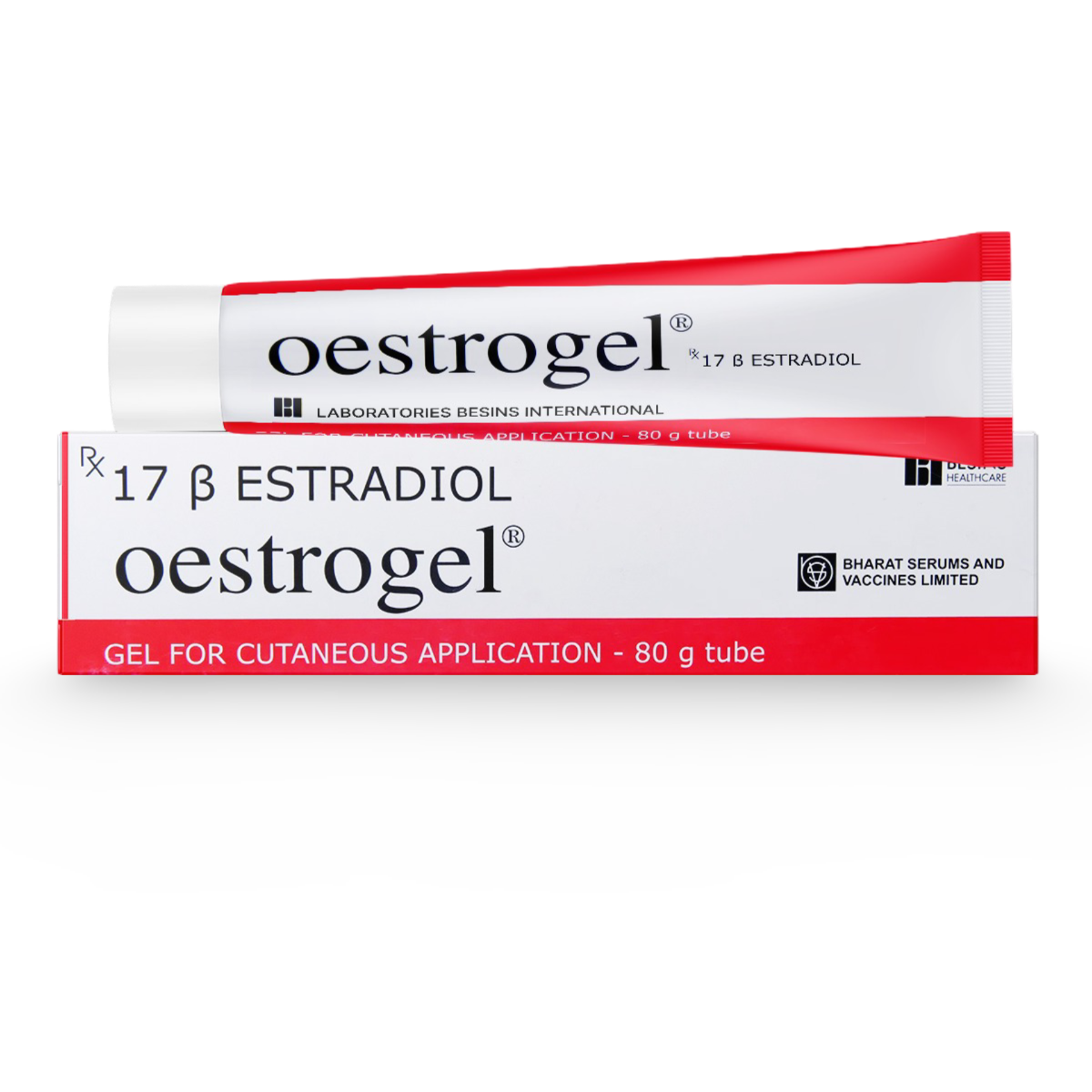
Oestrogel Gel 80 gm
Starting at just $38.02 per tubeBuy Now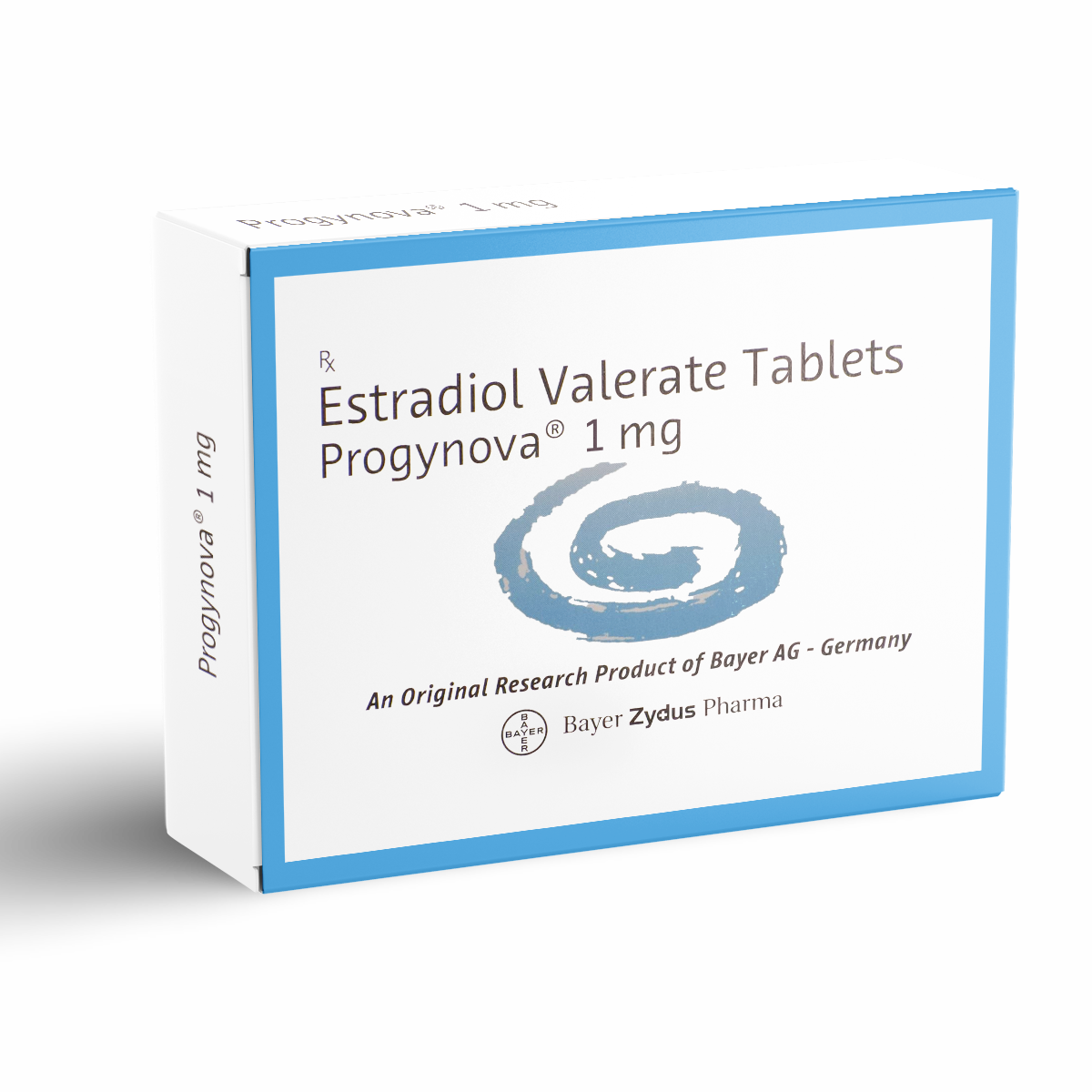
Progynova 1 mg
Starting at just $0.20 per tabletBuy NowWhy can sex feel uncomfortable after childbirth?
Apart from Lochia and unhealed incisions, several other factors can make sex feel uncomfortable, painful (Dyspareunia), or different after childbirth. Scar tissue formation can increase sensitivity and make movement uncomfortable, while hormonal shifts, particularly the drop in estrogen, can cause vaginal dryness. Other commonly experienced symptoms affecting physical intimacy include:
- Low Libido due to hormonal shifts and fatigue.
- Vaginal changes (discharge, dryness, soreness, or pain) resulting from low estrogen and healing tissues.
- Nipple soreness from frequent breastfeeding can make physical touch uncomfortable.
- Joint and back pain due to lifting the baby and pregnancy strain.
- Pelvic Floor Dysfunction (PFD).
- Exhaustion and sleep deprivation due to lifestyle adjustments around the newborn.
- Fear and anticipation of pain put the body in fight-or-flight mode.
- Postpartum Depression and baby blues due to rapid hormonal changes.
Tips for safe and comfortable sex after pregnancy
To have comfortable, safe, and painless sex after pregnancy, it’s essential to wait until you are physically healed and the symptoms discussed above have subsided or reduced in intensity. Starting slow, using foreplay for better intimacy and consulting a doctor for serious complications can help with safe intercourse while your body heals.
- Manage pain: To prepare your body, take a warm bath or use warm pads before intimacy to ease pain. If it doesn’t help, consult a doctor before using over-the-counter pain relievers like Ibuprofen.
- Focus on foreplay: Before moving to penetration, focus more on foreplay to get fully aroused and support natural vaginal lubrication. Engage in oral sex or gentle genital stimulation, and have long make-out sessions. You can also consider role-playing to connect with your partner and increase comfort.
- Use lubricants: When natural lubrication isn’t enough, treat vaginal dryness through water-based or silicone-based vaginal lubricants or moisturizers. These products increase moisture and provide long-lasting comfort.
- Change positions: To reduce strain on healing areas, choose positions like spooning (side-lying), being on top to control moves, and use a pillow for support.
- Communicate with your partner: Tell your partner if you feel scared, overwhelmed, or unprepared. Get to know each other’s expectations postpartum to ensure you are aligned on your needs. Discuss switching to non-penetrative sex if penetration is stressful or painful.
- Perform Kegels: Do Kegels 3-8 times daily to support long-term recovery and manage PFD. Squeeze your pelvic floor muscles and lift them for 3-10 seconds. Then relax and repeat 10 times in 1 session. However, do it once your incision heals.
- Seek professional help: For severe postpartum complications like Anemia, persistent bleeding or pain, or inability to penetrate due to severe pain despite initial attempts, consult a doctor for timely intervention. For PPD management, consider psychotherapy, like Cognitive Behavioral Therapy (CBT), to manage negative thoughts. The doctor can also recommend antidepressants if therapy alone doesn’t help.
Methods to prevent unplanned pregnancy
When you resume sexual activity, keep in mind that pregnancy can occur as early as 3-4 weeks after childbirth, even before your periods return or while breastfeeding. Therefore, it’s recommended to wait at least 18-24 months before conceiving again, as the body requires time to heal from the last pregnancy. It also helps lower the risk of preterm birth (early delivery).
Talk to your gynecologist about an appropriate birth control option. Some of the methods to prevent unplanned pregnancy include:
- Barrier methods: Diaphragms and condoms prevent sperm from entering the uterus. Condoms additionally lower the risk of STIs.
- Birth control pills: Progestin-only pills can be used during breastfeeding, as they don’t contain estradiol. Estradiol is generally avoided during breastfeeding as it can lower milk supply. The doctor will decide the safest time to take pills after delivery.
- Long-Acting Reversible Contraception (LARC): LARC methods offer long-term protection. It includes hormonal or copper Intra-Uterine Devices (IUDs) and etonogestrel implant. These devices are implanted inside the body by a doctor and can be removed when pregnancy is desired. LARC can also be used in breastfeeding.
- Lactational Amenorrhea Method (LAM): LAM is a temporary birth control where breastfeeding temporarily prevents ovulation and periods. It works best for the first six months after childbirth. However, it is not completely reliable, as pregnancy can still occur even while breastfeeding.
- Permanent birth control: Methods to permanently prevent pregnancy include tubal ligation, where the fallopian tubes are removed, cut, or blocked. Second is vasectomy, where the sperm-carrying tubes in men are cut and sealed. However, you should consider it only when future pregnancies aren’t required.
Conclusion
There is no set waiting period for sex after pregnancy. The right time will ultimately depend on comfort, emotional readiness, and body healing. However, most doctors suggest waiting 4-6 weeks until Lochia stops and any vaginal-delivery tear, stitches, or C-section incision has healed. Postpartum changes, such as Low Libido, vaginal discharge, hormonal shifts, and PPD, can also make sex uncomfortable.
For safer and comfortable sex, manage pain with warm baths or doctor-approved painkillers, use lubricants for vaginal dryness, and communicate openly with your partner. Other tips for safe sex include doing Kegels, which strengthen pelvic muscles and considering psychotherapy for PPD management.
Additionally, it is generally advised to wait 18-24 months before conceiving again to support healing and lower preterm birth risk. Birth control options include condoms, progestin-only pills, LARC such as IUDs, LAM, and permanent methods like vasectomy. Make sure to consult your gynecologist first to choose suitable birth control.

Frequently Asked Questions
Is it normal for sex to hurt after pregnancy?
Yes, it is common and normal for sex to hurt after pregnancy, particularly in the early postpartum months. Hormonal fluctuations, vaginal dryness, tears or stitches from vaginal birth, and recovery from a C-section can all make sex uncomfortable or unappealing in the beginning.
Does sex feel different after pregnancy?
Yes, sex can feel different after pregnancy. Many women will notice a decrease in sexual desire, tighter muscles, vaginal dryness, or weak pelvic muscles as the body is still healing. Also, hormonal fluctuations during breastfeeding can influence mood. However, these changes improve with time.
Why am I so stiff after having a baby?
You feel stiff after having a baby because delivery strains muscles, ligaments, and joints. Additionally, sleep loss, hormonal changes, physical strain of caring for a newborn, and changes in posture can also make your body feel sore and tight. However, it is common and generally subsides over time as muscles regain strength.
How long are you considered postpartum?
You are considered postpartum generally for the first 6 weeks after giving birth. However, recovery doesn’t end here. Several body changes, such as muscle and joint healing and hormonal shifts, can last for months. The exact timeline will depend on how long it takes your body to heal.
Is the first sex after birth painful?
Yes, the first sex after birth is painful for many women as the body is still healing. Mild discomfort may be experienced, particularly if bleeding or pain occurs near the stitches. However, persistent or severe pain is not normal. In such a case, consult your doctor for safety.
GoodRxMedicine only refers to credible, authoritative sources for our content. If you're curious about how we ensure the integrity of our content, we encourage you to read our Content Information Policy.

Julian Carter is a highly accomplished MBA graduate in Pharmaceutical Management, celebrated for his extensive experience and exceptional skills in the pharmaceutical industry. With a wealth of knowledge and expertise, Julian is a valuable contributor to the field and a trusted voice in pharmaceutical management.
As a contributing writer for Goodrxmedicine.com, Julian is committed to educating and empowering individuals to make informed decisions about their health. His passion for the industry is evident in his work, and his dedication to improving the lives of others through education and empowerment is truly remarkable.
With a reputation for excellence and a track record of success, Julian Carter is a respected and admired figure in pharmaceutical management. His insights and contributions to the field are highly valued, and her expertise has helped shape the direction of the industry for the better.
Through his work as a contributing writer for Goodrxmedicine.com and beyond, Julian continues to make a meaningful impact in the lives of many. His commitment to excellence and dedication to improving the health of individuals and communities around the world make him an inspiration to others in the field.