



Foreplay isn’t an optional add-on before intimacy, something you skip when you’re short on time or already familiar with your partner. It’s a vital part of a healthy sexual relationship. Skipping it or rushing through it means missing the buildup that makes arousal, emotional connection, and pleasure actually work the way they’re supposed to.
For many people, desire does not always appear before intimacy begins. It can build gradually through emotional connection, touch, and stimulation, which is why taking time with foreplay can improve the experience. Simple practices like slow touches and paying attention to your partner’s response change how satisfying sexual experiences feel. It gives your body time to relax and respond, and it gives you and your partner a chance to actually check in with each other instead of moving straight to intercourse.
This guide walks you through 8 practical, foreplay tips, from setting the right environment to reading your partner’s cues, so sexual activity feels less rushed and more rewarding every time.
1. Build excitement before the bedroom

Who says foreplay only starts once you’re under the sheets? Desire rarely appears all at once behind locked doors. It builds slowly, and anticipation is often what keeps that excitement growing.
So, hours before you actually enter the bedroom, the small moments that pass between you throughout the day matter. Those little sparks add up, and by the time you’re finally alone together, you’re looking forward to what’s next.
Here are a few easy ways to keep the spark simmering all day:
- Flirt a little: Send a playful text, drop a sweet compliment, or just let them know you’ve been thinking about them.
- Say what you love: Tell them what you find attractive about them, or call out something they did that caught your eye.
- Stay touchy in small ways: Hold hands, steal a hug, cuddle on the couch, sneak a kiss, or just rest your hand on theirs.
- Turn up the heat: Send a spicy photo or text to keep the anticipation building until you’re finally together.
2. Set the mood

The right atmosphere matters more than you think. It’s what helps you both let go of the day and actually be present with each other. You don’t need to go all out always. Sometimes the simplest touches make the biggest difference.
- Dim the lights: Soft lighting or a few candles instantly make a room feel warmer and more intimate.
- Put on a playlist: Something gentle in the background can help you both slow down and settle in.
- Clear away the distractions: Phones on silent, TV off, laptops out of sight. That’s how you focus full attention on each other.
- Make the space feel good: Fresh sheets, flowers, and a tidy room can instantly make you forget your pending office work and household chores, keeping you excited for the moment.
3. Talk about pleasure and boundaries

Great foreplay is not about guessing right. It’s something you figure out together, and talking about it can be just as fun as actually doing it. A little conversation clears away the awkwardness and makes it so much easier to relax, experiment, and actually enjoy yourselves.
To make the conversation part of the fun and build a healthier relationship, you should:
- Share what you love: Talk about what’s felt good before, and what you’re hoping for to happen more often.
- Respect the boundaries: Listen without judgment, and make sure “no” is always just as welcome as “yes.”
- Try something new together: A game, some light roleplay, a new fantasy, whatever sounds exciting to both of you is fair.
- Keep checking in: A quick “does this feel good?” isn’t awkward. It’s a sign you’re paying attention, and you care, and that’s its own kind of intimacy.
Tip: Foreplay starts with consent. Make sure both partners feel comfortable and enthusiastic before becoming intimate. Consent isn’t a one-time conversation. It should remain mutual throughout the experience.
4. Explore secondary erogenous zones slowly

One of the biggest mistakes couples make is rushing straight to the “main event.” The truth is, anticipation is part of the fun. Taking your time gives your partner a chance to relax, become fully aroused, and enjoy every moment instead of feeling hurried.
Rather than focusing on one destination, explore each other’s bodies with curiosity. You might be surprised by how many reactions come from the areas that usually get overlooked.
Here are a few easy ways to slow things down:
- Start with gentle touches: Let your fingertips wander across the neck, shoulders, collarbone, lower back, or inner wrists before moving anywhere more intimate.
- Make kissing last longer: Alternate between soft pecks and lingering kisses. Don’t be afraid to explore anywhere your partner enjoys being kissed.
- Keep your touch unpredictable: Mix light strokes with gentle pressure or slow circular movements to create different sensations.
- Give a sensual massage: A little body-safe massage oil and a few unhurried minutes of sensual massage can melt away tension while naturally building intimacy.
5. Wake up the senses

There’s something magical about how a little variety can make even the most familiar moments feel brand new. Playing with different senses keeps things playful and pulls out pleasure in ways you might not expect.
Some quick ways to mix it up are:
- Play with temperature: Roam your warm hands over their body and then surprise them by sliding an ice cube slowly across their skin.
- Get creative with texture: Use a feather or a silk scarf to trace on their pleasure points to make them feel gentle yet arousing sensations.
- Make them wait for it: Pause right before a kiss, or let your breath brush lightly against their skin. That little bit of suspense will make your partner crave more.
- Set the scene with scent: A softly scented candle or a bit of room fragrance like roses or lavender can make everything feel more romantic.
- Use your voice: Whisper praises, something you love about the moment, or dirty talk if it excites them.
6. Get more intimate

Once the excitement’s been building and the moment feels right, it’s time to get a little bolder. There’s still no need to rush into penetration. Stay present, pay attention to how your partner’s responding, and let that guide you more than any set order of steps.
- Ease into oral stimulation: Start with soft kisses and caresses around the outer genital area or the inner thighs before gradually working toward the penis or vagina and clitoris.
- Mix up your tongue technique: Alternate between flat strokes, circular licks, and lighter flicks, and don’t be afraid to change your pressure and pace as you go.
- Bring your hands into it: Pair oral stimulation of the genitals with your hands touching elsewhere, which is equally exciting, like breasts or buttocks for women, or the scrotum for men.
- Keep it clean and safe: Keep the genital area clean, skip oral contact if there’s any irritation or sores, and use a dental dam or condom for protection. After all, safe foreplay is the most attractive thing you can bring into your intimate life.
7. Try add-ons to spice things up
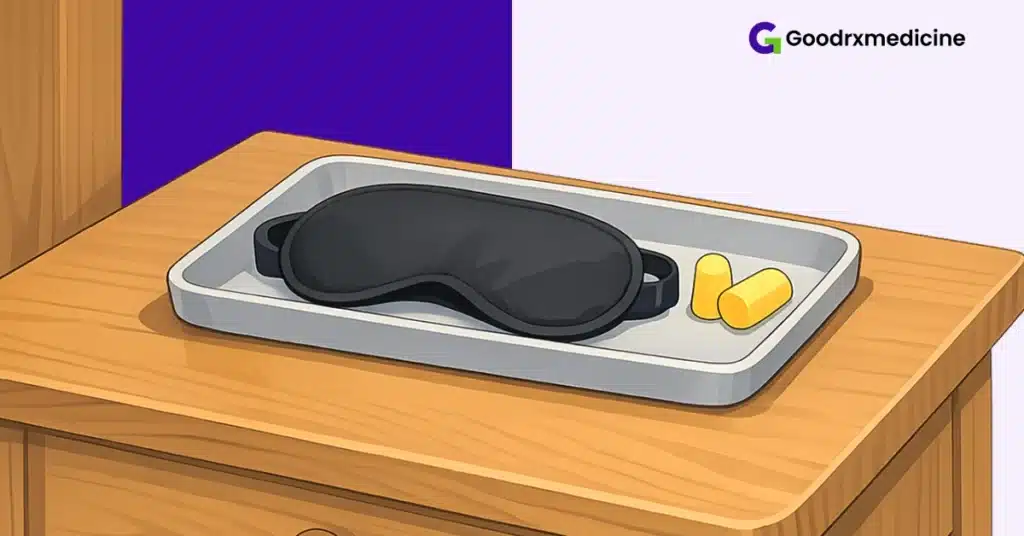
Even the happiest couples fall into a routine now and then. It’s just how relationships work. Fortunately, the solution to this boredom isn’t complicated. You just have to try something new, as long as it’s something you’re both genuinely curious and comfortable about.
You can experiment with any of the following or add some more:
- Try a blindfold: Take away one sense and watch how much more intense every other touch feels to your partner.
- Bring in a toy: A body-safe vibrator can add a little extra spark and a lot of pleasure to help you both discover new sensations together, something that is harder to achieve with your hands and tongue alone.
- Play with light restraints: Soft handcuffs or bondage straps can add a fun power dynamic to your sexual routine. Just make sure you’ve talked it through, and both feel good about it beforehand.
- Use a flavored lubricant: An edible, flavored lube can make oral intimacy even more enjoyable while cutting down on friction.
8. Let your partner lead the way

There’s no checklist that tells you foreplay is going well. Everyone shows excitement in their own way. The real skill is noticing and learning what pleases your partner.
- Watch their body language: Leaning in, relaxing, or moving closer are all good signs they’re enjoying themselves.
- Catch up with the little things: Soft sounds, them telling you to keep going, or their hand gently guiding yours, all of it tells you to continue what you are doing.
- Notice the physical cues: Faster breathing, flushed skin, goosebumps, or hardened nipples often mean things are heating up.
- Check in if something feels off: If they pull back, go quiet, or seem unsure, pause and ask how they’re feeling. Do not feel ashamed to stop and reassure them if anything goes wrong. You can always start again, if you’re both up for it.
Frequently Asked Questions
Does foreplay help reduce Performance Anxiety?
Yes, foreplay can help reduce Performance Anxiety. Slowing down shifts focus away from performance and toward connection, which can ease pressure. Longer, unhurried touch also gives both partners time to relax and a gradual buildup of arousal, instead of rushing.
What are common mistakes during foreplay?
Common mistakes during foreplay include rushing through it, repeating the same routine every time, and skipping check-ins. Ignoring your partner’s reactions and focusing only on your own pace also reduces effectiveness.
Can foreplay help couples reconnect emotionally?
Yes, foreplay involves extended touch and communication, which support bonding and emotional connection, not just arousal and physical intimacy. Couples who prioritize this time often report feeling closer outside the bedroom as well.
Is foreplay different for every couple?
Yes, foreplay is different for every couple. Preferences around pace, pressure, and specific touch vary widely, which is why direct conversation works better than assuming what your partner wants.
When should couples seek professional help for intimacy issues?
Couples should seek professional help if foreplay or intercourse consistently feels uncomfortable, one partner avoids it, or conversations about it lead to conflict. A sex therapist or counselor can help identify and work through the underlying issue.
Citations
GoodRxMedicine only refers to credible, authoritative sources for our content. If you're curious about how we ensure the integrity of our content, we encourage you to read our Content Information Policy.
How useful was this post?
Click on a star to rate it!
No votes so far! Be the first to rate this post.
Julian Carter is a highly accomplished MBA graduate in Pharmaceutical Management, celebrated for his extensive experience and exceptional skills in the pharmaceutical industry. With a wealth of knowledge and expertise, Julian is a valuable contributor to the field and a trusted voice in pharmaceutical management. As a contributing writer for Goodrxmedicine.com, Julian is committed to educating and empowering individuals to make informed decisions about their health. His passion for the industry is evident in his work, and his dedication to improving the lives of others through education and empowerment is truly remarkable. With a reputation for excellence and a track record of success, Julian Carter is a respected and admired figure in pharmaceutical management. His insights and contributions to the field are highly valued, and his expertise has helped shape the direction of the industry for the better. Through his work as a contributing writer for Goodrxmedicine.com and beyond, Julian continues to make a meaningful impact in the lives of many. His commitment to excellence and dedication to improving the health of individuals and communities around the world make him an inspiration to others in the field.
Learn MoreDr. James Mitchell is a board-certified physician with 18+ years of clinical experience in Sexual Medicine and Reproductive Health. He helps patients navigate intimate health concerns through medically sound guidance and compassionate, patient-centered care.
Learn More