



Surgical menopause, also known as Iatrogenic or induced menopause, occurs when a woman’s ovaries are surgically removed before her natural menopause. This sudden removal of ovaries leads to more intense symptoms such as hot flashes, vaginal dryness, and diminished libido.
Unlike natural menopause, which develops gradually over several years, surgery-induced menopause begins abruptly, usually within 24–48 hrs. This menopause induced by surgery can affect women emotionally, physically, and mentally, and could increase the risk of certain long-term health conditions, such as Osteoporosis.
This article will cover the causes, symptoms, risks, and treatment options of surgical menopause so that you can manage the condition more efficiently and improve your quality of life.
What is surgical menopause?
Surgical menopause takes place when menopause is caused by surgery rather than the body’s natural aging process. It commonly occurs after both ovaries are removed in a treatment known as Bilateral Oophorectomy, which is frequently performed during or alongside a Hysterectomy (removal of the uterus).
Since the ovaries produce the reproductive hormones, such as progesterone, estrogen, and testosterone. Their removal causes hormone levels to decline abruptly, resulting in a sudden menopause.
However, if only one ovary is removed, the other can continue to produce hormones, so menopause will not occur immediately. In such a case, hormone production continues, and menopause occurs naturally, though sometimes slightly earlier.
Save up to 90% on your medicine bills

Lovegra Oral Jelly Rx 100 Mg

Lovegra 100 mg
Starting at just $2.19 per tabletBuy Now
Oestrogel Gel 80 gm
Starting at just $38.02 per tubeBuy Now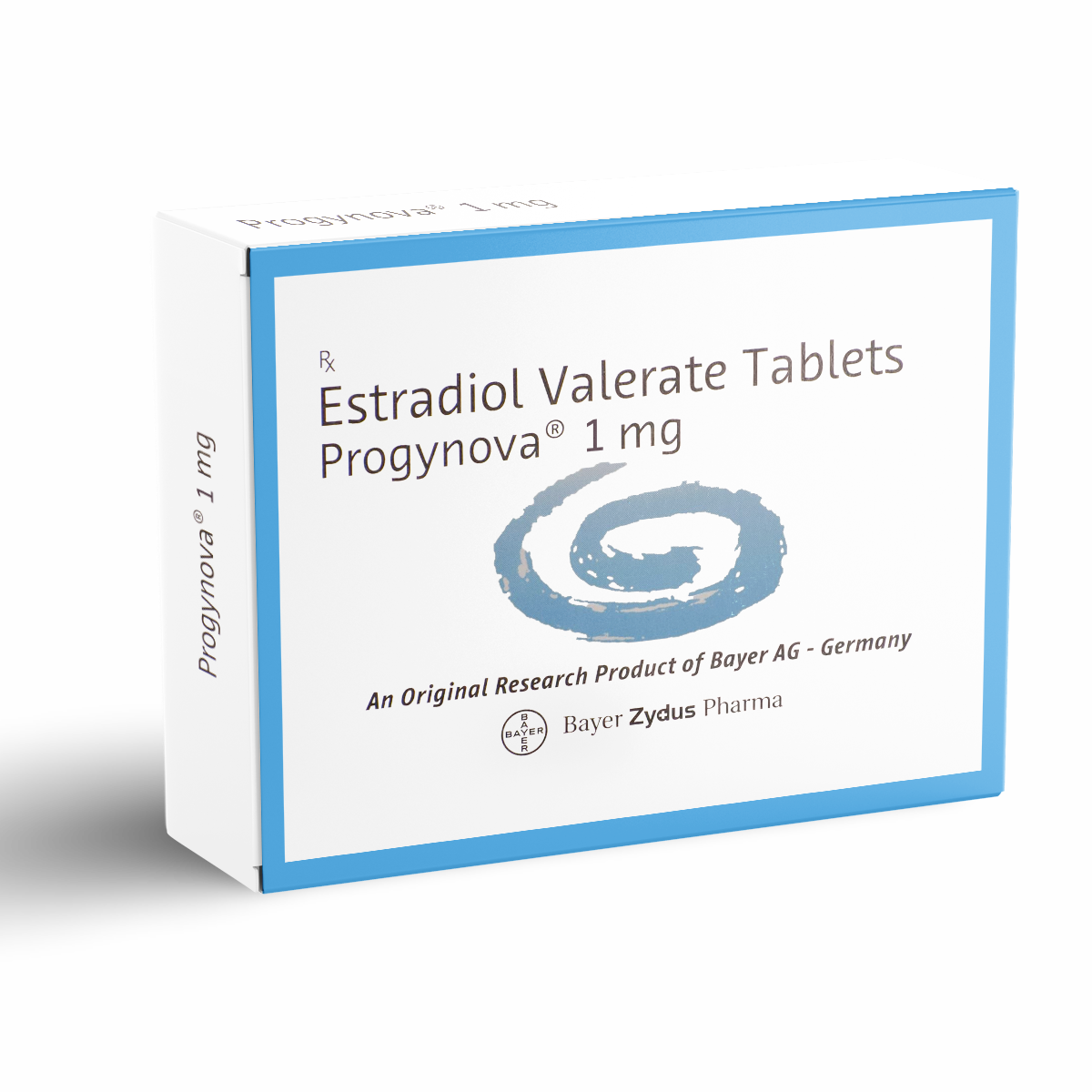
Progynova 1 mg
Starting at just $0.20 per tabletBuy NowDifference between surgical and natural menopause
Understanding the differences between surgical and natural menopause is essential for appropriate clinical management. The following table highlights the key differences between the two:
| Feature | Natural menopause | Surgical menopause |
|---|---|---|
| Age of onset | Average age 51; range 45–55 | Any age; often 30s–40s |
| Onset speed | Gradual | Immediate |
| Cause | Natural aging | Surgical removal of the ovaries |
| Symptoms | Variable; often moderate | Typically severe, especially vasomotor |
| Fertility | Gradually declines | Ends immediately and is permanent |
| Emotional impact | Moderate | Can be intense |
| Long-term risks | Normal cardiovascular and bone risks | Increased risk of cardiovascular disease and sexual dysfunction, especially if under age 45 |
| HRT urgency | Recommended for symptomatic relief | Strongly recommended regardless of symptoms |
Surgical menopause symptoms
Since the hormonal drop occurs rapidly after the surgery rather than over time, the symptoms are more severe and begin right after the surgery. The common symptoms that occur days to weeks after surgery often include:
- Vasomotor symptoms: Vasomotor symptoms (symptoms affecting the body’s ability to regulate temperature) caused by changes in the body’s temperature-regulation system include hot flashes, night sweats, and, sometimes, palpitations.
- Genitourinary symptoms: Genitourinary symptoms affecting the urinary system and genital organs are vaginal dryness, urinary urgency or frequency, and recurrent Urinary Tract Infections (UTIs).
- Mood and sleep changes: Mood swings, irritability, anxiety, and disrupted sleep.
- Cognitive and physical changes: Brain fog, difficulty concentrating, memory lapses, joint or muscle aches, and sometimes weight redistribution (more around the abdomen).
- Sexual issues: Low libido, pain during intercourse, and difficulty attaining arousal and orgasm.
Why is a Bilateral Oophorectomy needed?
Surgeons could suggest Bilateral Oophorectomy if the expected medical benefit outweighs the risks of losing ovarian hormone production. The decision is often made after a thorough assessment of a woman’s condition, age, fertility goals, and general health concerns. A few potential causes are:
- Preventing ovarian or fallopian tube Cancer: Bilateral Oophorectomy is frequently suggested for women at high hereditary risk, particularly those with BRCA1 or BRCA2 mutations. Removing both the ovaries and the fallopian tubes considerably reduces the chance of developing ovarian or Fallopian Tube Cancer. It is also used to treat hormone-sensitive tumors such as breast or Uterine Cancer, as removing the ovaries lowers hormone levels, which can stimulate Cancer growth.
- Managing certain medical conditions: When medications fail to control severe Endometriosis or recurring ovarian cysts, surgery could be required. Oophorectomy can reduce chronic pelvic pain, prevent cyst recurrence, and treat problems such as ovarian torsion (twisting of the ovary). It is usually considered only when symptoms significantly affect quality of life or when fertility is no longer desired.
- As part of gender-affirming surgery: Bilateral Oophorectomy could be used in gender-affirming surgery to align the body with a person’s gender identification and decrease endogenous hormone production.
Consequences of surgical removal of the ovaries
Surgical removal of the ovaries causes a sudden and permanent loss of estrogen and other reproductive hormones, which could increase the risk of emotional distress, Osteoporosis, cardiovascular disease, cognitive decline, and sexual dysfunction.
Let’s look at these consequences of surgical-induced menopause.
Emotional effects
The emotional impact of surgically induced menopause can be significant, often affecting mental well-being, self-image, fertility, and relationships. Sudden hormonal changes could contribute to Anxiety, Depression, and mood swings, while irreversible fertility loss, body image concerns, and reduced sexual desire can lead to emotional distress, lower self-esteem, and challenges in intimate relationships.
High-risk cardiovascular disease
Estrogen prevents cardiovascular disease by maintaining normal lipid profiles, endothelial function, and vascular tone. Women who get an Oophorectomy before the age of 45 are considerably more likely to have Coronary Artery Disease, heart failure, and stroke than women of the same age who retain their ovaries.
Osteoporosis and fracture
Estrogen is the primary hormone that maintains Bone Mineral Density (BMD). Its rapid loss after surgery leads to increased bone loss. Within a few years of Bilateral Oophorectomy without HRT, BMD could decrease considerably, particularly at the hip and spine, increasing the risk of Osteoporosis and fracture.
Sexual Dysfunction
The combined loss of estrogen and testosterone has a significant influence on sexual function. Many women develop Hypoactive Sexual Desire Disorder (HSDD), which causes reduced sexual interest and desire. Lower hormone levels can also result in vaginal atrophy, dryness, discomfort during intercourse, decreased arousal, and difficulty achieving orgasm.
Cognitive decline
Since estrogen has neuroprotective roles, rapid deficiency after surgery could accelerate the deterioration in memory, processing speed, and executive function, particularly when the ovaries are removed at a young age.
As per a meta-analysis published in the Parkinsonism & Related Disorders journal in 2024, Bilateral Oophorectomy is linked to rapid cognitive decline and a higher risk of Parkinson’s disease. However, further research is required.
Treatment and management options

The primary goals of surgical menopause treatment are to overcome sudden menopausal symptoms, improve emotional well-being, and lower long-term health risks. Treatment often includes Hormone Replacement Therapy, non-hormonal treatments, and healthy lifestyle modifications. A personalized treatment plan can help women efficiently manage symptoms and maintain a healthy, active, and pleasant way of living.
Hormone Replacement Therapy
HRT is one of the most effective treatments for surgically induced menopause, as it replaces hormones lost after the removal of the ovaries. When given under medical supervision, it primarily provides estrogen, with or without progesterone, to relieve symptoms such as hot flashes, night sweats, vaginal dryness, sleep disturbances, and mood changes. It is available as tablets, patches, gels, sprays, vaginal creams, and vaginal rings.
HRT is usually given in two ways: estrogen-only therapy and combined estrogen and progesterone therapy.
- Estrogen-only therapy is usually suggested for women who have had a Hysterectomy because there is no uterus to protect from estrogen-induced thickening.
- Women who still have their uterus are treated with a combination of estrogen and progesterone. Progesterone protects the uterine lining against abnormal thickening induced by estrogen alone.
Non-hormonal treatments
Non-hormonal treatments can help women who cannot safely use HRT due to medical conditions or personal preference.
- Certain medications, such as antidepressants, Gabapentin, and Clonidine, could help with hot flashes, sleep difficulties, anxiety, and mood swings.
- Vaginal moisturizers and lubricants can help reduce vaginal dryness and increase comfort during intercourse.
- Doctors can also recommend bone-protective medications, such as biophosphonates and Selective Estrogen Receptor Modulators (SERMs), to lower the risk of Osteoporosis and fractures.
These treatments, when used as suggested by a doctor, can improve quality of life while avoiding hormone-related risks.
Lifestyle modifications
Healthy lifestyle habits can help reduce surgical menopause symptoms and improve long-term physical and emotional well-being.
- A well-balanced diet abundant in fruits, vegetables, whole grains, lean meats, calcium, and healthy fats promotes bone and cardiovascular health.
- Daily physical activities such as brisk walking, yoga, swimming, and strength training could improve mood, sleep, and weight control.
- Stress management techniques like meditation, journaling, therapy, and deep breathing can support emotional balance.
- Good sleep habits also help reduce fatigue, irritability, and sleep disturbances.

Conclusion
Surgical menopause, most often from Bilateral Oophorectomy, involves the removal of the ovaries, causing a sudden decline in hormones. This hormone reduction can lead to more intense symptoms than natural menopause, including hot flashes, vaginal dryness, mood changes, sleep disruption, and Low Libido.
Surgical removal of the ovaries can also raise the risk of Osteoporosis, cardiovascular disease, emotional distress, Sexual Dysfunction, and cognitive decline. However, timely medical care, particularly well-monitored Hormone Replacement Therapy, along with non-hormonal treatments, and healthy lifestyle behaviors, can significantly prevent consequences.
With individualized treatment, informed decisions, and consistent self-care, women can successfully manage surgical menopause and continue leading active, confident, and fulfilling lives.
Frequently Asked Questions
How long does a surgical menopause last?
Surgical menopause is permanent because the ovaries no longer produce reproductive hormones after removal. However, symptoms such as hot flashes, mood changes, and vaginal dryness could improve over time. In some women, symptoms can last for several years, especially without appropriate treatment or lifestyle management.
Does surgical menopause cause weight gain?
Yes, surgical menopause can contribute to weight gain due to sudden hormonal changes, especially reduced estrogen levels. These changes could slow metabolism, increase abdominal fat storage, reduce muscle mass, and affect sleep and physical activity, making weight management more difficult for some women.
What vitamins are good for surgical menopause?
Vitamins beneficial for surgical menopause include vitamin D and calcium for bone health, vitamin B complex for energy and mood support, vitamin E for hot flashes, and omega-3 fatty acids for heart and brain health. However, always consult a doctor before starting any supplements.
Does surgical menopause make you age faster?
Yes, surgically induced menopause could accelerate certain aging-related changes because of the sudden loss of estrogen and other ovarian hormones. Women could experience faster bone loss, skin thinning, reduced collagen, vaginal dryness, cardiovascular changes, and cognitive decline, especially if menopause occurs at a younger age without proper treatment.
Can a woman remain sexually active after surgically induced menopause?
Yes, a woman can remain sexually active after surgically induced menopause. However, hormonal changes can cause vaginal dryness, reduced libido, or pain during intercourse, which can cause discomfort during sexual activity.
GoodRxMedicine only refers to credible, authoritative sources for our content. If you're curious about how we ensure the integrity of our content, we encourage you to read our Content Information Policy.

Julian Carter is a highly accomplished MBA graduate in Pharmaceutical Management, celebrated for his extensive experience and exceptional skills in the pharmaceutical industry. With a wealth of knowledge and expertise, Julian is a valuable contributor to the field and a trusted voice in pharmaceutical management.
As a contributing writer for Goodrxmedicine.com, Julian is committed to educating and empowering individuals to make informed decisions about their health. His passion for the industry is evident in his work, and his dedication to improving the lives of others through education and empowerment is truly remarkable.
With a reputation for excellence and a track record of success, Julian Carter is a respected and admired figure in pharmaceutical management. His insights and contributions to the field are highly valued, and her expertise has helped shape the direction of the industry for the better.
Through his work as a contributing writer for Goodrxmedicine.com and beyond, Julian continues to make a meaningful impact in the lives of many. His commitment to excellence and dedication to improving the health of individuals and communities around the world make him an inspiration to others in the field.