




Hormones control almost every important function in a woman’s body, from periods to mood and even sleep. Progesterone is one of the most important hormones that help regulate the menstrual cycle and supports pregnancy. It works closely with estrogen to keep the body balanced.
When progesterone levels drop, this balance is disturbed. As a result, the body starts showing certain signs. These signs are often linked to irregular periods, changes in bleeding patterns, mood swings, poor sleep, and difficulty getting pregnant. Some women can also notice physical symptoms like breast tenderness, headaches, or low energy.
Low progesterone does not always cause sudden or severe symptoms. In many cases, the signs appear slowly and are easy to ignore at first. In this article, we are going to discuss in detail the most common signs of low progesterone in women.
Symptoms of low progesterone in women
Low progesterone can affect different parts of the body, especially the reproductive system, brain, and metabolism. Since this hormone plays a key role after ovulation, its deficiency is most clearly seen in changes related to the menstrual cycle and overall hormonal balance.
In many women, the signs do not appear all at once. Instead, they develop gradually and can vary from person to person. Some can notice changes in their periods first, while others can experience mood-related or physical symptoms. These signs are often easy to overlook or confuse with everyday stress or lifestyle issues.
1. Irregular menstrual cycles
A healthy menstrual cycle depends on proper hormone balance. Progesterone helps stabilize the uterine lining after ovulation and keeps the cycle predictable. When progesterone is low, this balance is disturbed. As a result, the timing of periods becomes unreliable.
Women can notice:
- Periods coming earlier or later than expected
- A cycle that changes length every month
- Missed ovulation or unclear ovulation signs
Over time, this irregularity can make it difficult to track fertile days or maintain cycle consistency.
Save up to 90% on your medicine bills

Lovegra Oral Jelly Rx 100 Mg

Lovegra 100 mg
Starting at just $2.19 per tabletBuy Now
Oestrogel Gel 80 gm
Starting at just $38.02 per tubeBuy Now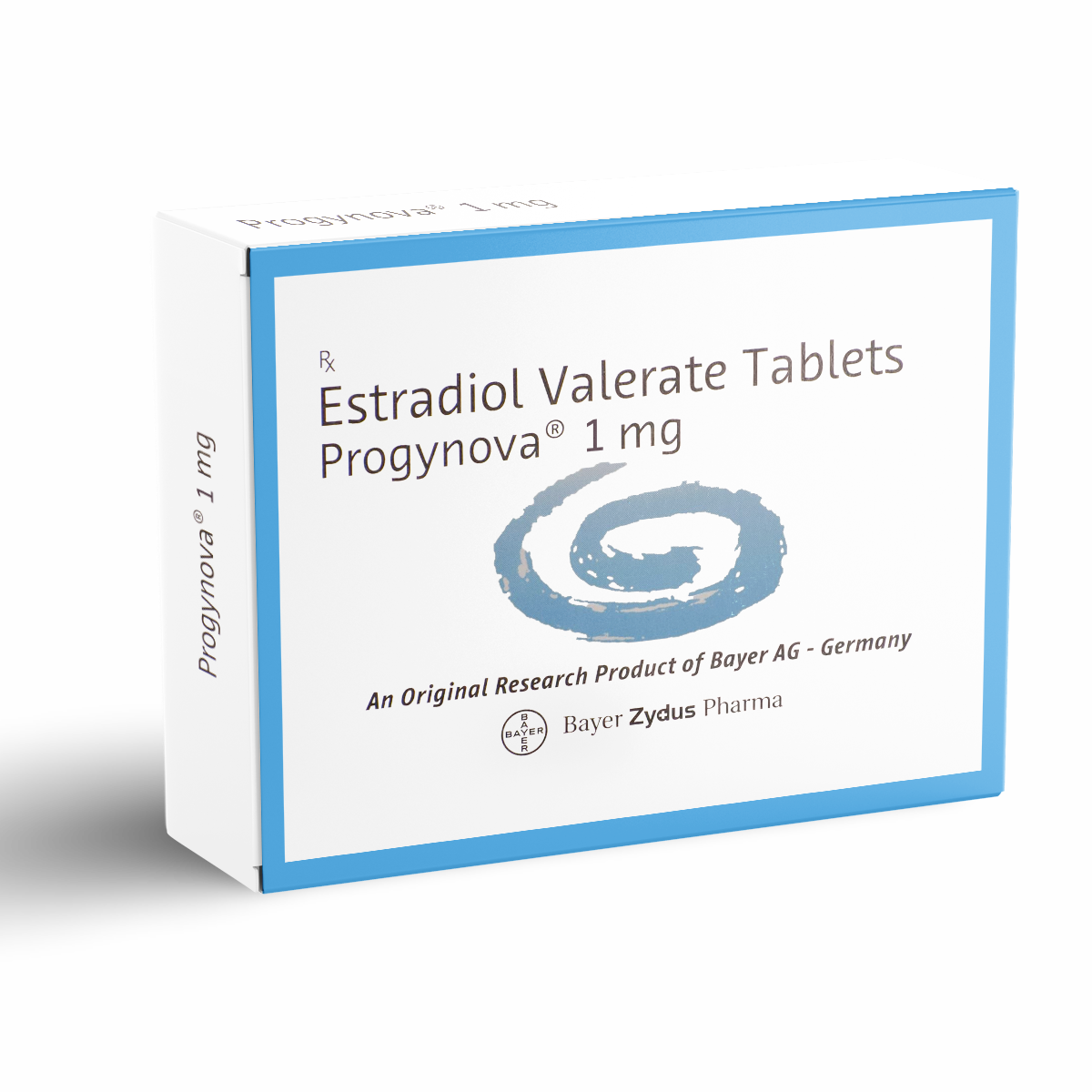
Progynova 1 mg
Starting at just $0.20 per tabletBuy Now2. Heavy periods or spotting
Progesterone controls how much the uterine lining grows and sheds. When its levels are low, estrogen can dominate, leading to excessive buildup of the lining.
Common changes include:
- Heavy flow during periods
- Passing blood clots
- Spotting before the next period starts
Frequent or unusual bleeding patterns are a strong sign that hormone balance is off.
3. Difficulty getting pregnant
Progesterone helps in preparing the uterus for pregnancy. It helps create a supportive environment where a fertilized egg can attach and grow.
When progesterone is low, the uterine lining can not develop properly. This makes implantation difficult. Even if fertilization happens, the pregnancy cannot be sustained in the early stages.
Women trying to conceive may notice:
- Trouble getting pregnant despite regular attempts
- Early pregnancy loss
- Short luteal phase (second half of the cycle)
This is one of the most important signs, especially for women planning a pregnancy.
4. Mood swings, anxiety, or irritability
Progesterone has a calming effect on the brain. It supports emotional balance by interacting with GABA receptors that help you feel relaxed.
Some common experiences include:
- Sudden mood swings
- Increased anxiety or overthinking
- Irritability, especially before periods
These emotional changes are often linked to the second half of the menstrual cycle.
5. Trouble sleeping
Progesterone supports deep and restful sleep. It helps the body relax and maintain a stable sleep cycle. Low levels can disturb this process. Even after getting enough hours of sleep, they can still feel tired.
This can look like:
- Difficulty falling asleep
- Waking up multiple times at night
- Feeling unrested in the morning
Poor sleep can also make other symptoms like mood swings and fatigue worse.
6. Low sex drive
While estrogen is often linked to libido, progesterone also supports overall hormonal balance and energy levels. Low progesterone can lead to a drop in interest in intimacy. This is often combined with low energy or mental fatigue, making the issue more noticeable.
In older women, low libido is commonly linked to menopause. During this stage, progesterone levels naturally decline as ovulation becomes less regular and eventually stops. This hormonal shift, along with changes in estrogen levels, can lead to reduced sexual desire.
Women can experience:
- Reduced interest in sex
- Feeling mentally disconnected from intimacy
- Lower overall motivation or energy
7. Breast tenderness
Hormonal imbalance can make breast tissue more sensitive, especially before periods.
When progesterone is low and estrogen is relatively higher, it can lead to swelling or discomfort in the breasts. This tenderness can feel stronger than usual or last longer than expected.
Common signs include:
- Sore or heavy breasts
- Swelling before periods
- Increased sensitivity to touch
8. Frequent headaches or migraines
Hormonal fluctuations are a known trigger for headaches. Changes in progesterone levels, especially when they drop suddenly, can lead to discomfort. These headaches are often linked to the menstrual cycle and appear at the same time each month.
Women may notice:
- Headaches before or during periods
- Migraines that follow a cycle pattern
- Increased sensitivity to light or noise
9. Weight gain or bloating
Low progesterone can affect how the body manages fluids and metabolism. This can lead to mild weight changes or a feeling of heaviness. While the weight gain is not always significant, it can feel frustrating, especially when it does not respond easily to diet or exercise.
Some common effects include:
- Bloating, especially before periods
- Water retention
- Gradual weight gain around the abdomen
10. Hot flashes or night sweats
Although these symptoms are more common during menopause, they can also appear in younger women with a hormonal imbalance. Low progesterone can affect the body’s temperature regulation, leading to sudden feelings of heat or sweating.
Women may experience:
- Sudden warmth in the face or body
- Night sweats that disturb sleep
- Feeling uncomfortable without any obvious environmental triggers
11. Low energy and fatigue
Constantly feeling tired or having low energy can also be linked to a hormonal imbalance. While progesterone plays a role in promoting calmness and good sleep, its low levels can leave the body feeling drained over time.
Low levels of progesterone can also affect the balance of other hormones involved in energy and motivation, including testosterone. Although women naturally produce less testosterone, it still supports stamina and overall vitality. As a result, fatigue may feel more noticeable when progesterone levels remain low for a long period.
Women can notice:
- Feeling tired throughout the day
- Low motivation or reduced stamina
- Difficulty concentrating or staying active
How to manage low progesterone in women
Managing low progesterone often starts with simple lifestyle changes. In many cases, improving daily habits can help support hormone balance over time. These include:
- Manage stress through activities like yoga, meditation, or regular relaxation, as high stress can lower progesterone levels.
- Eat a balanced diet rich in zinc, magnesium, vitamin B6, and healthy fats to support progesterone production. Foods such as leafy greens, nuts, seeds, eggs, whole grains, avocados, bananas, and fatty fish may help support hormonal balance.
- Include nutrients like magnesium, zinc, and vitamin B6, which help in maintaining hormonal balance.
- Maintain a healthy weight, because both overweight and underweight conditions can affect hormone levels.
- Get 7–8 hours of quality sleep every night to support overall hormonal health.
- Engage in moderate physical activity, but avoid excessive exercise that can disrupt hormones.
- Supplements that support sexual wellness and hormonal health can also be included as part of a healthy routine. While these do not directly increase progesterone or libido, they can help improve energy levels, mood, and general well-being, which can indirectly support a healthier sex drive.
- Treatment for low levels of progesterone mainly depends on the underlying cause. Doctors first identify causes such as menopause, ovulation problems, thyroid disorders, or chronic stress that could be affecting hormone balance and treat these factors.
- In some cases, progesterone therapy can be recommended to help restore hormone levels and manage symptoms. This can be given in the form of capsules, creams, injections, or vaginal gels, depending on individual needs and medical history.
Conclusion
Low progesterone can affect many aspects of a woman’s health, including menstrual cycles, fertility, mood, sleep, and energy levels. The signs of low progesterone in women start as small changes, such as irregular periods, low sex drive, weight gain, mood swings or mild fatigue, but can become more noticeable over time if ignored.
The good part is that in many cases, progesterone levels can be supported through simple and consistent lifestyle changes. Eating a balanced diet with essential nutrients, managing stress, maintaining a healthy weight, getting enough sleep, and staying physically active all play an important role in improving hormonal balance.
If symptoms continue, worsen, or start affecting daily life, seeking medical advice becomes necessary. A doctor will help identify the exact cause and suggest the right treatment, including hormone support if required.

Frequently Asked Questions
What causes low progesterone in women?
Low progesterone can result from poor or absent ovulation, which is common in conditions like Polycystic Ovary Syndrome (PCOS). Chronic stress, thyroid disorders, excessive exercise, poor nutrition, and significant weight changes can also affect hormone production.
How is low progesterone diagnosed?
Low progesterone is usually diagnosed through a blood test done in the second half of the menstrual cycle, when levels should be highest. Doctors also review symptoms like irregular periods, spotting, or fertility issues. In some cases, ovulation tracking and medical history are used to confirm whether progesterone production is adequate.
What treatments are available to increase progesterone levels?
Treatment to increase progesterone levels depends on the underlying cause. Lifestyle changes like stress management, better sleep, and a balanced diet can support hormone balance. Doctors may prescribe progesterone therapy in the form of pills, creams, or injections. Treating conditions such as thyroid disorders or PCOS also helps improve progesterone levels effectively.
Can low progesterone affect periods even if cycles are regular?
Yes, even if cycles appear regular, low progesterone can still affect the quality of the cycle. Some women may experience light periods, premenstrual spotting, or a short luteal phase. These subtle changes can indicate that ovulation or progesterone production is not strong enough to support a healthy cycle.
GoodRxMedicine only refers to credible, authoritative sources for our content. If you're curious about how we ensure the integrity of our content, we encourage you to read our Content Information Policy.

Julian Carter is a highly accomplished MBA graduate in Pharmaceutical Management, celebrated for his extensive experience and exceptional skills in the pharmaceutical industry. With a wealth of knowledge and expertise, Julian is a valuable contributor to the field and a trusted voice in pharmaceutical management.
As a contributing writer for Goodrxmedicine.com, Julian is committed to educating and empowering individuals to make informed decisions about their health. His passion for the industry is evident in his work, and his dedication to improving the lives of others through education and empowerment is truly remarkable.
With a reputation for excellence and a track record of success, Julian Carter is a respected and admired figure in pharmaceutical management. His insights and contributions to the field are highly valued, and her expertise has helped shape the direction of the industry for the better.
Through his work as a contributing writer for Goodrxmedicine.com and beyond, Julian continues to make a meaningful impact in the lives of many. His commitment to excellence and dedication to improving the health of individuals and communities around the world make him an inspiration to others in the field.