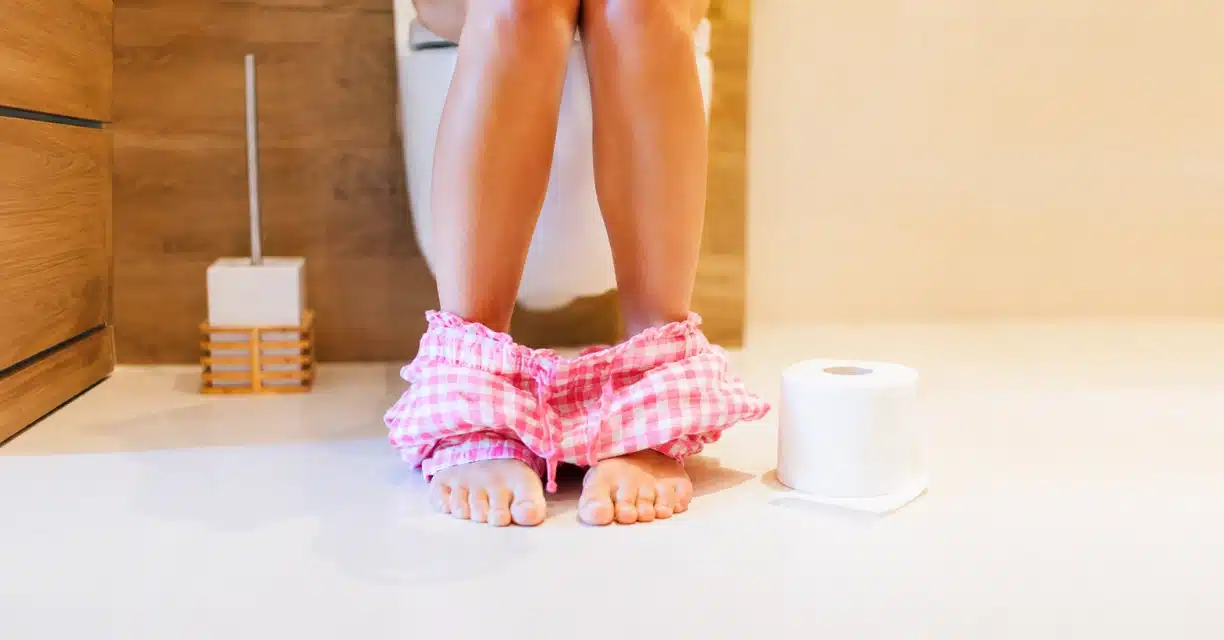



Many people have heard the advice that peeing after sex can help prevent pregnancy. It sounds simple, easy, and harmless, which is why the idea has spread so widely. For some, it may even feel like a natural step, something you can quickly do after intercourse to “wash away” the chances of getting pregnant.
But the truth is that peeing after sex does not prevent pregnancy. It has no effect on sperm once it has entered the vagina. Pregnancy depends on whether sperm reaches and fertilizes an egg, and this process begins almost immediately after ejaculation. Urinating does not interfere with this process in any way.
In this article, we will bust the myth: does peeing after sex prevent pregnancy, how pregnancy actually happens, and what methods are truly effective in preventing it.
Does peeing after sex help prevent pregnancy?
No, peeing after sex does not prevent pregnancy. When ejaculation occurs during vaginal intercourse, millions of sperm are released into the vagina. These sperm quickly begin their journey through the cervix and into the uterus. This process can start within minutes, and once sperm enters the reproductive tract, it cannot be removed by urination.
Urine leaves the body through the urethra, which is a separate opening from the vagina. The urethra is not part of the vaginal canal, so peeing does not wash out sperm from the vagina or lower the chances of fertilization. Even if you urinate immediately after sex, sperm inside the vagina remain unaffected, so the risk of pregnancy stays the same.
Save up to 90% on your medicine bills
What peeing after sex actually helps with
Although peeing after sex does not prevent pregnancy, it is still a useful and recommended habit for maintaining urinary health. Its benefits are often overlooked or misunderstood. Here is what it actually does:
Reduces risk of Urinary Tract Infections (UTIs)
One of the main reasons doctors advise peeing after sex is to lower the risk of UTIs. During sexual activity, bacteria from the genital and anal areas can be transferred closer to the urethral opening. Since the urethra is the entry point to the urinary system, these bacteria can travel upward and cause infection.
Urinating within about 30 minutes after sex helps flush these bacteria out of the urethra before they have a chance to travel upward and multiply. This natural cleansing effect may reduce irritation and help keep the urinary tract healthy. It is especially important for women, as their shorter urethra makes it easier for bacteria to reach the bladder.
Improves post-sex comfort
After sex, some people can feel mild discomfort, pressure, or a slight burning sensation in the genital area. This can happen due to friction or increased sensitivity. Urinating can help relieve some of this discomfort by relaxing the area and reducing any temporary irritation in the urethra.
It also gives a sense of physical relief, especially if the bladder was already full before intercourse. Emptying the bladder can make you feel more comfortable and at ease afterward.
Supports overall hygiene
Peeing after sex is part of good personal hygiene. While it does not clean the vagina internally (which is not necessary, as the vagina is self-cleaning), it helps maintain cleanliness by reducing bacteria buildup in the urinary tract. When combined with gentle external cleaning, it can help you feel fresh and reduce the risk of lingering bacteria.
What actually prevents pregnancy
To avoid pregnancy, it is important to rely on safe and medically proven contraceptive methods. Unlike myths such as peeing after sex, these methods are designed to either stop sperm from reaching the egg or prevent ovulation altogether. Choosing the right method depends on your lifestyle, comfort, and long-term plans. These include:
Condoms
Condoms are one of the most widely used and easily available methods of contraception. They act as a physical barrier, preventing sperm from entering the vagina during intercourse. This makes fertilization impossible when used correctly.
Another major benefit of condoms is that they also protect against Sexually Transmitted Infections (STIs), which most other contraceptive methods do not do. However, their effectiveness depends on correct and consistent use every time you have sex.
Birth control pills
Birth control pills are a hormonal method that works by stopping ovulation. If no egg is released, there is nothing for the sperm to fertilize, which prevents pregnancy. These pills also thicken cervical mucus, making it harder for sperm to travel, and thin the uterine lining, reducing the chances of implantation.
They are highly effective when taken daily at the same time. Missing doses or taking them irregularly can reduce their effectiveness. Some people also use them to regulate periods, reduce cramps, or manage hormonal imbalances.
Emergency contraception
This method is used after contraceptive failure or unprotected sex. These pills work mainly by delaying or preventing ovulation, depending on when they are taken.
They are most effective when taken as soon as possible, ideally within 24 hours, but can still work within a limited time window (usually up to 72 hours or more, depending on the type). It is important to understand that emergency contraception is not meant for regular use and should only be used in urgent situations.
Intrauterine Devices (IUDs)
IUDs are small, T-shaped devices placed inside the uterus by a healthcare professional. They provide long-term protection and are one of the most effective contraceptive options available.
There are two main types:
- Copper IUDs create an environment that is harmful to sperm.
- Hormonal IUDs work by releasing hormones to prevent ovulation and thicken cervical mucus.
Depending on the type, they can last anywhere from 3 to 10 years. Once inserted, they require very little maintenance, making them a convenient option for those who want long-term protection without daily effort.
Hormonal injections or implants
Hormonal injections and implants release hormones that prevent ovulation over a longer period. Injections are usually taken every few months, while implants are placed under the skin and can last for several years.
These methods are highly effective and reduce the need to remember daily pills. They work by controlling hormone levels, which stop the ovaries from releasing eggs and make it difficult for sperm to reach the uterus.
However, like all hormonal methods, they can have side effects, and it is important to discuss these with a healthcare provider before choosing them.
Conclusion
Peeing after sex is a healthy and helpful habit, but it does not prevent pregnancy. Once sperm enters the vagina, it quickly begins moving toward the egg, and urination cannot stop or remove it. This makes the idea of flushing out sperm a common myth, not a reliable method of birth control.
However, peeing after sex still has real benefits. It helps reduce the risk of UTIs, supports hygiene, and improves comfort after intercourse. These are important for overall health, but they should not be confused with contraception.
If avoiding pregnancy is your goal, it is essential to rely on proven methods such as condoms, birth control pills, IUDs, or emergency contraception when needed. Accurate knowledge and the right choices can help you stay protected and avoid unnecessary risks.

Frequently Asked Questions
Can washing or douching prevent pregnancy?
No, washing or douching after sex cannot prevent pregnancy. Sperm can enter the cervix within minutes after ejaculation, beyond the reach of washing. Douching may even push sperm further inside and disturb natural vaginal bacteria, increasing infection risk. It is not a safe or effective method of contraception.
When is the risk of pregnancy highest?
The risk of pregnancy is highest during the days 9-14 of the menstrual cycle, also called the fertile window, when the ovary releases an egg. This usually happens in the middle of the menstrual cycle. Having unprotected sex five days before and during ovulation increases the chances, as sperm can survive inside the body for up to five days.
When should I consider emergency contraception?
You should consider emergency contraception after unprotected sex or contraceptive failure, such as a broken condom or missed pills. It works best when taken as soon as possible, ideally within 24 hours. It can still be effective within a limited time window, depending on the type used.
Can I get pregnant without ejaculation inside?
Yes, you can still get pregnant without ejaculation inside the vagina. Pre-ejaculate fluid, released before full ejaculation, can sometimes contain sperm. If this fluid enters the vagina, sperm can travel toward the egg and cause pregnancy. Although the risk is lower, it is not zero and should not be ignored.
Citations
GoodRxMedicine only refers to credible, authoritative sources for our content. If you're curious about how we ensure the integrity of our content, we encourage you to read our Content Information Policy.
How useful was this post?
Click on a star to rate it!
No votes so far! Be the first to rate this post.
Julian Carter is a highly accomplished MBA graduate in Pharmaceutical Management, celebrated for his extensive experience and exceptional skills in the pharmaceutical industry. With a wealth of knowledge and expertise, Julian is a valuable contributor to the field and a trusted voice in pharmaceutical management. As a contributing writer for Goodrxmedicine.com, Julian is committed to educating and empowering individuals to make informed decisions about their health. His passion for the industry is evident in his work, and his dedication to improving the lives of others through education and empowerment is truly remarkable. With a reputation for excellence and a track record of success, Julian Carter is a respected and admired figure in pharmaceutical management. His insights and contributions to the field are highly valued, and her expertise has helped shape the direction of the industry for the better. Through his work as a contributing writer for Goodrxmedicine.com and beyond, Julian continues to make a meaningful impact in the lives of many. His commitment to excellence and dedication to improving the health of individuals and communities around the world make him an inspiration to others in the field.
Learn MoreDr. James Mitchell is a board-certified physician with 18+ years of clinical experience in Sexual Medicine and Reproductive Health. He helps patients navigate intimate health concerns through medically sound guidance and compassionate, patient-centered care.
Learn More