


Menopause is a phase in a woman’s life marked by the end of menstrual cycles around the age of 44-55. During this transition, many women notice changes in their sexual health, particularly fluctuations in libido, also called sex drive.
Most women experience a reduced interest in sexual activity due to changes in arousal, comfort, or overall satisfaction. These changes are primarily linked to declining hormone levels, but emotional, physical, and lifestyle factors also play an important role.
Understanding why these changes occur can help maintain a healthy and satisfying sex life. This article explains everything about menopause and sex drive, including the changes, how to manage them, and when to seek medical advice.
How does menopause affect libido?
Menopause generally leads to a decline in sex drive, although the extent varies from person to person. This change is primarily noticed due to hormonal shifts, along with physical and emotional factors that influence sexual response. Some of the main causes of low libido in menopause include:
- Decline in estrogen levels: Reduced estrogen in menopause affects vaginal tissues, leading to vaginal dryness and reduced elasticity, which can make sexual activity uncomfortable or painful, often reducing libido.
- Low testosterone levels: Testosterone is also a factor responsible for regulating female libido. Declining testosterone levels can reduce sexual drive and responsiveness.
- Reduced blood flow: During menopause, blood flow to the genital tissues decreases, which slows genital engorgement (less swelling of tissues), reduces lubrication, and decreases vaginal sensitivity. This can reduce arousal and interest in sexual activity and lower libido.
- Menopause symptoms: Hot flashes, fatigue, and sleep disturbances can reduce overall energy, stamina, and interest in intimacy.
- Emotional and psychological factors: Mood changes and body image concerns, like weight gain, during this phase affect how the brain responds to sexual cues, which can further lower sex drive during menopause. They suppress the brain chemical dopamine, which is responsible for excitement and libido. Chronic stress can also increase cortisol (the stress hormone), which further depletes dopamine and testosterone.
Save up to 90% on your medicine bills
Ways to improve sex drive during menopause
Menopause-related changes in libido are often manageable with the right approach. Improving sex drive usually requires addressing both physical discomfort and underlying hormonal or lifestyle factors.
A combination of simple lifestyle adjustments, over-the-counter products, and medical treatments can help restore comfort, improve arousal, and enhance overall sexual satisfaction over time.
Managing stress and emotional health
Emotional well-being has a direct impact on sex drive. Managing stress can help calm the mind, reduce anxiety, and improve sexual response. Some helpful strategies include:
- Practicing relaxation techniques: Stress-management practices, such as yoga and deep breathing, help to reduce the stress hormone cortisol.
- Trying short mindfulness exercises: Techniques like focusing attention on physical sensations and the intimate experience, rather than distractions, can help improve arousal and sexual drive.
- Communicating openly with a partner: Talking about comfort, preferences, and expectations can reduce performance pressure and make intimacy feel more relaxed.
Lifestyle and nutrition support
During menopause, hormonal changes can affect energy, mood, vaginal comfort, and sexual stamina, all of which can lower sex desire. Supportive daily habits, like better nutrition, sleep, and physical activity, can help manage these changes and improve libido over time.
- Healthy fats: Options such as nuts, seeds, olive oil, and avocados support hormone function and help manage menopause-related dryness.
- Protein-rich foods: Protein sources such as eggs, fish, lean meats, lentils, and beans help maintain muscle strength, energy, and stamina.
- Antioxidant-rich foods: They include fruits like blueberries and leafy vegetables like spinach, which support blood vessel health and boost genital blood flow to enhance sexual arousal and response.
- Regular physical activity: Engaging in activities, such as brisk walking, cycling, or strength training for at least 30 minutes daily, improves blood flow, reduces fatigue, and supports mood. It also helps manage menopause weight gain to boost sexual confidence.
- Adequate sleep: Quality sleep for 7-9 hours supports hormonal balance, mood, and energy, to regulate and maintain healthy sexual function, including libido.
Lubricants and moisturizers
Several over-the-counter lubricants, such as water-based and silicone-based options, can improve vaginal dryness and make intercourse more comfortable. Other options, such as vaginal moisturizers, when used consistently 1-3 times per week, help maintain vaginal tissue hydration and improve natural lubrication over time.
For more severe symptoms, medical-grade or prescription options are available, which can provide longer-lasting relief and restore vaginal tissue health under medical guidance.
Better stimulation and sexual frequency
During menopause, the body often takes longer and requires more stimulation to achieve arousal. Increasing the duration of foreplay to enhance intimacy and focusing on consistent stimulation of areas, such as the clitoris, can improve responsiveness. Regular sexual activity also helps maintain blood flow and tissue flexibility, which supports natural lubrication and can gradually improve sexual drive and comfort.
Local estrogen and hormonal therapies
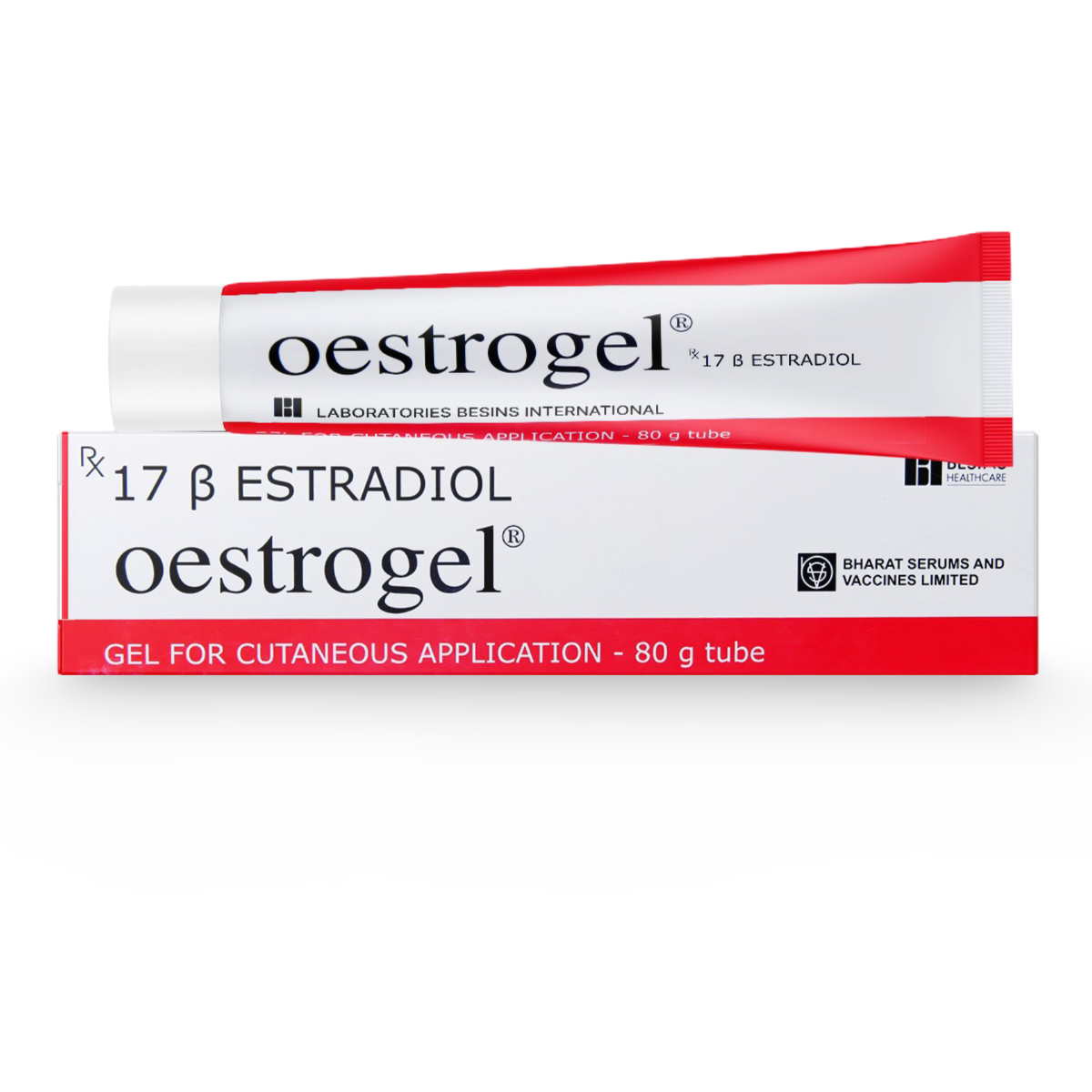
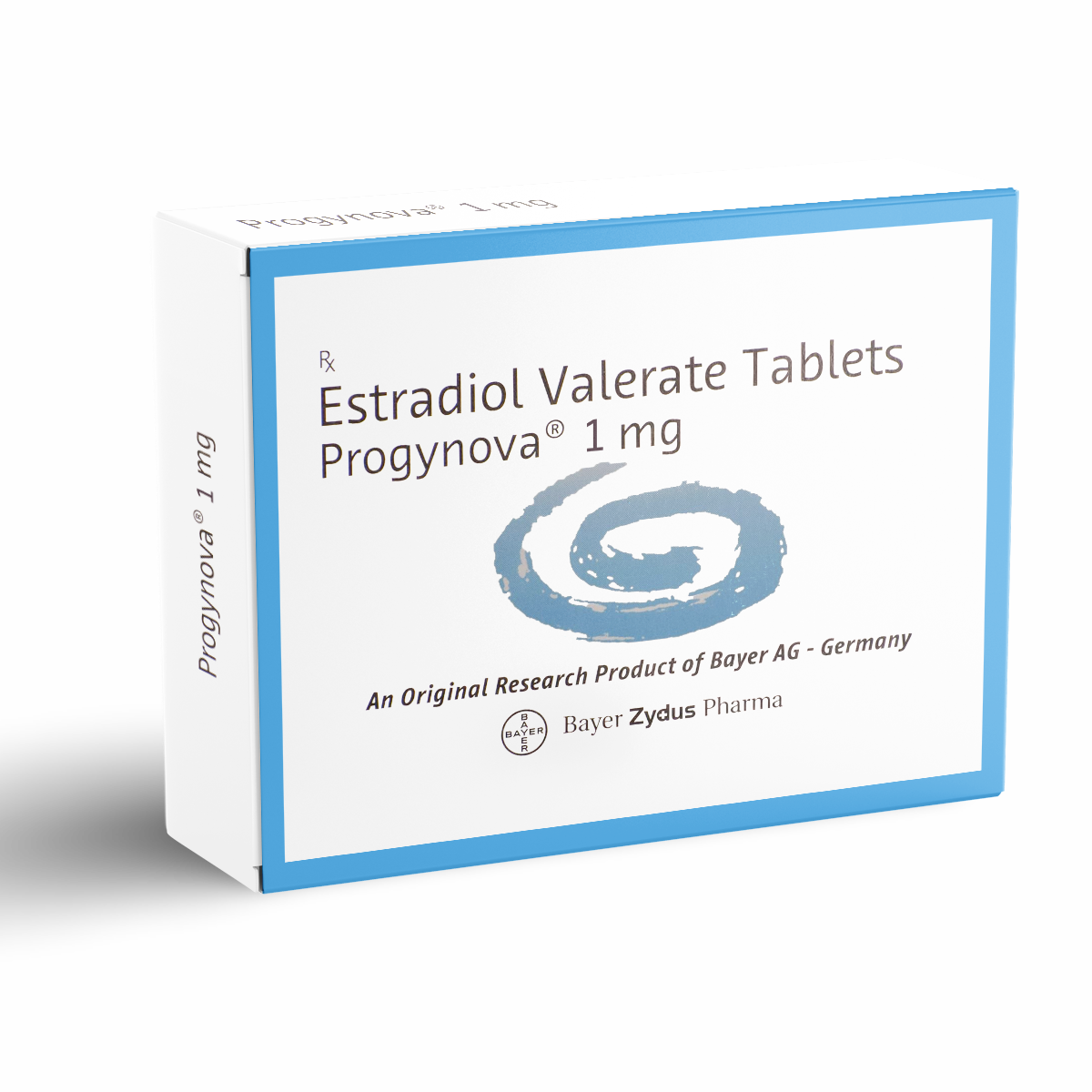
Low-dose estrogen therapy, available as gels like Oestrogel, creams, tablets, or vaginal rings, is a prescription treatment that improves lubrication, elasticity, and blood flow in vaginal tissues. This helps reduce discomfort and can gradually improve sexual drive. Other options include Dehydroepiandrosterone (DHEA), a prescription vaginal treatment that supports tissue repair and reduces dryness.
Non-hormonal prescription medicines
When hormone therapy is not suitable, doctors can prescribe non-hormonal medicines like Ospemifene. It improves vaginal elasticity, which helps reduce pain during sexual activity called Dyspareunia. It also boosts lubrication, which indirectly helps improve libido in menopausal women.
Off-label medicines and therapy
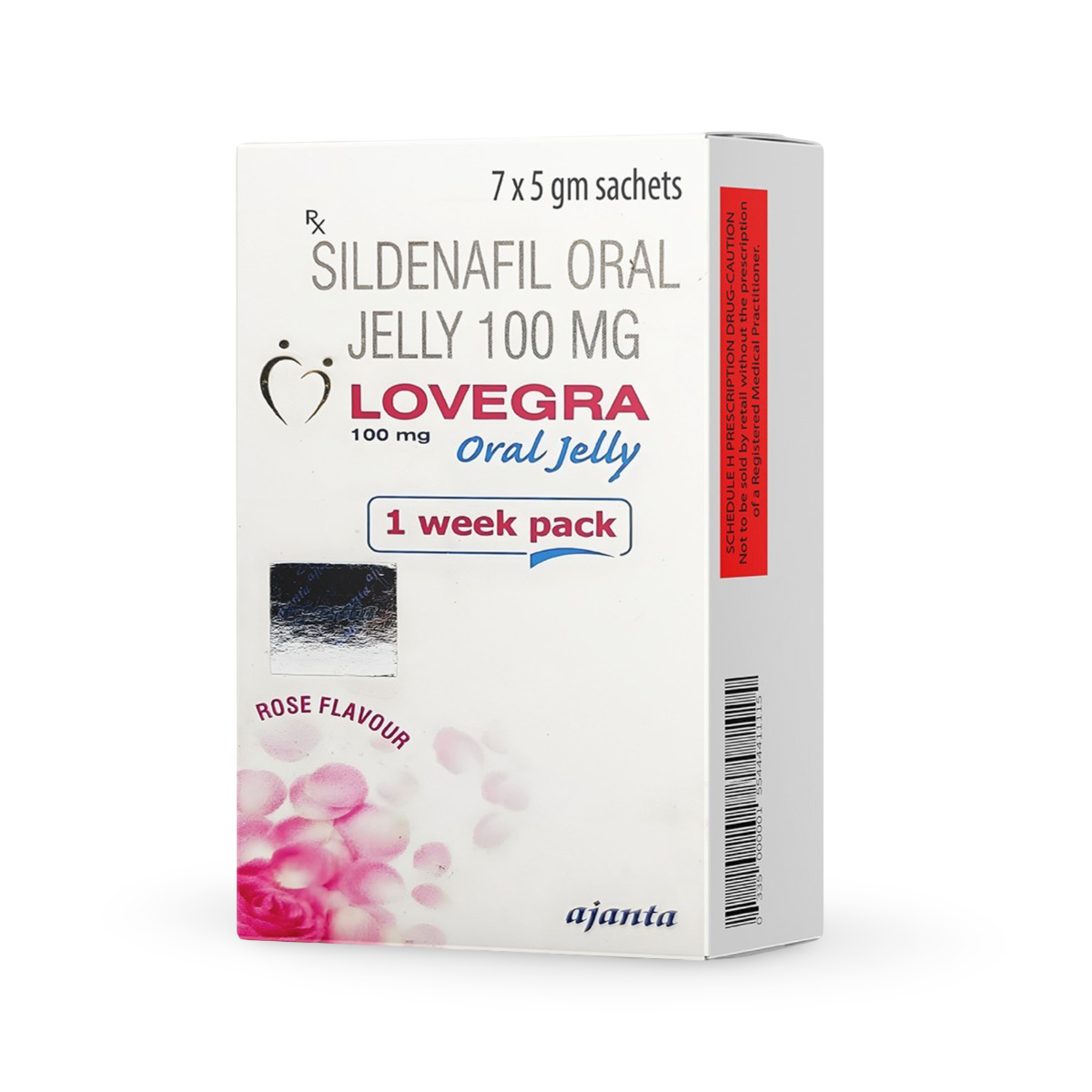
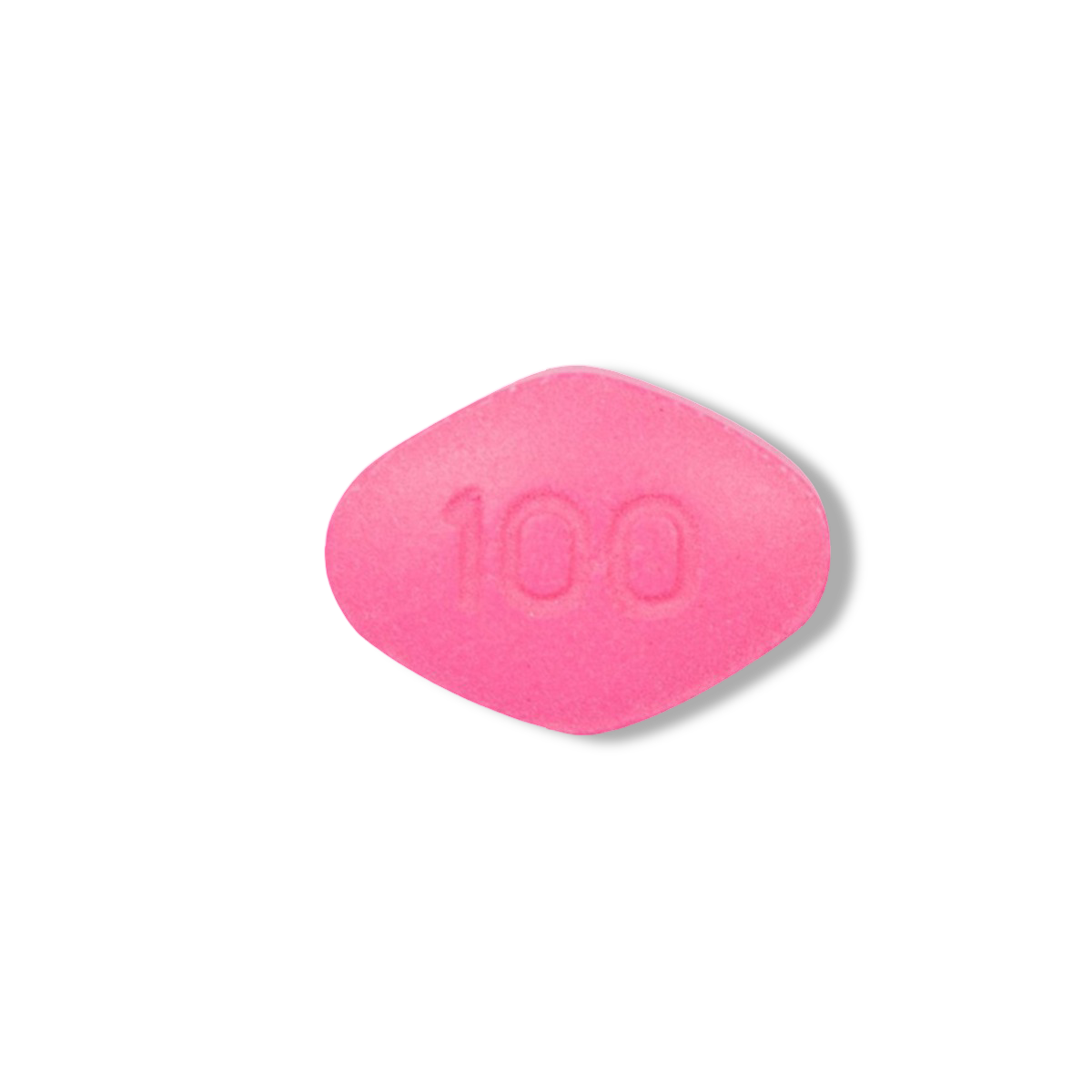
In some cases, doctors can prescribe Sildenafil medicines, like Lovegra, off-label to improve genital blood flow, which indirectly boosts libido by improving vaginal sensitivity. They can also perform sex therapy or counseling to help address emotional, psychological, or relationship-related factors that affect sexual drive.
When to see a doctor for menopause-related libido changes?
Menopause-related changes in sex drive are common, but persistent or distressing symptoms should not be ignored. A medical evaluation helps identify the underlying cause and ensures appropriate treatment. Consult a doctor if:
- Low sex drive persists for several months
- Pain during intercourse continues despite using lubricants
- There is bleeding during sexual activity
- Vaginal dryness is severe or worsening
- Symptoms begin to affect emotional well-being or relationship satisfaction
Conclusion
Menopause and sex drive changes are closely linked due to hormonal fluctuations, particularly declines in estrogen and testosterone. These changes can lead to vaginal dryness and discomfort during intercourse, which can cause low libido.
However, with the right approach, including lifestyle adjustments like regular exercise, use of lubricants, and stress management, many women can improve their sex drive. Along with natural methods, doctors often prescribe medical treatments, such as local estrogen therapy and medicines like Sildenafil, to boost sex drive.
Seeking medical guidance when needed ensures safe and effective management of libido changes. It allows women to maintain intimacy and overall well-being during and after menopause.

Frequently Asked Questions
What are the best supplements for menopausal libido?
There are no proven best supplements for menopausal libido. Some supplements, like omega-3 fatty acids, vitamin D, and herbal options, may support overall well-being. However, their direct impact on libido varies, and they should be used with medical advice to ensure safety and effectiveness.
Does a woman’s sex drive increase in her 50s?
No, a woman’s sex drive does not generally increase in her 50s. It generally decreases due to changes associated with menopause. However, some women can enjoy intimacy more as the worry of pregnancy decreases, which can indirectly increase libido.
What happens to a woman’s body without sex for a long time?
If a woman does not indulge in sexual activity, it can lead to decreased vaginal lubrication, reduced tissue elasticity, and lower blood flow over time. This can make intercourse less comfortable later. Emotional intimacy with the partner and arousal patterns can also gradually decline without regular stimulation.
Do females still have orgasms after menopause?
Yes, women can still have orgasms after menopause. While hormonal changes can affect arousal and sensitivity, orgasm is still possible with adequate stimulation. In some cases, longer foreplay, the use of lubricants, and addressing discomfort can help maintain satisfying sexual experiences.
Citations
GoodRxMedicine only refers to credible, authoritative sources for our content. If you're curious about how we ensure the integrity of our content, we encourage you to read our Content Information Policy.
How useful was this post?
Click on a star to rate it!
No votes so far! Be the first to rate this post.
Julian Carter is a highly accomplished MBA graduate in Pharmaceutical Management, celebrated for his extensive experience and exceptional skills in the pharmaceutical industry. With a wealth of knowledge and expertise, Julian is a valuable contributor to the field and a trusted voice in pharmaceutical management. As a contributing writer for Goodrxmedicine.com, Julian is committed to educating and empowering individuals to make informed decisions about their health. His passion for the industry is evident in his work, and his dedication to improving the lives of others through education and empowerment is truly remarkable. With a reputation for excellence and a track record of success, Julian Carter is a respected and admired figure in pharmaceutical management. His insights and contributions to the field are highly valued, and his expertise has helped shape the direction of the industry for the better. Through his work as a contributing writer for Goodrxmedicine.com and beyond, Julian continues to make a meaningful impact in the lives of many. His commitment to excellence and dedication to improving the health of individuals and communities around the world make him an inspiration to others in the field.
Learn MoreDr. James Mitchell is a board-certified physician with 18+ years of clinical experience in Sexual Medicine and Reproductive Health. He helps patients navigate intimate health concerns through medically sound guidance and compassionate, patient-centered care.
Learn More