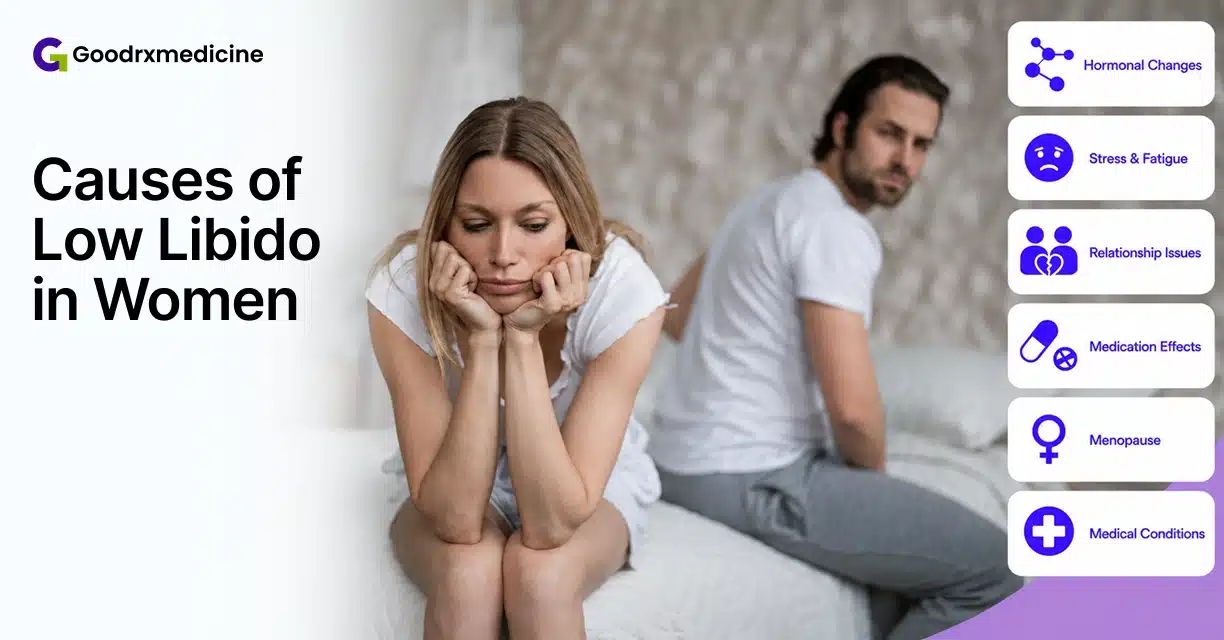



Menopause can lower libido as hormone levels change. This happens because the ovaries stop releasing eggs and produce much less estrogen. Lower estrogen may cause vaginal dryness, discomfort, and reduced sensitivity, making intimacy less enjoyable. Stress, mood changes, fatigue, and poor sleep can further reduce sexual interest.
These symptoms may also continue after menopause, affecting sexual comfort in postmenopausal women as well. When such issues are mild, some women may consider menopause libido supplements as a more natural, holistic approach. Certain supplements may support sexual response more directly by improving genital blood flow or arousal. Others may help indirectly by reducing stress, supporting mood, or improving vaginal comfort.
Common options include maca root, red ginseng, L-arginine, ashwagandha, red clover, and chasteberry. These supplements have been used or researched for menopausal, postmenopausal, or female sexual health.
This article covers 9 menopause libido supplements, their potential benefits, studied doses, use, and safety. It also compares them with medical treatments to help you understand the available management options.
1. Red clover
Red clover contains isoflavones, plant compounds that have mild estrogen-like effects in the body. During menopause, declining estrogen can contribute to vaginal dryness, discomfort, and changes in vaginal tissues that may affect sexual comfort and desire.
Red clover may help support vaginal health and ease some menopause-related symptoms. By improving comfort during intimacy, it may indirectly manage Low Libido and sexual well-being. Research on its direct effects on sexual function is still limited, so benefits can vary between women.
- Studied dose: Around 40-80 mg daily.
- How to take: Take standardized capsules or tablets as directed on the product label.
Save up to 90% on your medicine bills
2. Maca root
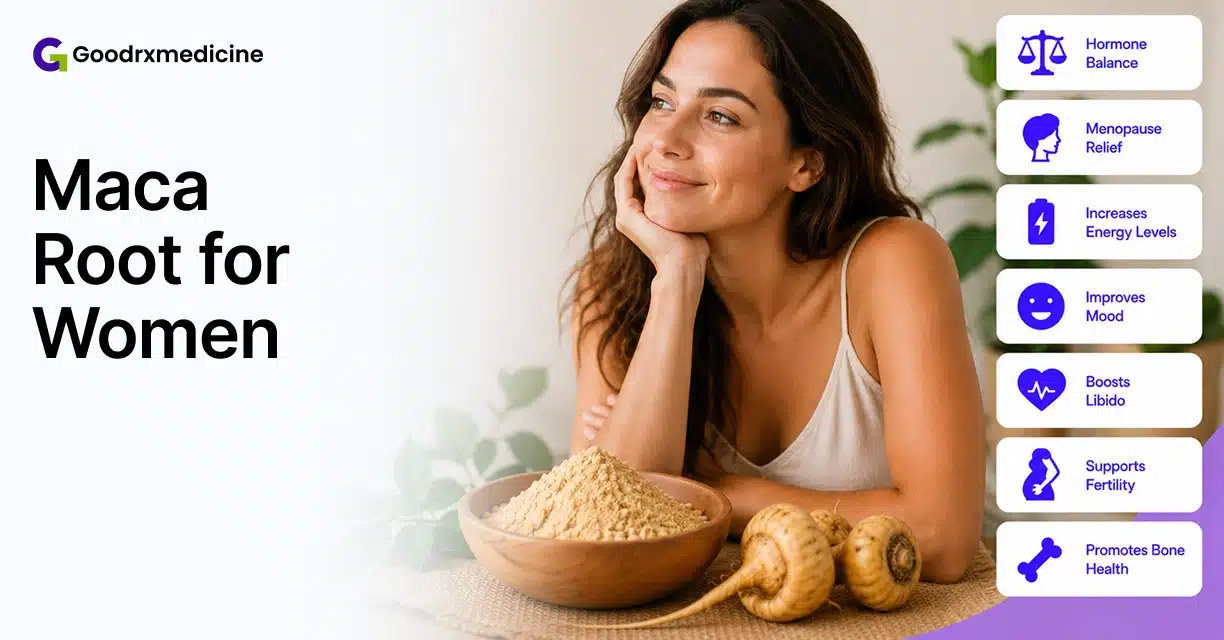
Maca root contains bioactive compounds called macamides and macaenes, which are known to have mood and energy regulation properties. This may be useful after menopause, when low mood and stress can reduce interest in intimacy. By easing these psychological barriers, maca may indirectly support sexual desire.
Additionally, a small clinical trial reported the benefits of maca root in postmenopausal women. These include improvements in Anxiety, depressive symptoms, and Sexual Dysfunction.
- Studied dose: 3.5 g daily.
- How to take: Take as a powder or in capsules, as directed on the product label.
3. Chasteberry
Chasteberry (Vitex agnus-castus) may support sexual well-being during menopause by acting on your dopamine receptors in the pituitary gland. This can help regulate prolactin, a hormone that affects reproductive hormone signaling, mood, breast tenderness, and sexual desire when levels are elevated.
By supporting prolactin regulation and easing symptoms such as irritability, mood changes, or breast discomfort, Chasteberry may indirectly support libido and sexual comfort.
- Commonly used dose: About 20 mg of standardized dry extract once daily.
- How to take: Take the capsule or tablet once daily as directed on the standardized product.
4. L-arginine
L-arginine is an amino acid that your body uses to produce Nitric Oxide (NO), which helps relax blood vessels and improve circulation. Better genital blood flow may support arousal, sensitivity, lubrication, and orgasm. Therefore, L-arginine may offer you a more direct circulation-related benefit for sexual function as a female arousal supplement.
A 2021 research review studied L-arginine in combination with other supplements for women with low sexual desire. The results showed an improvement in sexual arousal, lubrication, desire, and overall satisfaction.
- Studied dose: 2 g daily, given as 1 g twice daily.
- How to take: Take orally as capsules or powder, divided into two daily doses.
5. Fennel
Fennel (Foeniculum vulgare) contains plant compounds, such as anethole, that have estrogen-like activity. It may help relieve menopausal symptoms such as hot flashes, vaginal itching, dryness, painful intercourse, and sleep problems. Fennel may also support sexual function and satisfaction. By addressing all these issues, it may make intimacy more comfortable for you and indirectly support interest in sexual activity.
- Studied oral dose: 100 mg twice daily for 8 weeks.
- How to take: Take oral fennel capsules twice daily as studied or according to product directions.
6. Red ginseng
Red ginseng contains active compounds called ginsenosides. These compounds are reported to support NO activity, which helps relax blood vessels and improve circulation. Better blood flow to genital tissues may support arousal and sexual response.
Red ginseng may also help with some menopausal symptoms, including fatigue and overall discomfort. Since menopause and libido are often linked through changes in energy, comfort, and sexual response, easing these symptoms may indirectly improve interest in intimacy. So, red ginseng may support sexual well-being through both improved sexual response and indirect relief of menopause-related barriers.
- Studied dose: 3 g of Korean Red Ginseng daily.
- How to take: The menopause study used three 1 g capsules daily.
7. Shatavari
Shatavari (Asparagus racemosus) is an Ayurvedic herb traditionally used to support women’s health. It contains certain compounds that may influence the body’s stress response and estrogen-related signaling. This may help ease menopausal symptoms like hot flashes, mood swings, stress, and sleep issues. By reducing these barriers to intimacy, shatavari may indirectly support libido, sexual well-being, and overall quality of life.
- Studied dose: 300 mg of standardized Shatavari root extract daily.
- How to take: Take one standardized oral capsule once daily.
8. Ashwagandha
Stress, Anxiety, poor sleep, and fatigue during menopause can lower sexual desire and make intimacy less appealing. Ashwagandha is an adaptogenic (stress-relieving) herb that may help reduce Anxiety by lowering cortisol levels (a stress hormone) and balancing the body’s chemical response to stress.
Through better stress management, ashwagandha may also help ease mild sleep disturbances and mood changes. By reducing these mental and physical barriers, it may indirectly support sexual interest, comfort, and overall well-being during menopause.
- Studied dose: 300 mg of standardized root extract twice daily.
- How to take: Take one oral dose twice daily, following the standardized product directions.
9. Dehydroepiandrosterone (DHEA)
DHEA is a hormone-based supplement that contains Dehydroepiandrosterone, a hormone naturally produced by the adrenal glands. Its levels decline with age, especially after menopause. The body converts DHEA into small amounts of estrogen and androgens, which influence sexual desire, arousal, and vaginal health. Therefore, DHEA supplements may support libido and sexual well-being in some postmenopausal women.
- Studied oral dose: 25 mg of DHEA once daily.
- How to take: Take oral DHEA only after consulting a healthcare professional because it affects hormone levels.
Key considerations before using menopause libido supplements
Menopause libido supplements can offer natural support, but they are not risk-free. Depending on the ingredient, they may affect hormones, blood pressure, sleep, or how certain medicines work. Safe use will, thus, depend on the supplement, dose, product quality, and your overall health.
- Consult your doctor: Talk to a medical professional before starting a supplement, particularly if you have liver or kidney disease, severe heart issues, Diabetes, or blood pressure problems. Also mention any regular medicines, as some herbs can interact with prescription or over-the-counter pills.
- Check product quality: Menopause supplements are not FDA-approved for safety or effectiveness before being sold. So, choose products from reputable manufacturers and carefully review the ingredient list, dose, expiry date, and labeling to help ensure safe use.
- Observe side effects: Libido supplements contain different active ingredients, so their side effects can vary. Depending on the product, you may experience stomach upset, headache, dizziness, or changes in sleep. Stop taking the product and consult your doctor if such effects become persistent or severe.
- Follow the right dose: There is no FDA-approved universal dose for menopause libido boosters. It’s better to consult a doctor before using a studied dose or the manufacturer’s directed dose. Avoid increasing the dose in an attempt to get faster or stronger results.
Natural libido supplements vs medical treatment
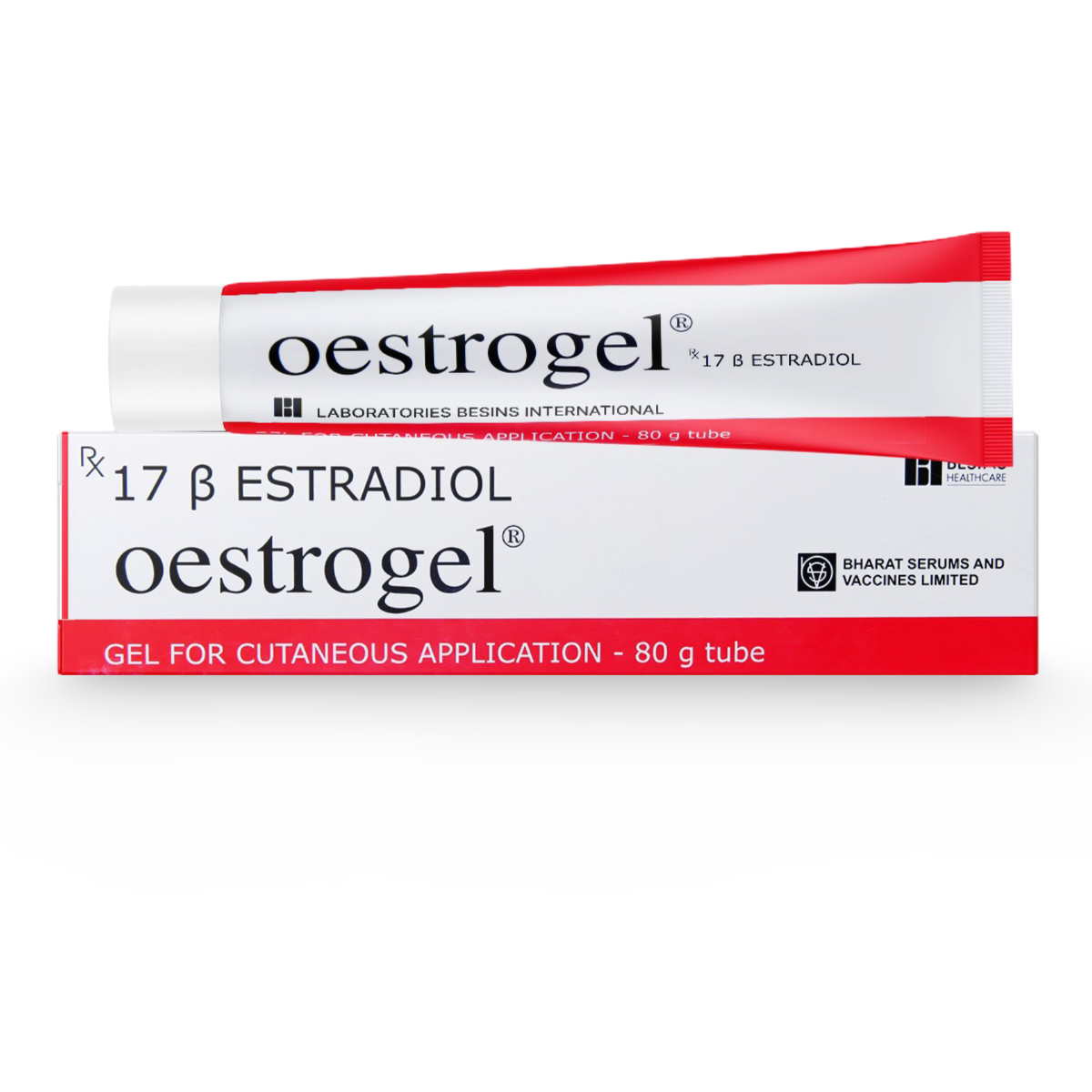
Natural libido supplements may offer relief in mild cases, but they should never replace medical treatment for severe or persistent Low Libido. Medical approach includes options like vaginal DHEA, available as Prasterone, or Hormonal Replacement Therapy (HRT) available as pills or creams (like Oestrogel Gel 80 g).
Other treatments include FDA-approved pills or injections, like Flibanserin for both premenopausal and postmenopausal women till the age of 65 and Bremelanotide injections for premenopausal women with low sexual desire.
Given below is the comparison between the two treatment approaches:
| Parameters | Natural libido supplements | Medical treatments |
|---|---|---|
| Availability | Generally available over the counter | Prescription-only |
| Working | Control stress, improve mood and energy, and mildly influence hormone activity or blood flow | Targets underlying causes like hormonal changes, vaginal discomfort, or nerve-brain signaling. |
| Ingredient profile | Lack of quality control increases the risk of unknown ingredients with unregulated quantities | Approved or clinically proven ingredients with regulated strengths |
| Onset of action | Typically takes several weeks to months with consistent use | Works faster with onset depending on the treatment. |
| Side effects | Side effects are not well-documented. Can be mild to severe. | Well-established side effects, along with safety guidance. |
| Clinical evidence | Limited or mixed | Strong clinical data with FDA approval for most treatments |
Natural supplements may cost less initially, but regular long-term use can increase the total cost. Medical treatments may cost more at first, but some work faster or are used only when needed. They are also better studied, so their results are generally more predictable. Therefore, they can provide more consistent and significant symptom relief over time.

Conclusion
Menopause libido supplements may support sexual well-being by addressing factors that impact sexual desire during and after menopause. Red clover, maca, chasteberry, ashwagandha, shatavari, and fennel are some of the menopause libido supplements that may improve mood and vaginal comfort, or help regulate stress.
L-arginine and red ginseng may support circulation and arousal, while DHEA may support sexual desire by influencing estrogen activity. For safe use, consult a doctor for an individualized dose, choose reliable products, and watch for side effects.
If Low Libido is persistent or distressing, medical treatment may be more suitable. HRT and vaginal Prasterone can treat menopause-related symptoms, while Flibanserin targets low sexual desire in pre- and postmenopausal women. While natural supplements may be cheaper for long-term use, medical treatments offer safer, more significant improvements.
Frequently Asked Questions
What herbal supplements are commonly used for menopause libido?
Maca, red ginseng, ashwagandha, red clover, and chasteberry are widely used to support overall sexual wellness during or after menopause. These supplements do not treat Low Libido directly, but some may regulate factors that affect sexual desire. These factors include stress, mood, energy, circulation, and vaginal comfort.
What drinks increase female libido?
No drink reliably increases female libido, but some may offer indirect support. Pomegranate juice, green tea, and maca smoothies may support circulation, energy, or mood. Some studies have also linked moderate red wine intake with sexual desire. However, avoid excessive alcohol and caffeine, as they can disrupt sleep and potentially reduce sexual desire.
Which vitamins may support libido during menopause?
Vitamin D, E, and B, including B6 and B12, may support mood, energy, and normal hormone function, indirectly helping libido during menopause. Magnesium and omega-3s may also address fatigue and support circulation. Correcting a deficiency is usually more useful than taking high doses when your body does not routinely need them.
Should I choose natural or prescription treatment for Low Libido?
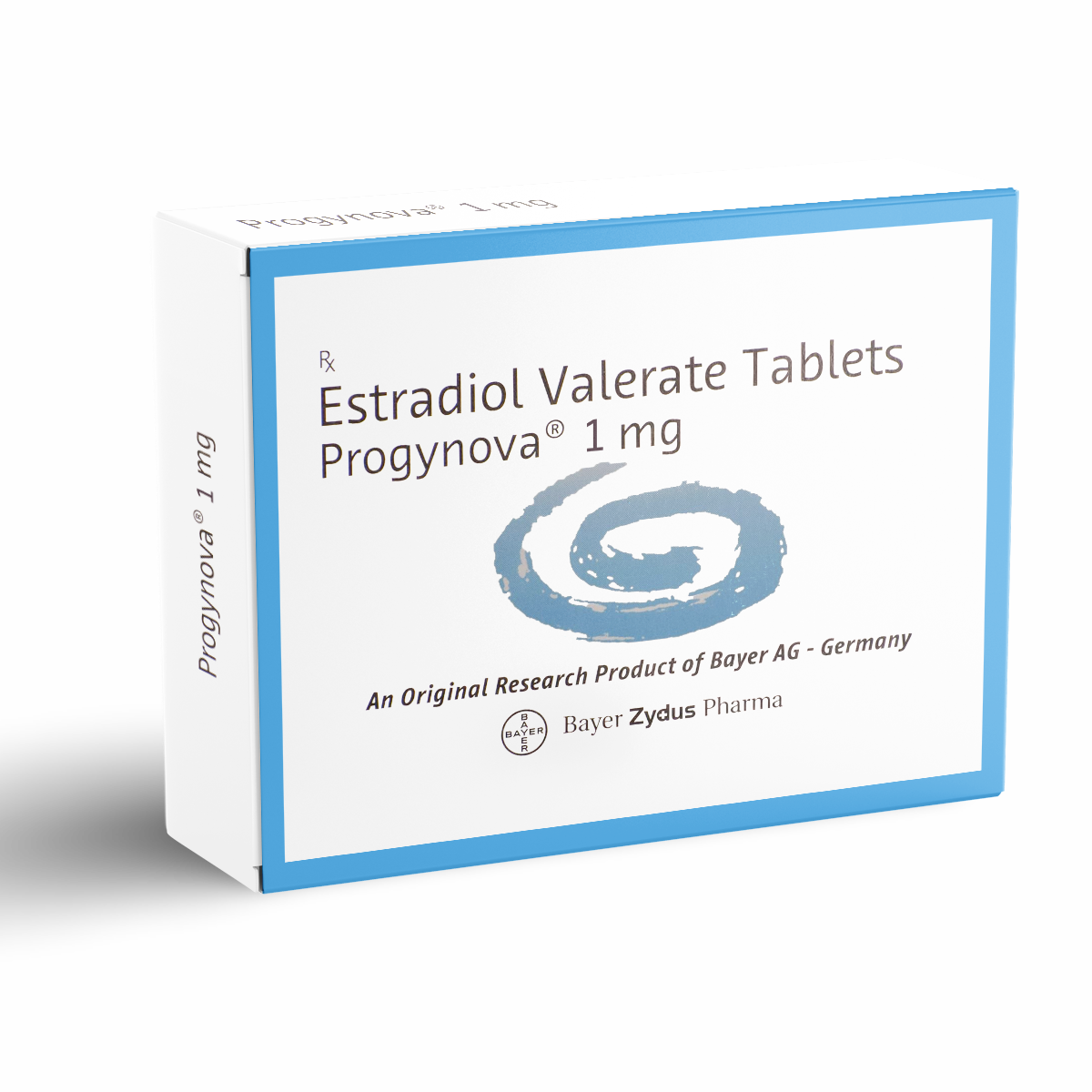
Natural supplements don’t treat Low Libido directly; they only support overall sexual health. For persistent symptoms, prescription treatments may be more appropriate, depending on the cause. Options include estradiol pills like Progynova 1 mg for menopause-related symptoms, Flibanserin for eligible women, and psychological or behavioral therapies. Consult a doctor for guidance.
Citations
GoodRxMedicine only refers to credible, authoritative sources for our content. If you're curious about how we ensure the integrity of our content, we encourage you to read our Content Information Policy.
How useful was this post?
Click on a star to rate it!
No votes so far! Be the first to rate this post.
Julian Carter is a highly accomplished MBA graduate in Pharmaceutical Management, celebrated for his extensive experience and exceptional skills in the pharmaceutical industry. With a wealth of knowledge and expertise, Julian is a valuable contributor to the field and a trusted voice in pharmaceutical management. As a contributing writer for Goodrxmedicine.com, Julian is committed to educating and empowering individuals to make informed decisions about their health. His passion for the industry is evident in his work, and his dedication to improving the lives of others through education and empowerment is truly remarkable. With a reputation for excellence and a track record of success, Julian Carter is a respected and admired figure in pharmaceutical management. His insights and contributions to the field are highly valued, and his expertise has helped shape the direction of the industry for the better. Through his work as a contributing writer for Goodrxmedicine.com and beyond, Julian continues to make a meaningful impact in the lives of many. His commitment to excellence and dedication to improving the health of individuals and communities around the world make him an inspiration to others in the field.
Learn MoreDr. James Mitchell is a board-certified physician with 18+ years of clinical experience in Sexual Medicine and Reproductive Health. He helps patients navigate intimate health concerns through medically sound guidance and compassionate, patient-centered care.
Learn More