


Testosterone therapy for men, also called Testosterone Replacement Therapy (TRT), is a prescription treatment for men with medically confirmed Low Testosterone, a condition known clinically as Hypogonadism. It is used when this deficiency causes symptoms that affect daily life. Testosterone levels can decline with age, often by about 1 percent per year after age 30, but treatment is not based on age alone.
TRT is approved by the US Food and Drug Administration (FDA) for men with Hypogonadism caused by specific medical conditions. It is not approved for age-related testosterone decline or general wellness use.
Doctors usually recommend TRT only when symptoms such as low libido, fatigue, mood changes, or reduced muscle mass are supported by at least two low morning testosterone readings. TRT may help restore hormone levels to a healthy range, but it also requires proper diagnosis, follow-up, and safety monitoring.
This article explains who TRT is for, how it works, the available treatment options, potential benefits, risks, side effects, and key safety considerations before starting treatment.
What is testosterone therapy for men?
Testosterone Replacement Therapy (TRT) is a prescription treatment for men with medically confirmed Low Testosterone levels and related symptoms. It restores testosterone to a healthy range, supporting sexual health, energy, mood, muscle, bone strength, and red blood cell production. Doctors do not prescribe TRT for age-related decline, anti-aging, or performance purposes.
It is considered only when symptoms are supported by blood tests. Since testosterone levels can fluctuate with sleep, stress, or illness, diagnosis is usually confirmed with at least two separate morning readings.
In clinical practice, total testosterone is often considered low when it remains below about 300 ng/dL on two separate early-morning blood tests along with related symptoms. The goal of TRT is to raise testosterone into a normal treatment range of about 450 to 600 ng/dL, so symptoms of Low Testosterone can improve.
Common symptoms of Low Testosterone include:
- Low energy and persistent fatigue
- Reduced sexual drive, including fewer morning erections
- Erectile difficulties (though Low Testosterone is only one possible cause)
- Loss of muscle mass and strength
- Increased abdominal body fat
- Depressed mood, irritability, or reduced motivation
- Poor concentration or mental fog
TRT is appropriate only when these symptoms are clearly linked to hormone deficiency.
Save up to 90% on your medicine bills
How does testosterone therapy work
Testosterone therapy replaces the hormone that the body is not producing in adequate amounts.
Under normal conditions, the brain signals the testicles to produce testosterone. When this signaling system or the testicles themselves do not function properly, testosterone production declines.
To address this deficiency, TRT supplies testosterone from an external source. Once absorbed into the bloodstream, the hormone attaches to receptors in tissues such as muscle, bone, brain, and reproductive organs. This helps support normal biological activity in those systems.
In this way, therapy restores the missing hormone level, but it does not permanently correct the underlying cause. If treatment stops, testosterone levels usually decline again, and symptoms often return.
For most men, TRT is a long-term or lifelong treatment. Because the therapy replaces testosterone rather than restoring natural production, the body continues to need external hormone support to maintain normal levels.
Treatment may be paused or stopped only if side effects develop, if a reversible cause of Low Testosterone is identified and treated, or if a doctor determines that therapy is no longer appropriate. Any decision to stop TRT should be made with a doctor to manage the transition safely.
Who is testosterone therapy for
Testosterone therapy is for men with confirmed Low Testosterone and related symptoms. Before your doctor considers TRT, they will look for the underlying cause of low testosterone. Treatment is usually recommended only when testing confirms a true hormone deficiency linked to a medical condition. Common causes include:
- Primary Hypogonadism: This occurs when the testicles cannot produce enough testosterone. It can be present from birth or develop later due to illness or injury. Blood tests usually show low testosterone despite standard brain hormone signals.
- Secondary Hypogonadism: This happens when the brain does not send proper signals to the testicles. The problem often involves the pituitary gland or hypothalamus. Testosterone levels are low due to reduced brain stimulation.
- Klinefelter Syndrome: This is a genetic condition in which a male is born with an extra X chromosome. It can interfere with normal testicular development. Many men are diagnosed in adulthood during fertility or hormone testing.
- Pituitary gland disorders: Tumors, inflammation, or hormone deficiencies can disrupt normal testosterone signaling. The pituitary gland controls hormone communication between the brain and the testicles. When it malfunctions, testosterone production declines.
- Testicular damage from injury or infection: Trauma, surgery, or infections such as Mumps orchitis can impair hormone production. Damage can be permanent depending on severity. Blood tests help confirm the extent of hormone loss.
- Hormone loss after Chemotherapy or radiation: Cancer treatments like Chemotherapy can affect testicular function. Some men recover hormone production over time, while others do not. Monitoring is necessary before considering long-term therapy.
- Long-term opioid or corticosteroid use: Certain medications can suppress hormone production. This effect can develop gradually with extended use. Adjusting medication can sometimes improve testosterone levels.
Doctors also review an individual’s complete medical history, current medications, and overall health before starting therapy. Aging alone does not qualify someone for treatment. If testosterone levels are normal, therapy is not recommended.
Common methods of administration
Testosterone therapy is available in several forms. Each method delivers testosterone into the bloodstream, but they differ in dosing frequency, absorption pattern, and convenience. No single option is universally better than another. The most appropriate method depends on individual medical history, lab results, cost, tolerance, and physician guidance.
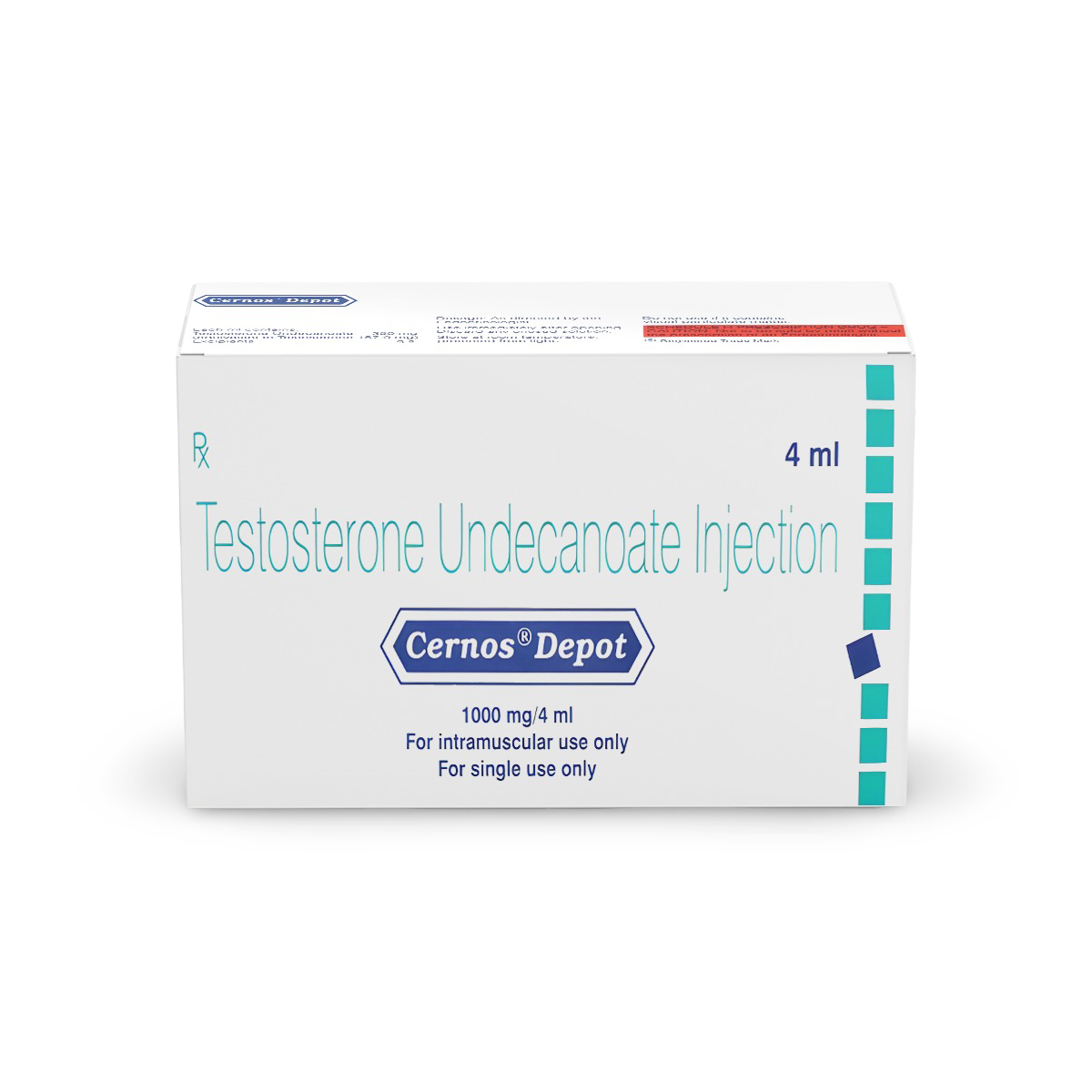
Intramuscular injections
Intramuscular injections are administered into a large muscle, typically every 1 to 2 weeks. Testosterone levels often rise soon after the injection and gradually decline before the next dose.
Some men notice temporary fluctuations in mood or energy as levels change. Regular monitoring helps ensure hormone levels remain within a safe range.
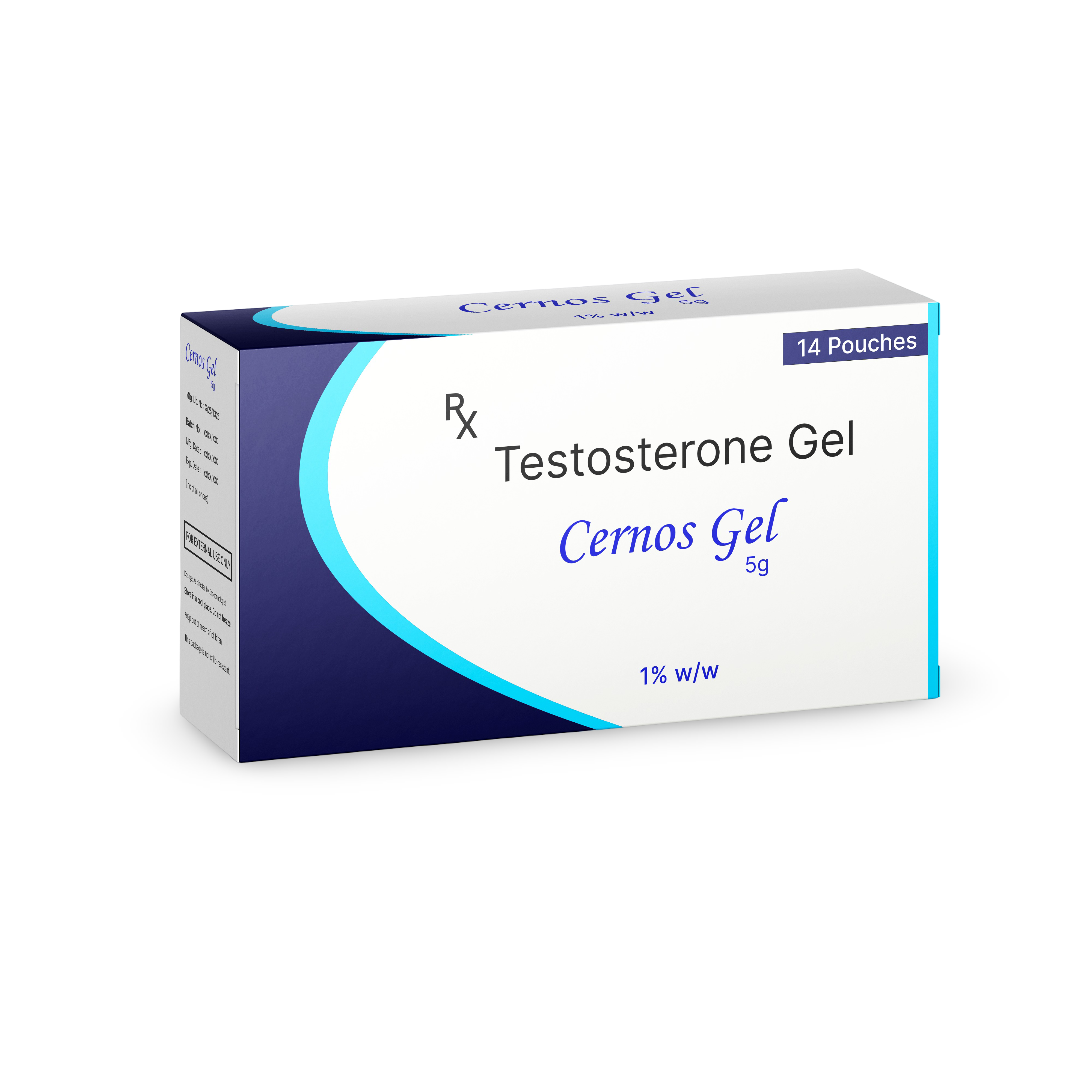
Topical gels
Topical gels are applied once daily to the shoulders, abdomen, or upper arms. The hormone is absorbed through the skin and gradually enters the bloodstream.
Testosterone gels provide relatively steady hormone delivery when used consistently. Men must take care to avoid accidental transfer to others through direct skin contact.
Transdermal patches
Transdermal patches are placed on the skin and replaced daily. They release testosterone slowly over 24 hours.
A patch creates a steady hormone level throughout the day. Mild skin irritation at the application site can happen; rotating application sites can help reduce this.
Subcutaneous pellets
Subcutaneous pellets are small implants inserted under the skin during a minor in-office procedure. They release testosterone gradually over several months.
These pellets reduce the need for daily or weekly dosing. However, the downside is that once the pellets are inserted, the amount of testosterone cannot be easily changed. If the dose turns out to be too high or too low, the doctor usually has to wait until the pellets wear off before making adjustments.
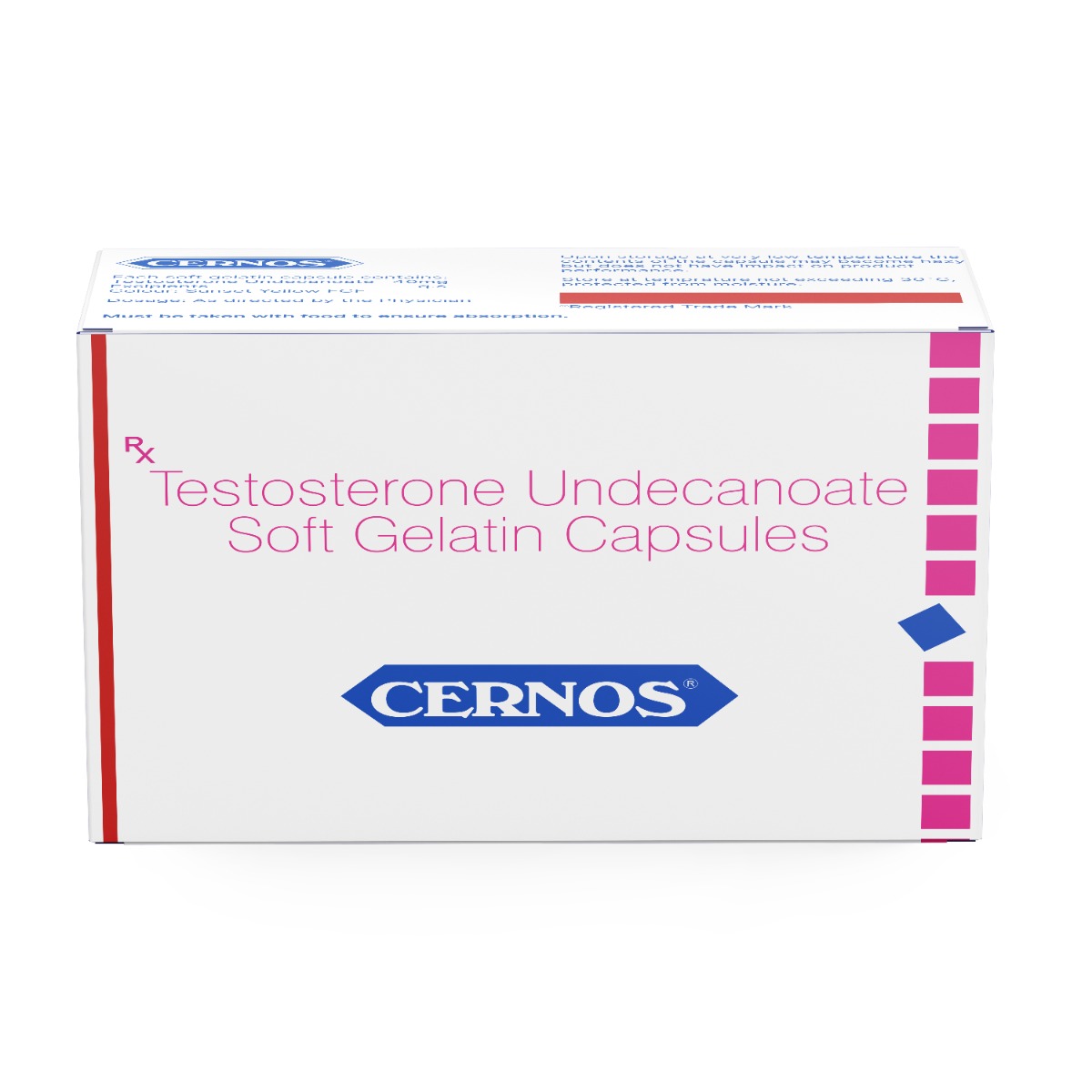
Oral medications
Some forms of testosterone are available as capsules taken once or twice daily with meals. Newer oral options are designed to reduce stress on the liver compared to older testosterone pills. Instead of going straight to the liver after absorption, they enter the body through a different pathway, which can lower the risk of liver-related side effects.
This option can suit individuals who prefer not to use injections, gels, or patches. Regular blood tests are still needed to check hormone levels and overall safety.
Potential benefits of testosterone therapy
When prescribed appropriately for medically confirmed Low Testosterone, TRT can improve several symptoms linked to testosterone deficiency. Benefits do not appear all at once and can vary depending on your baseline testosterone level, overall health, and treatment response.
- Improved energy levels: Men with Low Testosterone often report fatigue and reduced physical drive. After treatment begins, some notice better stamina, less tiredness, and improved day-to-day functioning over time.
- Higher sexual drive: TRT can help improve sexual desire in men whose low libido is linked to Low Testosterone. This is often one of the earlier benefits noticed during treatment.
- Better erectile function: TRT may improve erections when Low Testosterone is a contributing factor. However, it is less likely to help when Erectile Dysfunction is mainly related to poor blood flow, Diabetes, heart disease, or other non-hormonal causes.
- Improved mood: Some men report feeling less irritable, more motivated, and emotionally steadier after testosterone levels improve. TRT can support mood when low testosterone is a contributing factor, but it does not replace treatment for Depression or anxiety disorders.
- Increased muscle mass and strength: Testosterone helps support lean muscle mass and physical strength. With treatment, some men notice gradual improvement in muscle function, especially when TRT is combined with regular exercise and adequate nutrition.
- Stronger bones: Long-term low testosterone can contribute to bone loss. Restoring testosterone levels may help support bone strength and reduce the risk of further bone thinning.
Side effects and risks of TRT
Like any medical treatment, male testosterone therapy can have potential risks. Awareness of these side effects helps men understand what to watch for and when to report issues to their doctor.
Common side effects can include:
- Acne or oily skin: Testosterone can increase oil production in the skin, leading to pimples, acne or oily patches. This is usually mild and often improves over time.
- Mild fluid retention: Some men can notice slight swelling in the ankles, feet, or hands. This swelling happens because testosterone can affect the balance of water and salts in the body.
- Reduced sperm production and infertility: Testosterone therapy can lower sperm production by suppressing the hormone signals that help the testicles make testosterone and sperm. If you are trying to father a child now or in the near future, tell your doctor before starting treatment, because major guidelines recommend against testosterone therapy when fertility is a near-term goal.
- Increased Red Blood Cell (RBC) count: Testosterone can stimulate the bone marrow to make more Red Blood Cells. Very high levels can increase the risk of blood clots or circulation problems.
- Breast tenderness: Some men experience mild swelling or soreness in breast tissue. This tenderness occurs because testosterone can convert to estrogen in small amounts in the body.
- Sleep Apnea worsening: Sleep Apnea is a condition where breathing pauses during sleep. Testosterone therapy can sometimes make these pauses more frequent, so men with existing Sleep Apnea need careful monitoring.
More serious risks of Testosterone Replacement Therapy in men are uncommon but possible. Ongoing monitoring of blood counts, hormone levels, and prostate health helps ensure treatment remains safe and effective. Doctors also monitor cholesterol, liver function, and blood pressure when indicated.
Important safety consideration
TRT is safe under medical supervision, but certain conditions require careful consideration before starting treatment. Men with the following conditions should either avoid therapy or consult a doctor before proceeding:
- Untreated Prostate or Breast Cancer: Hormone stimulation can worsen these conditions. TRT should be avoided until these are treated and cleared by a specialist.
- Certain cardiovascular and respiratory conditions: These conditions require careful risk assessment with a healthcare provider before therapy is considered.
- Current medications and supplements: Some can interact with hormone therapy, so a full medication and supplement review is necessary before starting treatment.
Regular follow-up appointments and blood tests are necessary to ensure treatment remains effective and safe. Always consult a qualified healthcare professional before starting or adjusting treatment.
Monitoring during testosterone therapy
Testosterone therapy requires regular follow-up to confirm that treatment is working and to catch any side effects early. Monitoring continues for as long as a man remains in therapy, not just during the initial months. The exact schedule depends on the delivery method, age, and individual health factors, but most men follow a similar general pattern.
After starting TRT, doctors usually recheck testosterone levels 3 to 6 months later to confirm the dose is restoring levels to a healthy range. Once levels are stable, follow-up testing is typically done every 6 to 12 months. Alongside hormone levels, doctors monitor several other markers to ensure therapy remains safe:
- Hematocrit and hemoglobin: Testosterone can increase Red Blood Cell production. Elevated levels may raise the risk of blood clots, so regular blood counts are necessary.
- PSA (Prostate-Specific Antigen) and prostate health: Men over 40, or those with risk factors, are usually screened before starting therapy and periodically afterward to monitor for prostate changes.
- Lipid profile and liver function: These are checked when clinically indicated, especially for men with existing cardiovascular or metabolic conditions.
- Blood pressure: Testosterone can affect fluid balance, so blood pressure is checked during routine visits.
- Symptom review: Doctors assess whether symptoms such as low energy, mood, or sexual function have improved, and whether any new concerns have developed.
Men using injections may also need timing adjustments based on how levels fluctuate between doses, while those on gels, patches, or pellets are monitored for steady-state levels. If results are outside the target range or side effects develop, doctors may adjust the dose, switch the delivery method, or pause treatment until levels stabilize.
Consistent follow-up is what separates safe, effective TRT from unsupervised hormone use. With proper medical supervision and regular testing, most men can use testosterone therapy safely over the long term.
Conclusion
Testosterone therapy for men is a prescription medical treatment designed for those with confirmed Low Testosterone and related symptoms. It works by supplying the hormone that the body cannot produce enough of, supporting normal function in muscles, bones, reproductive organs, and the brain.
Men with conditions such as primary or secondary Hypogonadism, Klinefelter Syndrome, or testicular damage can benefit when therapy is supervised. Treatment is available in several forms, including injections, gels, patches, pellets, and pills, each delivering testosterone differently. Potential benefits of testosterone therapy for men include improved sexual desire, energy, mood, muscle strength, and bone density, though results develop gradually.
Like any therapy, it can carry side effects, such as acne, fluid retention, changes in Sleep Apnea, and increased blood counts, making monitoring essential. Critical safety guidelines help identify who should avoid therapy, such as men with untreated Prostate Cancer or severe Sleep Apnea, and ensure safe use. Regular medical supervision ensures the treatment is both effective and safe.

Frequently Asked Questions
Does testosterone therapy increase penis size in adult men?
No, testosterone therapy does not increase penis size in adult men. Once puberty ends, penis growth stops. If you have Low Testosterone, treatment can improve erections or sexual function, but it will not make the penis physically larger. It restores hormone levels, not anatomy.
Is Testosterone Replacement Therapy safe for men?
Yes, Testosterone Replacement Therapy for men is safe when a doctor prescribes and monitors it properly. You need blood tests before and during treatment to check hormone levels and overall health. Problems like acne can happen without supervision. Always follow medical advice and attend regular checkups to reduce risks.
How long does it take to see results from TRT?
Results from TRT appear gradually and vary by symptom. Sexual desire and mood often improve within 3 to 6 weeks; energy and erectile function can take 1 to 3 months. Muscle mass and bone density develop more slowly, over 6 to 12 months. Regular follow-up helps track progress.
Can you take testosterone with blood thinners?
Yes, you can take testosterone while using blood thinners, but your doctor must monitor you closely. Testosterone can increase Red Blood Cell levels, which can affect clot risk. You need regular blood tests to adjust doses and ensure safe treatment.
Should a 20-year-old male take testosterone?
No, a 20-year-old male should not take testosterone unless a doctor confirms a true hormone deficiency with repeat blood tests. At this age, the body usually produces enough naturally. Unnecessary use can lower sperm production, affect mood, and disrupt the body’s normal hormone system.
Does TRT change your face?
Yes, TRT can change your face over time. You can notice a sharper jawline, thicker facial hair, or less fat in your cheeks. Your skin can also become oilier. These changes happen slowly over several months. Results depend on your age, genetics, and hormone levels.
Citations
GoodRxMedicine only refers to credible, authoritative sources for our content. If you're curious about how we ensure the integrity of our content, we encourage you to read our Content Information Policy.
How useful was this post?
Click on a star to rate it!
No votes so far! Be the first to rate this post.
Julian Carter is a highly accomplished MBA graduate in Pharmaceutical Management, celebrated for his extensive experience and exceptional skills in the pharmaceutical industry. With a wealth of knowledge and expertise, Julian is a valuable contributor to the field and a trusted voice in pharmaceutical management. As a contributing writer for Goodrxmedicine.com, Julian is committed to educating and empowering individuals to make informed decisions about their health. His passion for the industry is evident in his work, and his dedication to improving the lives of others through education and empowerment is truly remarkable. With a reputation for excellence and a track record of success, Julian Carter is a respected and admired figure in pharmaceutical management. His insights and contributions to the field are highly valued, and her expertise has helped shape the direction of the industry for the better. Through his work as a contributing writer for Goodrxmedicine.com and beyond, Julian continues to make a meaningful impact in the lives of many. His commitment to excellence and dedication to improving the health of individuals and communities around the world make him an inspiration to others in the field.
Learn MoreDr. James Mitchell is a board-certified physician with 18+ years of clinical experience in Sexual Medicine and Reproductive Health. He helps patients navigate intimate health concerns through medically sound guidance and compassionate, patient-centered care.
Learn More