





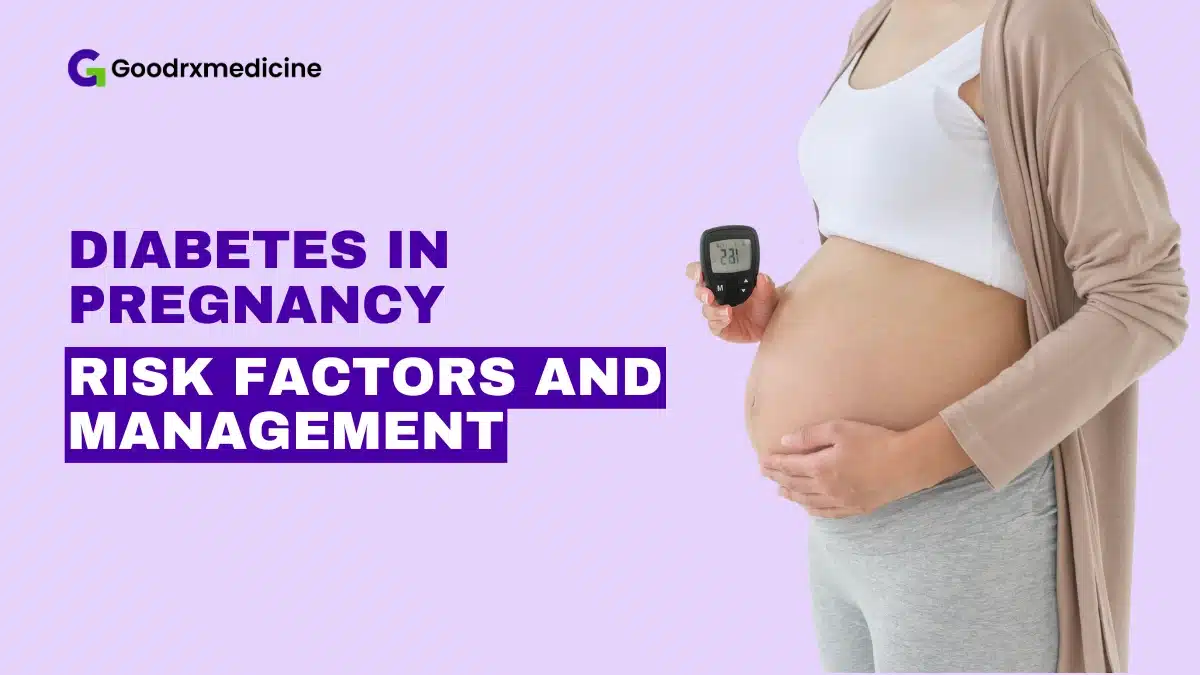
Diabetes is a condition in which the body is not able to produce or use insulin, which triggers a significant increase in blood sugar levels. In turn, it can damage the eyes, nerves, kidneys, and the heart. This increase in blood sugar becomes even more crucial during pregnancy as it can affect both the developing baby and the mother. WHO reports that Diabetes affects around 1 in 6 pregnancies, which is 21 million women, annually, around the world.
Increased levels of blood sugar in pregnancy can heighten the risk of serious issues like large babies, birth injuries, and stillbirth if not managed effectively. Fortunately, there are several medically approved methods, such as a healthy diet and regular monitoring, that can help women control their blood sugar levels.
In this article, we will be discussing Diabetes in pregnancy, its causes, and who is at a higher risk of developing it. Furthermore, you’ll learn natural management strategies, including a healthy diet plan, and the appropriate timing for consulting a doctor for this condition.
What does it mean to have Diabetes in pregnancy?
Some women already have Diabetes before they become pregnant. It could be Type 1 or Type 2 Diabetes. But others can develop it during pregnancy, known as Gestational Diabetes Mellitus (GDM). It generally develops during the 24-28th week of pregnancy (2nd trimester) when your body can’t produce the extra insulin required for a healthy pregnancy. This triggers a sharp spike in blood sugar levels, called Hyperglycemia.
For most women, blood sugar levels return to normal after childbirth. However, this health condition increases the risk of getting Type 2 Diabetes later in life, in general, particularly when poorly managed. Furthermore, there are usually no or mild symptoms of GD in pregnancy. If you do observe symptoms, they can include one or more of the following:
- Tiredness
- Nausea
- Frequent urge to urinate
- Excessive thirst
Save up to 90% on your medicine bills
Januvia 50 mg
Glycomet 1000 mg
Starting at just $0.09 per tabletBuy Now
Trajenta 5 mg
Starting at just $1.02 per tabletBuy Now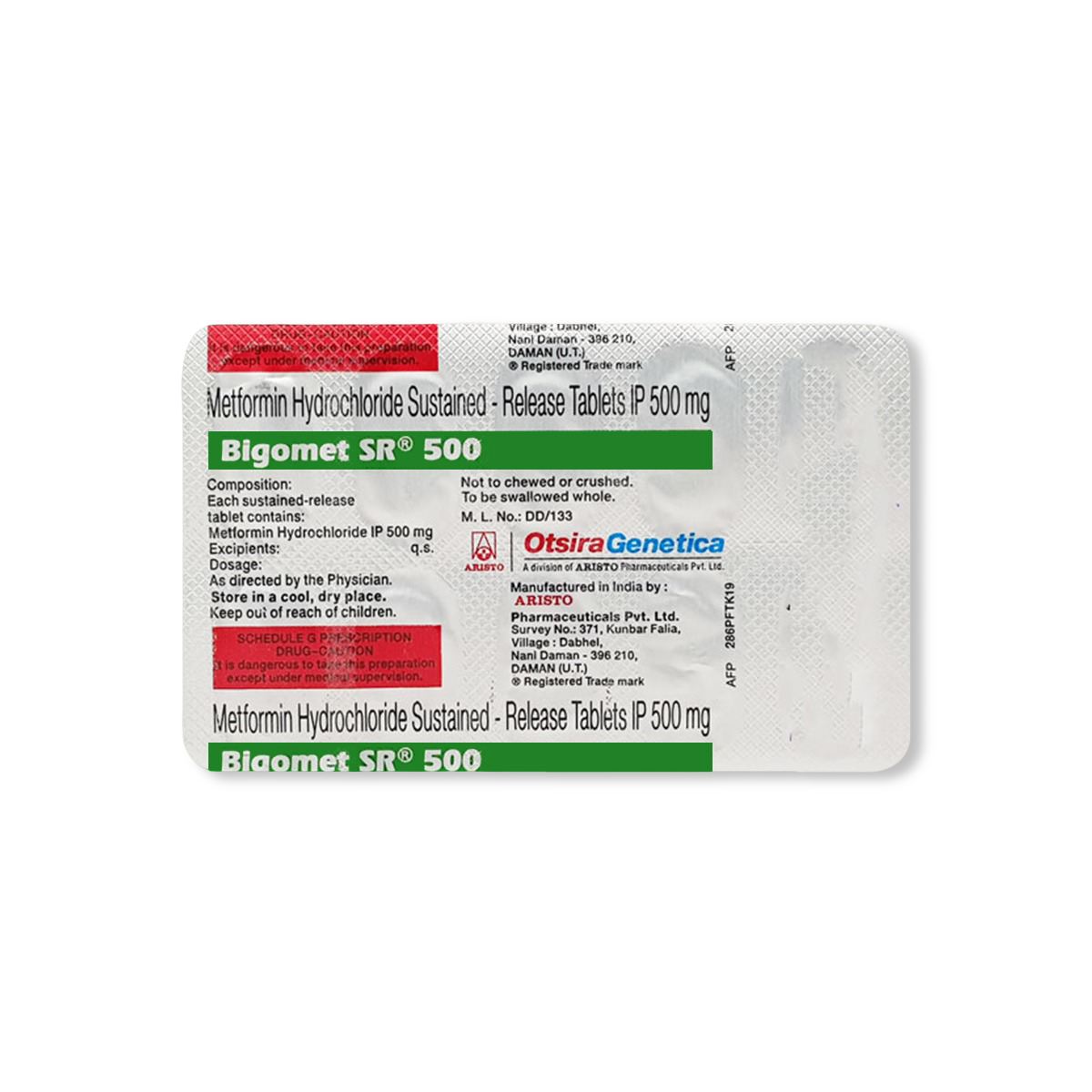
Bigomet 500 Mg Tablet
Starting at just $0.15 per tabletBuy NowCauses and risk factors of Diabetes in pregnancy
The exact cause of Diabetes developed during pregnancy is still not fully known, but hormonal changes during pregnancy are reported to play a major role. Placental hormones such as cortisol, progesterone, and human placental lactogen can reduce the body’s response to insulin, leading to insulin resistance, usually around the 2nd trimester of pregnancy. This increases the body’s need for insulin, and if the pancreas cannot produce enough insulin, GDM can develop.
Furthermore, certain risk factors can heighten the chances of developing GDM:
- High Blood Pressure
- Obesity before getting pregnant
- Polycystic Ovary Syndrome (PCOS)
- Heart diseases
- History of GDM in the previous pregnancy
- Personal or family history of Diabetes
- Advanced maternal age (35 and above)
Effects of Diabetes in pregnancy
GDM increases the risk for both the mother and the child if poorly controlled. It can lead to birth complications, increase the size of the fetus (Macrosomia), and spike blood pressure in the mother. Moreover, GDM affects the baby and the mother differently:
Effects on the mother
Gestational Diabetes can affect the health of the mother by increasing the chances of:
- Developing Preeclampsia (severe High Blood Pressure that causes organ damage).
- Having a C-section (cesarean) delivery due to an increase in fetal size.
- Type-2 Diabetes later.
- Urinary Tract Infections (UTIs) and vaginal infections.
Effects on the baby
GDM can also impact the safety of the baby by increasing the risk of:
- Obesity and Type 2 Diabetes
- Premature delivery
- Breathing problems
- Hypoglycemia (extremely low blood glucose levels)
- Shoulder Dystocia (shoulder gets stuck during delivery)
- Jaundice
- Miscarriage and stillbirth
Management of Diabetes in pregnancy
Routine screening during pregnancy is crucial for early detection of GDM, as symptoms are often absent. The general first step is the Glucose Challenge Test (GCT). If the GCT result is abnormal, doctors perform an Oral Glucose Tolerance Test (OGTT) to confirm the diagnosis of Diabetes. In most cases, treatment is effective with lifestyle changes alone. Next, doctors recommend medications when lifestyle alterations offer no significant improvement.
Regular monitoring
You can self-check your blood sugar levels with a Continuous Glucose Monitor (CGM) or a finger-prick device. The levels should be 70 to 95 mg/dL while fasting, below 140 mg/dL one hour after eating, and below 120 mg/dL two hours after eating.
Physical activity
Engage in moderate-intensity physical activities for 150 minutes a week under professional guidance. Activities can include brisk walking, water aerobics, cycling, and light prenatal yoga poses. However, avoid activities that require lying flat on the back after the 1st trimester. Do not overexert yourself and maintain hydration. Stop exercising immediately and consult your gynecologist if you feel dizzy, experience fluid leakage, vaginal bleeding, or severe contractions.
Healthy diet
Continue taking your prenatal vitamins as recommended by your doctor, and keep carbohydrate intake steady day to day to help maintain stable blood sugar levels. Overall, it is advised to have 3 meals and 1 or 2 snacks a day. Make sure you take your meal on time and in consistent portions. Avoid skipping meals or eating unevenly.
Given below is a detailed diet chart for Gestational Diabetes in pregnancy:
| Category | Daily intake | Foods to eat | Foods to avoid |
|---|---|---|---|
| Carbohydrates | Less than 50% of total calorie intake | Beans, whole grains, brown rice, corn, peas, barley | Refined grains and sugary foods |
| Vegetables | 3-5 servings | Bell peppers, spinach, carrots, broccoli | Vegetables with extra salt, added fat, or heavy sauces |
| Fruits | 2-4 servings | Whole fruits | Sweetened fruit products and fruit juice |
| Dairy | 4 servings | Plain yogurt, low-fat milk | Sweetened and high-fat dairy |
| Protein | 2-3 servings | Eggs, lean meat, beans, fish | Fatty, fried, and processed meat |
| Fats | Moderate intake | Avocado, olive oil, canola oil, nuts | Fried and saturated fats, bacon, butter |
Since nutrient requirements differ from woman to woman due to overall health and pregnancy conditions, make sure to first consult a dietitian for a personalized diet chart.
Medication
When lifestyle adjustments offer minimal or no improvement, the doctor typically recommends insulin injections or oral tablets such as Metformin (Bigomet 500 mg Tablet). Metformin’s exposure is generally pregnancy safe for GDM management. Additionally, if oral treatment alone doesn’t achieve the desired results, your doctor can prescribe it in combination with insulin.
When to see a doctor?
While routine check-ups and regular monitoring help manage blood sugar levels, certain warning signs require quick medical action to ensure your and your baby’s safety. It is time to consult a doctor if:
- Your blood sugar levels are consistently high (more than 200-250 mg/dL) or low (less than 60-65 mg/dL).
- You experience Diarrhea lasting more than 6 hours.
- You are unable to eat and have persistent vomiting.
- The fetus is making less movement than usual.
Conclusion
Diabetes in pregnancy, known as Gestational Diabetes Mellitus (GDM), develops during the 2nd trimester when the body can’t produce extra insulin required for a healthy pregnancy, leading to Hyperglycemia. Symptoms are usually mild, including frequent urination and nausea. It is caused by hormonal shifts that trigger insulin resistance.
Women with High Blood Pressure, PCOS, or Obesity are at a higher risk of getting GDM. This condition can increase the risk of Type 2 Diabetes and the chances of a C-section in the mother. It affects the baby by increasing the risk of premature delivery, breathing issues, and stillbirth.
Lifestyle changes such as moderate-intensity exercise for 150 minutes per week, a healthy diet with steady carbohydrate intake, and regular monitoring can effectively control blood sugar levels. Insulin can be prescribed when necessary. Seek medical care if blood sugar is consistently high and the fetus makes less movement than usual.

Frequently Asked Questions
Does low blood sugar in pregnancy mean Gestational Diabetes?
No, low blood sugar or Hypoglycemia (below 60 or 70 mg/dL) in pregnancy doesn’t mean Gestational Diabetes (GDM). Hypoglycemia generally results from hormonal imbalance, avoiding meals or a long gap between meals, or using insulin for pre-existing Diabetes. GDM arises from high blood sugar levels.
Can you develop Gestational Diabetes later in pregnancy?
Yes, you can develop Gestational Diabetes later in pregnancy, as it is usually diagnosed between 24 and 28 weeks. Most women develop it during the second half of pregnancy, and it typically resolves after birth.
What is the hardest week of Gestational Diabetes?
The hardest week of Gestational Diabetes is usually around 32 to 36 weeks, but it differs from woman to woman. Some women notice their blood sugar becomes harder to control during the 3rd trimester, as pregnancy hormones cause the highest level of insulin resistance.
Can my baby still be healthy if I have Gestational Diabetes?
Yes, your baby can still be healthy if you have Gestational Diabetes when blood sugar levels are effectively controlled. Follow lifestyle changes such as a healthy diet, regular monitoring, daily exercise, and, if doctors suggest, medications. Proper treatment lowers the risk of early birth, a large baby, and low blood sugar in the newborn. CitationMedlinePlusPMC

Julian Carter is a highly accomplished MBA graduate in Pharmaceutical Management, celebrated for his extensive experience and exceptional skills in the pharmaceutical industry. With a wealth of knowledge and expertise, Julian is a valuable contributor to the field and a trusted voice in pharmaceutical management.
As a contributing writer for Goodrxmedicine.com, Julian is committed to educating and empowering individuals to make informed decisions about their health. His passion for the industry is evident in his work, and his dedication to improving the lives of others through education and empowerment is truly remarkable.
With a reputation for excellence and a track record of success, Julian Carter is a respected and admired figure in pharmaceutical management. His insights and contributions to the field are highly valued, and her expertise has helped shape the direction of the industry for the better.
Through his work as a contributing writer for Goodrxmedicine.com and beyond, Julian continues to make a meaningful impact in the lives of many. His commitment to excellence and dedication to improving the health of individuals and communities around the world make him an inspiration to others in the field.