


Most people associate male sex hormones with muscle and sex drive, but their role goes much further than that. Androgens, the group of hormones that includes testosterone, DHT, and DHEA, influence everything from mood and bone strength to fertility, sleep, and mental focus.
Produced mainly by the testes and adrenal glands, these hormones work together to keep the male body functioning properly. Their levels shift naturally with age, but stress, illness, poor sleep, and certain medications can accelerate or worsen that decline.
What many men do not realize is that even a gradual hormonal shift can affect daily life in ways that are easy to miss or mistake for something else. Read on to find out what male sex hormones are, the different types, how they function, and what causes their levels to rise or fall.
What are male sex hormones?
Male sex hormones, medically known as androgens, are a group of hormones responsible for the development of male reproductive organs and traits such as facial hair, a deeper voice, and muscle mass. They also support sperm production, sex drive, bone strength, and red blood cell formation.
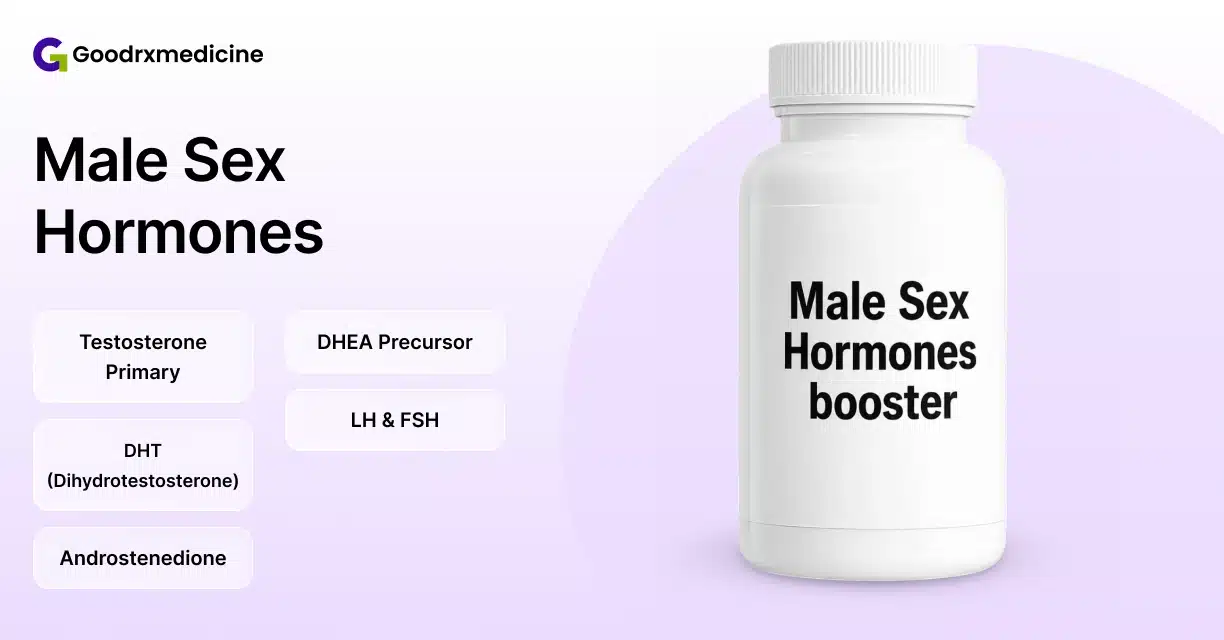
The body produces several types of androgens. Each plays a specific role, and together they maintain balance in male reproductive and physical health. The main types include:
- Testosterone: The primary male sex hormone responsible for most male traits, including muscle growth, sex drive, sperm production, and overall energy. It has the strongest impact on male health. Low testosterone levels, even when they drop gradually, can affect mood, libido, and day-to-day well-being.
- Dihydrotestosterone (DHT): DHT is a stronger form of testosterone that the body makes by chemically converting testosterone in the tissues. It plays a key role in the development of body hair, the prostate, and male physical traits during puberty. It is also the primary hormone responsible for Male Pattern Baldness, as it causes hair follicles to shrink progressively.
- Androstenedione: A secondary androgen made by the testes and adrenal glands. It serves as a chemical precursor (a raw material the body converts into other hormones) that the body converts into testosterone or estrogen as needed.
- Dehydroepiandrosterone (DHEA): A precursor hormone (a starting form that the body uses to make other hormones) produced by the adrenal glands. DHEA supports overall hormone balance and naturally declines with age.
Save up to 90% on your medicine bills
Where male sex hormones are produced
Male sex hormones are produced through a coordinated process involving multiple organs. Each part of the system has a specific role in maintaining steady hormone levels. The main sources include:
- Hypothalamus: This part of the brain releases gonadotropin-releasing hormone (GnRH), which starts the hormone production cycle.
- Testes: The two oval-shaped glands inside the scrotum produce most male sex hormones. Special cells called Leydig cells inside the testes are mainly responsible for making testosterone.
- Adrenal glands: Located on top of the kidneys, they produce a smaller share of androgens, including DHEA and androstenedione.
- Pituitary gland: Receives signals from the hypothalamus and releases Luteinizing Hormone (LH) and Follicle-Stimulating Hormone (FSH), which tell the testes to produce testosterone and sperm, respectively.
Functions of male sex hormones
Male sex hormones influence multiple systems beyond reproduction. They contribute to physical development, metabolic function, and mental health, all of which are essential for overall well-being.
Reproductive functions
Androgens are central to male fertility and sexual function. They control the entire reproductive cycle, from sperm production to sexual response, including the following key roles:
- Stimulate sperm production inside the testes.
- Maintain sex drive (libido) and erectile function.
- Support the growth of the prostate, seminal vesicles, and penis.
- Support the hormonal response during and after climax, triggering the release of oxytocin and prolactin, which influence mood and bonding.
Physical functions
Beyond reproduction, androgens shape the body itself. They are responsible for most physical traits that develop during and after puberty, such as:
- Promote muscle mass, bone density, and physical strength.
- Trigger the growth of facial hair, body hair, and a deeper voice during puberty.
- Support red blood cell production in the bone marrow.
- Help regulate fat distribution, especially around the abdomen.
Mental and emotional functions
Hormones also affect how the brain works. Steady androgen levels help maintain a stable mood, focus, and motivation, supporting several mental functions, including:
- Influence mood, motivation, and energy levels.
- Affect concentration, memory, and overall mental sharpness.
- Help regulate sleep patterns and stress response.
- Support emotional stability and confidence.
When androgen levels stay within a healthy range, all these systems work smoothly. Long-term imbalance can cause noticeable physical and emotional symptoms.
What affects male sex hormone levels?
Several factors can influence hormone production and balance. Some are natural, while others are linked to lifestyle or medical conditions. These include:
- Age: Testosterone naturally declines with age, especially after thirty.
- Chronic illness: Conditions like Diabetes, Obesity, and kidney disease can lower testosterone by reducing the body’s ability to produce or respond to hormones effectively.
- Stress: Long-term stress raises cortisol (a stress hormone released by the adrenal glands), which suppresses testosterone production.
- Sleep deprivation: Poor sleep disrupts the circadian rhythm (body’s internal clock) that affects testosterone levels.
- Medications: Steroids, opioids, and certain antidepressants can lower hormone output.
- Lifestyle factors: Smoking, alcohol use, and lack of physical activity can also reduce levels.
Effects of hormonal imbalance
Both low and high androgen levels can cause health problems. The symptoms differ depending on which way the balance shifts.
The table below shows the normal reference ranges for the key male sex hormones. Levels outside these ranges can trigger noticeable symptoms.
| Hormone | Normal Range (Adult Men) | Low | High |
|---|---|---|---|
| Testosterone | 300–1,000 ng/dL | Below 300 ng/dL | Above 1,000 ng/dL |
| DHEA-S | 80–560 µg/dL | Below 80 µg/dL | Above 560 µg/dL |
| Androstenedione | 75–205 ng/dL | Below 75 ng/dL | Above 205 ng/dL |
| DHT | 30–85 ng/dL | Below 30 ng/dL | Above 85 ng/dL |
Note: Reference ranges may vary slightly between laboratories. Always interpret results with a qualified doctor.
When levels are too low
Low androgen levels, especially Low Testosterone (also called Hypogonadism), are more common with age but can occur at any stage of life. Different hormones produce different symptoms when they fall too low. Common signs include:
- Reduced sex drive and erectile difficulties
- Constant fatigue and low energy
- Loss of muscle mass and strength
- Increased body fat, especially around the abdomen
- Mood swings, irritability, or Depression
- Thinner facial and body hair
- Lower sperm count and fertility issues
- Hair thinning or Male Pattern Baldness (linked to excess DHT activity)
- Low stress tolerance, reduced motivation, and faster physical aging (linked to declining DHEA)
When levels are too high
High androgen levels are less common but can also affect health. They usually result from steroid use, tumors, or adrenal disorders. Common signs include:
- Acne and oily skin
- Aggressive behavior or mood swings
- Sleep disturbances
- Increased risk of heart problems
- Reduced sperm production due to suppressed natural hormone output
- Enlarged prostate
How to support healthy hormone levels
Hormone health depends largely on lifestyle, nutrition, and overall well-being. Simple, consistent habits can make a real difference. Some of the ways include:
- Eating a balanced diet rich in protein, healthy fats, zinc, and vitamin D.
- Exercising regularly, especially through strength training.
- Getting at least seven to eight hours of quality sleep each night.
- Managing stress through relaxation techniques or therapy.
- Avoiding excess alcohol, smoking, and recreational drugs.
- Maintaining a healthy body weight.
- Scheduling routine health checkups, especially after age thirty-five.
When to see a doctor
Occasional dips in energy or mood are normal and usually not a concern. However, symptoms that persist for several weeks or occur together could point to a hormonal imbalance that needs medical attention. These include:
- Low sex drive
- Erectile Dysfunction (Difficulty achieving or maintaining an erection)
- Persistent fatigue or low energy
- Loss of muscle mass or strength
- Reduced facial or body hair
- Mood swings, irritability, or depression
- Trouble concentrating
- Difficulty conceiving
If these symptoms occur together or persist, a blood test for testosterone, LH, and FSH levels can help confirm the cause. Early diagnosis allows for simpler and more effective treatment.
Conclusion
Male sex hormones, mainly testosterone, control reproduction, physical growth, and emotional balance. They are produced largely by the testes, with smaller amounts from the adrenal glands, and managed by signals from the hypothalamus and pituitary gland. The main types include testosterone, DHT, androstenedione, and DHEA, each with a specific role in male health.
Levels can change with age, stress, illness, poor sleep, or certain medications. Both low and high androgen levels can cause health issues, ranging from fatigue, low libido, and infertility to acne, mood swings, and heart problems. A balanced diet, regular exercise, quality sleep, and stress management help maintain healthy hormone levels naturally.
Persistent symptoms like low energy, reduced sex drive, or fertility trouble should not be ignored. Consulting a doctor for proper diagnosis and treatment remains the safest step toward restoring hormonal balance.

Frequently Asked Questions
Does cold weather affect testosterone levels?
Research on cold exposure and testosterone is limited and inconclusive. Some small studies suggest brief cold exposure may stimulate the nervous system, but no strong evidence confirms a meaningful or lasting effect on testosterone levels. Lifestyle habits, sleep quality, and overall health have a far greater impact on stable hormone balance.
Are male sex hormones present in women, too?
Yes, women also produce androgens, including testosterone, but in much smaller amounts. These hormones support bone strength, muscle tone, and libido in women. Imbalances can cause acne, irregular periods, or excess facial hair, often linked to conditions like Polycystic Ovary Syndrome.
Can certain foods naturally raise testosterone levels?
Yes, certain foods can naturally raise testosterone levels by supporting healthy hormone production. Options rich in zinc, magnesium, vitamin D, and healthy fats include eggs, oysters, lean meats, leafy greens, and nuts. However, food alone cannot fix major hormonal deficiencies, which often need proper medical evaluation and treatment.
Does exercise improve male hormone levels?
Yes, regular exercise, especially strength training and high-intensity workouts, can boost testosterone naturally. However, too much endurance training can temporarily lower it. A balanced routine with rest days helps maintain healthy androgen levels and supports overall reproductive and metabolic health.
Can stress permanently lower testosterone?
No, short-term stress rarely causes lasting hormonal damage. Chronic stress, however, elevates cortisol levels, which, over time, reduces testosterone production. Managing stress through sleep, exercise, and relaxation techniques usually restores normal hormone balance within weeks once cortisol levels stabilize.
Citations
GoodRxMedicine only refers to credible, authoritative sources for our content. If you're curious about how we ensure the integrity of our content, we encourage you to read our Content Information Policy.
How useful was this post?
Click on a star to rate it!
No votes so far! Be the first to rate this post.
Julian Carter is a highly accomplished MBA graduate in Pharmaceutical Management, celebrated for his extensive experience and exceptional skills in the pharmaceutical industry. With a wealth of knowledge and expertise, Julian is a valuable contributor to the field and a trusted voice in pharmaceutical management. As a contributing writer for Goodrxmedicine.com, Julian is committed to educating and empowering individuals to make informed decisions about their health. His passion for the industry is evident in his work, and his dedication to improving the lives of others through education and empowerment is truly remarkable. With a reputation for excellence and a track record of success, Julian Carter is a respected and admired figure in pharmaceutical management. His insights and contributions to the field are highly valued, and his expertise has helped shape the direction of the industry for the better. Through his work as a contributing writer for Goodrxmedicine.com and beyond, Julian continues to make a meaningful impact in the lives of many. His commitment to excellence and dedication to improving the health of individuals and communities around the world make him an inspiration to others in the field.
Learn MoreDr. James Mitchell is a board-certified physician with 18+ years of clinical experience in Sexual Medicine and Reproductive Health. He helps patients navigate intimate health concerns through medically sound guidance and compassionate, patient-centered care.
Learn More