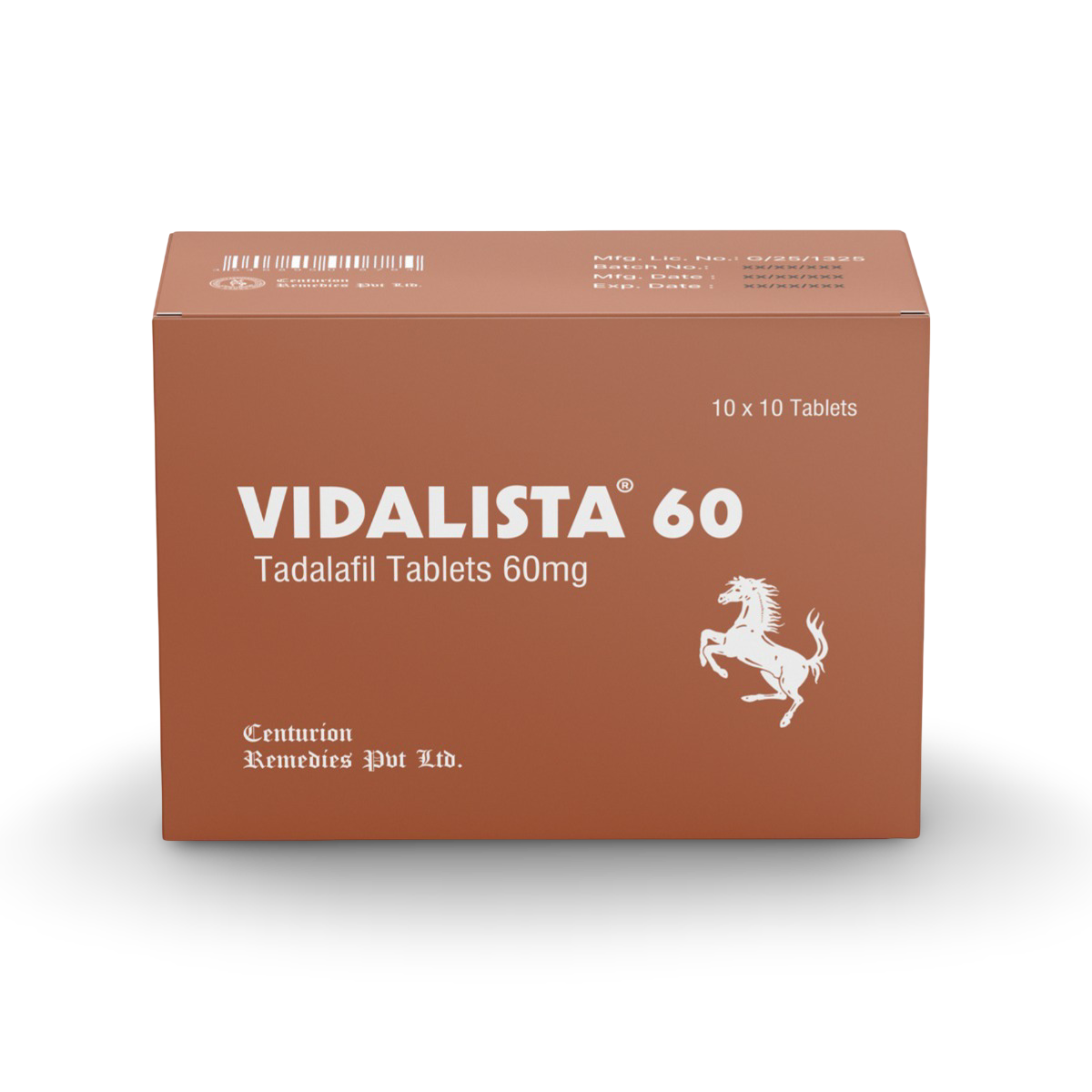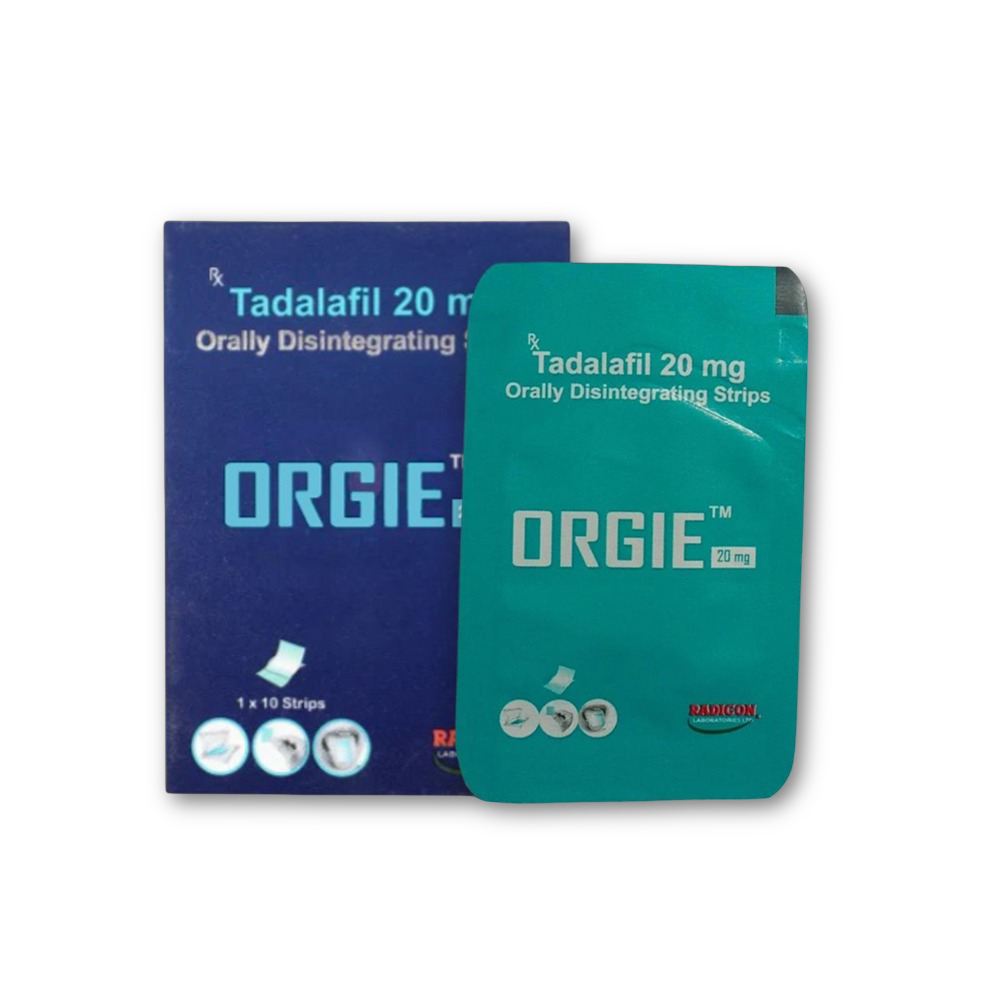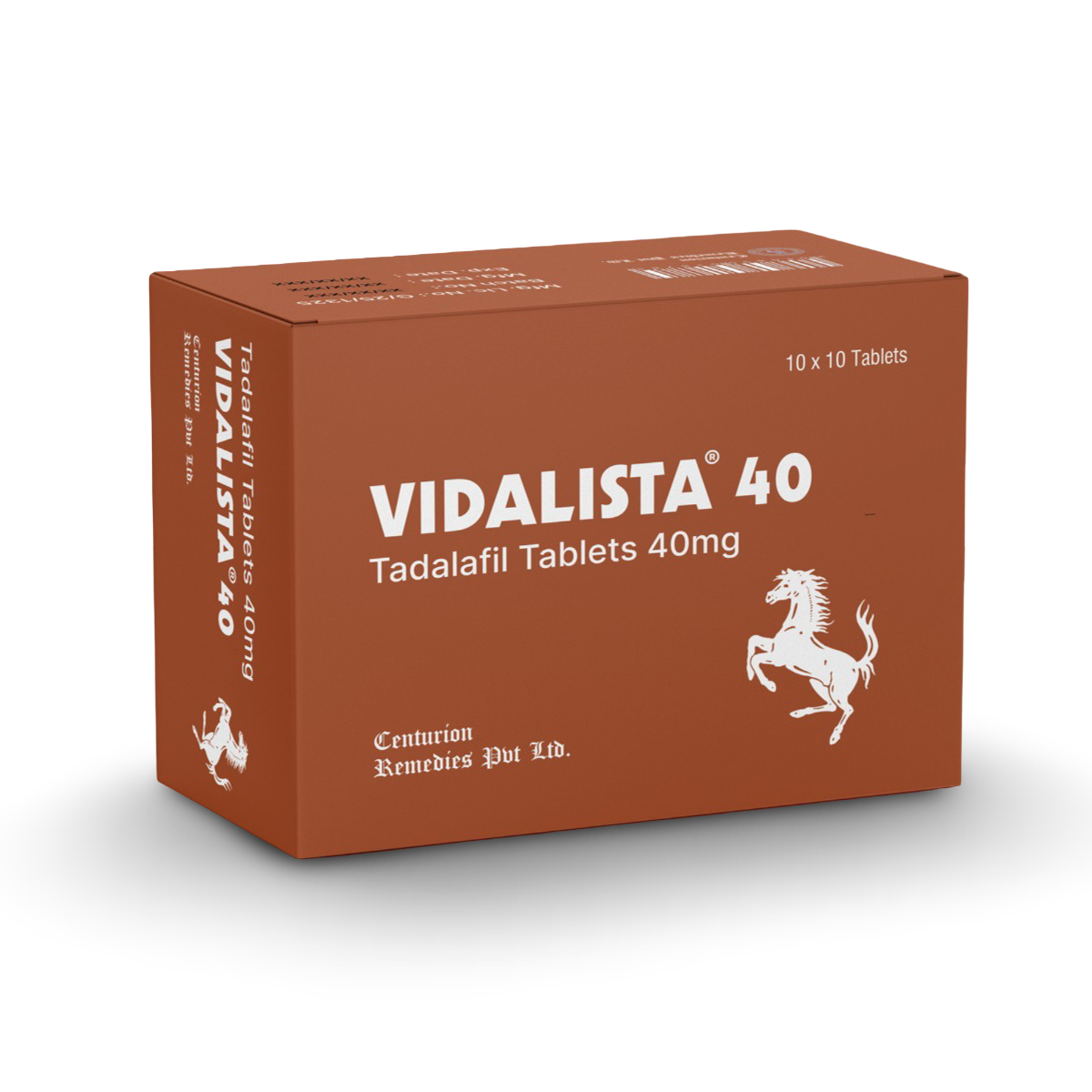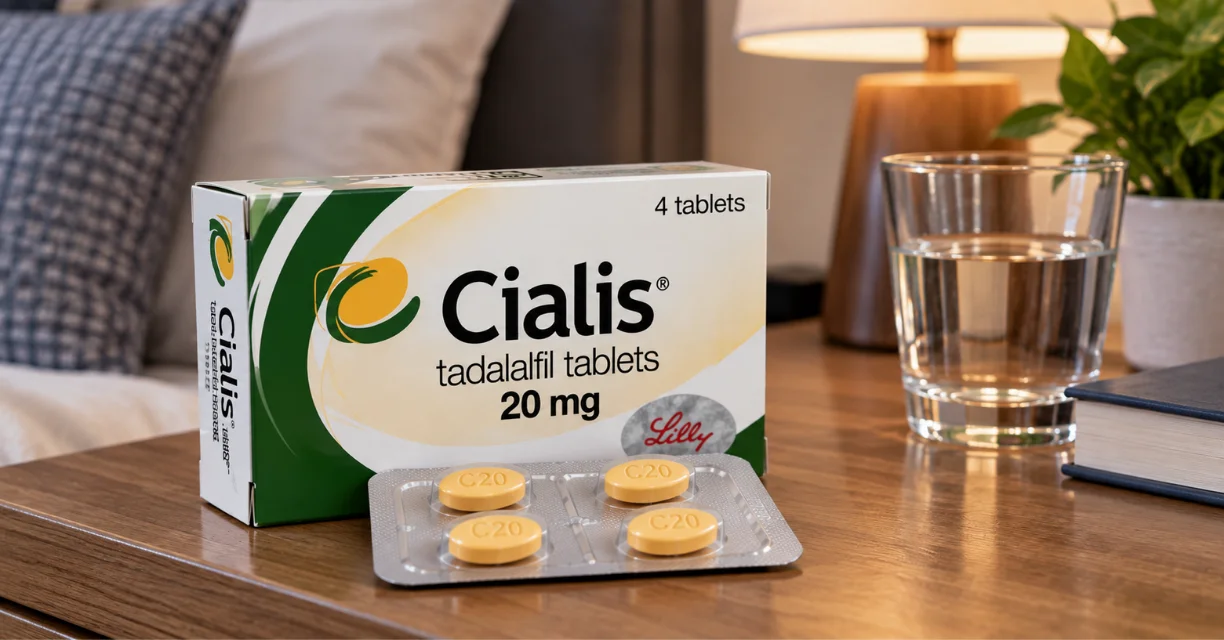



Tadalafil is a prescription medication classified as a Phosphodiesterase Type 5 (PDE5) inhibitor. It is approved by the FDA for the treatment of Erectile Dysfunction (ED), Benign Prostatic Hyperplasia (BPH), and certain forms of Pulmonary Arterial Hypertension (PAH).
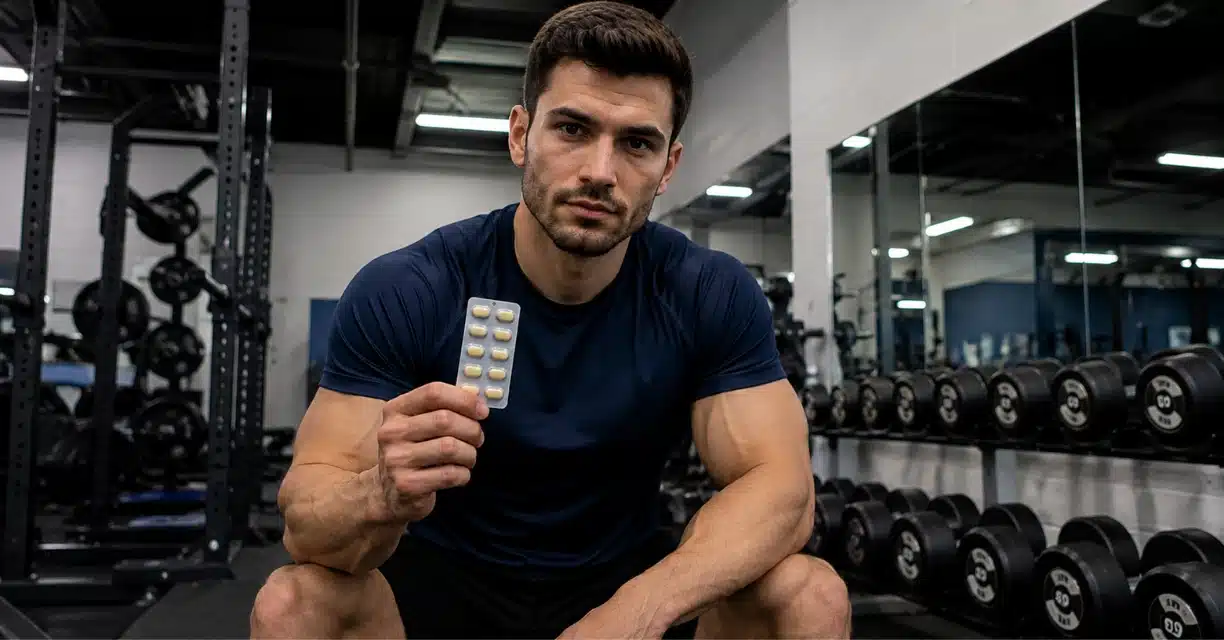
In recent years, Tadalafil has gained attention in fitness communities for its potential to increase muscle pumps and vascularity. Some bodybuilders use it before training sessions, believing that improved blood flow will enhance performance and recovery.
However, there is no high-quality clinical evidence supporting the use of Tadalafil for bodybuilding.
This article explains what Tadalafil does in the body, why some bodybuilders use it, the dosages being discussed in gym settings, the documented risks, and the safer, evidence-based methods that truly support muscle growth.
Is Tadalafil approved for bodybuilding?
No, Tadalafil is not approved, recommended, or clinically indicated for bodybuilding or performance enhancement. Although some individuals report using it off-label for muscle pumps or vascularity, no major regulatory authority recognizes it as a performance-enhancing drug. There are no large-scale randomized controlled trials demonstrating that Tadalafil improves strength, endurance, or resistance training outcomes in healthy individuals.
Importantly, Tadalafil is a regulated prescription medication. It is not comparable to dietary supplements such as creatine or citrulline. It requires medical evaluation because it affects systemic blood pressure and interacts with multiple medication classes.
Using Tadalafil without medical supervision increases the risk of:
- Undiagnosed cardiovascular complications
- Dangerous blood pressure drops
- Drug interactions
- Counterfeit product exposure when purchased online
Hence, these risks make unsupervised use of Tadalafil particularly dangerous, regardless of the perceived benefits.
Save up to 90% on your medicine bills
How Tadalafil works
Tadalafil works by inhibiting the enzyme PDE5. This enzyme normally breaks down cyclic Guanosine Monophosphate (cGMP), a signaling molecule produced in response to nitric oxide.
When PDE5 is inhibited:
- cGMP levels remain elevated
- Smooth muscle in blood vessel walls relaxes
- Blood vessels dilate
- Blood flow increases
This mechanism is useful in Erectile Dysfunction because it improves blood flow to the penile tissue during sexual stimulation. However, these receptors are also found in blood vessels across the body. As a result, Tadalafil can widen blood vessels throughout the body, not just in one specific area.
In a gym setting, this increased blood flow can create:
- Temporary muscle fullness
- Increased superficial vascular visibility
- A stronger sensation of pump during sets
It is important to understand that this effect only improves blood flow, not muscle growth. Tadalafil does not help your body build muscle, increase strength, or boost muscle-building hormones.
Why bodybuilders use Tadalafil
Below are the commonly perceived benefits of using Tadalafil in bodybuilding. These beliefs are mostly based on personal experiences rather than strong clinical evidence.
Stronger muscle pumps
Tadalafil relaxes blood vessels, which allows more blood to flow into the muscles during a workout. This can create a fuller and tighter feeling in the muscles (pump). However, this effect is temporary. A muscle pump does not mean actual muscle growth. Real muscle gain depends on proper training, enough workout volume, progressive overload, and good nutrition.
Enhanced vascularity
By widening blood vessels, Tadalafil can make veins more visible, especially in people with low body fat. This is why some bodybuilders associate it with a more defined or shredded look. This change is only cosmetic and short-lived. It does not improve muscle strength or quality.
Long duration of action
Tadalafil stays active in the body longer than most similar medications. Its effects can last up to 36 hours, which is why some users feel it provides longer-lasting support than typical pre-workout supplements. However, this also means the body is exposed to its effects, including side effects, for a longer time.
Improved oxygen and nutrient delivery
When blood flow improves, muscles get more of the oxygen and nutrients they need to perform during exercise. In healthy individuals, the body naturally increases blood flow to muscles during workouts. But in reality, Tadalafil does not improve stamina, endurance, or overall exercise performance.
Faster waste clearance
It is also believed that improved blood circulation helps to flush out waste products, such as lactic acid, from muscles more quickly, reducing the burning sensation during sets. However, there is no strong scientific evidence showing that Tadalafil improves recovery between sets or enhances workout performance.
Side effects of Tadalafil
Tadalafil can cause side effects even at low doses. Using it for bodybuilding instead of its approved medical use is considered misuse, and the risks can be higher during workouts. This is because exercise already increases heart rate, blood pressure, and body temperature, and adding a vasodilator can place extra strain on the cardiovascular system.
Common side effects of Tadlafil are:
- Headache
- Indigestion or stomach discomfort
- Back pain and muscle aches
- Nasal congestion
- Flushing of the face and neck
- Dizziness, especially when dehydrated
- Blurred vision
Serious but rare side effects:
- Priapism (erection lasting more than four hours)
- Sudden vision loss
- Sudden hearing loss
- Sharp drops in blood pressure,
- Chest pain, heart attack, or stroke
Safer ways to build muscle and improve pumps
The pumps, vascularity, and blood flow that bodybuilders seek from Tadalafil can all be achieved more safely through proven methods. These same methods also support real, lasting muscle growth, which comes from a combination of training, nutrition, and recovery.
Training
Structured resistance training is essential for increasing muscle mass and improving blood flow to muscles. To build muscle and improve blood flow, focus on these three key training principles:
- Compound lifts: Prioritize squats, deadlifts, bench press, rows, and overhead presses to recruit the maximum number of muscle groups in one session.
- Progressive overload: Gradually increase the weight, reps, or sets you perform over time to keep your muscles continuously adapting and growing.
- Training volume: Aim for 10 to 20 hard-working sets per muscle group per week, the range most strongly linked to hypertrophy.
Nutrition
What you eat directly determines how well your body performs, recovers, and grows. Focus on these three important basics:
- Protein intake: Consuming 1.6 to 2.2 grams per kilogram of body weight per day supports muscle repair and growth.
- Calorie intake: For effective bulking, aim for a daily calorie surplus of 10-20% above your maintenance calories, which provides the energy surplus needed for muscle gain.
- Hydration: Drinking 3 to 4 liters of water daily, along with electrolytes during long or intense sessions, helps maintain strong circulation and consistent performance.
Recovery
Recovery is a critical component of muscle development and performance adaptation because training breaks muscles down, and recovery is when they actually grow. Here are the key recovery practices to follow:
- Sleep: 7 to 9 hours of sleep nightly is crucial, since deep sleep is the primary window for muscle repair and growth hormone release.
- Rest days: Taking 1 to 2 full rest days per week gives your trained muscles the time they need to rebuild and grow stronger.
- Active recovery: Incorporating light jogging, walking, or mobility work on off days helps maintain circulation without adding unnecessary training stress.
Proven supplements
Certain dietary supplements have strong scientific support for improving strength, endurance, and training performance when used appropriately. These supplements are:
- Creatine monohydrate: Taking 3 to 5 grams daily, one of the most researched supplements in sports science, which increases muscle strength.
- Whey protein: Consuming 20 to 30 grams per serving makes it an easy and effective way to meet your daily protein targets.
- L-citrulline or citrulline malate: Taking 6 to 8 grams before a workout delivers a safer, nutrition-based pump without the risks of prescription medication.
- Beta-alanine: Taking 3 to 5 grams daily helps buffer lactic acid buildup, supporting muscular endurance during intense training sessions.
Dietary supplements are generally safe but should be discussed with a doctor or registered dietitian, particularly if you have underlying health conditions or are currently taking prescription medications.
Conclusion
Tadalafil is a prescription medication approved for conditions like Erectile Dysfunction and Benign Prostatic Hyperplasia, not for bodybuilding or performance enhancement. While some individuals use it for better muscle pumps or increased vascularity, these effects are temporary and cosmetic. It does not contribute to real muscle growth, strength, endurance, or recovery, and current clinical evidence does not support its use in healthy, active individuals.
Using Tadalafil for bodybuilding can increase the likelihood of side effects, as exercise already elevates heart rate and blood pressure. Even at low doses, it can cause symptoms such as headache, dizziness, and flushing, and rare but serious risks can occur in certain individuals.
For sustainable and safe results, muscle building should rely on structured training, balanced nutrition, proper hydration, adequate recovery, and well-researched supplements such as creatine and protein, rather than off-label medication use.

Frequently Asked Questions
Can you take tadalafil with pre-workout?
No, combining Tadalafil with pre-workout supplements is not recommended. Many pre-workouts contain stimulants that can raise heart rate and blood pressure, while Tadalafil lowers blood pressure. This combination may increase the risk of dizziness, fainting, or cardiovascular strain during exercise.
Is Tadalafil an anabolic steroid?
No, Tadalafil is not an anabolic steroid. It is a PDE5 inhibitor that works by improving blood flow through blood vessel relaxation. It does not influence muscle-building hormones or directly contribute to muscle growth, strength, or physical performance.
Does Tadalafil boost your testosterone?
No, Tadalafil does not boost testosterone levels. It works by improving blood circulation, not by affecting hormone production. Any perceived improvement in performance or energy is not linked to increased testosterone or hormonal changes.
Does Tadalafil grow muscle?
No, Tadalafil does not grow muscle. It can increase blood flow and create a temporary muscle pump, but it does not support muscle-building processes like protein synthesis or strength development. Muscle growth depends on training, nutrition, and recovery.
Citations
GoodRxMedicine only refers to credible, authoritative sources for our content. If you're curious about how we ensure the integrity of our content, we encourage you to read our Content Information Policy.
How useful was this post?
Click on a star to rate it!
No votes so far! Be the first to rate this post.
Julian Carter is a highly accomplished MBA graduate in Pharmaceutical Management, celebrated for his extensive experience and exceptional skills in the pharmaceutical industry. With a wealth of knowledge and expertise, Julian is a valuable contributor to the field and a trusted voice in pharmaceutical management. As a contributing writer for Goodrxmedicine.com, Julian is committed to educating and empowering individuals to make informed decisions about their health. His passion for the industry is evident in his work, and his dedication to improving the lives of others through education and empowerment is truly remarkable. With a reputation for excellence and a track record of success, Julian Carter is a respected and admired figure in pharmaceutical management. His insights and contributions to the field are highly valued, and his expertise has helped shape the direction of the industry for the better. Through his work as a contributing writer for Goodrxmedicine.com and beyond, Julian continues to make a meaningful impact in the lives of many. His commitment to excellence and dedication to improving the health of individuals and communities around the world make him an inspiration to others in the field.
Learn MoreDr. James Mitchell is a board-certified physician with 18+ years of clinical experience in Sexual Medicine and Reproductive Health. He helps patients navigate intimate health concerns through medically sound guidance and compassionate, patient-centered care.
Learn More