





Many women notice a drop in sexual desire during menopause or perimenopause. It can feel confusing when interest in sexual intimacy stays low despite rest, better communication, lifestyle changes, or improved relationship comfort. For some women, this ongoing change could be linked to falling testosterone levels.
Women naturally produce small amounts of testosterone. It supports sexual desire, arousal, mood, energy, and overall well-being. Research shows that testosterone levels can decline by up to 50% between a woman’s 20s and natural menopause. For some women, this drop can lead to low libido, fewer sexual thoughts, lower arousal, and distress about the change.
This is where Testosterone Replacement Therapy (TRT) can help, especially after menopause, when low sex drive continues, causes distress, and other common causes have been checked. This article explains when Testosterone Replacement Therapy for women can help, how it is given, its benefits, risks, and safety points.
What is Testosterone Replacement Therapy for women
TRT for women means using a very low dose of testosterone to bring levels back into the usual female range, not to male levels. The goal is to improve symptoms when Low Testosterone is linked to ongoing low sexual desire and distress.
The usual female range refers to testosterone levels typically seen in healthy adult women. It is often 15-70 ng/dL, but this can vary by age, menopausal status, test method, and laboratory. Doctors interpret blood test results along with symptoms rather than relying on a single number.
Not every case of low sexual desire needs hormone treatment. Before prescribing TRT, doctors assess whether testosterone is likely to be part of the problem by reviewing:
- Symptoms
- Medical history
- Medications
- Mental health
- Relationship or intimacy concerns
- Hormone profile
Save up to 90% on your medicine bills
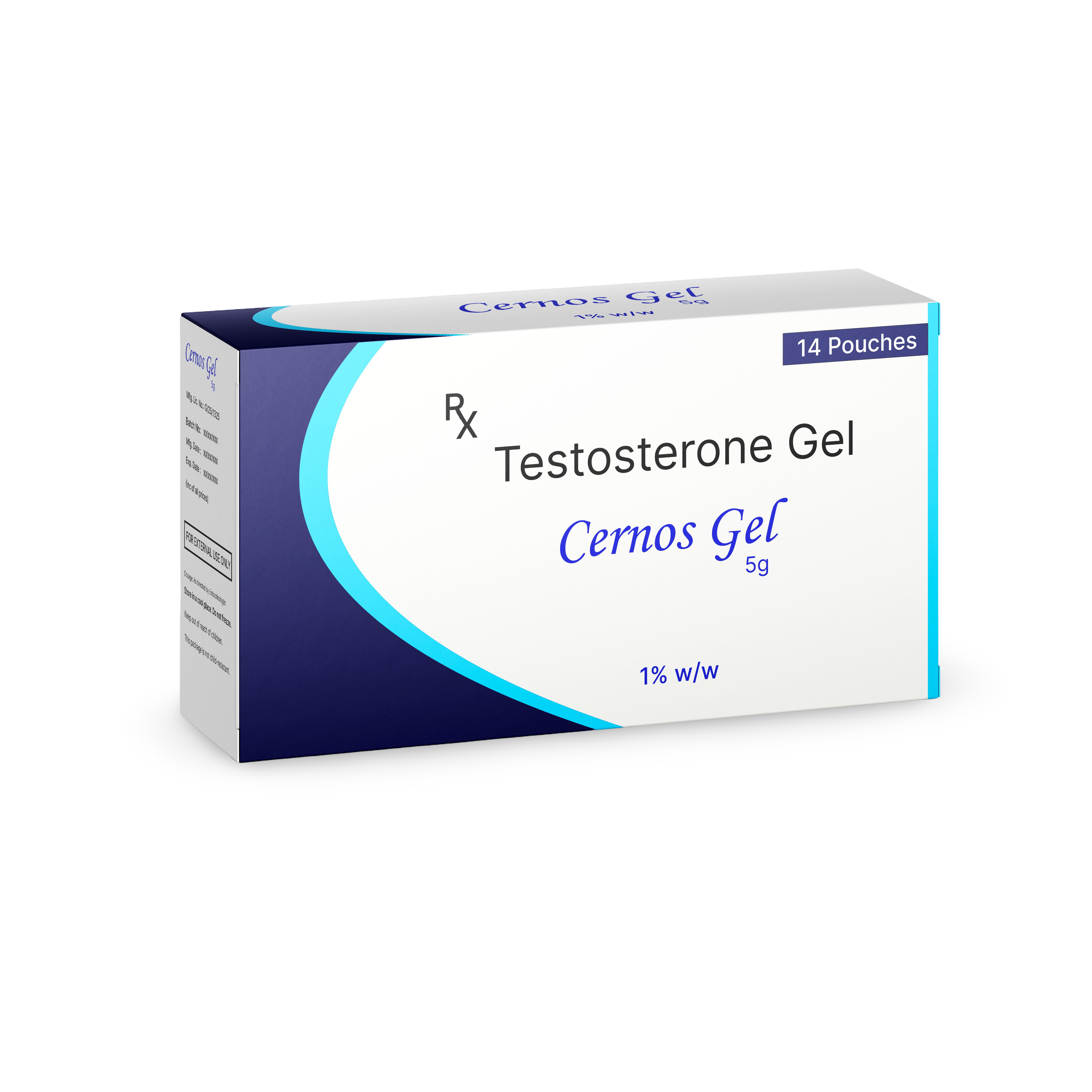
Cernos Gel 1%w/w
Starting at just $3.06 per sachetBuy Now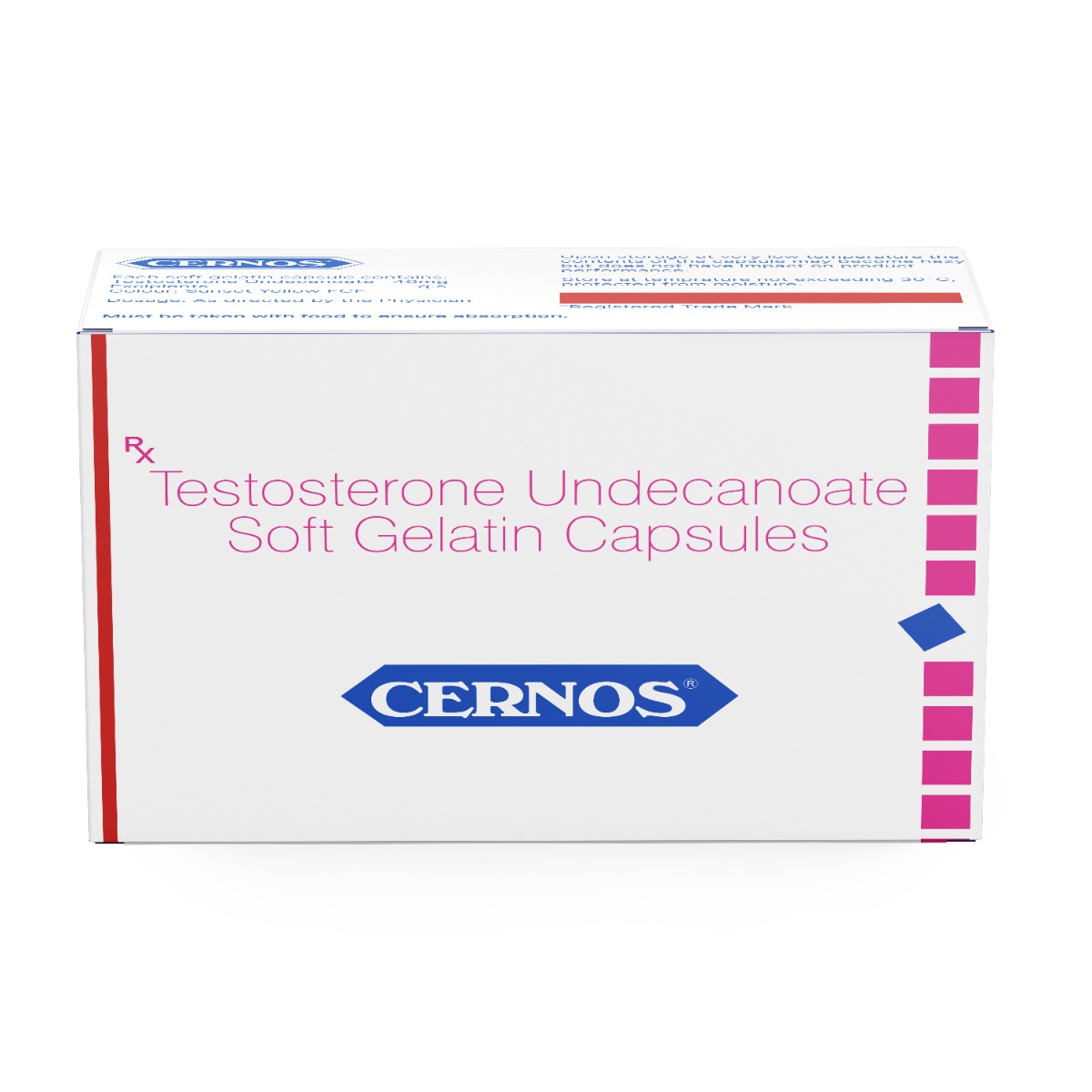
Cernos 40 Mg Soft Gelatin Capsule
Starting at just $1.48 per capsuleBuy Now
Sustanon 250 Injection
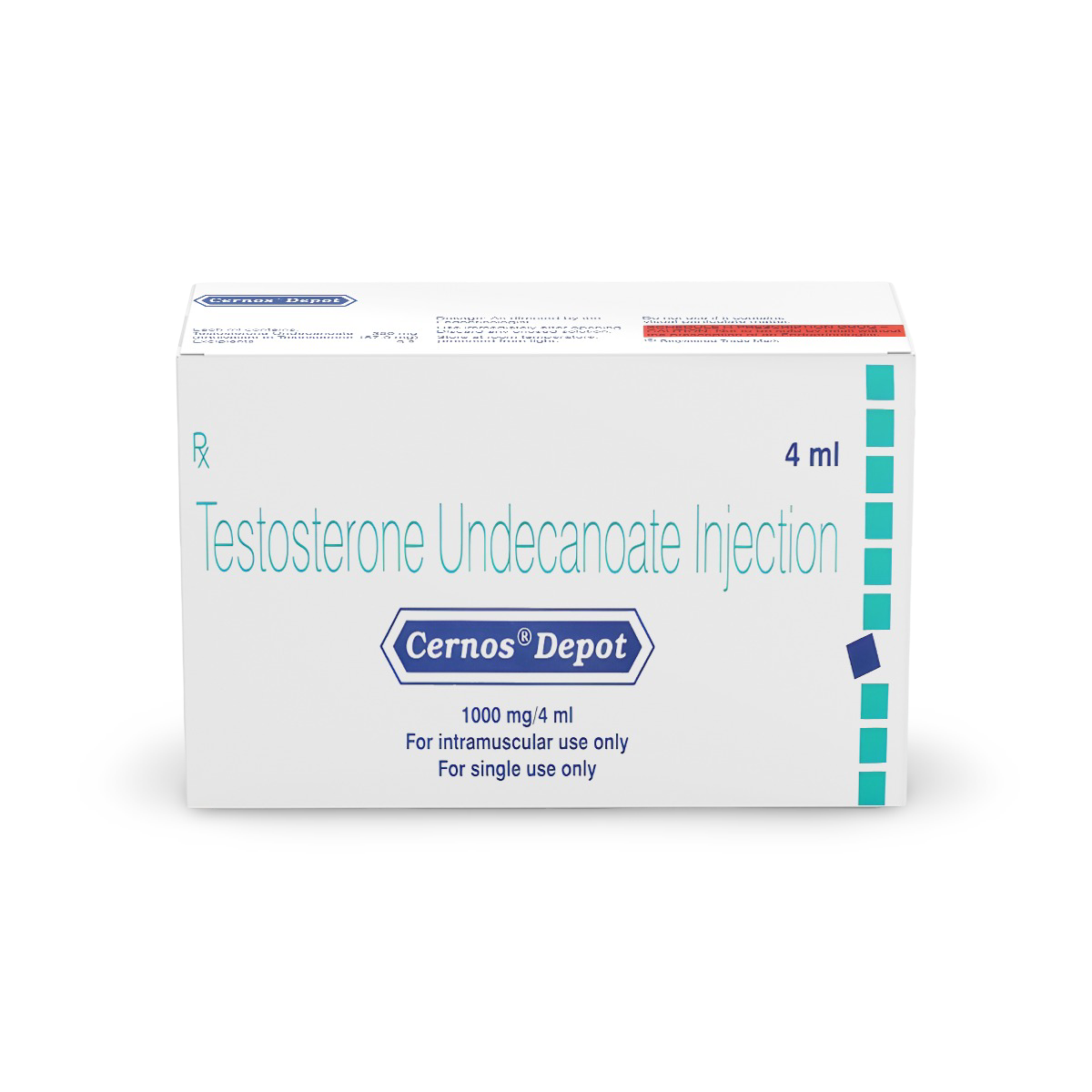
Cernos Depot 1000 Mg Injection
When doctors consider TRT for women
Once your doctor understands the main problem, they assess whether TRT is appropriate for your situation. This step matters because low sexual desire can have many causes. Testosterone is most likely to help when symptoms point to hormone-related low desire, after other common causes have been ruled out.
Doctors usually consider TRT for women in these situations:
Hypoactive Sexual Desire Disorder (HSDD)
Hypoactive Sexual Desire Disorder means low sexual desire lasting several months and causing personal distress. Doctors consider TRT only after ruling out Depression, thyroid issues, Anemia, poor sleep, medication effects, relationship concerns, painful sex, vaginal dryness, and untreated estrogen deficiency.
TRT help when low desire appears hormone-related, especially after menopause or surgical menopause. Up to 26% of surgically postmenopausal women develop HSDD after both ovaries are removed.
Clinical trials show that testosterone therapy improves desire and reduces sexual distress in postmenopausal women with HSDD. It does not replace estrogen therapy for hot flashes, night sweats, vaginal dryness, or painful sex.
Surgical menopause
Women who undergo Bilateral Oophorectomy (removal of both ovaries) often experience an immediate drop of approximately 50% in testosterone levels. Because the change happens suddenly, some women notice a sharp drop in libido, arousal, sexual response, and overall sexual satisfaction.
How testosterone therapy is given in women
If TRT seems appropriate, your doctor usually starts with the lowest practical dose and closely monitors your symptoms and blood levels. In women, doctors commonly use existing Testosterone products at carefully adjusted low doses to keep levels within the usual female range.
In the United States, there is currently no FDA-approved Testosterone product made specifically for women. Because of this, doctors may prescribe existing FDA-approved Testosterone gels or creams, originally developed for men, off-label at much lower adjusted doses. This is a common and accepted medical practice when treatment is clinically appropriate and monitored properly.
Recommended methods and the most commonly used options are:
- Transdermal gels or creams: You have to apply a small amount to clean, dry skin once daily. This keeps hormone levels steady and allows easier dose adjustment. Wash your hands after applying, and avoid skin contact with partners or children until the area dries or is covered. Gels and creams are also the most preferred option in current medical guidance.
Methods that exist but are not recommended and are used more cautiously:
- Pellet implants and intramuscular injections: These can deliver higher doses and push testosterone above the normal female range. This increases the risk of side effects such as voice deepening, clitoral enlargement, acne, and hair changes. Major medical societies generally advise against these options for women.
- Compounded preparations: Some pharmacies prepare customized creams, gels, troches, or lozenges. These are often marketed as ‘bioidentical,’ but the dose and absorption can vary. Doctors usually avoid them unless no suitable approved alternative is available.
- Patches: testosterone patches were once available for women in some countries, but they are no longer a practical option in most regions. They can deliver a fixed dose through the skin, but skin irritation can occur.
Benefits of testosterone therapy for women
Testosterone supports sexual desire partly by acting on brain pathways linked to motivation, pleasure, and arousal. When levels fall below the usual female range, these signals can weaken, making desire and sexual satisfaction feel lower than before.
TRT can help by bringing testosterone back into the female range, not above it. When TRT works, you can notice:
- Improved sexual desire: TRT can help increase sexual thoughts, interest, or willingness to initiate intimacy when low desire is linked to hormone changes, especially after menopause.
- Better sexual response: Some women can notice easier arousal, improved physical sensitivity, and more satisfying sexual experiences when treatment is effective.
- Reduced distress about low desire: TRT can help reduce the emotional discomfort that comes with persistent low sexual desire.
- Possible support for mood, energy, or focus: Some women report feeling better in these areas, but these benefits are less consistent and are not the main reason doctors prescribe TRT.
Risks and possible side effects of testosterone therapy in women
TRT may help when it is prescribed for the right symptoms, but women need carefully adjusted doses. Testosterone levels must stay within the usual female range to reduce the risk of side effects. Problems usually appear when testosterone rises above the normal female range or when treatment is not monitored properly.
Common side effects include:
- Acne
- Oily skin
- Mild facial or body hair growth
These effects are often mild and improve when your doctor adjusts the dose.
Less common but more serious side effects include:
- Voice deepening
- Scalp hair thinning
- Clitoral enlargement
- Unfavorable cholesterol changes
Voice deepening and clitoral enlargement may not completely go away after treatment stops. Tell your doctor as soon as you notice voice changes, genital changes, or other unusual symptoms instead of waiting for your next scheduled visit.
Long-term safety considerations
Safety data on TRT for women are mostly limited to follow-up of 6 months to 2 years. Low-dose testosterone has not shown a consistent rise in serious side effects during this period, but safety beyond several years remains limited.
Because of this, doctors should review TRT regularly, especially in women with Breast Cancer risk factors, High Blood Pressure, Diabetes, high cholesterol, or previous heart disease.
Breast cancer and heart-related risk
Low-dose skin-applied testosterone, such as gels or creams, has not shown a clear increase in Breast Cancer, stroke, or major heart-related events in available studies. However, these risks are not fully ruled out, especially because many studies excluded women with higher cardiovascular risk.
Oral Testosterone is not recommended for women because older studies linked it with unfavorable cholesterol changes. Skin-applied forms are preferred because they have fewer liver and cholesterol-related concerns.
Hormone-sensitive Cancers
Hormone-sensitive Cancers are cancers that can grow or respond to hormone changes, such as certain Breast or Uterine Cancers. Women with active hormone-sensitive Cancer should not use TRT. If there is a past history of these cancers, the decision should involve both the oncologist and the prescribing doctor.
Who should avoid testosterone therapy
Testosterone therapy is generally not recommended in the following situations:
- Pregnancy or breastfeeding
- Active or prior hormone-sensitive Cancers (such as certain Breast or Uterine Cancers)
- Severe liver disease
- Uncontrolled cardiovascular disease
Things to keep in mind
TRT works best when you treat it as a monitored medical treatment, not a quick hormone fix. Keep these points in mind:
- Baseline testing: Your doctor checks baseline testosterone levels before starting therapy.
- Follow-up blood tests: You may need repeat blood tests after dose changes and periodic checks once treatment is stable.
- Expected timeline: When TRT works, sexual desire often improves gradually within about 4 weeks, while fuller benefits can take 8 to 12 weeks.
- Reassessment if there is no improvement: If there is no meaningful improvement after 3 to 6 months, your doctor can stop treatment.
- Dose safety: Higher doses increase the risk of acne, hair changes, deepening of the voice, clitoral enlargement, and changes in cholesterol.
- Ongoing review: Continued use depends on benefit, hormone levels staying in a safe range, and manageable side effects.
- Early reporting of side effects: Tell your doctor early if you notice voice changes, increased hair growth, scalp hair thinning, or clitoral changes.
Conclusion
Testosterone Replacement Therapy for women helps when low sexual desire continues for several months and causes distress. It is usually considered when the change appears linked to hormone shifts after menopause or surgical menopause.
It is not meant for every case of low desire, tiredness, mood changes, or weight concerns. Your doctor should first review symptoms, medications, mental health, relationship concerns, and hormone levels. They should also check for other causes, such as thyroid problems, Anemia, painful sex, or untreated estrogen deficiency.
If TRT is suitable, doctors usually use carefully adjusted low doses, often through skin-applied gels or creams. Treatment can improve sexual desire, arousal, satisfaction, and distress, but it needs regular testing and follow-up. You should report acne, hair, voice, or genital changes early. TRT can help, but only when the diagnosis is clear, the dose is carefully adjusted, and follow-up checks are done regularly.

Frequently Asked Questions
Will testosterone therapy make me masculine?
No, testosterone therapy does not usually cause masculine features when doctors prescribe low doses and monitor levels carefully. However, high testosterone levels can cause acne, increased facial or body hair, voice changes, or clitoral enlargement. Some changes, especially voice deepening, can be permanent.
Can younger women use testosterone therapy?
Yes, younger women can use testosterone therapy, but it is more commonly prescribed for postmenopausal women with HSDD. In younger women, clinicians first evaluate other causes such as stress, thyroid disease, anemia, mood disorders, medication effects, and hormonal contraception before considering testosterone therapy.
Can I stop therapy if I experience side effects?
Yes, you can stop therapy if you experience side effects, but always talk to your doctor before stopping. They will usually start by lowering the dose, which often improves acne or oily skin. Voice deepening can be persistent, so report voice changes early.
Will testosterone make me aggressive?
No, when testosterone is within the normal female range, most women do not experience increased aggression. Mood changes may occur if levels become too high or fluctuate, and you may need a dose adjustment if irritability or Anxiety develops.
Can I take testosterone while on birth control?
Yes, you can take testosterone while on birth control, depending on the type of birth control you use. Some hormonal contraceptives increase Sex Hormone Binding Globulin (SHBG), which can lower free testosterone and affect libido or test results. A clinician should review your contraception and symptoms before you take it.
What happens if I decide to stop therapy?
Many women can stop testosterone therapy without withdrawal symptoms. Symptoms that improved may gradually return if the underlying issue remains. Your clinician may recommend tapering or simply discontinuing, depending on the form used, side effects, and your monitoring results.
Will a woman lose weight if she takes testosterone?
No, testosterone therapy is not a weight loss treatment. While it can cause slight changes in body composition in some women, it does not reliably reduce body weight, and she should not use it for weight loss or fitness purposes.
GoodRxMedicine only refers to credible, authoritative sources for our content. If you're curious about how we ensure the integrity of our content, we encourage you to read our Content Information Policy.

Julian Carter is a highly accomplished MBA graduate in Pharmaceutical Management, celebrated for his extensive experience and exceptional skills in the pharmaceutical industry. With a wealth of knowledge and expertise, Julian is a valuable contributor to the field and a trusted voice in pharmaceutical management.
As a contributing writer for Goodrxmedicine.com, Julian is committed to educating and empowering individuals to make informed decisions about their health. His passion for the industry is evident in his work, and his dedication to improving the lives of others through education and empowerment is truly remarkable.
With a reputation for excellence and a track record of success, Julian Carter is a respected and admired figure in pharmaceutical management. His insights and contributions to the field are highly valued, and her expertise has helped shape the direction of the industry for the better.
Through his work as a contributing writer for Goodrxmedicine.com and beyond, Julian continues to make a meaningful impact in the lives of many. His commitment to excellence and dedication to improving the health of individuals and communities around the world make him an inspiration to others in the field.