


Endometriosis and PCOS (Polycystic Ovary Syndrome) are both common gynecological conditions that affect women and people assigned female at birth (AFAB). Both can influence reproductive health, menstrual patterns, and overall well-being. However, they are not the same. They are distinct disorders with different causes, symptoms, and treatment needs.
Endometriosis and PCOS are both gynecological conditions, but they differ in their underlying nature. Endometriosis is primarily an inflammatory condition in which tissue similar to the uterine lining grows outside the uterus. PCOS, in contrast, is primarily a hormonal disorder that affects ovulation and ovarian function.
Knowing the key differences between these two conditions can help support timely diagnosis, reduce the risk of misdiagnosis, and get the most appropriate treatment. This article provides a comprehensive comparison of Endometriosis vs PCOS, including symptoms, causes, and treatment.
Endometriosis vs PCOS: A quick comparison
Endometriosis and PCOS can sometimes seem similar because both can affect periods, fertility, and daily life. Still, they are different conditions with different underlying causes. The table below highlights the key differences between Endometriosis and PCOS.
| Feature | Endometriosis | PCOS |
|---|---|---|
| What they are | Endometrial (lining of the uterus)-like tissue grows outside the uterus. | Hormonal imbalance affecting ovulation. |
| Causes | Retrograde menstruation, immune dysfunction and cellular changes. | Insulin resistance, hormonal imbalance, high androgens, and low-grade inflammation. |
| Symptoms | Pelvic pain, heavy bleeding, fatigue, and fertility problems. | Irregular periods, acne, weight gain, excess hair growth, and fertility problems. |
| Pain pattern | Pain is usually more noticeable and can worsen during periods or intercourse. | Pain is not usually the main symptom, though some women can have pelvic discomfort. |
| Fertility | Can affect fertility due to inflammation, scarring, or blocked reproductive organs. | Can affect fertility mainly because ovulation becomes irregular or absent. |
| Hormonal changes | Estrogen-sensitive tissue growth and inflammation. | High androgens (male hormones). |
| Diagnosis | Pelvic exam, ultrasound or Magnetic resonance imaging (MRI), and Laparoscopy. | Menstrual history review, ultrasound and blood tests for hormones/insulin. |
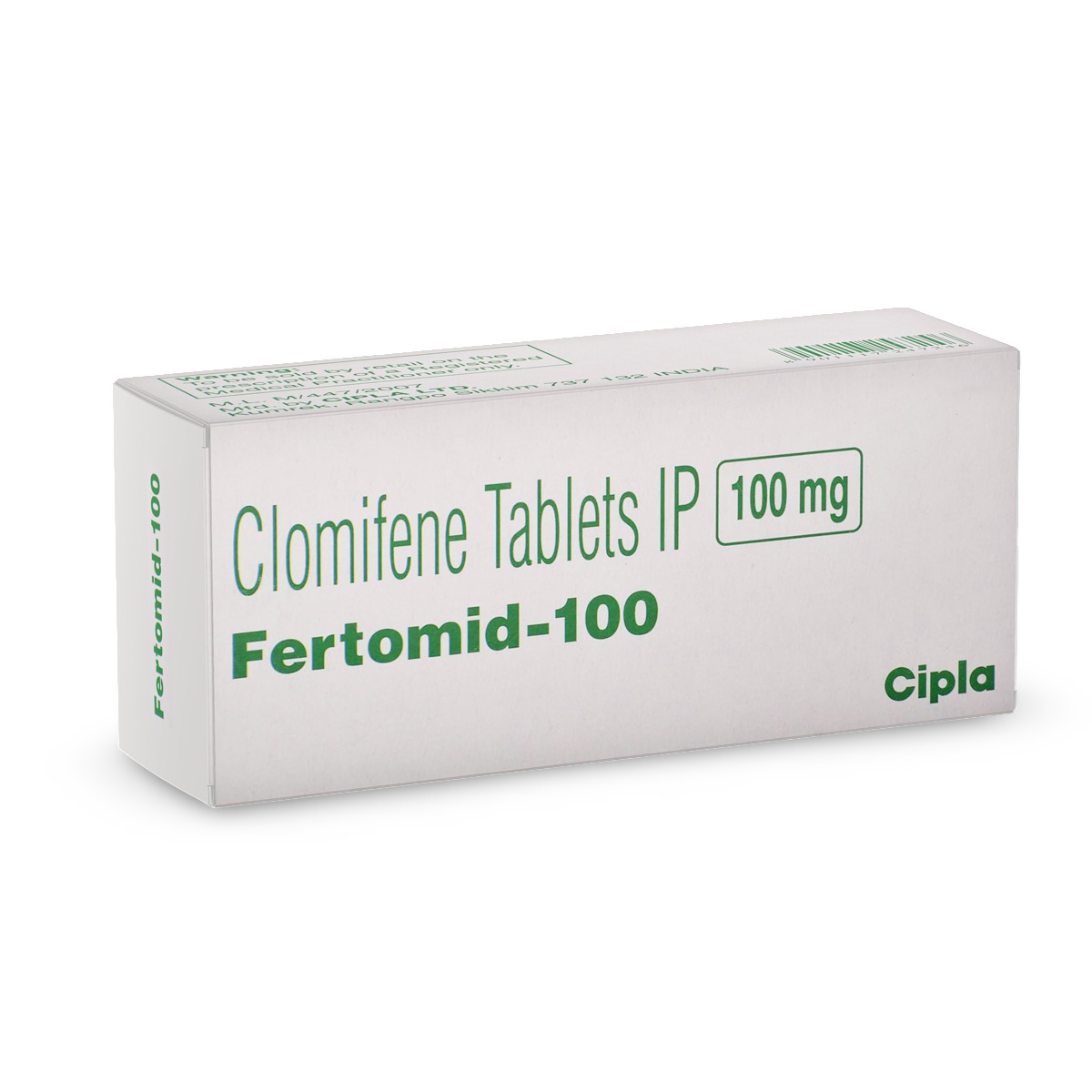
| Treatment | Often includes pain relief medications, hormonal therapy, and sometimes surgery. | Usually includes lifestyle changes, hormonal treatment, and medications such as Clomiphene to support ovulation or manage symptoms. |
Save up to 90% on your medicine bills
What they are
Although Endometriosis and PCOS can both affect menstrual and hormonal health, the main problem behind each condition is different. Endometriosis is associated with pain and inflammation, while PCOS is mainly linked with hormonal imbalance and ovulation problems.
- Endometriosis: The primary concern is that tissue similar to the uterine lining grows outside the uterus, often on the ovaries, pelvic lining, or bowel. This can cause ongoing inflammation and scarring, which can lead to chronic pelvic pain and changes in the normal structure of the pelvic area.
- PCOS: The main issue is hormonal and metabolic imbalance. It often involves multiple small ovarian cysts, high androgen levels, and insulin resistance, which can negatively impact ovulation. This can lead to anovulation (that is, when you don’t ovulate or get regular periods), weight gain, and other systemic symptoms.
Symptoms
The symptoms for these two conditions are usually different. Endometriosis is more commonly linked with pain-related symptoms, while PCOS symptoms in women show up through hormone-related and metabolic changes.
Some common symptoms are:
- Endometriosis: Severe period pain, chronic pelvic pain, pain during sex, painful bowel movements, heavy bleeding, and trouble getting pregnant. Some women also experience bloating, fatigue, nausea, and discomfort that gets worse around their periods.
- PCOS: Irregular or missed periods, acne, weight gain, excess facial or body hair, thinning hair on the scalp, and difficulty getting pregnant. Some women can also notice darkened skin patches, oily skin, mood changes, and symptoms of insulin resistance.
However, some symptoms can overlap, especially irregular periods, fertility problems, and ongoing pelvic discomfort, which can sometimes make these conditions harder to tell apart.
Causes
Although the exact root cause of both conditions is still unclear, they arise in different ways. Endometriosis can occur due to factors like retrograde menstruation, while the causes of PCOS are linked with hormonal and metabolic resistance.
- Endometriosis: It is most often associated with retrograde menstruation, where period blood flows backward into the pelvic cavity. Other possible causes include immune system dysfunction, cellular changes in the abdomen, and the spread of endometrial-like cells through the blood or lymphatic system.
- PCOS: Insulin resistance is a major factor because high insulin levels can increase androgen production. Higher androgen and luteinizing hormone (LH) levels can disrupt ovulation, while low-grade inflammation can further worsen hormone imbalance and contribute to symptoms such as irregular periods.
Additionally, both conditions can be influenced by shared factors such as genetics, prenatal hormone exposure, and possible environmental triggers, like exposure to certain toxins (such as phthalates, dioxins).
Fertility problems
Both these conditions can make it harder to conceive, but they affect fertility in different ways. Endometriosis mainly causes physical changes in the reproductive organs, while PCOS affects fertility through hormone imbalance and problems with ovulation.
- Endometriosis: Fertility problems usually result from inflammation, scar tissue, and adhesions (tissues sticking together) that affect the ovaries or fallopian tubes. It can also lower egg quality, reduce ovarian reserve, impair sperm motility, and make it harder for a fertilized egg to attach to the uterine lining.
- PCOS: Fertility problems mainly happen because ovulation becomes irregular or absent, making conception harder. High androgen levels and insulin resistance can also affect egg development. PCOS does not usually block sperm movement directly like Endometriosis, but hormonal imbalance can still reduce the chances of pregnancy.
Diagnosis
Because some symptoms can overlap, PCOS can sometimes be mistaken for Endometriosis. Thus, proper evaluation is required. Endometriosis is usually assessed through pelvic exam and imaging, while PCOS is often identified through menstrual history, hormone-related symptoms, blood tests, and ultrasound.
Their diagnosis usually involves the following:
- Endometriosis: Diagnosis often begins with symptoms such as pelvic pain, painful periods, and fertility problems. Doctors may use a pelvic exam, ultrasound, or Magnetic Resonance Imaging (MRI) to look for signs of this condition. In many cases, Laparoscopy is used to confirm the presence of Endometriosis and assess its location and extent.
- PCOS: Diagnosis usually depends on a combination of signs rather than one single test. Most approaches look for at least two features, such as irregular ovulation, high androgen levels or related symptoms and polycystic ovaries seen on ultrasound. Blood tests are also used to check hormones and related conditions.
Treatment
Endometriosis treatment usually focuses more on controlling pain and slowing tissue growth, while PCOS treatment often aims to improve hormone balance, support ovulation, and manage metabolic symptoms.
- Endometriosis: Treatment can include pain-relief medicines, like Ibuprofen, hormonal therapy, or Laparoscopic surgery to remove Endometriosis tissue, ovarian Endometriomas, or scar tissue. In severe cases, more extensive surgery can be considered if symptoms continue and pregnancy is not planned.
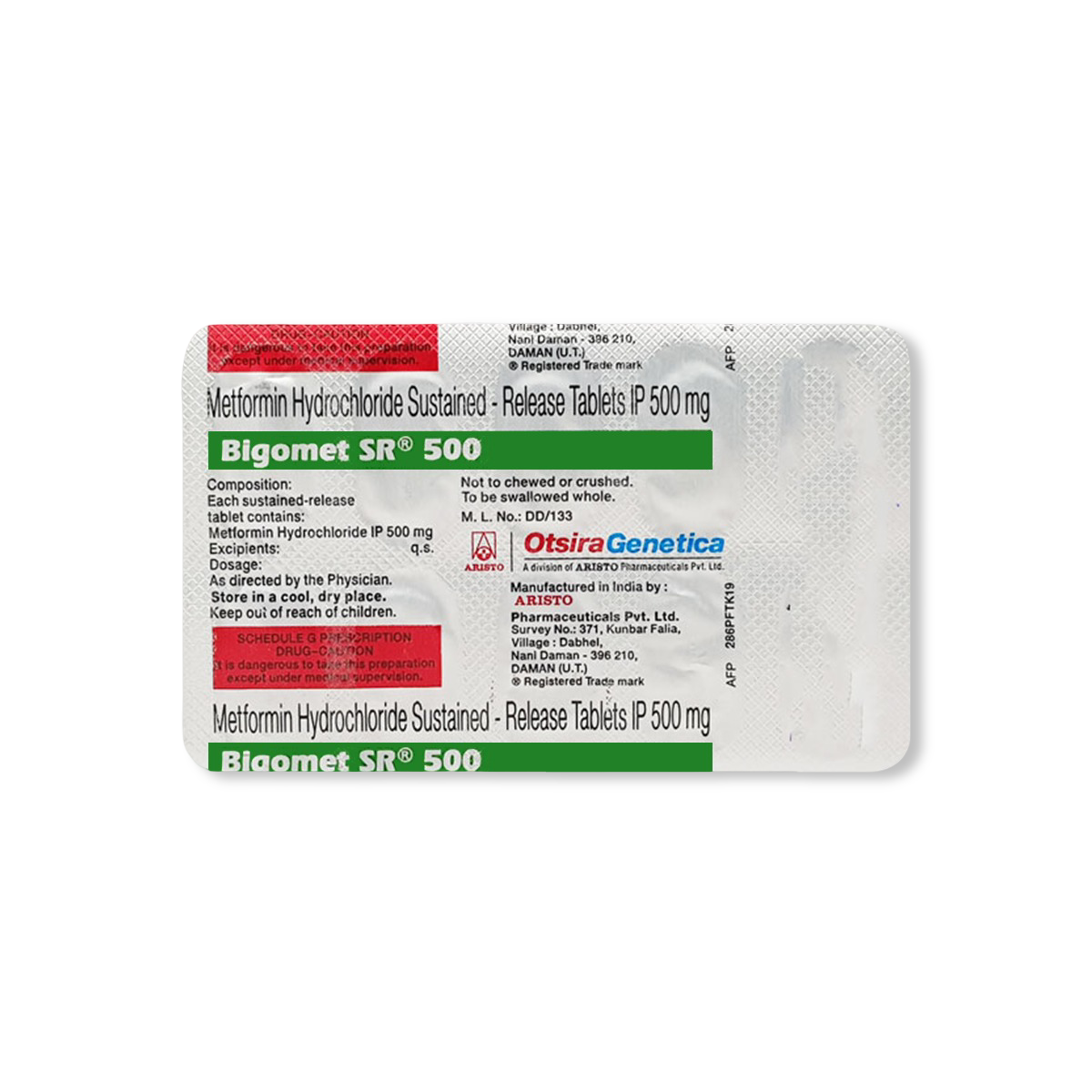
- PCOS: Treatment often includes lifestyle changes, such as regular exercise and weight management, hormonal medicines to regulate periods and other symptoms such as acne, and medicines like Metformin to improve insulin resistance or ovulation.
Note that the treatment plan depends on several factors, including symptom severity, age, whether pregnancy is planned, and the doctor’s evaluation of the condition.
When to consult a doctor
Symptoms of Endometriosis and PCOS should not be ignored. Consult a doctor if you have:
- Severe or long-lasting pelvic pain
- Very painful, heavy, irregular, or missed periods
- Pain during sex or bowel movements
- Acne, excess facial or body hair, or sudden weight gain
- Trouble getting pregnant
- Ongoing fatigue, bloating, or symptoms that keep getting worse.
Conclusion
When comparing Endometriosis vs PCOS, both conditions can affect fertility, menstruation, and overall quality of life, but they are not the same. They are distinct conditions that present in different ways, have distinct underlying causes, and require different approaches to diagnosis and treatment.
Endometriosis is more closely linked with pain, inflammation, and tissue growth outside the uterus, while PCOS is mainly associated with hormone imbalance, irregular ovulation, and metabolic changes.
Because some symptoms can overlap, the diagnosis is often based on a careful medical evaluation, physical examination, imaging tests, and hormone assessment. Additionally, treatments differ, as PCOS is often managed with lifestyle changes and hormone-related medicines, while Endometriosis is usually treated with pain relief, hormonal therapy, and sometimes surgery.

Frequently Asked Questions
Is PCOS as bad as Endometriosis?
No, PCOS is not as bad as Endometriosis or vice versa, because they affect the body differently. Endometriosis is often more pain-related, while PCOS is more hormone- and metabolism-related. Both can affect fertility, periods, and long-term health, so severity depends on symptoms, complications, and individual impact.
What is the sister disease to Endometriosis?
Adenomyosis is often called the sister disease or sister condition of Endometriosis because both conditions involve tissue similar to the uterine lining growing where it should not. The main difference is that adenomyosis grows into the muscular wall of the uterus, while endometriosis grows outside the uterus.
Can Endometriosis look like PCOS on ultrasound?
Yes, Endometriosis look like PCOS on ultrasound. Endometriosis can sometimes create ovarian cysts called Endometriomas that are seen on ultrasound, but they are different from the many small follicles typically seen with PCOS.
Will Ozempic help with Endometriosis?
No, Ozempic, containing Semaglutide, is not an FDA-approved treatment for Endometriosis. The treatment for this condition includes pain relief medications, hormonal therapy, and sometimes surgery if necessary, not Semaglutide.
Citations
GoodRxMedicine only refers to credible, authoritative sources for our content. If you're curious about how we ensure the integrity of our content, we encourage you to read our Content Information Policy.
How useful was this post?
Click on a star to rate it!
No votes so far! Be the first to rate this post.
Julian Carter is a highly accomplished MBA graduate in Pharmaceutical Management, celebrated for his extensive experience and exceptional skills in the pharmaceutical industry. With a wealth of knowledge and expertise, Julian is a valuable contributor to the field and a trusted voice in pharmaceutical management. As a contributing writer for Goodrxmedicine.com, Julian is committed to educating and empowering individuals to make informed decisions about their health. His passion for the industry is evident in his work, and his dedication to improving the lives of others through education and empowerment is truly remarkable. With a reputation for excellence and a track record of success, Julian Carter is a respected and admired figure in pharmaceutical management. His insights and contributions to the field are highly valued, and her expertise has helped shape the direction of the industry for the better. Through his work as a contributing writer for Goodrxmedicine.com and beyond, Julian continues to make a meaningful impact in the lives of many. His commitment to excellence and dedication to improving the health of individuals and communities around the world make him an inspiration to others in the field.
Learn MoreDr. James Mitchell is a board-certified physician with 18+ years of clinical experience in Sexual Medicine and Reproductive Health. He helps patients navigate intimate health concerns through medically sound guidance and compassionate, patient-centered care.
Learn More