



Hormones are chemical messengers that regulate various bodily functions, such as metabolism, growth and sexual function. When an imbalance occurs, these processes tend to fall out of sync. In women, this can occur at different stages of their lives, from puberty or pregnancy to perimenopause and menopause.
While some fluctuations are natural, extreme deviation from the normal range requires correction. If you notice weight gain, Acne, mood swings or irregular periods, dietary changes and regular routines can help. However, more severe variations will require proper diagnosis and medical intervention.
In this blog, you will read about the early signs of hormonal imbalance in women, the most common causes, and practical tips to fix it naturally. You can also learn which treatment options are available and when to seek professional help.
What does a hormonal imbalance in women mean?
Hormonal imbalance in women refers to a scenario where there is either too much or too little of hormones in the body. Both types of deviation can disrupt normal functions, including growth, metabolism, mood, reproduction, and sexual function.
Some key hormones that can fall out of their typical range and require prompt addressal include:
| Key female hormone | Usual healthy range |
|---|---|
| Estrogen (Estradiol E2) | 15–400 pg/mL |
| Progesterone | 5–20 ng/mL (Luteal phase) |
| Testosterone | 15–70 ng/dL |
| Thyroid hormones (Total T3, T4) | 5-12 µg/dL (T4) 80–200 ng/dL (T3) |
| Cortisol | 6–23 mcg/dL (morning peak) |
| Luteinizing Hormone (LH) | 5–20 IU/L |
| Follicle Stimulating Hormone (FSH) | 3–20 IU/L |
| Insulin | 2–25 µU/mL (Fasting) |
Most sex hormones vary with changing phases of your menstrual cycle and fluctuate greatly during puberty, pregnancy, childbirth and menopause. Thus, only persistently low levels and ongoing symptoms need to be addressed.
Save up to 90% on your medicine bills

Lovegra Oral Jelly Rx 100 Mg

Lovegra 100 mg
Starting at just $2.19 per tabletBuy Now
Oestrogel Gel 80 gm
Starting at just $38.02 per tubeBuy Now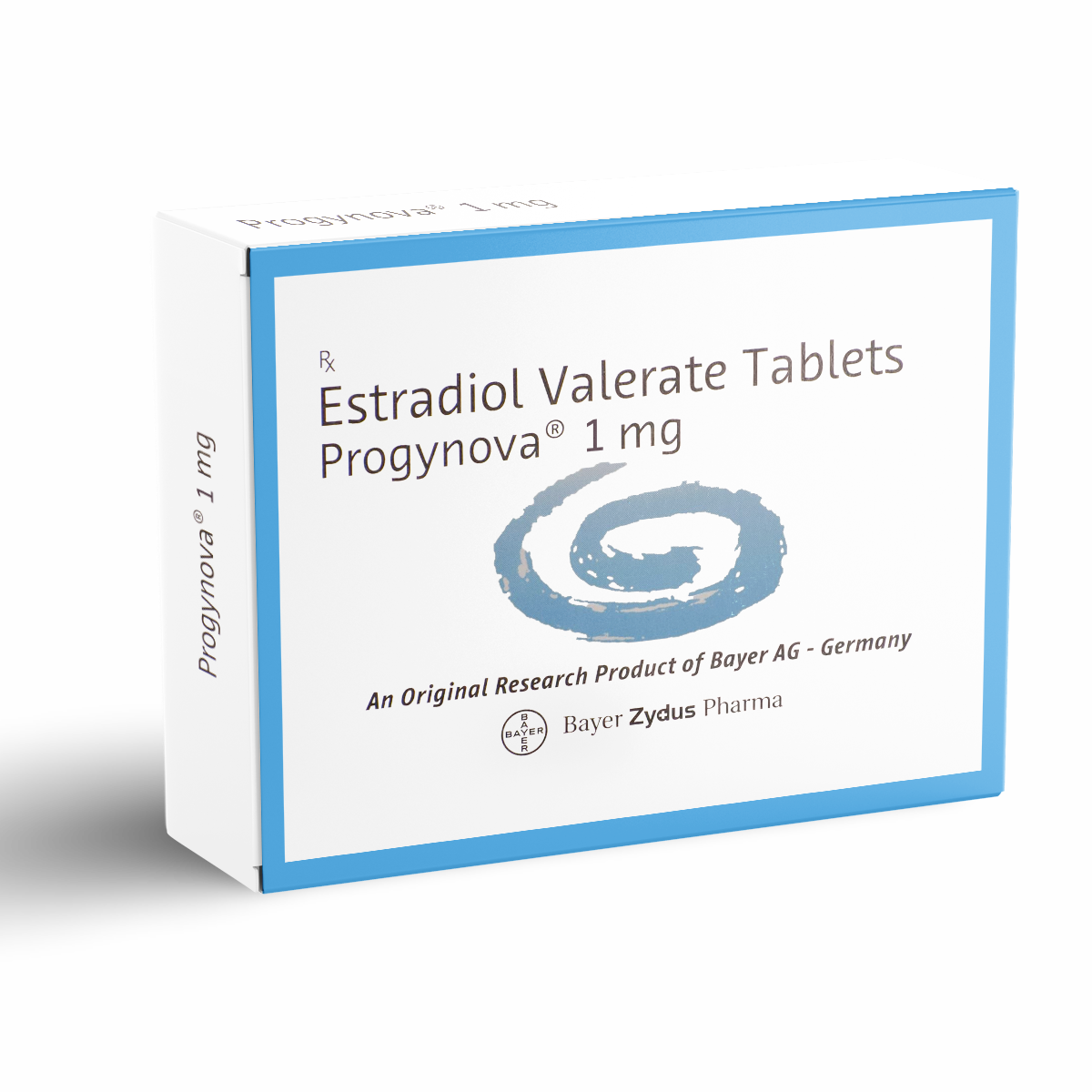
Progynova 1 mg
Starting at just $0.20 per tabletBuy NowSigns and symptoms of hormone imbalance
Symptoms can range from changes in ovulation and menstruation to physical changes like weight gain or Acne. These can be categorized into the following 4 broad categories:
Reproductive and menstrual symptoms
Hormonal imbalances in estrogen, testosterone and progesterone can directly affect your menstrual cycle and reproductive health. Here are some common signs to watch for:
- Irregular periods, including missed, delayed, or heavy periods.
- Low libido or decreased sex drive.
- Painful menstruation or increased menstrual cramps.
- Breast tenderness.
- Vaginal dryness.
Physical symptoms
Hormones affect many aspects of your physical health, and imbalances can cause noticeable changes in your body, such as:
- Weight gain or difficulty maintaining it.
- Hair loss or thinning hair.
- Acne, particularly around the jawline.
- Skin color changes.
- Excessive male-like hair growth (Hirsutism) on the face, chest and back.
- Bloating, especially before or during your period.
Systemic symptoms
Abnormal levels can show up as changes in your metabolism, energy levels, or how your body responds to stress. Consult a doctor if you experience:
- Persistent fatigue or sudden energy slumps.
- An increased appetite.
- Difficulty sleeping or Insomnia, more commonly during menopause or perimenopause.
- Difficulty regulating temperatures, both hot and cold.
Mood and cognitive symptoms
Hormones also affect your mood, mental clarity, and emotional well-being. Thus, fluctuations can lead to:
- Mood swings, Anxiety and Depression.
- Cognitive dysfunction, such as difficulty concentrating or remembering.
- Increased irritability.
- Difficulty managing stress.
Causes of hormonal imbalance in women
Hormonal imbalances can happen for varied reasons, including transition phases like postpartum or menopause. Other causes, such as underlying conditions and unhealthy lifestyle choices, are listed below.
- Perimenopause and menopause: During perimenopause, which can start in your 40s, dips in estrogen and progesterone lead to menstrual cycle changes, hot flashes, night sweats, mood swings, and vaginal dryness. As you approach menopause, this decline intensifies and leads to excess production of FSH and LH by the pituitary gland.
- Pregnancy and postpartum changes: Pregnancy causes significant changes in hormone levels, particularly with estrogen, progesterone, and Human Chorionic Gonadotropin (hCG). After childbirth, too, you might experience hormonal fluctuations that can suppress ovulation and alter menstrual cycles.
- Puberty and menarche onset: Puberty and the first few years after menarche can also cause a temporary hormonal imbalance in girls and young women. Since the brain, ovaries, and pituitary gland are still learning to coordinate hormone release, it can lead to irregular periods, skipped periods, Acne, mood changes, and unpredictable bleeding.
- Chronic stress: High levels of cortisol (stress hormone) can interfere with your body’s ability to regulate reproductive hormones, leading to irregular periods, low libido, and weight gain.
- Polycystic Ovary Syndrome (PCOS): Now termed Polyendocrine Metabolic Ovarian Syndrome (PMOS), it is one of the most common causes of hormonal imbalance in women. It is a condition in which the ovaries produce excess androgens (male sex hormones) and fail to release eggs properly. This often leads to irregular periods, ovarian cysts, weight gain, Acne, and hair loss.
- Endometriosis: It is an estrogen-dependent inflammatory condition in which tissue similar to the uterine lining grows outside the uterus. It can worsen with hormonal fluctuations and lead to painful periods, chronic pelvic pain, pain during sexual activity, bloating, and fertility problems.
- Thyroid disorders: Both Hypothyroidism (underactive thyroid gland) and Hyperthyroidism (overactive thyroid) can cause significant hormonal imbalance. Hypothyroidism is more common and can cause symptoms like weight gain, Depression, and intolerance to cold, while the latter can cause weight loss, Anxiety, and heat intolerance.
- Insulin Resistance: It means that the body is resistant to insulin, and it can lead to Type 2 Diabetes. This causes elevated blood sugar levels and hormonal imbalances, contributing to PCOS.
- Certain mediations and Cancer treatment: Long-term corticosteroid use and changes in thyroid treatment can also disturb hormone signaling in some women. Chemotherapy and radiation can damage the ovaries, lower estrogen levels, and sometimes trigger early menopause or fertility problems. Hormonal contraceptives can also change bleeding patterns and menstrual regularity.
- Lifestyle factors: Lack of exercise, smoking, inadequate sleep and nutrient-deficient diet can all upset the delicate balance of hormones in your body. Moreover, high intake of processed foods, caffeine, alcohol, or sugar can hinder your body’s ability to regulate blood sugar, weight and healthy hormone levels.
Apart from these, chronic hormonal imbalance can be caused by tumors, adenomas, thyroid nodules or Premature Ovarian Failure. In rare cases, autoimmune conditions like Hashimoto’s and Graves’ disease or damage or injury to the endocrine glands, can cause it.
How are hormonal imbalances diagnosed?
Diagnosing a hormonal imbalance begins with recognizing the symptoms and seeking guidance. To pinpoint the underlying cause, your doctor will likely recommend:
- Common blood tests: These tests measure levels of key hormones like estrogen, progesterone, testosterone, thyroid hormones (T3, T4), and cortisol.
- Additional blood tests: They might also order specific tests to check prolactin and Anti-Mullerian Hormone to evaluate ovarian reserve.
- Saliva tests: They are sometimes used to measure cortisol, especially to assess adrenal function.
- Urine tests: These help assess hormone levels and their fluctuations over a 24-hour period.
- Pelvic ultrasound: For women with suspected PCOS, a pelvic ultrasound may be advised to check for cysts on the ovaries.
With a clear diagnosis, your doctor will guide you toward the most suitable treatment options.
Hormonal imbalance treatment and management for women
Hormonal imbalances can often be managed through a combination of healthy diet, lifestyle adjustments and medical treatments. Depending on the underlying cause, the following options are available.
Manage hormonal imbalance naturally
There are several natural ways to restore hormone balance in women. You can easily incorporate a few simple, effective lifestyle changes into your daily routine. Hormonal imbalance management for women includes:
- Regular exercise: Regular physical activity helps reduce stress, manage weight, and improve insulin sensitivity, all of which are crucial to maintain hormonal balance. Try a combination of cardiovascular exercise, strength training, and flexibility workouts totaling 150 minutes per week.
- Balanced diet: Focus on whole grains and leafy greens that support metabolic function. Choose lean proteins and healthy fats, such as avocado and olive oil. Eat fruits like berries, oranges, and apples that are high in antioxidants. Drink herbal teas (ginger or peppermint) for digestive as well as hormonal health.
- Sleep routine: Get 7-9 hours of sleep every night. Try to maintain a consistent schedule for optimal hormone function.
- Stress management: Practice mindfulness, meditation, deep breathing, or yoga to lower cortisol levels. Spend time in nature and nourish your hobbies to relieve stress effectively.
- Vitamins and minerals: If you are unable to correct nutritional deficiencies through diet alone, try supplements for Vitamin B, vitamin D, magnesium and omega-3 fatty acids.
- Herbal supplements: Some herbs, such as vitex, maca root, and ashwagandha, have been shown to help balance hormones naturally. However, always check with a healthcare provider before use to ensure they are safe and effective for your condition.
Treat with medical intervention
When hormonal imbalances are caused by an underlying medical condition or not getting corrected with lifestyle and dietary adjustments, it is best to consult your healthcare provider. Depending on your condition and symptoms, the following may be recommended:
- Lubricants: Water-based lubricants or local vaginal estrogen for dryness and pain during intercourse due to low estrogen levels.
- Hormone Replacement Therapy (HRT): For women experiencing symptoms of menopause or severe hormonal fluctuations, systemic estrogen or testosterone replacement can restore balance and provide relief from symptoms.
- Hormonal contraceptives: Options like birth control pills, patches, or Intrauterine Devices (IUDs) are prescribed to regulate menstrual cycles, reduce Acne, and balance hormone levels. It is useful for women with PCOS and those with an imbalance, but who do not want to conceive.
- Medications for underlying issues: If your hormonal imbalance is linked to a specific condition, your doctor may prescribe medications. These include Metformin for PCOS or Diabetes, Levothyroxine for Hypothyroidism, or Spironolactone for high testosterone levels.
When to see a doctor for a hormonal imbalance?
While occasional symptoms of hormonal imbalance can be managed at home with lifestyle changes, more persistent signs need to be evaluated by a medical professional. Here are a few scenarios when you should consult an endocrinologist:
- Irregular or missed periods that last for several cycles.
- Persistent fatigue, unexplained weight gain, or difficulty losing weight despite best efforts.
- Mood swings, Depression, or Anxiety that do not improve with lifestyle changes.
- Hair loss, Acne, or other physical changes that appear suddenly or worsen over time.
- Pain during sex or changes in libido, especially after menopause.
- Infertility issues or difficulty conceiving, especially if you’ve been trying for over a year.
- Unmanageable symptoms like hot flashes, night sweats, and sleep disturbances.
For younger women or girls around puberty (under 18), a pediatrician can also guide the most suitable course of action.

Conclusion
Hormonal imbalance in women occurs when there is too much or too little of a particular hormone in the body. This can lead to a range of systemic, physical or cognitive symptoms, including irregular periods, mood swings, weight or sleep changes, Acne, and hair loss.
The causes of hormonal imbalance are varied, with PCOS, thyroid disorders and menopause being some of the most common triggers. Lifestyle factors like lack of exercise, poor diet, and high levels of stress can also contribute to hormone imbalances. In some cases, insulin resistance can further disrupt hormone levels, worsening symptoms.
Its diagnosis involves blood or urine tests to assess levels of key hormones, estrogen, progesterone, and thyroid. Depending on the results, treatment options can range from lifestyle adjustments to prescribed hormone therapy. Consult an endocrinologist for further guidance on hormonal imbalance during different stages of life, including pregnancy and menopause.
Frequently Asked Questions
What is the main cause of hormonal imbalance in females?
The main causes of hormonal imbalance in females include PCOS (Polycystic Ovary Syndrome), thyroid disorders and chronic stress. Moreover, menopause-related changes, poor diet and lack of exercise also disturb the normal function of hormones like estrogen, progesterone, and thyroid hormones.
How often do female hormones reset?
Female hormones do not completely reset as they naturally fluctuate throughout the day, each menstrual cycle and every few years. However, estrogen and progesterone reset every 21 to 38 days (28 days on average) for healthy women, with peaks and dips occurring in specific phases of the menstrual cycle.
What foods worsen hormonal imbalance?
Processed foods, refined sugars, excess caffeine and alcohol consumption can worsen hormonal imbalances by affecting insulin levels, estrogen metabolism, or cortisol production. Soy products, when consumed in large amounts, can interfere with natural hormone levels by mimicking estrogen.
How can I check my hormone balance at home?
You can use at-home hormone test kits that require a saliva or finger-prick blood sample. These help measure levels of estrogen, progesterone, testosterone, thyroid hormones, and cortisol at home. However, for a comprehensive and accurate diagnosis, it is best to consult a doctor and a licensed lab.
What is the 14-day hormone reset?
The 14-day hormone reset is a popular method of improving hormonal health with lifestyle, diet, exercise and sleep changes for 2 weeks. This often includes eating nutrient-rich foods, cutting back on processed foods, exercising regularly and incorporating stress-relief techniques to balance hormones naturally.
GoodRxMedicine only refers to credible, authoritative sources for our content. If you're curious about how we ensure the integrity of our content, we encourage you to read our Content Information Policy.

Julian Carter is a highly accomplished MBA graduate in Pharmaceutical Management, celebrated for his extensive experience and exceptional skills in the pharmaceutical industry. With a wealth of knowledge and expertise, Julian is a valuable contributor to the field and a trusted voice in pharmaceutical management.
As a contributing writer for Goodrxmedicine.com, Julian is committed to educating and empowering individuals to make informed decisions about their health. His passion for the industry is evident in his work, and his dedication to improving the lives of others through education and empowerment is truly remarkable.
With a reputation for excellence and a track record of success, Julian Carter is a respected and admired figure in pharmaceutical management. His insights and contributions to the field are highly valued, and her expertise has helped shape the direction of the industry for the better.
Through his work as a contributing writer for Goodrxmedicine.com and beyond, Julian continues to make a meaningful impact in the lives of many. His commitment to excellence and dedication to improving the health of individuals and communities around the world make him an inspiration to others in the field.