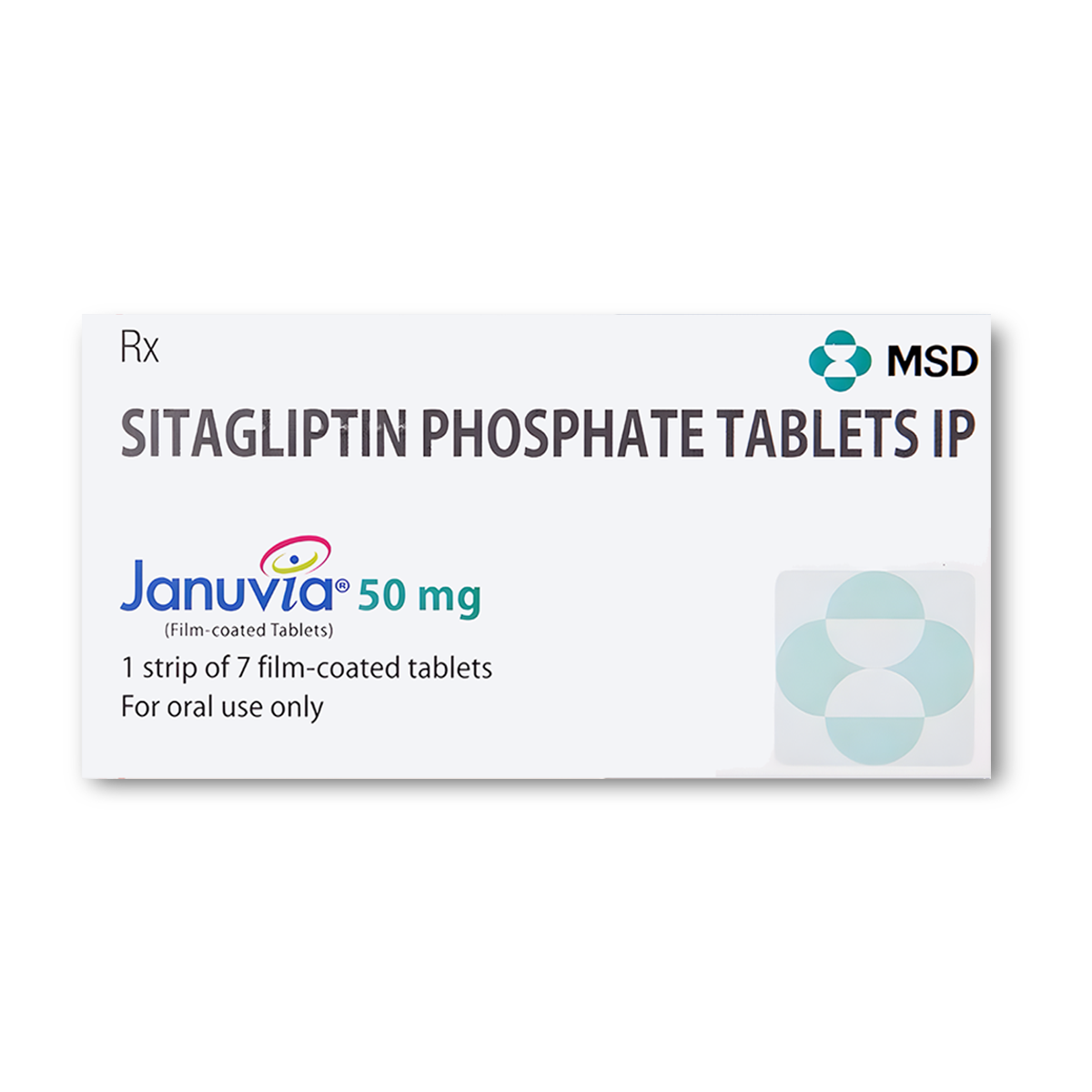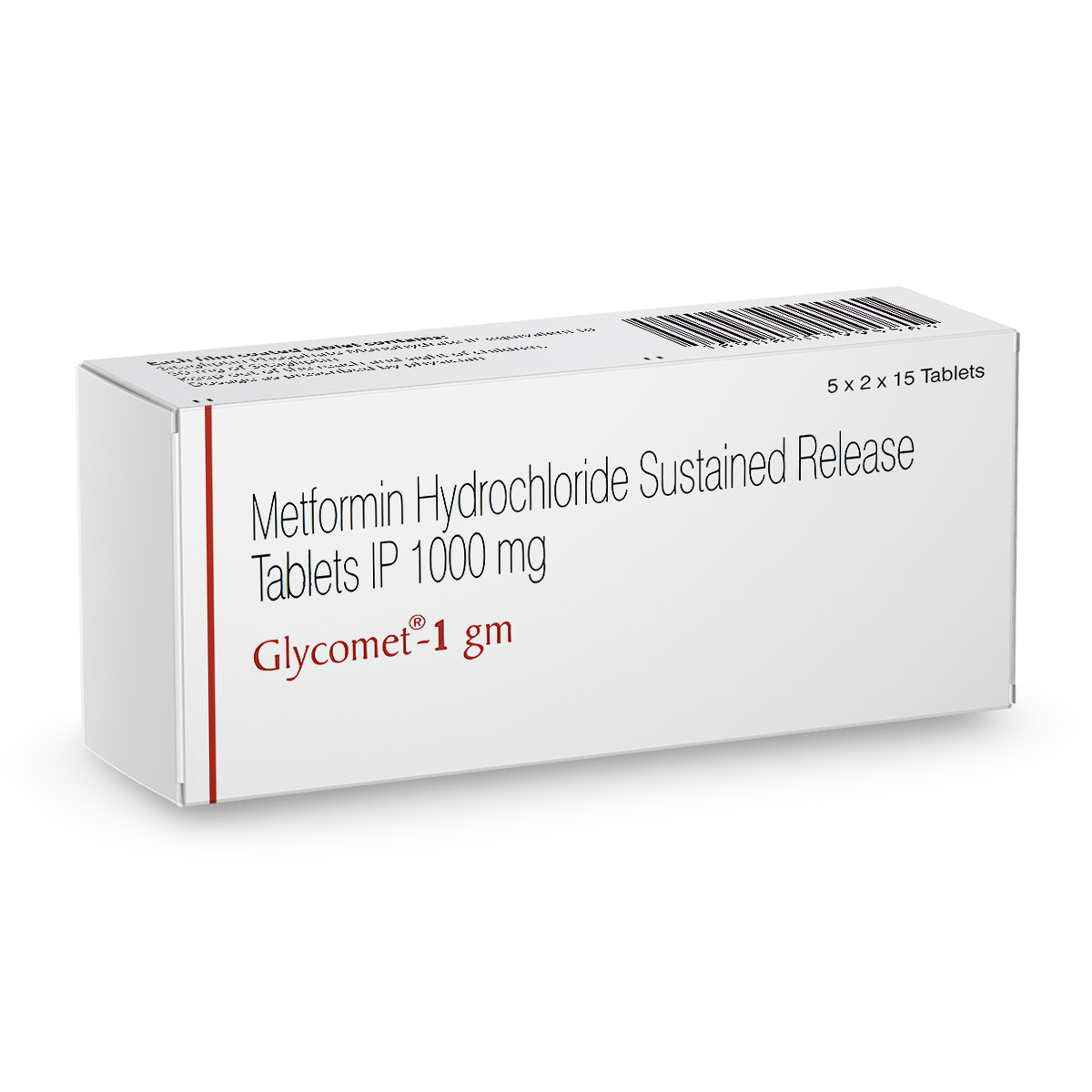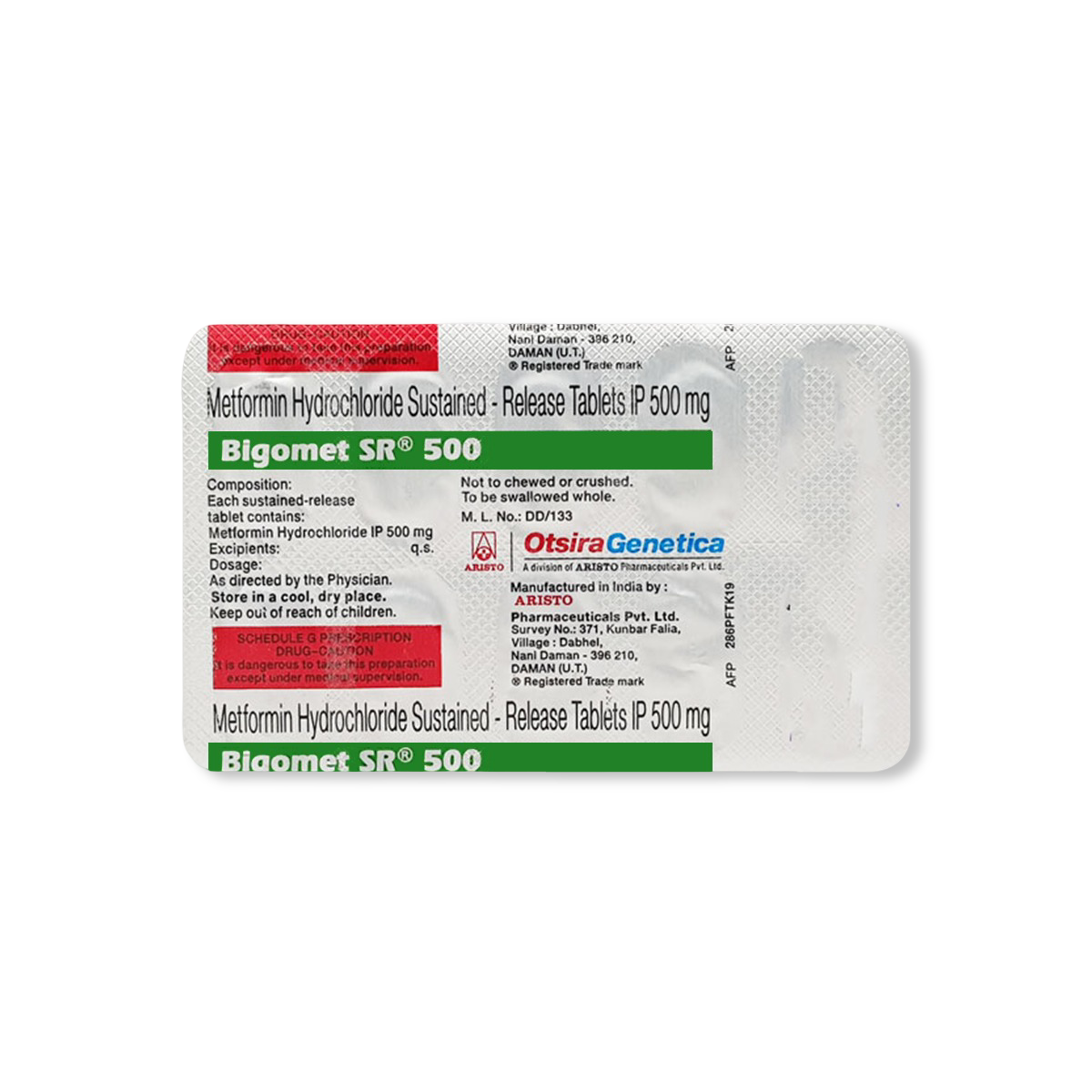



Metformin is one of the most widely prescribed medicines for managing Polycystic Ovary Syndrome (PCOS). Although it was originally developed to treat Type 2 Diabetes, Metformin has proven effective for PCOS because most of the condition’s symptoms are driven by insulin resistance and the high circulating insulin that comes with it.
PCOS causes irregular periods, elevated androgen levels, and fertility problems, all of which are worsened by high insulin levels in the body. Metformin addresses these by improving how the body responds to insulin, which in turn can restore ovulation, regulate menstrual cycles, and reduce androgen production.
In this article, we will cover how Metformin for PCOS works, its benefits, correct dosage, side effects, and important considerations before starting treatment. Read on to know what to expect from using Metformin for PCOS.
Metformin and how it helps PCOS
Metformin is an oral biguanide (oral Diabetes medication) originally developed to treat Type 2 Diabetes. It is one of the most commonly prescribed treatments for PCOS because it directly addresses insulin resistance, the hormonal imbalance behind most of the condition’s symptoms.
Metformin works by reducing glucose production in the liver, increasing insulin sensitivity and limiting glucose absorption from the gut. Approximately 50–70% of women with PCOS have insulin resistance, which causes high circulating insulin to signal the ovaries to produce excess androgens. By lowering insulin levels, Metformin disrupts this process, creating the conditions for regular ovulation and improved symptom control.
Metformin is FDA-approved for Type 2 Diabetes and is commonly prescribed off-label for PCOS in the United States, as clinical evidence supports its benefits regardless of whether Diabetes is present.
Save up to 90% on your medicine bills
Benefits of Metformin for PCOS
Metformin targets the hormonal imbalance behind PCOS rather than just managing individual symptoms. Its key benefits include:
- It reduces insulin resistance, helping ovulation resume, restoring metabolic and hormonal balance, and improving fertility in women with PCOS.
- Restores menstrual regularity as hormonal balance improves, with most women seeing results within three to six months.
- Lowers androgen levels, reducing acne, excess hair growth, and androgenic hair loss over time.
- Supports modest weight reduction in some women by improving how the body processes insulin and glucose.
- Reduces the long-term risk of Type 2 Diabetes and has been shown to improve cholesterol levels and lower the risk of Heart Disease.
Metformin dosage for PCOS and how to take
Doctors typically start Metformin at 500 mg once daily with food, increasing gradually by 500 mg per week to reduce gastrointestinal side effects. The most commonly used therapeutic doses are 500 mg three times daily or 850 mg twice daily, totaling 1,500–2,000 mg per day. In some cases, doses up to 2,000 mg daily can be used, depending on individual response and tolerance.
The exact schedule depends on whether you are prescribed Immediate-Release (IR) or Extended-Release (ER) Metformin, as the two forms are taken differently. A doctor should always confirm the correct dose and schedule.
General instructions for taking Metformin for PCOS include:
- Begin with 500 mg once daily and increase the dose gradually as directed by your doctor, up to a usual daily dose of 1,500–2,000 mg.
- If you are taking Immediate-Release (IR) Metformin, take it two to three times daily with or immediately after meals. If you are taking Extended-Release (ER) Metformin, take it once or twice daily with your main evening meal, as the medicine is released slowly throughout the day.
- Swallow tablets whole with a full glass of water. Do not crush, chew, or split them.
- If you miss a dose, take it as soon as you remember. If your next dose is due soon, skip the missed one. Never take two doses at once.
- Do not stop taking Metformin suddenly without first speaking to your doctor.
- Follow your doctor’s prescribed schedule consistently to ensure the medicine works effectively.
Side effects of Metformin for PCOS
Like all medicines, Metformin can cause some unwanted effects in certain women. Most side effects are mild to moderate and tend to improve as the body adjusts to the treatment. Taking Metformin with food and starting at a low dose significantly reduces their likelihood.
Common side effects
Common side effects mainly affect the digestive system, especially during the first few weeks of starting Metformin. The most frequently reported ones include:
- Nausea
- Diarrhea
- Stomach pain
- Loss of appetite
- Vomiting
- Metallic taste in the mouth
- Bloating or indigestion
These effects usually ease within a few weeks. Switching to extended-release Metformin can help if gastrointestinal side effects persist.
Serious side effects
Serious side effects are rare but require immediate medical attention if they occur. Women should be aware of the following:
- Lactic Acidosis characterized by muscle pain or cramping, difficulty breathing, unusual fatigue, and abdominal pain.
- Severe allergic reaction, including rash, swelling, or difficulty breathing.
- Very low blood sugar occurs when Metformin is combined with other glucose-lowering medicines.
Anyone experiencing symptoms of Lactic Acidosis should stop Metformin immediately and call emergency services.
Important considerations before taking Metformin for PCOS
Before starting Metformin for PCOS, it is important to share your full medical history, current medicines, and lifestyle habits with a doctor. Certain conditions, substances, and medicines can affect how safely and effectively Metformin works.
Conditions
Some health conditions require closer monitoring or make Metformin unsuitable. Women with any of the following should discuss this with a doctor before starting:
- Kidney disease: Metformin is cleared by the kidneys, and poor kidney function can cause it to accumulate in the body, raising the risk of Lactic Acidosis. Kidney function is checked before prescribing and monitored regularly.
- Liver disease: Impaired liver function reduces the body’s ability to clear lactic acid, increasing the risk.
- Heart failure: Reduced circulation in severe heart failure can increase the risk of lactic acidosis.
- Upcoming surgery or contrast procedures: Metformin must be stopped before procedures using iodine contrast dye and only restarted once kidney function is confirmed normal afterward.
Food and beverage
What you eat, drink, and how active you are all affect how well Metformin works for PCOS:
- Alcohol: Heavy or binge drinking while taking Metformin significantly raises the risk of Lactic Acidosis. Alcohol also worsens Insulin Resistance in PCOS, reducing treatment benefit. Occasional moderate drinking may be acceptable, but it should be discussed with a doctor.
- Diet: Eating a balanced diet low in refined carbohydrates and added sugars helps Metformin work more effectively. High-sugar and high-processed-food diets counteract the insulin-sensitizing effect of the medicine, reducing its benefit for PCOS symptoms.
- Physical activity: Regular, independent exercise improves Insulin Resistance and works alongside Metformin. Even moderate activity, such as brisk walking, supports better hormonal balance and can help Metformin achieve better results.
Medicines
Some medicines interact with Metformin or affect how safely it can be used. Always tell your doctor about all current medicines, including over-the-counter medications and supplements:
- Other glucose-lowering medicines: Combining Metformin with insulin or other antidiabetic medications can cause blood sugar to fall too low.
- NSAIDs such as Ibuprofen and Naproxen: Regular use of these common pain relievers can temporarily reduce kidney function, which may cause Metformin to accumulate in the body. Use them sparingly and inform your doctor if you take them regularly.
- Hormonal contraceptives: Combined oral contraceptives are frequently prescribed alongside Metformin for PCOS to address menstrual irregularity and reduce androgen levels. They do not interfere with how Metformin works, but the combination should be discussed with a doctor to ensure it aligns with your overall treatment plan.

Conclusion
Metformin for PCOS is a well-researched treatment that works by addressing insulin resistance, the core hormonal imbalance behind most PCOS symptoms. Reducing insulin levels, it helps restore ovulation, regulate menstrual cycles, lower androgen production, and support fertility. Prescribed off-label for PCOS in the United States, it is supported by clinical evidence and included in major treatment guidelines.
Most women tolerate Metformin well, though nausea, diarrhea, and other gastrointestinal effects are common in the first few weeks and usually settle with time. Serious reactions, such as Lactic Acidosis, are rare but require immediate care. Women with kidney disease, liver disease, or heavy alcohol use should discuss their medical history with a doctor before starting.
Metformin works best as part of a broader plan that includes a healthy diet, regular activity, and any other prescribed treatments. Always speak to a doctor before starting, adjusting, or stopping Metformin for PCOS.
Frequently Asked Questions
Can Metformin for PCOS benefit women without Diabetes?
Yes, Metformin for PCOS can benefit women who do not have Diabetes. It works by improving insulin resistance rather than lowering blood sugar. Up to 70% of women with PCOS have insulin resistance, whether or not Diabetes is present, which is why doctors prescribe it off-label for PCOS.
What are the main alternatives to Metformin for PCOS?
The main alternatives to Metformin for PCOS are the combined contraceptive pill for menstrual regulation, Letrozole or Clomifene for ovulation induction, and anti-androgens such as Spironolactone for acne and excess hair. The right choice depends on which symptoms are the biggest concern and whether pregnancy is a goal.
Should Metformin be stopped during pregnancy?
The decision to continue or stop Metformin during pregnancy depends on individual circumstances. In PCOS, Metformin is sometimes continued during the first trimester or beyond, particularly in women with Diabetes or at higher risk of miscarriage, under specialist supervision. This is a decision for a doctor to make, not one to take independently.
Does Metformin cause weight loss in PCOS?
Yes, Metformin can cause modest weight loss in some women with PCOS by improving insulin resistance and how the body processes glucose. The effect is usually small rather than significant. A balanced diet and regular exercise are more effective for weight loss, but Metformin can support both.
Can Metformin treat all PCOS symptoms on its own?
No, Metformin cannot treat all PCOS symptoms on its own. It works best for insulin resistance, irregular periods, ovulation problems, and fertility. Symptoms such as acne, hirsutism, and hair loss often require additional treatment. Most women see the best results combining Metformin with lifestyle changes and other prescribed medicines.
Citations
GoodRxMedicine only refers to credible, authoritative sources for our content. If you're curious about how we ensure the integrity of our content, we encourage you to read our Content Information Policy.
How useful was this post?
Click on a star to rate it!
No votes so far! Be the first to rate this post.
Julian Carter is a highly accomplished MBA graduate in Pharmaceutical Management, celebrated for his extensive experience and exceptional skills in the pharmaceutical industry. With a wealth of knowledge and expertise, Julian is a valuable contributor to the field and a trusted voice in pharmaceutical management. As a contributing writer for Goodrxmedicine.com, Julian is committed to educating and empowering individuals to make informed decisions about their health. His passion for the industry is evident in his work, and his dedication to improving the lives of others through education and empowerment is truly remarkable. With a reputation for excellence and a track record of success, Julian Carter is a respected and admired figure in pharmaceutical management. His insights and contributions to the field are highly valued, and his expertise has helped shape the direction of the industry for the better. Through his work as a contributing writer for Goodrxmedicine.com and beyond, Julian continues to make a meaningful impact in the lives of many. His commitment to excellence and dedication to improving the health of individuals and communities around the world make him an inspiration to others in the field.
Learn MoreDr. James Mitchell is a board-certified physician with 18+ years of clinical experience in Sexual Medicine and Reproductive Health. He helps patients navigate intimate health concerns through medically sound guidance and compassionate, patient-centered care.
Learn More