






Studies show that nearly 3 out of 4 women experience painful intercourse at some point in life. Yet many delay seeking help because they are hesitant to discuss or there is a lack of awareness.
Pain during sex means discomfort that happens during penetration, thrusting, or sexual activity. It can feel like burning at the vaginal opening, tightness during entry, or deep pressure in the pelvis. Doctors can call this Dyspareunia, a medical term for persistent or recurrent genital pain linked to sexual activity.
Sometimes the pain is mild and occasional, which is common. However, pain during sex is not something women should simply tolerate, especially if it keeps returning or affects comfort. Fortunately, many causes are treatable once the underlying problem is identified.
Read on to learn what this pain feels like, what causes it, how you can manage it at home, and when medical care is needed.
What does pain during sex feel like
Pain during sex feels different for every woman. You can feel discomfort at the vaginal opening during penetration or deeper pelvic pain during thrusting or in certain positions. It can feel like:
- Burning or stinging: A hot, sharp, or prickly sensation around the vaginal opening, inside the vagina, or along the vulvar area.
- Rawness or tightness: Tenderness, rubbing, pressure, resistance, or a closing sensation during penetration.
- Sharp entry pain: Tenderness, rubbing, pressure, resistance, or a closing sensation during penetration.
- Deep aching or pressure: A dull, heavy, cramp-like, or full sensation felt deeper in the pelvis during intercourse.
Pain near the vaginal opening is usually called entry pain. Pain felt deeper inside the pelvis is called deep pain during sex. Knowing this difference will help you explain your symptoms more clearly to a doctor.
Save up to 90% on your medicine bills

Lovegra Oral Jelly Rx 100 Mg

Lovegra 100 mg
Starting at just $2.19 per tabletBuy Now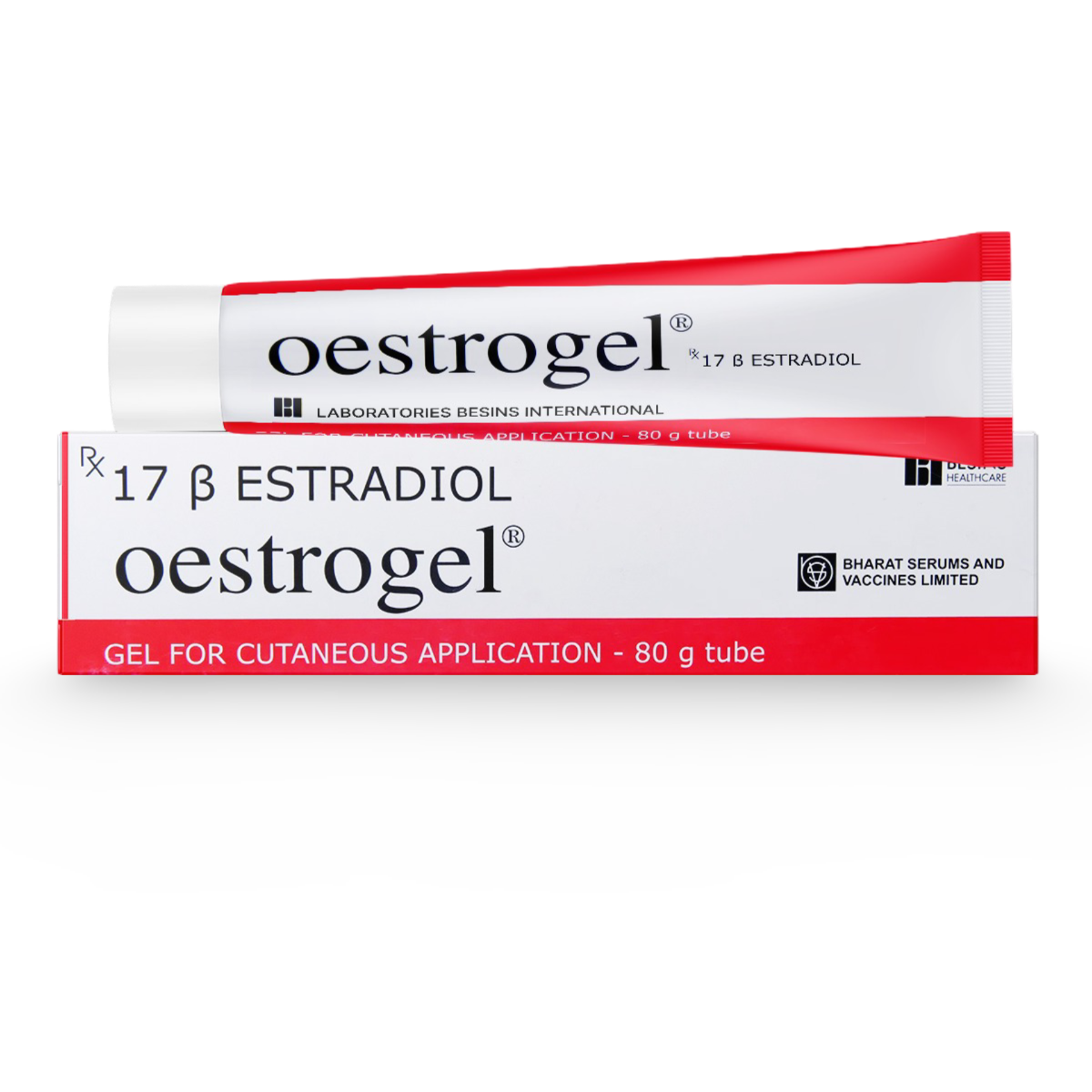
Oestrogel Gel 80 gm
Starting at just $38.02 per tubeBuy Now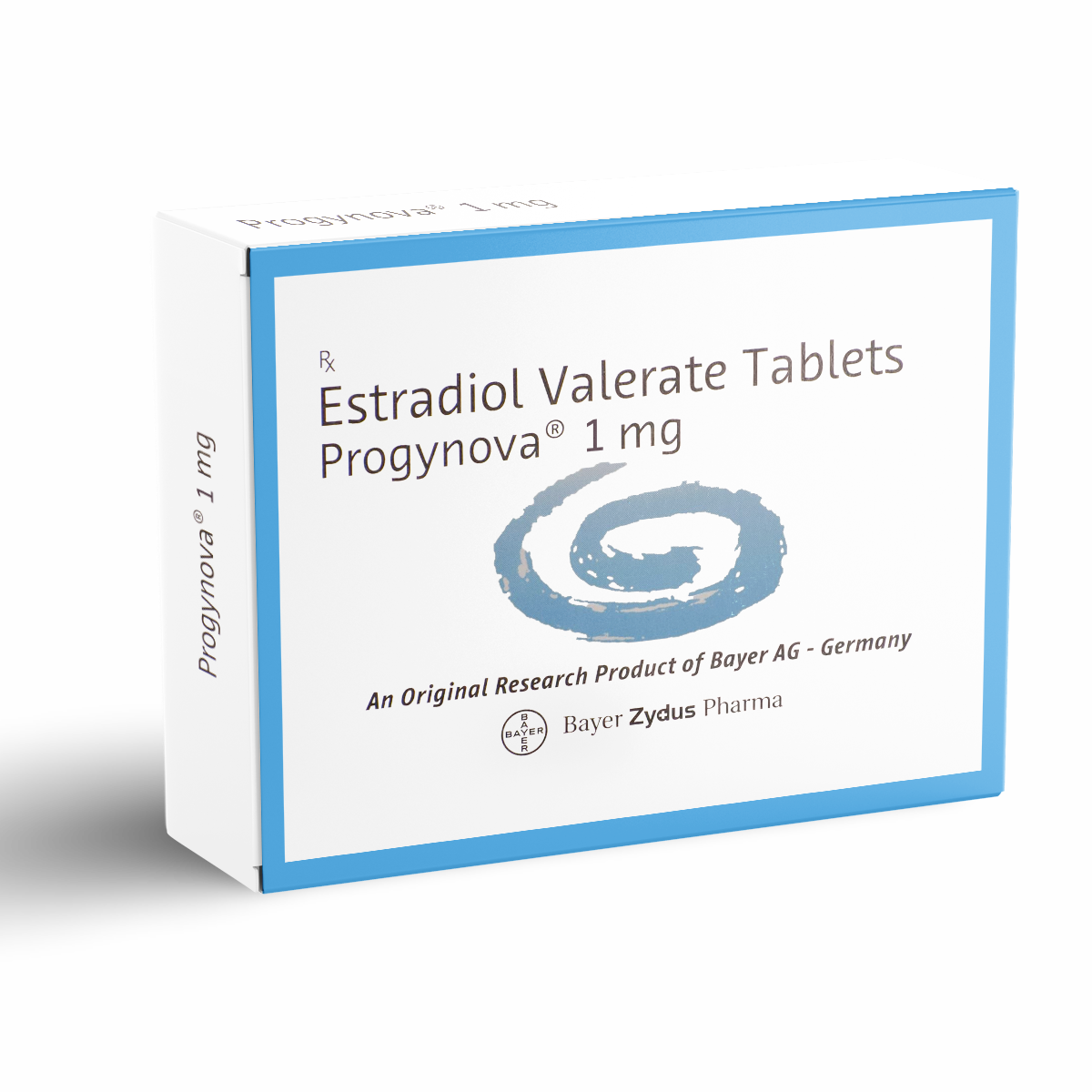
Progynova 1 mg
Starting at just $0.20 per tabletBuy NowCauses of pain during sex
Pain during sex has physical, hormonal, emotional, or intercourse-related factors. Entry pain is often linked to dryness, infections, irritation, or tight pelvic muscles, while deep pain can point to pelvic conditions, such as Endometriosis, fibroids, ovarian cysts, or Pelvic Inflammatory Disease.
Vaginal dryness or low lubrication
Vaginal dryness is one of the most common causes of painful penetration. When there isn’t enough natural moisture, friction during sex irritates the vaginal opening and makes the tissue feel raw or sensitive. You can feel burning, stinging, or a scraping sensation with entry. This occurs due to:
- Limited arousal or rushing: If penetration starts before the body is ready, the vaginal tissue may not relax or produce enough natural lubrication, making entry painful.
- Stress, tiredness, or discomfort: These can affect arousal and make it harder for the body to relax before sex.
- Certain medicines: Antihistamines, antidepressants, and cold medicines can reduce natural moisture, including vaginal lubrication.
- Hormonal changes: Menopause, perimenopause, breastfeeding, or hormonal treatments can lower estrogen. This can make vaginal tissue drier, thinner, and less flexible.
Pelvic floor tightness
The pelvic floor muscles surround the vaginal opening. When these muscles stay tense during penetration, sex feels painful, blocked, or difficult.
Sometimes, the pelvic floor muscles stay tight even when you are trying to relax. This can happen as general pelvic floor tension or as Vaginismus, a condition in which the vaginal muscles tighten on their own. It can make penetration painful, difficult, or impossible.
This is not intentional; stress, fear, past trauma, or repeated painful sex can make the muscles tighten more during penetration.
Infections and irritation
If vaginal, vulvar, or urinary tissue is inflamed due to infection, penetration can be painful during sex. You will feel burning, sharp pain, rawness, or tenderness during penetration, depending on where the irritation is. Common triggers include:
- Yeast infection or Bacterial Vaginosis: These make penetration painful when vaginal tissue is inflamed or irritated.
- Urinary Tract Infection (UTI): A UTI can make the bladder or urethral area sensitive during sex. Friction or pressure during penetration can press on an already irritated area, causing pain.
- Sexually Transmitted Infections (STIs): STIs like Herpes, Chlamydia, Gonorrhoea can cause sores, tenderness or inflammation, which can make sex painful.
- Harsh or scented products: Scented soaps, bubble baths, douches, vaginal sprays, spermicides, latex condoms, fragranced lubricants, or harsh intimate washes can irritate the area. This irritation causes pain during intercourse.
Vulvar conditions
Some vulvar conditions make the outer genital area highly sensitive during penetration. The pain can feel like burning, tenderness, pulling, or rawness around the vaginal opening during sex. Such skin conditions are:
- Lichen Sclerosus or Lichen Planus: These make the vulvar skin thin, sore, or delicate. During penetration, the area feels like it is burning, pulling, or tearing.
- Eczema or Contact Dermatitis: These happen when the skin reacts to irritants or allergens. During sex, the affected skin can feel dry, cracked, raw, or inflamed.
Pelvic conditions
Some pelvic conditions can cause deep pain during sex, especially with deeper penetration or certain positions. These include:
- Endometriosis: Tissue similar to the uterine lining grows outside the uterus and creates inflammation, leading to deep pain.
- Uterine fibroids: Non-cancerous growths in or around the uterus can hurt when deep pressure is applied during sex.
- Ovarian cysts: Fluid-filled sacs on the ovaries can cause pain when pressure falls near the affected ovary.
- Pelvic Inflammatory Disease (PID): PID is an infection of the uterus, fallopian tubes, or ovaries. It can make deeper pelvic tissues tender, causing pain during deep penetration.
Childbirth or pelvic procedures
Childbirth, pelvic surgery, or pelvic radiotherapy can leave the vaginal or pelvic tissues more sensitive than before. Scar tissue can make the area feel tight or tender, while dryness or reduced flexibility can increase friction during penetration. This can make sex feel sore, tight, or uncomfortable.
Pain after childbirth or pelvic procedures can happen for different reasons, such as:
- Tears or stitches from childbirth can leave tender areas around the vaginal opening. These areas feel tight or sore during sex after pregnancy.
- Pelvic surgery sometimes leaves scar tissue that feels uncomfortable during deep penetration.
- Pelvic radiotherapy can make tissue drier, tighter, or less stretchy. This makes penetration feel uncomfortable during sex.
If your pain is mild and mainly linked to friction, dryness, position, or pace, and not linked to an underlying medical condition, a few safe changes at home can help before you move toward medical evaluation.
How to reduce pain during sex at home

Pain can depend on the pace, position, depth of penetration, condom type, lubrication, or comfort with a partner. That is why sex can hurt with one partner and not another. Still, when pain keeps returning, it is important to consider common health-related causes.
These steps can ease mild pain from friction or irritation, but recurring or severe pain needs medical evaluation:
- Take more time for foreplay: Longer foreplay gives the body more time to become aroused, relax, and produce natural lubrication. This can reduce friction and make penetration more comfortable.
- Use lubricant: Choose a water-based or silicone-based lubricant during sex. Apply enough to reduce rubbing and treat vaginal dryness, especially if dryness or friction makes penetration painful.
- Slow down and adjust positions: Go slowly and choose positions that let you control depth, pace, and angle. If penetration feels too intense, reduce depth or switch positions. If sharp pain occurs, pause or adjust the angle instead of pushing through it.
- Try gentle pelvic floor relaxation: Slow breathing, relaxing the pelvic muscles, or gentle pelvic floor exercises can help if mild muscle tension is involved. Avoid forceful Kegels if penetration feels blocked or tight, as they can worsen tight pelvic floor pain.
- Take a warm bath before sex: A warm bath can help relax tense muscles and reduce general pelvic discomfort before sex. Avoid scented bath products, as they can irritate the vulvar or vaginal area.
- Check condom-related irritation: Latex condoms, spermicides, or fragranced condoms can irritate sensitive tissue in some people. Switching to a non-irritating option will help if the pain started after using a specific condom.
- Avoid harsh intimate products: Avoid scented lubricants, warming products, douches, tightening gels, and harsh intimate washes. These products can irritate sensitive tissue, making penetration more painful.
- Communicate clearly with your partner: Tell your partner what feels comfortable and what does not. Clear communication will help you control pace, pressure, and positioning during sex.
If pain keeps returning despite these steps, a gynecologist can help identify the cause and suggest the right treatment.
Diagnosis of pain during sex
Doctors diagnose pain during sex by understanding where the pain happens and what it feels like during penetration. You should tell your doctor whether the pain is near the vaginal opening, deeper inside the pelvis, or worse in certain positions.
Diagnosis can include:
- Symptom discussion: Your doctor will ask when the pain started, how often it happens, what it feels like, and where you feel it. They will also review your medical history, menstrual cycle, pregnancy history, and current medicines.
- Gentle pelvic exam: This helps check for irritation, tender areas, scarring, tissue changes, or pelvic muscle tightness.
- Tests, if needed: Vaginal swabs, STI testing, urine tests, or an ultrasound will be suggested if an infection or pelvic condition is suspected.
Treatment for pain during sex
Treatment depends on what is causing pain during sex. Your doctor will suggest one or more options after checking your symptoms and test results.
Treatment can include:
- Vaginal moisturizers: Vaginal moisturizers can help manage ongoing dryness between sexual activity. They are often used when dryness is frequent, not only during sex.
- Hormone treatment: If low estrogen from menopause, breastfeeding, or hormonal changes is causing dryness and thinning of vaginal tissue, your doctor can suggest local vaginal estrogen or Hormone Replacement Therapy (HRT), depending on your symptoms and health history.
- Infection treatment: Yeast infections are usually treated with antifungal medicines. Bacterial infections, UTIs, some STIs, or Pelvic Inflammatory Disease (PID) need antibiotics. If an STI is suspected, your partner may also need testing and treatment.
- Treatment for vulvar conditions: Vulvar skin problems, such as Lichen Sclerosus, Lichen Planus, eczema, or Contact Dermatitis, require medicated creams, steroid ointments, or avoidance of the irritant causing the reaction.
- Pelvic condition treatment: Endometriosis may need pain relief, hormonal medicines, or surgery in some cases. Fibroids may be managed with medicines or procedures. Ovarian cysts may need monitoring, medicines, or surgery depending on their size and symptoms.
- Counseling or sex therapy: This can help when fear, trauma, stress, or repeated painful sex makes the body tense during penetration. It can also support communication, comfort, and confidence during intimacy.
When to see a doctor
Sometimes, pain during sex needs medical review instead of repeated self-care. See a gynecologist if you notice any of the following:
- Recurring discomfort: If sex hurts repeatedly, do not keep pushing through it. It can be linked to dryness, infection, pelvic floor tightness, or another treatable cause.
- Deep or severe pain: Pain felt deep inside the pelvis needs medical review, especially if it feels sharp, heavy, or intense during penetration.
- Other symptoms: Bleeding after sex or during it, unusual discharge, fever, genital sores, burning urination, or sudden pelvic pain should be checked by a doctor.
- Impact on intimacy: If sex makes you tense, worried, or avoidant, medical help makes treatment easier and reduces the fear-pain cycle.

Conclusion
Pain during sex in females feels like burning, rawness, tightness, sharp entry pain, or deep pelvic pressure during penetration. It happens due to low lubrication, pelvic floor tightness, infections, or vulvar skin conditions. It can also be linked to pelvic conditions like Endometriosis, Fibroids, ovarian cysts, Pelvic Inflammatory Disease, or changes after childbirth or pelvic procedures.
If the pain is mild and linked to dryness, friction, pace, or position, you can try simple at-home steps. These include using lubricant, adjusting pace and positions, avoiding harsh intimate products, and communicating clearly with your partner. If pain keeps returning, a doctor can check your symptoms and do a gentle pelvic exam. They can also suggest tests such as swabs, STI testing, urine tests, or an ultrasound.
Treatment can include moisture support, infection treatment, pelvic floor therapy, counseling, or care for an underlying pelvic condition. Occasional or very mild pain during sex is common, but you should not simply tolerate it if it keeps coming back, feels severe, or affects your comfort. With the right diagnosis and timely care, most causes of painful sex can be managed safely, so you do not have to ignore the pain or keep pushing through discomfort.
Frequently Asked Questions
Can pain during sex affect fertility?
No, pain during sex itself does not cause infertility. However, some conditions that cause painful sex, such as Endometriosis or Pelvic Inflammatory Disease, can also affect fertility. If you are trying to get pregnant and sex is painful, speak with a gynecologist.
Should I take painkillers before sex?
No, you should not routinely rely on painkillers before sex without knowing why sex hurts. A doctor sometimes recommends them for certain conditions, but repeated pain during penetration should be medically evaluated instead of being masked with medicines.
Should my partner be tested if sex hurts?
Yes, your partner will need testing depending on the cause. Testing is usually considered if a Sexually Transmitted Infection is suspected, especially when pain during sex is linked to sores, genital tenderness, or infection risk. When an STI is present, both partners may need treatment because an untreated partner can pass the infection back.
Is numbing cream safe for pain during sex?
No, numbing cream should not be used casually or without medical guidance for pain during sex. In some cases, a doctor prescribes specific topical treatments, but using them without evaluation will hide pain signals and increase the risk of irritation or injury.
Can sex be painful during pregnancy?
Yes, sex can be painful during pregnancy because hormonal changes, vaginal dryness, a growing uterus, pelvic pressure, and increased sensitivity make penetration uncomfortable. Intercourse is usually safe in a healthy pregnancy, but pain with bleeding, leaking fluid, strong cramps, or fever needs medical review.
How long does it take to treat pain during sex?
Treatment time depends on the cause of pain during sex. An infection improves within days after proper medicine, while pelvic floor tightness takes weeks or months of therapy. Conditions like Endometriosis or Fibroids need longer-term care.
GoodRxMedicine only refers to credible, authoritative sources for our content. If you're curious about how we ensure the integrity of our content, we encourage you to read our Content Information Policy.

Julian Carter is a highly accomplished MBA graduate in Pharmaceutical Management, celebrated for his extensive experience and exceptional skills in the pharmaceutical industry. With a wealth of knowledge and expertise, Julian is a valuable contributor to the field and a trusted voice in pharmaceutical management.
As a contributing writer for Goodrxmedicine.com, Julian is committed to educating and empowering individuals to make informed decisions about their health. His passion for the industry is evident in his work, and his dedication to improving the lives of others through education and empowerment is truly remarkable.
With a reputation for excellence and a track record of success, Julian Carter is a respected and admired figure in pharmaceutical management. His insights and contributions to the field are highly valued, and her expertise has helped shape the direction of the industry for the better.
Through his work as a contributing writer for Goodrxmedicine.com and beyond, Julian continues to make a meaningful impact in the lives of many. His commitment to excellence and dedication to improving the health of individuals and communities around the world make him an inspiration to others in the field.