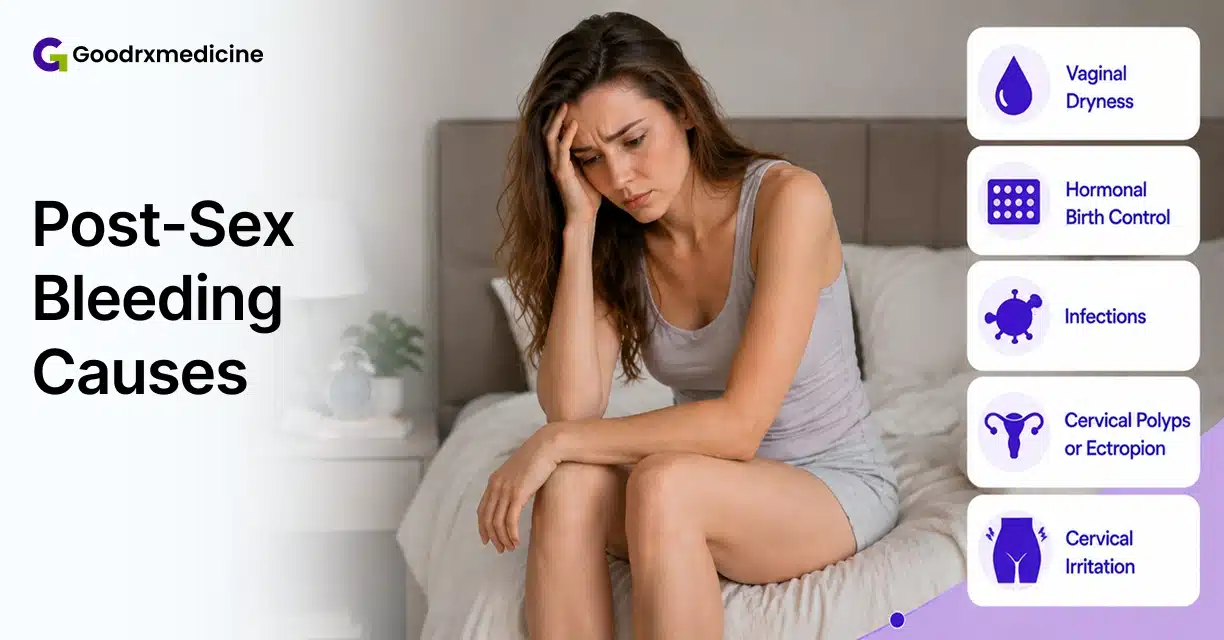



Noticing light bleeding after sex can feel worrying, especially when you are not sure if it is normal. About 0.7 to 9% of women experience occasional bleeding, so you are not alone.
When bleeding occurs after sexual activity, it is medically called Postcoital Bleeding (PCB). This is different from a period or bleeding that starts during intercourse. In many cases, this light spotting happens when vaginal tissue becomes dry, sensitive, or mildly irritated during sex.
Still, repeated, heavy, or unexplained bleeding should not be ignored. In this article, you’ll learn common causes, ways to manage the bleeding, and when to seek care.
When bleeding after sex is normal
You do not need to panic if the bleeding after sex is mild, brief, and settles on its own. Bleeding after sex is usually less concerning when:
- You notice only light spotting.
- It lasts for a short time.
- It happens only once in a while.
- You do not have severe pelvic pain or heavy bleeding.
- You do not notice unusual discharge, itching, burning, or a strong odor.
- The spotting stops on its own without treatment.
Even if the bleeding seems mild, you should see a doctor if it is persistent. Repeated bleeding needs evaluation for infection, cervical irritation, polyps, or other underlying causes.
Save up to 90% on your medicine bills
Common causes of bleeding after sex
Most of the time, bleeding after sex is not a sign of something serious. Most causes are not serious. However, in rare cases, it signals infections, cervical cell changes, or other conditions that require medical attention. Understanding the main reasons will help you know what to watch for and what is easily manageable on your own:
- Vaginal dryness or friction: When the vagina is not lubricated enough, sex can create excessive friction that irritates sensitive vaginal or cervical tissue. This commonly happens with short foreplay, menopause, breastfeeding, or certain medications. Friction may become worse during rough or prolonged intercourse or when sex toys are used without enough lubrication. In some cases, it can even lead to small vaginal or vulvar tears, causing light spotting, soreness, stinging, or burning after sex.
- Hormonal birth control: Birth control pills, patches, injections, implants, or hormonal IUDs can sometimes cause spotting, especially during the first few months of use. Missing pills, taking them late, or stopping hormonal birth control suddenly can also disturb hormone levels and lead to unexpected bleeding after sex.
- Infections: Sexually Transmitted Infections (STIs) like Chlamydia, Gonorrhea, or Trichomoniasis, as well as yeast infections or Bacterial Vaginosis (BV), can inflame your vaginal or cervical tissue. You might notice bleeding, discharge, odor, itching, burning, or discomfort during urination.
- Cervical polyps: Small, benign growths on your cervix can bleed when touched during sex or a pelvic exam. They’re usually painless, but repeated spotting is possible.
- Pregnancy-related cervical sensitivity: During pregnancy, hormonal changes increase blood flow to the cervix, making the tissue softer and more sensitive than usual. Because of this, some people may notice light spotting after sexual intercourse or a pelvic examination. Although mild spotting can occur during pregnancy, persistent bleeding, heavy bleeding, pain, or cramping should be evaluated by a healthcare provider to rule out other causes.
- Cervical Ectropion: This harmless change occurs when softer inner cervical cells appear on the outer surface of the cervix. These delicate cells bleed more easily after sexual activity, especially when estrogen levels are higher, such as during pregnancy or with hormonal birth control.
- Uterine polyps or fibroids: Growths inside your uterus cause irregular spotting between periods or after sex. Fibroids also make your periods heavier or give you a sense of pelvic pressure.
- Intrauterine Device (IUD) irritation: An Intrauterine Device (IUD) is a small birth control device placed inside the uterus. If you have one, it can sometimes shift or irritate the uterus or cervix, causing spotting, cramping, or mild discomfort. Most cases are temporary.
Additionally, precancerous changes or Cancer involving abnormal cells on the cervix, uterus, or vagina tend to bleed more easily. While this is rare, any bleeding after menopause should be evaluated promptly.
Even if the spotting seems minor, keeping track of when it occurs and how often will help you and your doctor determine the best steps to prevent it and address any underlying issues.
Self-care and prevention tips
It is possible to reduce the risk of bleeding after sex by protecting vaginal tissue, lowering infection risk, and tracking symptoms. These steps are most helpful when bleeding is linked to dryness, friction, irritation, or infection. They do not replace medical treatment if bleeding repeats, becomes heavy, or comes with pain.
These steps help reduce dryness, irritation, and infection-related bleeding:
- Use lubrication: Use a water-based or silicone-based lubricant before sex. This reduces friction and lowers the chance of small vaginal tears.
- Extend foreplay: Sexual arousal through foreplay increases blood flow to your genital area and helps your vagina produce natural lubrication. Enough arousal before penetration reduces dryness, friction, and light spotting.
- Practice safer sex: Use condoms to lower the risk of STIs that can inflame the cervix.
- Avoid irritants: Skip scented soaps and harsh vaginal products, as these irritate sensitive vaginal or cervical tissue.
- Track symptoms: Note when bleeding happens, how much you bleed, and whether you have pain, discharge, odor, or itching. This helps your doctor identify patterns, potential triggers, and the urgency of your testing.
- Get routine screening: Follow your doctor’s advice for Pap smears, HPV testing, and pelvic exams. These checks detect cervical cell changes, infections, polyps, or other causes before symptoms worsen.
Medical treatment
Some causes of bleeding after sex cannot be managed at home and need medical treatment. If bleeding is linked to an infection, cervical or uterine growths, IUD irritation, or abnormal cervical changes, your doctor can identify the cause and recommend the right treatment.
Treatment options include:
- Antibiotics or antifungal medicines: Your doctor will treat bacterial infections or STIs with antibiotics and yeast infections with antifungal medicines. If an STI is confirmed, your sexual partner should also undergo an evaluation to prevent reinfection. Prompt treatment usually clears the infection and stops associated bleeding.
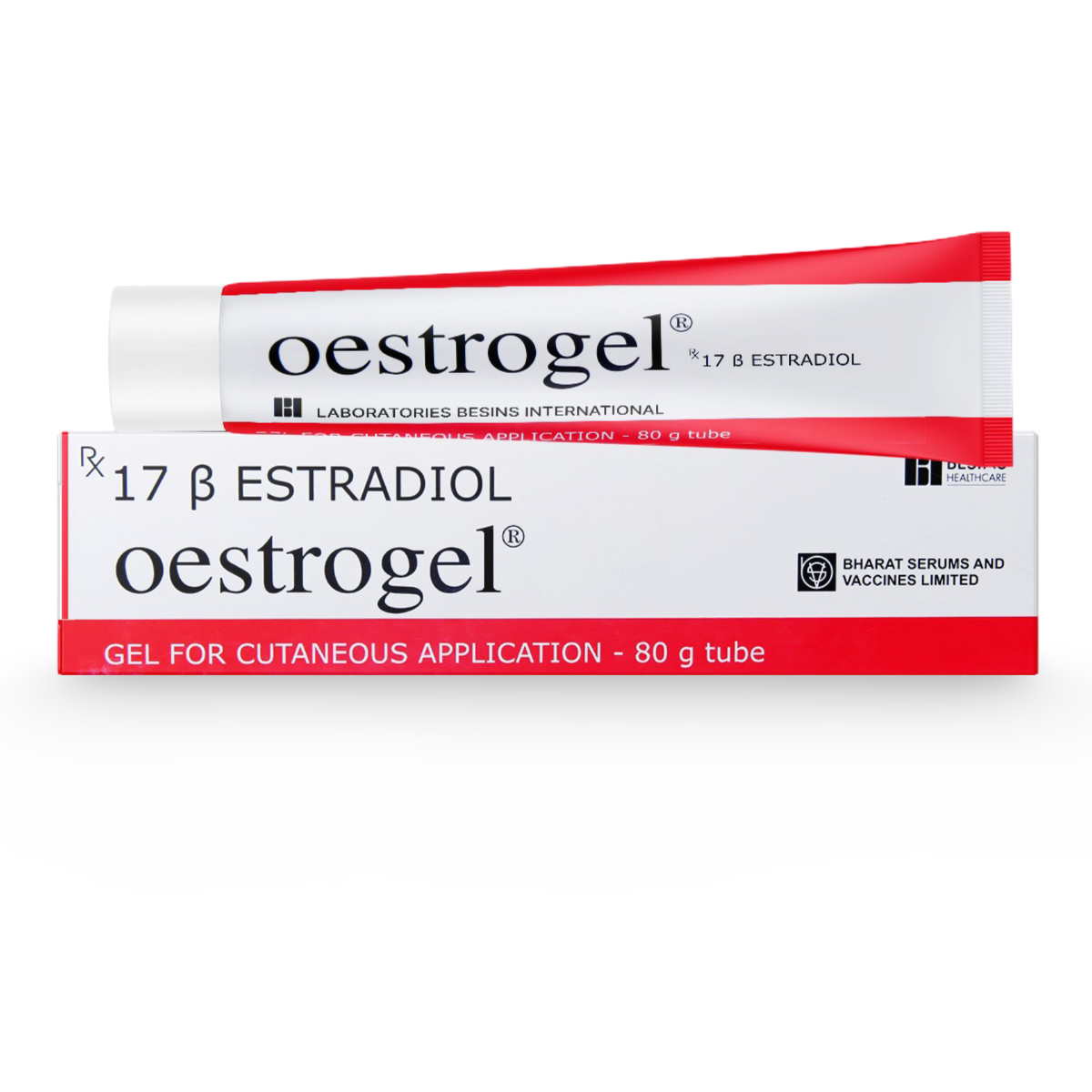
- Vaginal estrogen therapy: If low estrogen is contributing to dryness, your doctor can suggest local vaginal estrogen therapy, such as a cream, tablet, ring, or insert. They will also review medications, hormonal changes, or postpartum or breastfeeding-related dryness to help reduce irritation.
- Polypectomy: Cervical polyps, small growths on your cervix, are removable during a quick, in-office procedure called Polypectomy. The tissue is tested if necessary, especially for postmenopausal individuals or if bleeding persists.
- Cervical treatment: If delicate cervical tissue or Cervical Ectropion continues to bleed, your doctor will gently treat the area to reduce future spotting. This might involve a mild chemical application or a simple procedure that seals the surface safely.
- IUD adjustment or replacement: If your intrauterine device is irritating, your doctor can check its placement and adjust or replace it if needed. Once correctly positioned, bleeding typically resolves without further intervention.
- Tests, medicines, procedures: Your doctor can suggest monitoring, medication, or a minor procedure for fibroids or uterine polyps, depending on the size of the growths and your symptoms. If your doctor finds precancerous changes or Cancer, they will recommend further tests or procedures to remove abnormal cells early.
When to seek medical attention
One-time light spotting can happen from dryness or friction, but ongoing bleeding needs evaluation. A checkup helps identify infections, cervical irritation, polyps, hormonal imbalance, or, less commonly, serious causes.
Book an appointment promptly if:
- Bleeding repeats: You notice bleeding after sex more than once.
- Bleeding is heavy: You soak a pad or pass clots.
- Pain occurs: You have severe pelvic pain, cramping, or pain during sex.
- Discharge changes: You notice unusual discharge, itching, burning, or a strong odor.
- You are postmenopausal: Any bleeding after menopause needs medical review.
Your doctor will possibly recommend a pelvic exam, swabs, Pap smear, Human Papillomavirus (HPV) test, colposcopy, or ultrasound. Swabs check for Sexually Transmitted Infections; Pap smear and HPV testing check for cervical cell changes. Colposcopy or ultrasound helps examine the cervix or uterus more closely.
Conclusion
Bleeding after sex can feel scary, but you do not always need to assume the worst. Light spotting often happens because of dryness, friction, or sensitive vaginal or cervical tissue, and it largely settles on its own.
It is possible to lower the risk by using lubrication, taking enough time before penetration, and avoiding harsh vaginal products. Practicing safer sex and staying up to date with Pap smears or HPV tests also helps protect your sexual and cervical health. However, you should pay attention if bleeding keeps happening, becomes heavy, or comes with pelvic pain, unusual discharge, itching, burning, or a strong odor.
Infections, polyps, fibroids, IUD irritation, hormonal changes, or rare cervical cell changes can need medical treatment. Tracking when bleeding happens and what symptoms you notice will help your doctor find the cause. They will recommend treatment such as antibiotics for infections, antifungal medicine for yeast infection, or polyp removal when needed.

Frequently Asked Questions
Can bleeding after sex affect pregnancy chances?
No, light bleeding after sex usually does not affect pregnancy chances when it happens from friction, dryness, or cervical sensitivity. However, repeated bleeding from infections or untreated pelvic conditions should be checked before trying to conceive.
Is it safe to have sex again after bleeding once?
Yes, it is safe to have sex again after one light bleeding episode if the spotting stopped quickly. Avoid intimacy if bleeding continues, pain occurs, or discharge changes. Use lubrication, avoid deep pressure, and stop sex if pain, dryness, or irritation returns.
How long does bleeding after sex usually last?
Bleeding after sex from mild friction or irritation usually stops within a few hours as small surface tears settle. Light spotting sometimes continues for up to 24 hours. Seek medical care if bleeding lasts beyond 24 hours, becomes heavy, soaks a pad, or keeps happening after intercourse.
How long after sex does implantation bleeding occur?
Implantation bleeding happens about 6 to 12 days after ovulation or fertilization, not immediately after sex. It is usually light pink or brown spotting and lasts a short time. If blood appears right after intercourse, implantation is unlikely to be the reason.
Can a non-virgin bleed again after sex?
Yes, a non-virgin can bleed again after sex because bleeding is not only linked to first-time intercourse. It happens if the vaginal lining is dry, the cervix is sensitive, or irritation occurs during intimacy. Note the timing, flow, and any other symptoms before your next checkup.
Should I use tampons after bleeding from sex?
No, you should avoid tampons right after bleeding from sex, especially if irritation or infection is possible. A pad or pantyliner helps you track the amount, color, and duration of bleeding. This also avoids adding pressure or friction to already sensitive tissue.
Can stress cause bleeding after sex?
No, stress does not directly cause bleeding after sex. However, stress affects hormones, arousal, lubrication, and menstrual timing in some people. If bleeding happens after sex, you should look for physical causes such as dryness, infection, or cervical irritation.
Citations
GoodRxMedicine only refers to credible, authoritative sources for our content. If you're curious about how we ensure the integrity of our content, we encourage you to read our Content Information Policy.
How useful was this post?
Click on a star to rate it!
No votes so far! Be the first to rate this post.
Julian Carter is a highly accomplished MBA graduate in Pharmaceutical Management, celebrated for his extensive experience and exceptional skills in the pharmaceutical industry. With a wealth of knowledge and expertise, Julian is a valuable contributor to the field and a trusted voice in pharmaceutical management. As a contributing writer for Goodrxmedicine.com, Julian is committed to educating and empowering individuals to make informed decisions about their health. His passion for the industry is evident in his work, and his dedication to improving the lives of others through education and empowerment is truly remarkable. With a reputation for excellence and a track record of success, Julian Carter is a respected and admired figure in pharmaceutical management. His insights and contributions to the field are highly valued, and his expertise has helped shape the direction of the industry for the better. Through his work as a contributing writer for Goodrxmedicine.com and beyond, Julian continues to make a meaningful impact in the lives of many. His commitment to excellence and dedication to improving the health of individuals and communities around the world make him an inspiration to others in the field.
Learn MoreDr. James Mitchell is a board-certified physician with 18+ years of clinical experience in Sexual Medicine and Reproductive Health. He helps patients navigate intimate health concerns through medically sound guidance and compassionate, patient-centered care.
Learn More