


Low libido in women is a common yet often neglected concern that can impact numerous aspects of life. It refers to the consistent decline in sexual interest, which can significantly affect emotional well-being, intimacy, and overall life quality. A combined effect of mental state, hormonal levels, and physical health influences libido.
Understanding causes becomes important since underlying emotional or physical factors often impact sexual desire. It signals health issues like mood disorders, hormonal fluctuations during menopause, medication-related complications, or chronic diseases like Endometriosis (when the uterus’s tissue grows outside of it). Early identification of causes helps women to seek timely medical intervention and avoid further complications.
In this article, we will explore what causes low libido in women. You’ll further learn when is the right time to consult a doctor, along with diagnosis and available treatments to restore low sexual desire.
Leading causes of low female libido
Low libido in women is characterized by fewer fantasies or sexual thoughts, a notable reduction in interest toward sexual activity, and weak responsiveness to sexual stimulation. The reasons leading to a reduced libido are diverse. They usually arise from hormonal disruptions, physical health issues, and emotional or psychological challenges.
Poor lifestyle habits lower sex drive by impacting circulation, whereas hormonal fluctuations lead to mood swings. This further makes intimacy unappealing. Therefore, each category impacts sexual desire differently.
Save up to 90% on your medicine bills
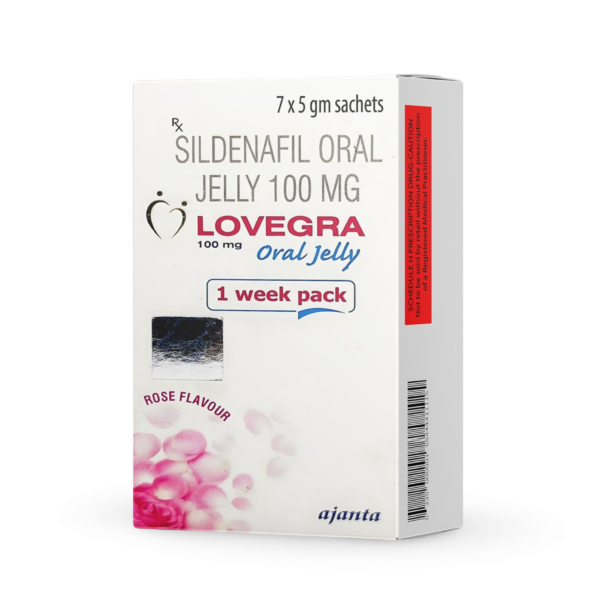
Lovegra Oral Jelly Rx 100 Mg
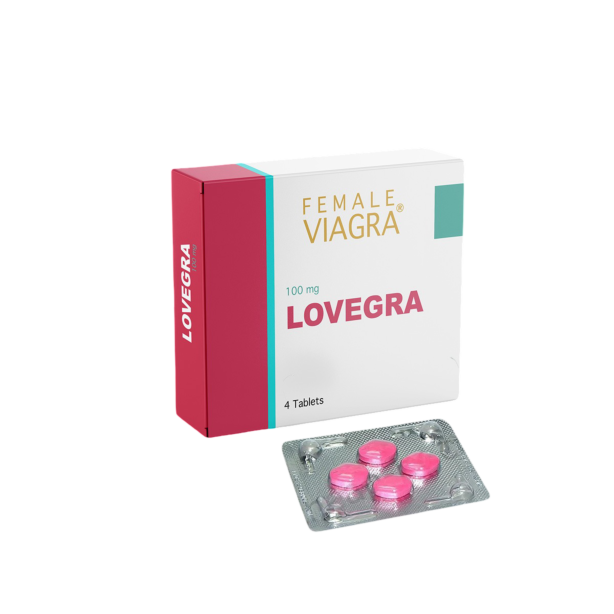
Lovegra 100 mg
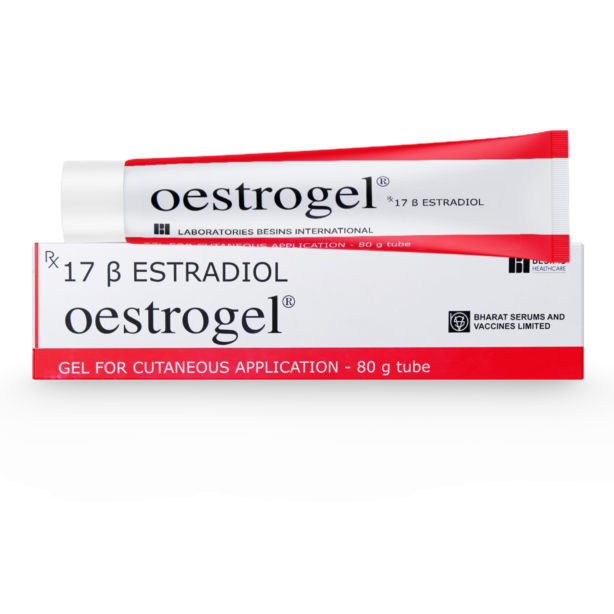
Oestrogel Gel 80 gm
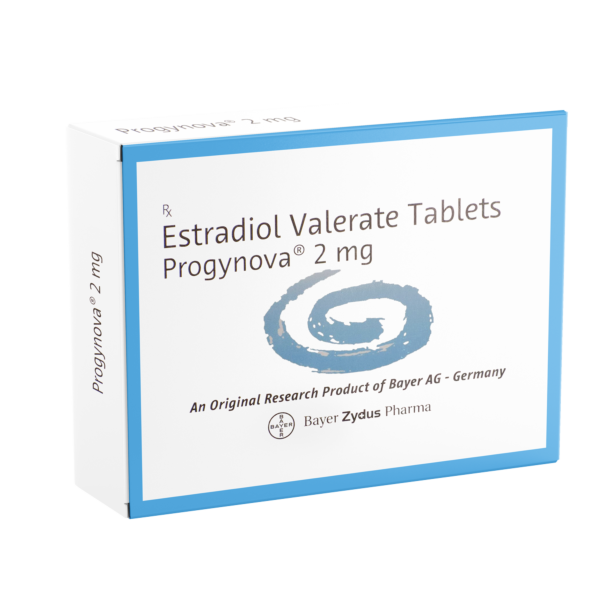
Progynova 2 mg
The leading causes are described in detail below:
Physical causes
Physical factors directly interfere with the body’s capability to respond to sexual stimulation. These can affect circulation, bodily comfort, stamina, or energy levels, which can lower sexual desire over time. Leading physical causes are:
- Sexual conditions: Pain during intimacy, vaginal dryness, Vaginismus (spasm of muscles in the vagina), and Persistent Genital Arousal Disorder (PGAD) make sexual interaction uncomfortable, decreasing desire over time.
- Medications: Antihypertensives, antidepressants, antipsychotics, and chemotherapy medicines can interfere with sexual desire by changing hormone levels and influencing the functioning of neurotransmitters (messengers carrying brain signals).
- Lifestyle habits: Lack of physical activity, poor diet, excessive intake of alcohol, and smoking can lower stamina and disrupt hormonal balance. They further impact circulation, all of which diminishes sexual desire.
- Surgeries: Hysterectomy (removal of uterus) or pelvic surgeries can damage nerve pathways and reduce vaginal sensation. This can affect orgasmic response and, ultimately, sexual drive.
- Fatigue and poor sleep: Chronic tiredness and bad sleep quality disrupt energy, mood, and hormonal rhythms, naturally suppressing sexual interest.
- Diseases: Chronic illnesses such as heart disease, Diabetes, Arthritis (degeneration or inflammation of joints), and neurological disorders can affect energy levels, blood circulation, and nerve function, ultimately lowering libido.
- Infections: Some yeast and Urinary Tract Infections (UTIs) cause discomfort, irritation, and inflammation, temporarily reducing interest in sex.
- Endometriosis: A chronic condition characterized by tissue similar to the uterus lining growing outside it. It is accompanied by heavy bleeding during menstruation, pelvic pain and inflammation, making intimacy difficult and decreasing sexual motivation.
- Chronic pain conditions: Migraine, Fibromyalgia (chronic musculoskeletal pain), and back pain can make it physically challenging and emotionally exhausting to get intimate.
Hormonal causes
Hormonal balance plays a key role in regulating vaginal health, desire for intimacy, and arousal. Therefore, fluctuation in hormonal levels can significantly impact all of these aspects and make intimacy less appealing. Major hormonal causes are as follows:
- Menopause: Menopause causes a decline in estrogen and testosterone levels. This decline leads to thinning of vaginal tissue, making the vagina more prone to dryness, discomfort and irritation during intimacy, which can contribute to reduced libido.
- Pregnancy and breastfeeding: Fatigue and hormonal shifts during pregnancy and breastfeeding, and low estrogen during breastfeeding, result in a low female sex drive.
- Hormonal birth control: Vaginal rings, pills, and patches containing synthetic progestin and estrogen can lower free testosterone, crucial for maintaining sex drive.
- Menstrual cycle changes and Premenstrual Syndrome (PMS): Hormonal fluctuations during menstruation and PMS can temporarily suppress libido by increasing irritability, fatigue, and mood swings.
- Thyroid disorders: Thyroid disorders, like Hypothyroidism, affect mood and metabolism, influencing sexual desire. This condition is associated with changes in sex hormone-binding globulin, which disrupts the balance of sex hormones crucial for arousal.
- Polycystic Ovary Syndrome (PCOS): PCOS causes hormonal imbalances, particularly a rise in androgens (hormones promoting male characteristics) and insulin resistance. This disrupts sexual response and libido by interfering with genital blood flow and lubrication.
- Postpartum hormonal changes: After childbirth, shifting hormones combined with physical recovery reduce sexual interest. Progesterone and estrogen levels fall significantly, leading to vaginal dryness and mood swings.
Psychological and emotional causes
Emotional well-being plays a crucial role in maintaining sexual desire, with psychological barriers often being the most common contributors to reducing it. Stress or a strained relationship with the partner can notably alter sexual responsiveness. Primary psychological causes include:
- Depression or Anxiety: Conditions like Depression and Anxiety can lower motivation and disrupt mood. Depression is known to cause Anhedonia, which is the loss of pleasure that directly affects sexual desire.
- Poor body image and low self-esteem: Feeling unattractive or self-conscious about one’s appearance can lead to a suppression of desire and confidence. Moreover, feeling insecure or unworthy can limit willingness to get sexually involved.
- Sexual trauma: Any negative sexual experience or past abuse can create fear, difficulty trusting a partner, and avoidance of intimacy, all of which can reduce sexual interest.
- Relationship issues: Poor communication and a lack of emotional connection with the partner affect sexual attraction. Moreover, trust issues, unresolved conflicts, or the absence of privacy can directly weaken libido by decreasing emotional intimacy and promoting tension.
- Sexual performance concerns: Persistent concern regarding the partner’s satisfaction and one’s own attractiveness and sexual ability can trigger anxiety and self-consciousness during intercourse. This, in turn, can interfere with hormonal responses and inhibit sexual desire.
- High stress levels: Financial worries, or stress related to work and family issues, can suppress hormones essential for sexual interest. Furthermore, mental overload also reduces the desire to interact sexually.
Diagnosis and treatment
Diagnosis typically begins with a physical examination to identify any structural or medical issues with the reproductive organs. A pelvic exam follows this to assess the presence of any anatomical changes, infections, and pain disorders.
Blood tests are done to help check thyroid function, hormone levels, and overall sexual health. In some cases, clinicians can use the Decreased Sexual Desire Screener (DSDS) to diagnose HSDD.
After diagnosing the severity and cause, a doctor can recommend treatments as follows:
- Hormonal therapy: Estrogen therapy is used to restore hormonal balance. A doctor can recommend Testosterone Replacement Therapy (TRT) off-label for FSAD in postmenopausal women.
- FDA-approved medications: Bremelanotide (Vyleesi) and Flibanserin (Addyi) are two highly recommended medications that help increase desire in premenopausal women with HSDD. Bremelanotide is a self-injectable medication that activates brain pathways associated with arousal. Flibanserin tablets work on brain chemicals to enhance sexual desire.
- Addressing vaginal dryness: Over-the-counter (OTC) gels like Oestrogel Gel, moisturizers, and lubricants can increase arousal, improve comfort, and make sexual activity more enjoyable.
- Lifestyle improvements: Managing stress through breathing exercises and prioritizing uninterrupted sleep can help naturally boost libido. Furthermore, maintaining a balanced diet, engaging in regular exercise, and maintaining open communication with a partner also help improve sexual function.
- Counselling and therapy: Sex therapy reduces anxiety and improves communication, whereas Cognitive Behavioral Therapy (CBT) changes negative behavior and thoughts. Trauma-focused therapy can help women recover from past trauma, while couples counselling helps partners resolve conflicts to enable an increase in sexual desire.
When you should see a doctor
A temporary dip in sexual desire is considered normal. However, a low libido can signal an underlying condition, such as Hypoactive Sexual Desire Disorder (HSDD) when it:
- Persists for six months or longer
- Affects quality of life or relationships
- Causes significant frustration and emotional distress
In some cases, a decrease in libido is linked to Female Sexual Arousal Disorder (FSAD), where sexual desire is present but arousal does not typically occur. Therefore, it is recommended to see a doctor if low libido becomes a long-term issue or if you struggle to get aroused even when you are mentally interested.
Conclusion
Low libido is characterized by decreased sexual interest and difficulty with arousal, impacting a woman’s intimate wellness. Understanding what causes low libido in women is crucial, as the reasons generally fall into three key categories. These are physical causes, like chronic illnesses or sexual issues like vaginal dryness, hormonal causes like menopause or PCOS, and psychological reasons, including stress and relationship issues.
A reduced libido is diagnosed through physical examination, pelvic exam, and blood tests. Effective treatment strategies include hormonal therapy, OTC vaginal moisturizers or gels, FDA-approved medications, counselling, and lifestyle changes.
Moreover, you should consult a doctor if low libido causes distress, persists for six months, or impacts your personal relationship. These symptoms can also indicate HSDD or FSAD, sexual conditions that need timely evaluation. Ultimately, with the proper support and treatment, women can regain sexual well-being and improve overall quality of life.

Frequently Asked Questions
What drink increases women’s libido?
Drinks that increase libido in women include pomegranate juice, which helps improve arousal and balance hormones, and tea, which can help reduce stress. Beetroot juice and red wine are known to improve genital blood flow and mood, respectively. For best results and safety, consult a doctor before trying new remedies or making diet changes.
What is the best natural female libido enhancer?
The best natural female libido enhancers include herbs like Korean red ginseng, maca root, Tribulus terrestris, and L-arginine. Ginseng boosts sexual desire in postmenopausal women, while maca, L-arginine, and Tribulus help premenopausal women by balancing hormones. Ensure consulting a doctor before using any supplements for safety.
At what age does libido drop?
Studies show that in women, libido drops mostly between 45 and 55 years, which is the post-menopause phase. At the same time, low libido in men is usually observed in their 60s or 70s.
What time of the month is libido highest?
Women have the highest libido before period, especially around the ovulation phase, driven by a natural rise in luteinizing hormone (LH) and estrogen. This phase typically occurs around days 12–16 of a 28-day cycle, when hormonal peaks heighten desire, sensitivity, and sexual fantasies. Men lack a clear monthly libido peak like women.
When referencing outside resources, GoodrxMedicine always provides full citations. To learn more about the measures we use to maintain the quality of our content, please review our Content Information Policy.