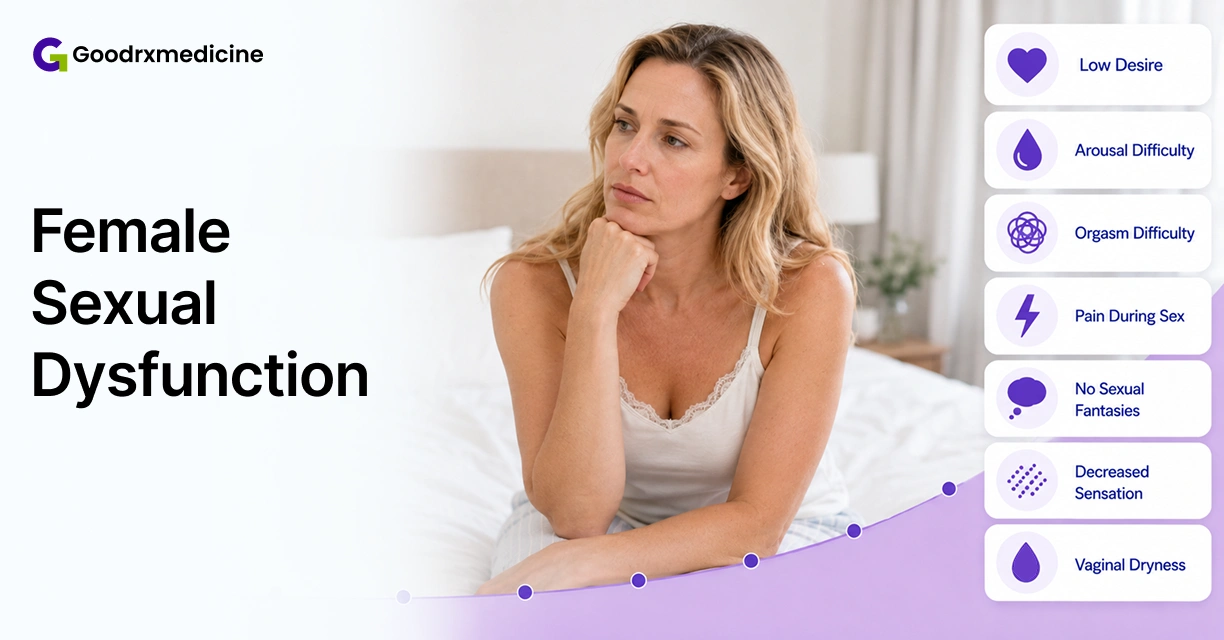



Sexual desire in midlife can rise, fall, or shift depending on hormone levels, stress, sleep, and underlying health conditions. While several women notice low libido during perimenopause, others feel more comfortable and confident sexually. Contrary to popular opinion, it is quite possible to feel horny over 40.
The primary reasons for this spike are greater emotional connection and changes in family dynamics. Women begin to understand their bodies better, communicate more openly, and feel less worried about pregnancy or parenting duties.
Read on to understand how perimenopause and menopause affect libido in the 40s and 50s. You will also learn some practical tips to support healthy intimacy, and signs when a sudden high libido should be discussed with a doctor.
Is it normal to feel horny after 40 and why?
Yes, it is completely normal to feel horny after 40. You can have a high libido and continue to want physical intimacy even in midlife. You might notice more frequent sexual thoughts, stronger arousal, enhanced physical sensitivity, or more interest in sexual activity and masturbation.
This is because sexual desire in women doesn’t fall on a constantly declining curve or disappear at a fixed age. In fact, the Study of Women’s Health Across the Nation (SWAN) found that sexual intimacy was moderately or extremely important to 76% of middle-aged participants. Several women even reported that sexual pleasure and orgasms improve as they age, making them feel horny after 40.
It is not a problem if it is enjoyable, controlled, and aligned with your life or relationships. Many women feel a high sex drive after 40 because they feel more comfortable in their own skin. Other reasons could be hormonal changes and relationship comfort, which are discussed below.
Save up to 90% on your medicine bills
Fewer pregnancy concerns
After menopause, the absence of periods and pregnancy worries feels freeing for many women. Reduced fertility concerns, contraception use, or menopause can lower anxiety around pregnancy. This can make sexual activity feel more relaxed and less stressful.
Emotional and mental factors
A stable relationship built on trust, emotional safety, and shared responsibilities can support healthy intimacy after 40. Moreover, parenting and household pressures tend to become more manageable in midlife, when kids have grown up and no longer require constant attention.
With less stress, better sleep routines, and emotional connection, the desire for physical intimacy is enhanced.
More confidence and body awareness
Many women feel more comfortable with their bodies and sexual preferences in their 40s as compared to when they were younger or hesitant. This self-awareness makes it easier to understand what feels good and to enjoy intimacy without the same pressure as earlier in life.
Confidence can also improve arousal. When women feel more secure in their bodies and choices, sexual desire in midlife can feel stronger or easier to express.
Hormonal shifts
During perimenopause, estrogen and progesterone levels can rise and fall unevenly before declining steadily after menopause. However, testosterone, which supports sexual desire and arousal in women, remains comparatively stable. As a result, it is possible for women to feel horny over 40.
However, reduced vaginal moisture, tissue elasticity and blood flow can make sexual activities uncomfortable and even painful. So while sex drive may increase after 40, comfort may not.
How to support healthy intimacy after 40
Healthy intimacy after 40 is not only about sex drive or hormones, but also depends on arousal, communication, and overall health. Whether you experience a high or low libido during menopause, these tips can help you support sexual wellness more confidently.
Manage vaginal dryness and discomfort
Vaginal dryness, burning, or tissue thinning during perimenopause and menopause can reduce arousal and comfort even when desire is present. To support physical intimacy,
- Give your body more time to become aroused, as natural lubrication may take longer after 40.
- Use a water-based lubricant during sexual activity to reduce friction and discomfort.
- Use a vaginal moisturizer regularly if needed.
- Avoid harsh soaps, scented washes, bubble baths, or irritating products around the vaginal area.
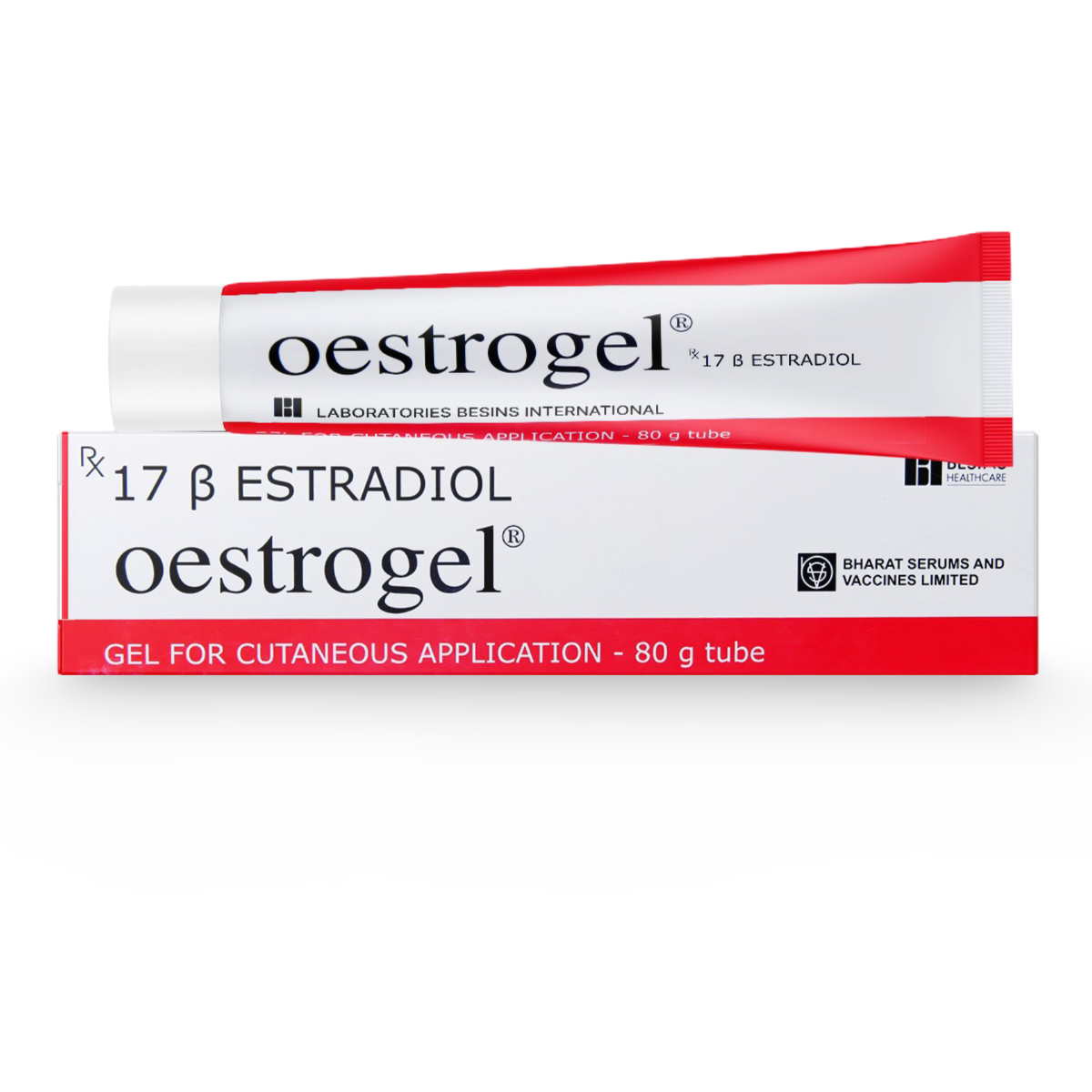
- Talk to a gynecologist about vaginal estrogen (Oestrogel), Ospemifene, or Prasterone if dryness is severe and unmanageable.
Keep communication open
Your desire can increase after 40, and your partner may not understand unless you explain it. Clear communication will reduce pressure and make intimacy feel more relaxed.
- Talk about what feels good, what feels uncomfortable, and what you want more of.
- Discuss pace, timing, positions, and touch openly with your partner.
- Consider couples counseling if libido changes are causing tension or emotional distance.
Maintain a healthy lifestyle
Lifestyle habits can affect sexual desire in midlife by influencing energy, mood, blood flow, sleep, and hormone balance. To maintain a high libido after 40, make sure to:
- Exercise regularly and prioritize 7 to 9 hours of sleep.
- Limit alcohol and avoid smoking.
- Eat balanced meals with lean proteins, healthy fats, fiber, whole grains, leafy greens, and fresh fruits.
- Practice Kegel exercises if you have weak pelvic muscles, urine leakage, or reduced orgasm strength.
When to consult a doctor for a high sex drive after 40?
An increased libido is not a problem at any age if it feels enjoyable, controlled, and does not affect your daily life. However, you should speak with a gynecologist if you notice:
- A sudden increase in desire that has no identifiable emotional, relationship, lifestyle or medication-related trigger.
- Sexual thoughts or urges that feel intrusive, uncontrollable, or hard to redirect.
- Impulsive behavior, risky sexual decisions, or choices that feel unlike you.
- Racing thoughts, mood swings, or unusual emotional highs.
- Mismatched libido that causes relationship stress, guilt or anxiety.
- Pain during sexual activity (Dyspareunia), persistent vaginal dryness, bleeding, pelvic pain, or unusual discharge.
- Symptoms of thyroid dysfunction or other endocrine issues.
A doctor will diagnose the cause and suggest counseling, medication review or hormone-guided treatment.

Conclusion
Feeling horny over 40 is normal for many women. Sexual desire in midlife often increases because of stronger self-awareness, better communication, fewer pregnancy concerns, and hormonal shifts during perimenopause and menopause.
At the same time, libido does not change the same way for every woman. These transitions can also lower desire due to vaginal dryness, painful sexual activity, sleep disturbances and mood swings. Thus, both increased and reduced desire can be valid midlife experiences.
To support healthy intimacy, keep open communication with your partner, maintain a healthy lifestyle and manage vaginal discomfort. However, speak with a gynecologist if libido changes feel sudden, distressing, compulsive, or linked with other symptoms.
Frequently Asked Questions
Is it normal to be more sexually active in your 40s?
Yes, it is normal to be more sexually active in your 40s. Many women feel more confident, self-aware, and comfortable communicating their needs. Fewer pregnancy concerns, greater emotional connection, and changing hormones can also make sexual desire stronger in the 50s and beyond.
Can menopause increase libido?
Yes, menopause can increase libido in some women, but not everyone. Reduced pregnancy worries, no period stress and better self-awareness can increase desire. However, it can also lower libido for others due to vaginal dryness, painful sexual activity, sleep issues, and mood changes.
Does testosterone influence sex drive after 40?
Yes, testosterone does influence sex drive, especially after 40. Estrogen and progesterone fluctuate, whereas testosterone declines more slowly. It thus supports sexual thoughts, desire, and arousal in women. In men, however, testosterone starts dipping by 10% every decade after 30 and can cause low libido or Erectile Dysfunction.
How to increase sexual desire after 40?
To increase sexual desire after 40, focus on sexual comfort, open communication, overall health, and stress control. Use lubricants for dryness, sleep well, stay active, and limit alcohol. Manage Diabetes, thyroid issues, and hormonal imbalance with medical support.
Citations
GoodRxMedicine only refers to credible, authoritative sources for our content. If you're curious about how we ensure the integrity of our content, we encourage you to read our Content Information Policy.
How useful was this post?
Click on a star to rate it!
No votes so far! Be the first to rate this post.
Julian Carter is a highly accomplished MBA graduate in Pharmaceutical Management, celebrated for his extensive experience and exceptional skills in the pharmaceutical industry. With a wealth of knowledge and expertise, Julian is a valuable contributor to the field and a trusted voice in pharmaceutical management. As a contributing writer for Goodrxmedicine.com, Julian is committed to educating and empowering individuals to make informed decisions about their health. His passion for the industry is evident in his work, and his dedication to improving the lives of others through education and empowerment is truly remarkable. With a reputation for excellence and a track record of success, Julian Carter is a respected and admired figure in pharmaceutical management. His insights and contributions to the field are highly valued, and her expertise has helped shape the direction of the industry for the better. Through his work as a contributing writer for Goodrxmedicine.com and beyond, Julian continues to make a meaningful impact in the lives of many. His commitment to excellence and dedication to improving the health of individuals and communities around the world make him an inspiration to others in the field.
Learn MoreDr. James Mitchell is a board-certified physician with 18+ years of clinical experience in Sexual Medicine and Reproductive Health. He helps patients navigate intimate health concerns through medically sound guidance and compassionate, patient-centered care.
Learn More