


Low libido is common in women and can result from stress, poor sleep, low energy, certain medications, or menopausal symptoms such as vaginal dryness, low estrogen, and mood changes. Fortunately, several natural approaches may help support sexual desire when the changes are mild.
Such approaches include supplements such as ashwagandha, L-arginine, Ginkgo bibola, and Tribulus terrestris. These mainly reduce stress, improve menopausal symptoms, and promote healthy blood flow to strengthen sexual function and enhance sexual desire. Some of them also promote estrogen balance, a key sexual hormone that impacts women’s sex drive. However, it takes months of consistent use for these benefits to appear.
This article covers 9 female libido supplements and key considerations associated with them. You will also learn the benefits of medical treatment over natural remedies for persistent Low Libido.
1. DHEA
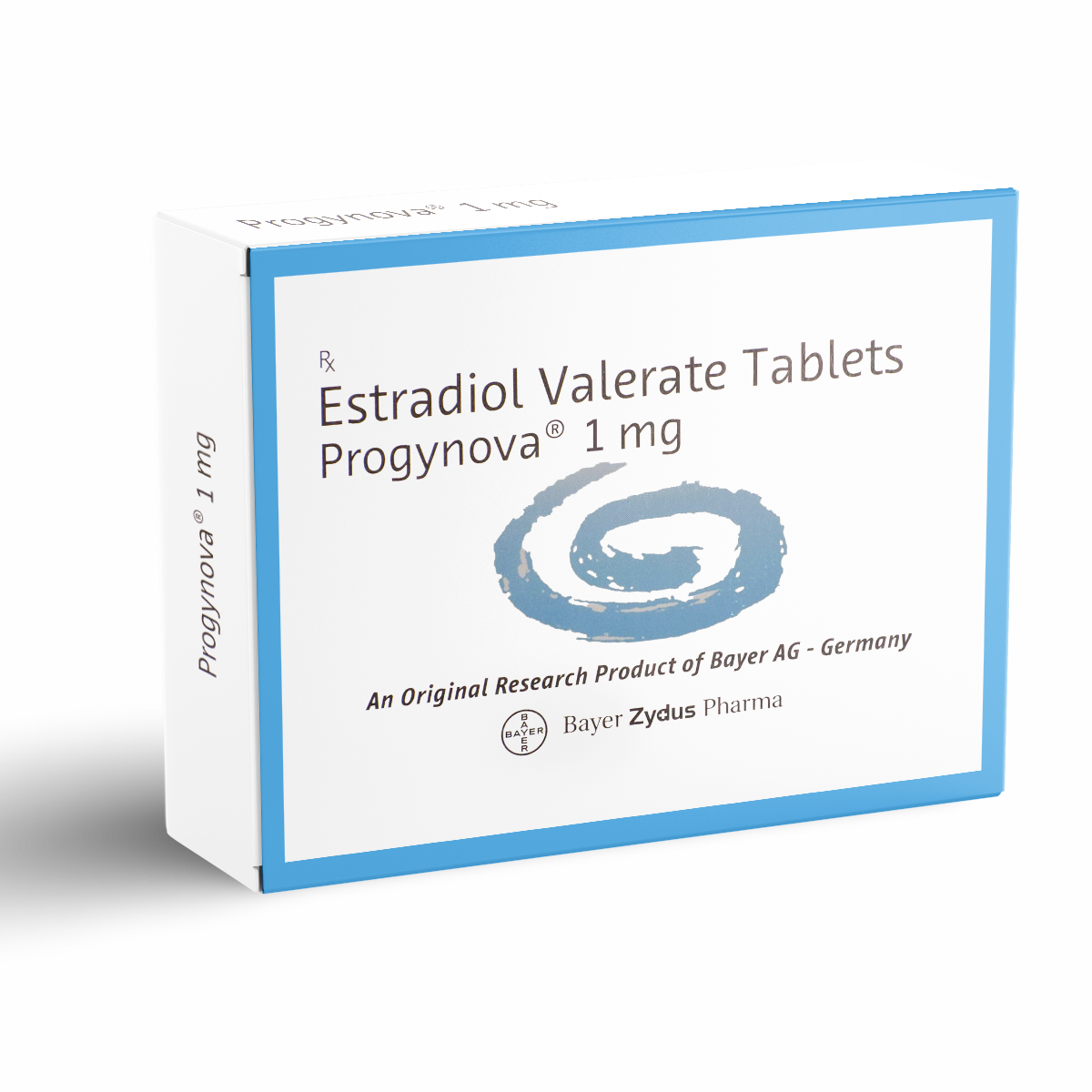
Dehydroepiandrosterone (DHEA) is a hormone precursor that the body can convert into estrogen and other sex hormones. Because estrogen levels decline after menopause, vaginal dryness and painful sex can become common causes of Low Libido in females. DHEA may help by improving vaginal moisture and reducing discomfort during sex, which can indirectly support libido in postmenopausal women.
- Formulations: Vaginal topical formulations, oral capsules, and oral tablets.
- Dose: 25-50 mg/day orally in studies.
Save up to 90% on your medicine bills
2. Maca root
Maca root may support female libido by improving factors that often reduce sexual desire, including low energy, poor mood, and menopausal discomfort. It has also been studied for Sexual Dysfunction, such as reduced desire, difficulty becoming aroused, trouble reaching orgasm, or discomfort during sex, particularly when these problems are linked to antidepressant use.
Other benefits of maca for women include improvement in Anxiety and Depression symptoms with daily supplementation. This suggests it could be more useful when low libido is connected to psychological stress or low energy.
- Formulations: Tablets, powders, capsules, gelatinized powders, and extract blends.
- Dose: Commonly studied range is 1.5-3.5 g per day.
3. Ashwagandha
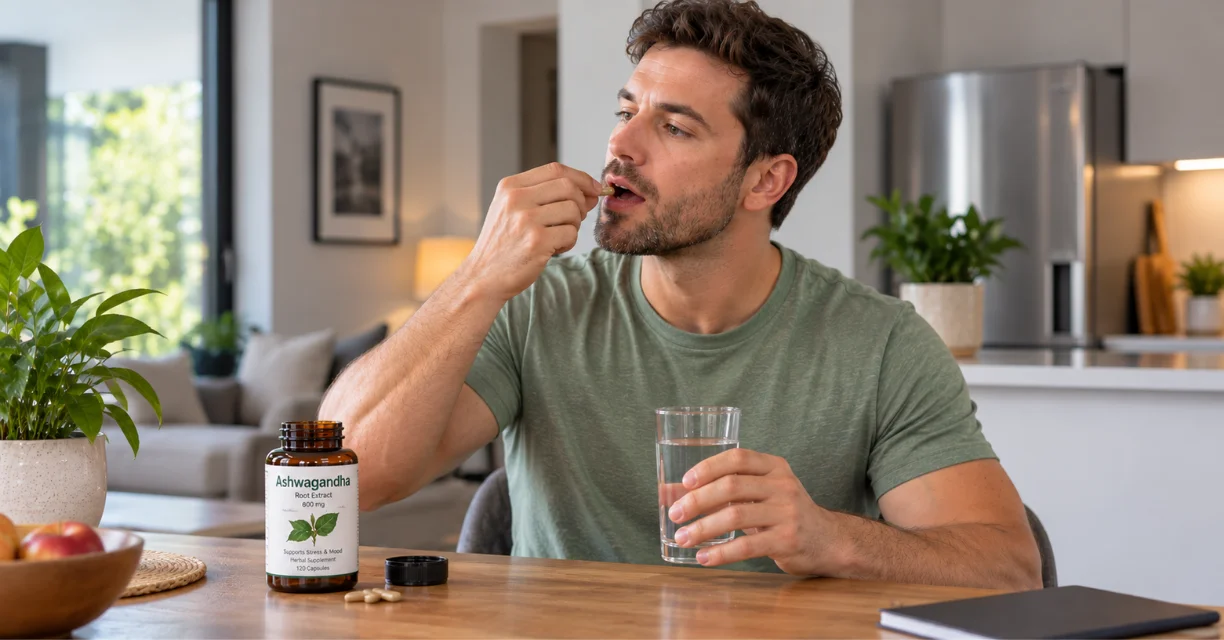
Ashwagandha may support female libido when stress, poor sleep, or mental fatigue is reducing sexual interest. As an adaptogenic herb, it helps the body manage stress, making it easier to relax, feel aroused, and respond during intimacy. Additionally, a 2025 study reported that 600 mg of ashwagandha root extract daily for eight weeks may improve several aspects of sexual function, including desire, arousal, and lubrication.
- Formulations: Gummies, capsules, root powder, liquid extracts, and tablets.
- Dose: The most studied is 300 mg twice a day.
4. L-arginine
L-arginine may support female libido by helping the body produce Nitric Oxide (NO), which relaxes blood vessels and improves genital blood flow. Better circulation can make it easier to become aroused, produce natural lubrication, and reach orgasm, particularly when poor blood flow is contributing to reduced sexual response.
For female libido, evidence is stronger for arginine-containing combination products rather than L-arginine alone, which can be more beneficial for women who persistently lack interest in intimacy. This condition is known as Hypoactive Sexual Desire Disorder (HSDD).
- Formulations: Capsules, tablets, powders, and in combination formulas for female sexual wellness.
- Dose: A 2024 study reported improved lubrication and orgasm with 1 g of L-arginine twice daily in women with Depression.
5. Panax ginseng
Panax ginseng may support female libido when low energy, poor mood, or menopausal symptoms reduce sexual interest. By helping reduce fatigue and improve overall well-being, it can make some women feel more responsive to intimacy. It may also support genital blood flow, which can help with arousal.
Additionally, this supplement can moderately improve menopausal symptoms, which may indirectly support desire by reducing discomfort, tiredness, and mood-related barriers to intercourse.
- Formulations: Capsules, tablets, liquid extract, and teas.
- Dose: 500 mg to 1 g daily is the most commonly used dose in clinical studies.
6. Tribulus terrestris
Tribulus terrestris may help women with low sexual desire by supporting arousal, lubrication, orgasm, sexual satisfaction, and vaginal discomfort after around 1 to 3 months of use. In some women, it can also mildly support DHEA levels, helping balance estrogen activity.
- Formulations: Capsules, tablets, and liquid extract.
- Dose: 250-1500 mg per day.
7. Ginkgo biloba
Ginkgo biloba may support female sexual response by influencing Nitric Oxide activity and improving blood flow. Better genital circulation can help with arousal, natural lubrication, and sensitivity during intimacy. It may be especially relevant for postmenopausal women and for those experiencing sexual side effects, such as reduced desire or difficulty becoming aroused, while taking antidepressants.
- Formulations: Tablets, capsules, liquid drops, and standardized leaf extract.
- Dose: 120-240 mg/day extract in general supplement use.
8. Chasteberry
Chasteberry, also called Vitex agnus-castus, can support female libido when hormonal changes are contributing to reduced sexual desire. It may mildly lower prolactin levels (a hormone), disrupting reproductive hormone signaling and contributing to reduced libido.
Also, it is commonly used for Premenstrual Syndrome (PMS), which can cause mood changes, breast tenderness, and irritability, reducing interest in intimacy. Furthermore, its consistent use for around 16 weeks may improve Sexual Dysfunction issues, including reduced desire and difficulty with arousal, in menopausal women.
- Formulations: Capsules, tablets, liquid extract, dried berry extract, and standardized Vitex extract.
- Dose: 4 to 40 mg per day is the most studied dosage.
9. Saffron
Saffron may support female libido by improving mood, arousal, vaginal lubrication, orgasm, and sexual satisfaction. It has also been studied for sexual difficulties linked to PMS and antidepressant use. When combined with vitamin E, Saffron may provide additional benefits by easing stress and Anxiety, which can otherwise reduce sexual interest and responsiveness.
- Formulations: Tablets, capsules, teas, powders, and gels.
- Dose: 30 mg per day.
Key considerations before using libido supplements for women
Before using libido-boosting supplements for females, it is essential to remember that natural doesn’t always mean risk-free. These natural products can affect hormonal levels, sleep, and blood circulation. Your safety depends on the dose, ingredients, product quality, and any existing health issues. So, consider the following points before using any supplement:
- Consult a doctor: Talk to your doctor if you are pregnant, breastfeeding, or use blood thinners. Consultation is also necessary in case of underlying health issues like Diabetes, severe liver or kidney impairment, and consistent use of certain medications. Medical review helps avoid adverse interactions.
- Approval: Libido supplements are not FDA-approved treatments. They also lack quality controls, increasing the risk of unknown ingredients. So, always buy from reliable sources.
- Side effects: Herbal supplements for female libido are linked with adverse effects such as stomach upset, headache, sleepiness, or bloating. The severity of effects can vary from woman to woman.
- Dosage: There is no standardized universal dosage for natural supplements. Either stick to the manufacturer’s recommended dose or first consult a healthcare professional for a personalized dosage plan. It will give better outcomes with reduced risk of side effects.
Natural supplements vs medical treatment
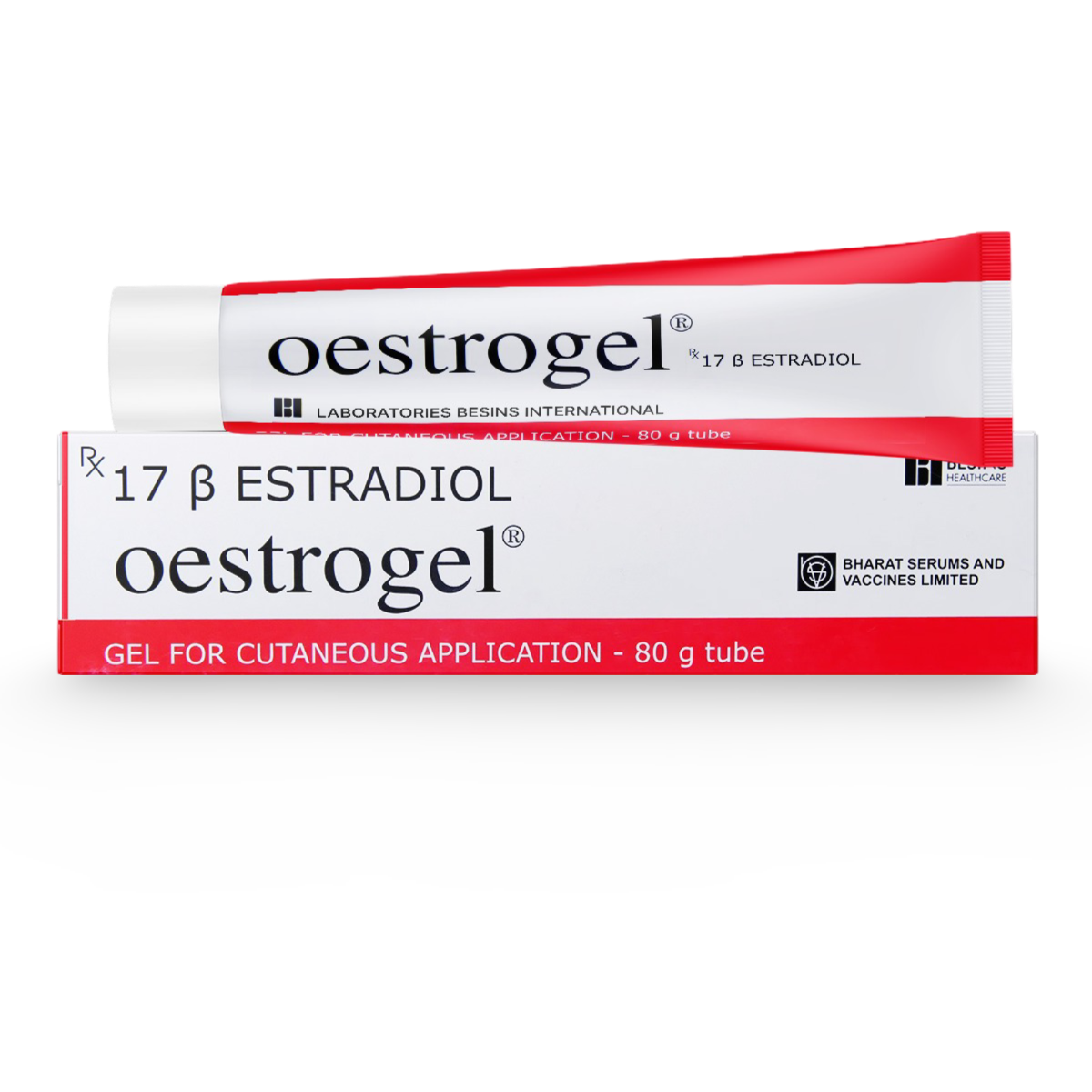
Natural supplements should never replace medical treatment for severe or persistent Low Libido. If the problem lasts for months and causes significant distress, consult a doctor. Medical treatments include Hormonal Replacement Therapy (HRT) for menopausal related symptoms and are available as tablets or creams (like Oestrogel Gel 80 g).
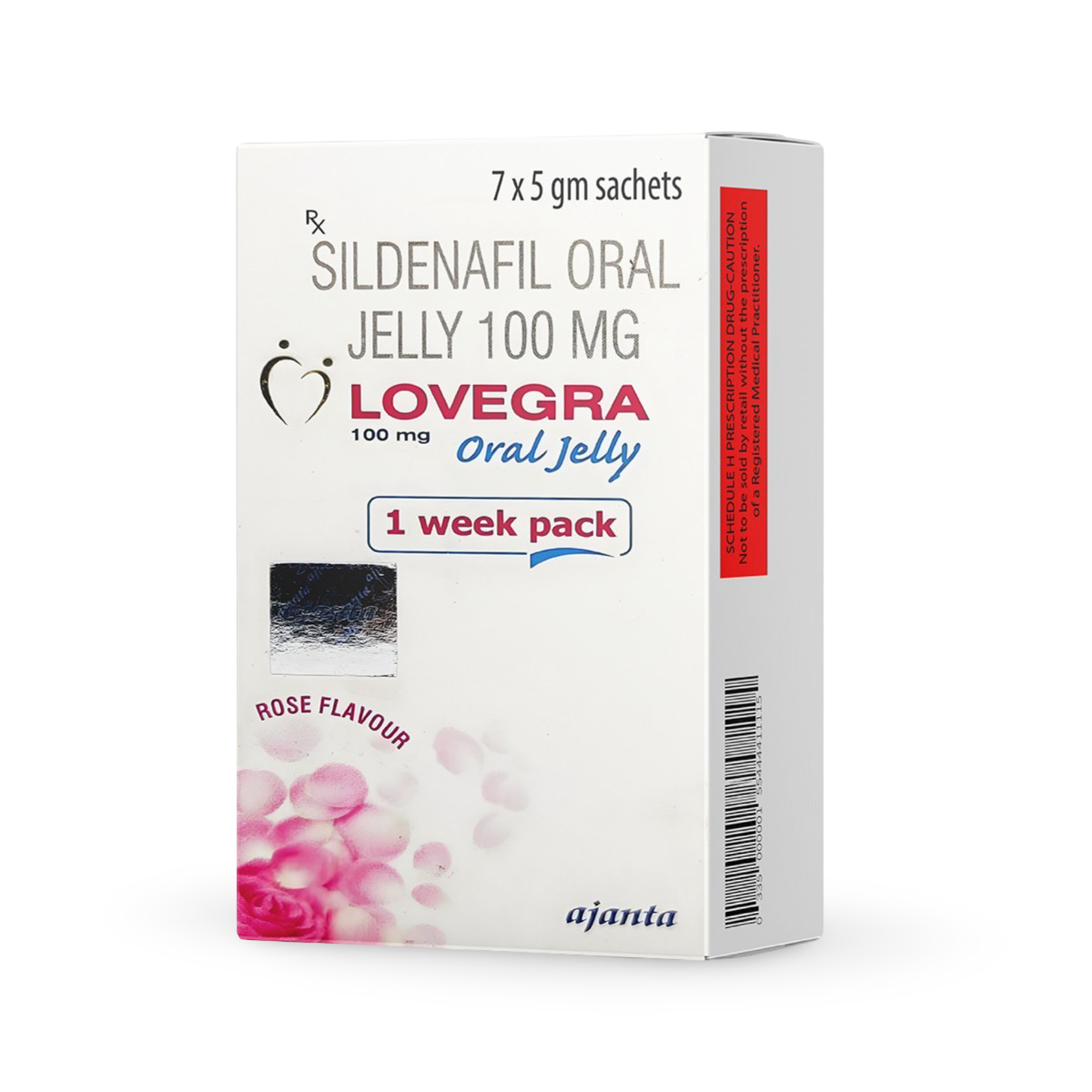
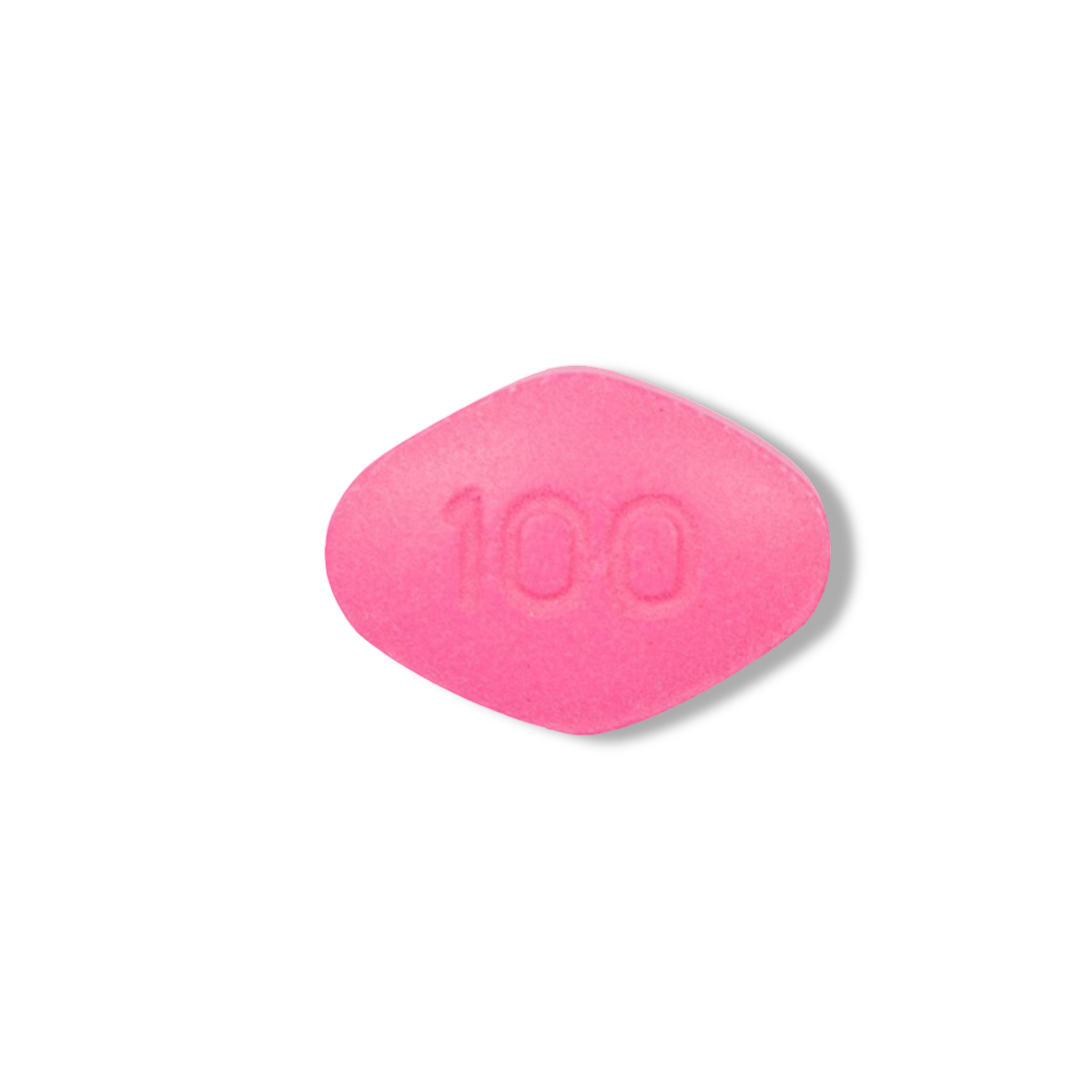
Other treatments include Sildenafil for women (only when prescribed) and FDA-approved pills or injections like Flibanserin or Bremelanotide for HSDD. Below is a detailed comparison between the two treatment approaches:
| Factors | Natural Supplements | Medical treatments |
|---|---|---|
| Availability | Mostly available over the counter | Prescription-based |
| Working | Support stress response, mood, energy, and hormonal balance | Addresses underlying causes like hormonal changes, vaginal discomfort, or poor blood flow. |
| Ingredient profile | Lack of quality control increases the risk of hidden ingredients with unknown quantities | Well-defined active ingredients with regulated strength. |
| Onset of action | Usually takes several weeks to months with regular use | Works faster with onset depending on the treatment. For example, Bremelanotide works within 45 minutes of intake. |
| Side effects | Side effects are not well-studied. Can be mild to severe. | Well-documented side effects, along with safety guidance. Common effects include dizziness, nausea, and headache. |
| Clinical evidence | Limited and safety profile not well-established | Strong clinical data with FDA approval for most treatments |
Although natural supplements can seem more affordable, they are less well researched and may not work as reliably as approved medical treatments. Over time, medically recommended treatments can offer more consistent benefits because their safety, dosage, and effectiveness have been studied more thoroughly.

Conclusion
Female libido supplements can support sexual desire when Low Libido is linked to stress, low energy, poor mood, menopause symptoms, vaginal dryness, or blood-flow-related arousal issues. Ingredients such as DHEA, Maca, Ashwagandha, L-arginine, Panax ginseng, Tribulus terrestris, Ginkgo biloba, Chasteberry, and Saffron work through different mechanisms, including hormone support, stress regulation, mood improvement, and improved genital blood flow.
However, most are studied under SD or FSD, not libido alone. Their formulations and dosages also vary, and there is no universal dose. Since these supplements are not FDA-approved libido treatments and may cause side effects or interactions, medical guidance is important.
Persistent or distressing low libido may need targeted treatment such as HRT, Flibanserin, Bremelanotide, or prescribed Sildenafil. The key difference between natural supplements and FDA-approved medications is that medical treatment provides faster results, has a well-established safety and side-effect profile, and offers more targeted treatment.
Frequently Asked Questions
Is horny goat weed a female libido supplement?
Yes, horny goat weed is marketed as a female libido supplement. It may increase arousal indirectly by influencing blood flow and genital sensitivity. However, it’s not FDA-approved, has limited evidence in females, and can interact adversely with blood pressure, hormone-related, and heart medications.
Do female libido supplements really help increase sexual desire?
Yes, female libido supplements can help increase sexual desire, but the effect is usually mild and depends on the root cause. Supplements can help more if Low Libido is linked with stress, mood swings, menopause, and low hormonal levels. They don’t work quickly like medically approved pills, and many supplements have mixed or weak evidence.
Which natural ingredients are commonly found in female libido boosters?
Ginseng, maca root, ashwagandha, horny goat weed, and L-arginine are some of the commonly found natural ingredients in female libido boosters. Some blends contain Dehydroepiandrosterone (DHEA), but it’s a hormone-based supplement, not purely herbal. The ingredients list will vary by brand, so always check the label before buying.
Are female libido supplements safe for long-term use?
No, not all female libido supplements are safe for long-term use, as safety data is limited or unavailable for several blends. Supplements like Horny Goat Weed, Ginkgo biloba, Dehydroepiandrosterone (DHEA), and Yohimbine are particularly unsafe at high doses with long-term use and can cause side effects.
Citations
GoodRxMedicine only refers to credible, authoritative sources for our content. If you're curious about how we ensure the integrity of our content, we encourage you to read our Content Information Policy.
Average rating 4.4 / 5
How useful was this post?
Click on a star to rate it!
Julian Carter is a highly accomplished MBA graduate in Pharmaceutical Management, celebrated for his extensive experience and exceptional skills in the pharmaceutical industry. With a wealth of knowledge and expertise, Julian is a valuable contributor to the field and a trusted voice in pharmaceutical management. As a contributing writer for Goodrxmedicine.com, Julian is committed to educating and empowering individuals to make informed decisions about their health. His passion for the industry is evident in his work, and his dedication to improving the lives of others through education and empowerment is truly remarkable. With a reputation for excellence and a track record of success, Julian Carter is a respected and admired figure in pharmaceutical management. His insights and contributions to the field are highly valued, and his expertise has helped shape the direction of the industry for the better. Through his work as a contributing writer for Goodrxmedicine.com and beyond, Julian continues to make a meaningful impact in the lives of many. His commitment to excellence and dedication to improving the health of individuals and communities around the world make him an inspiration to others in the field.
Learn MoreDr. James Mitchell is a board-certified physician with 18+ years of clinical experience in Sexual Medicine and Reproductive Health. He helps patients navigate intimate health concerns through medically sound guidance and compassionate, patient-centered care.
Learn More