


A woman’s sex drive or libido is influenced by far more than just desire. It is a combination of physical health, emotional balance, hormones, stress levels, relationship comfort, and even day-to-day lifestyle habits. Many women experience changes in their libido at different stages of life, and these shifts are completely normal. Still, when the change feels sudden or persistent, it can create confusion, worry, or self-doubt.
Factors such as hormonal changes, fatigue, mental health, relationship issues, certain medications, and medical issues can affect how often a woman feels sexual interest.
This article explains these influences, helping you understand why libido changes and what you can do to support a healthy, fulfilling sex life. You’ll also find natural ways to boost female libido, signs that you should consult a doctor, and essential facts that every woman should know about her sexual health.
What exactly is women’s sex drive?
A woman’s sex drive is her natural interest in sexual intimacy, shaped by emotional, physical, and psychological factors. Libido isn’t constant; it shifts with hormones, overall health, and everyday circumstances. Stress, fatigue, sleep quality, mood changes, diet, hydration, and even relationship dynamics can influence desire from day to day. For many women, sexual interest doesn’t appear suddenly; it builds gradually when the environment, mood, and connection feel right.
For women, desire is deeply connected to feeling:
- Emotionally understood
- Physically relaxed
- Confident in their body
- Safe and connected with their partner
Women often need a mix of physical and emotional cues to feel aroused. This is normal and healthy.
Save up to 90% on your medicine bills
Factors that affect women’s sex drive
A woman’s sexual desire is influenced by many physical, emotional, and lifestyle factors that work together and change over time. The most common factors include:
- Hormonal changes: Shifts during periods, pregnancy, breastfeeding, postpartum, and menopause can increase or decrease libido. Low estrogen or testosterone may reduce desire.
- Stress and mental health: Anxiety, overthinking, and Depression lower arousal by affecting mood and energy.
- Relationship quality: Emotional connection, communication, trust, and unresolved conflicts strongly impact sexual desire.
- Medication side effects: Antidepressants, birth control pills, and antihistamines can reduce libido.
- Sleep and fatigue: Poor sleep drains energy, lowers hormones, and reduces sexual interest.
- Body image and confidence: Feeling insecure or unhappy with one’s body can reduce the desire for intimacy.
- Physical health conditions: Diabetes, thyroid issues, chronic pain, and vaginal dryness can affect comfort and desire.
- Lifestyle habits: Smoking, excessive alcohol, and poor diet negatively impact hormones and overall sexual well-being.
- Past trauma: Emotional, physical, or sexual trauma can affect sexual desire by creating fear, anxiety, or difficulty feeling safe and relaxed during intimacy.
How women’s sex drive changes over time
A woman’s libido is not constant throughout her life. It changes naturally with age, hormonal fluctuations, health status, and major life circumstances. These shifts are normal and usually happen because of changes in your body or daily life, and not because of a permanent problem with sexual function.
- Teenage years: Hormones start rising, which can create new feelings of attraction, but desire is usually unpredictable. Mood swings, stress from school, and the pressure of understanding your feelings, boundaries, and relationship expectations can also affect sexual interest.
- 20s and 30s: During this time, hormones are more stable, and many women feel more confident in their bodies and relationships. This combination often makes libido stronger and more consistent during these years.
- During pregnancy and after childbirth: Some women experience increased desire during pregnancy, while others feel the opposite. After childbirth, exhaustion, hormonal drops, and healing can lower libido temporarily.
- Women’s sex drive after 40s: During perimenopause and menopause, estrogen drops sharply, which may reduce sex drive and cause vaginal dryness. Yet many women regain a strong sex drive once hormonal balance is restored or emotional stress decreases.
Natural ways to improve a woman’s sex drive
Women do not need extreme treatments to improve their sex drive. Simple, consistent changes can get you noticeable results. You can try the following to increase libido:
- Reduce stress through small daily breaks: Even 10–15 minutes of reading, walking, or deep breathing can help reset the nervous system and improve desire.
- Improve sleep quality: Going to bed earlier, reducing screen time, or creating a wind-down routine helps balance hormones and increases libido.
- Nourish the body: Include nuts and seeds, dark chocolate, fruits like berries in your diet, and drink plenty of water. These boost energy and circulation.
- Workout regularly: Exercise boosts mood, confidence, and blood flow, all of which support arousal.
- Strengthen emotional intimacy: Quality time, open conversations, and feeling emotionally connected naturally increase desire.
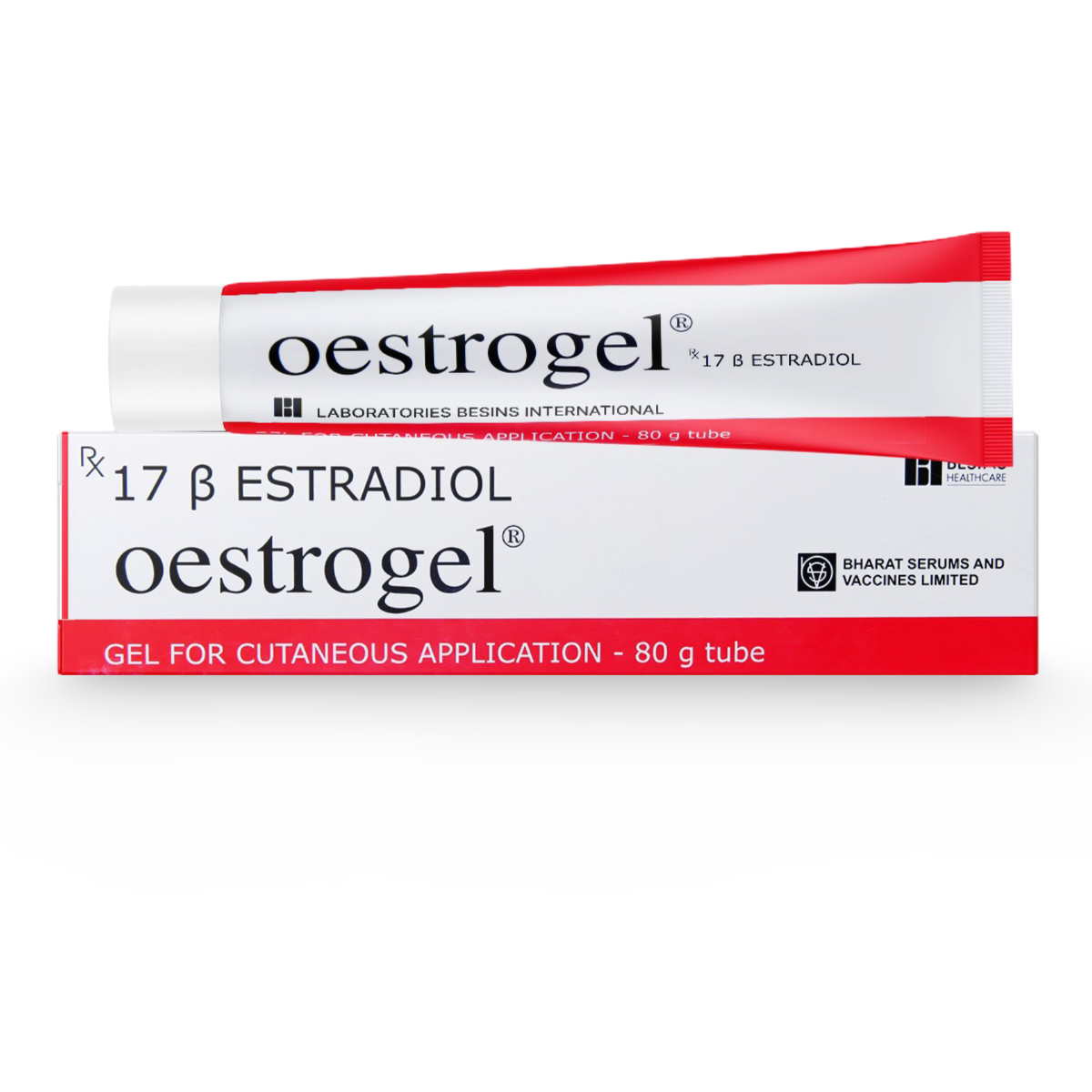
- Address vaginal dryness: Using lubricants or estrogen creams like Oestrogel (after consulting a doctor) helps reduce discomfort and increases desire.
- Consider therapy if needed: Sex therapy or relationship counselling can help resolve emotional blocks that affect libido.
Medical options for low sex drive in women
When lifestyle adjustments do not lead to noticeable improvement, medical treatments can be considered after consulting a healthcare professional. A doctor can recommend appropriate options such as prescription therapies, hormonal treatments, or targeted interventions for low libido. These include:
- Addyi (Flibanserin): It is an FDA-approved daily pill for premenopausal women with low sexual desire.
- Vyleesi (Bremelanotide): An FDA-approved injectable medicine used before sexual activity to enhance desire.
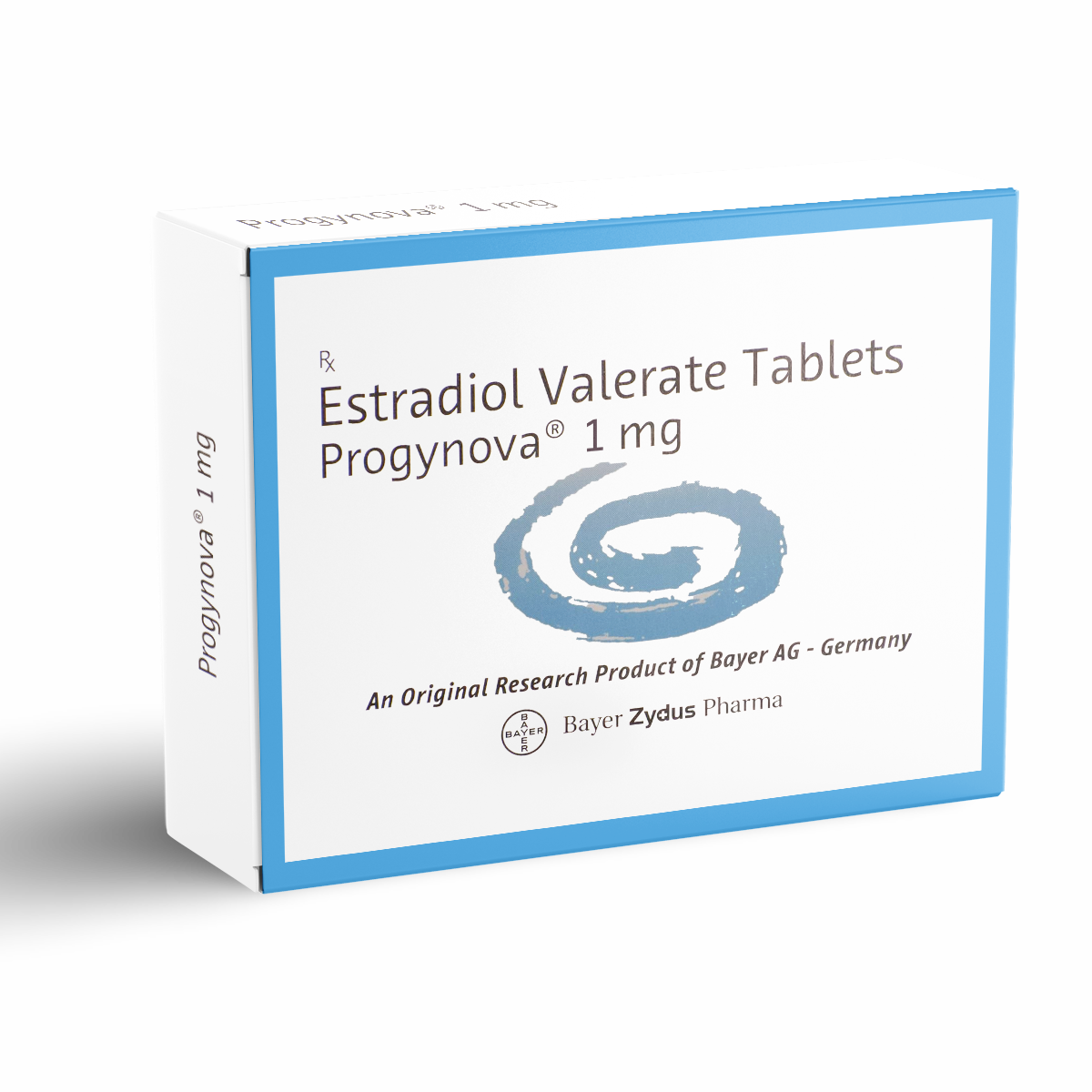
- Hormone therapy: For postmenopausal women, hormone therapy (estrogen or testosterone in very low doses) may help after medical evaluation.
- Treating health issues: Addressing Anemia, thyroid imbalance, or depression can naturally improve libido.
When to consult a doctor
A woman should speak to a healthcare professional if her low sex drive continues for several weeks or begins to affect her relationships, confidence, or emotional well-being. Medical help becomes important when:
- A sudden or unexplained low desire is experienced.
- Low libido comes with pain, dryness, discomfort, or bleeding during sex.
- You feel persistent stress, sadness, or anxiety that is affecting your interest in intimacy.
- Relationship issues feel overwhelming and are affecting emotional closeness or sexual connection.
A doctor can help identify whether the cause is physical, emotional, or hormonal and suggest the right treatment, such as counseling, lifestyle changes, medication adjustments, or approved treatments for low female libido.
Conclusion
A woman’s sex drive is affected by her hormones, emotions, relationships, health, lifestyle, and even daily stress levels. It is normal for libido to rise and fall at different stages, and these changes do not necessarily indicate a problem.
By reducing stress, improving sleep, staying active, eating well, communicating openly with the partner, and addressing vaginal dryness or discomfort, many women can naturally improve their sexual desire.
For those who continue to struggle, a doctor can provide guidance, check for hormonal or medical causes, adjust medications, or suggest approved treatments like Addyi or hormonal therapy to improve sex drive. With patience, self-awareness, and the right support, it is completely possible to rebuild intimacy, feel more connected to your body, and enjoy a healthier, more fulfilling sex life.

Frequently Asked Questions
Can birth control pills affect a woman’s sex drive?
Yes, birth control pills can affect a woman’s sex drive because they change hormone levels, especially estrogen and testosterone. Some women notice lower libido, vaginal dryness, or reduced arousal, while others experience no change or even improvement. Effects vary by body, pill type, and hormonal sensitivity.
Why is my sex drive higher at some times of the month?
You might notice a stronger desire around ovulation due to a natural rise in estrogen and testosterone. This is the body’s built-in reproductive response. During this time, energy, mood, and sensitivity may also improve, creating stronger arousal. These cyclical changes are completely normal and expected.
Can dehydration reduce libido?
Yes, dehydration decreases energy, affects mood, and reduces natural lubrication, making sex less comfortable and lowering desire. Even mild dehydration can increase fatigue and headaches. Drinking enough water throughout the day supports mood, vaginal comfort, and sexual health.
How does chronic pain affect sex drive?
Chronic pain issues such as back pain, migraines, Endometriosis, or Arthritis can lower libido because discomfort makes arousal difficult and intimacy less appealing. Pain medications can also influence hormones. Managing pain with proper treatment often improves comfort and allows sexual desire to return gradually.
Citations
GoodRxMedicine only refers to credible, authoritative sources for our content. If you're curious about how we ensure the integrity of our content, we encourage you to read our Content Information Policy.
How useful was this post?
Click on a star to rate it!
No votes so far! Be the first to rate this post.
Gina Walters is the diet and lifestyle writer at Goodrxmedicine.com. She holds a level 6 diploma in natural nutrition and lifestyle and is an ardent preacher of veganism. A fitness enthusiast by heart, Gina’s passion for fitness follows into her personal life too.
Learn MoreDr. James Mitchell is a board-certified physician with 18+ years of clinical experience in Sexual Medicine and Reproductive Health. He helps patients navigate intimate health concerns through medically sound guidance and compassionate, patient-centered care.
Learn More