




Sex Hormone Binding Globulin (SHBG) is a protein mainly produced by the liver. It binds to sex hormones like estradiol (the primary form of estrogen), testosterone, and Dihydrotestosterone (DHT). After binding, SHBG transports these hormones through the bloodstream and controls the amount of free hormones available to the body. As a result, SHBG regulates the levels of free sexual hormones in your body.
SHBG is generally higher in females than in males, with a normal range being 18-144 nmol/L. Higher levels help regulate free testosterone and prevent excess testosterone-related effects, such as unwanted facial hair and irregular periods. However, excessively high SHBG levels lead to hormonal imbalance and affect the reproductive system.
High SHBG in females generally results from pregnancy, Hyperthyroidism, and contraceptive pills. Strategies such as medication adjustments and lifestyle changes can help lower SHBG levels. This article explains high SHBG levels in women, including symptoms, causes, diagnosis, treatment options, and when to consult a doctor.
High SHBG in females and its common symptoms
High levels of Sex Hormone Binding Globulin, above 130-150 nmol/L, depending on the laboratory tests, indicate the liver cells are overproducing the hormone. An excess of SHBG will mean a large amount of your sex hormones will attach to it, becoming less available for the body to use. In turn, it creates a functional deficiency of sex hormones, affecting reproductive health, energy, and mood.
If SHBG levels remain persistently high, low available estrogen can affect bone health. Estrogen maintains bone density, so low estrogen levels can increase the risk of Osteoporosis in postmenopausal women. Along with bone-related changes, excessive SHBG levels can cause other symptoms that can help identify this hormonal imbalance.
Save up to 90% on your medicine bills

Lovegra Oral Jelly Rx 100 Mg

Lovegra 100 mg
Starting at just $2.19 per tabletBuy Now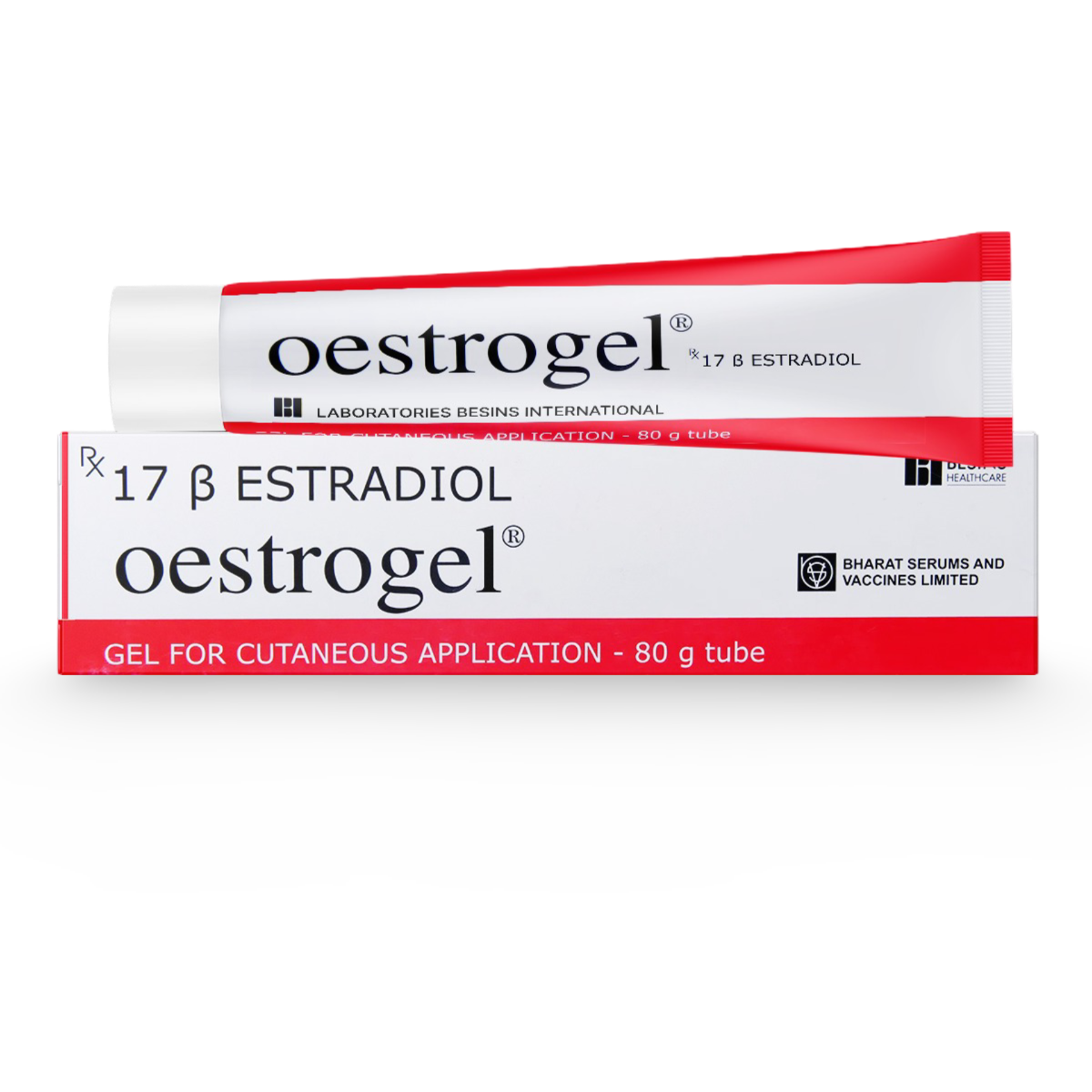
Oestrogel Gel 80 gm
Starting at just $38.02 per tubeBuy Now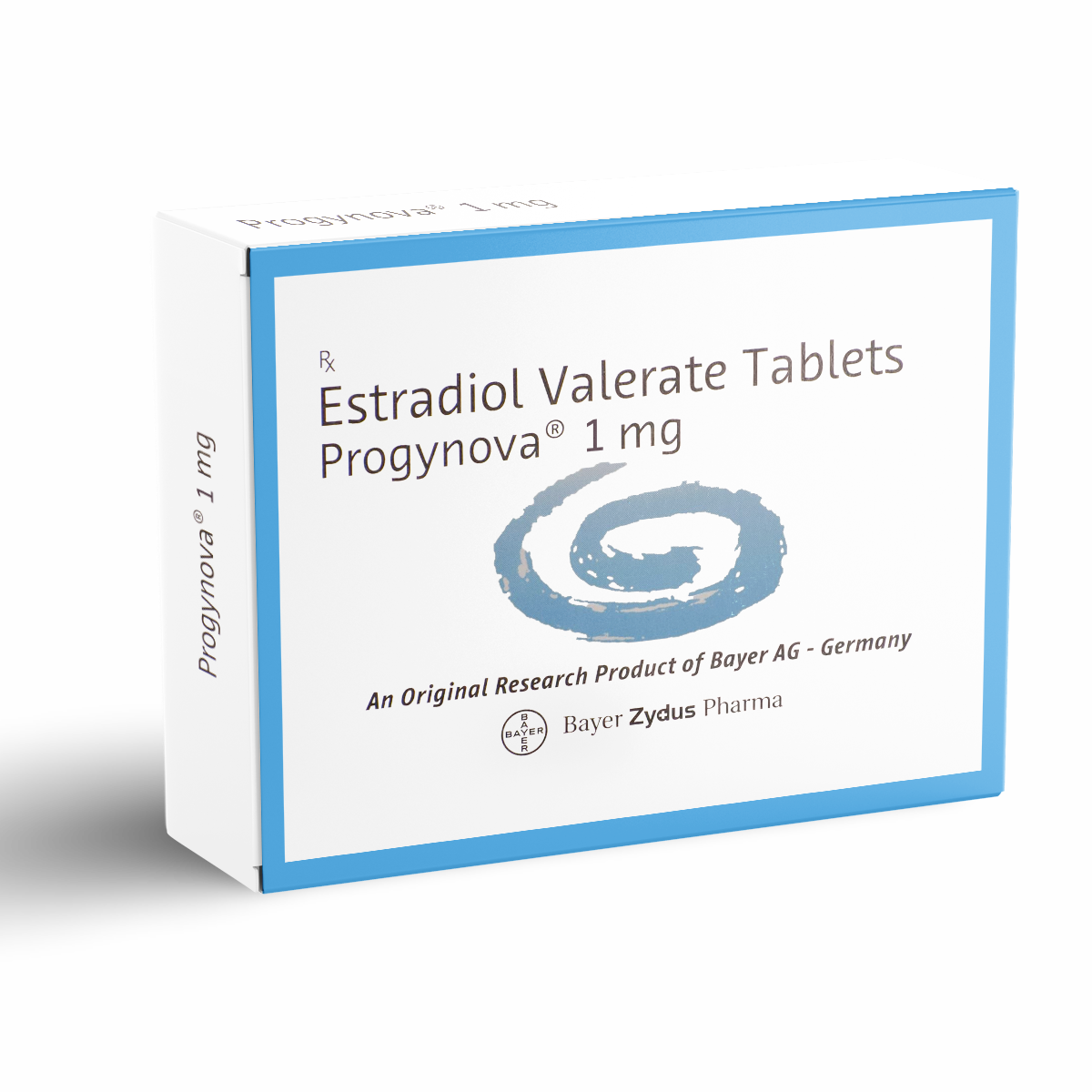
Progynova 1 mg
Starting at just $0.20 per tabletBuy NowSymptoms of high Sex Hormone Binding Globulin in females include:
- Low libido
- Irregular periods
- Depression
- Brain fog
- Vaginal dryness
- Fatigue
- Reduced muscle mass
Common causes of elevated SHBG in females
Elevated SHBG levels in females typically occur during particular life stages, due to certain lifestyle habits, and the use of certain medications. The primary causes in women are listed below:
- Lifestyle factors: Low-fat, low-protein diets and significant weight loss are associated with elevated SHBG levels. Apart from these, eating disorders, such as Anorexia Nervosa (under-eating), intense physical training, excessive alcohol consumption, and stress, can also elevate the levels.
- Liver diseases: Since the liver produces SHBG, certain hepatic issues, such as Hepatitis and Cirrhosis, increase its levels.
- Pregnancy: In pregnant women, SHBG levels naturally rise to decrease the availability of free testosterone. However, the levels usually return to normal after childbirth.
- Hyperthyroidism: Excess production of Thyroid Hormone (TH) due to conditions like Toxic Nodular Goiter and Graves’ Disease directly stimulates the liver to produce more SHBG.
- Increase in estrogen: Estrogen-containing contraceptive pills and Estrogen Replacement Therapy (ERT) are first-passed through the liver, directly affecting the production of this protein and elevating its levels.
- Other medications: Certain medicines, like anticonvulsants for seizures and Selective Estrogen Receptor Modulators (SERMs) used for Breast Cancer and Osteoporosis prevention, are known to increase SHBG production.
Diagnosis of high SHBG in females
The doctor will first look for symptoms like vaginal dryness or irregular periods. If your symptoms suggest a hormonal imbalance, the doctor will move to the following steps:
- SHBG blood test: It is the main test, which measures SHBG and total testosterone levels. Next, using these two values, the Free Androgen Index (FAI) is calculated to assess the amount of free testosterone available in the body. If the FAI value is low, further testing will be done to assess the cause.
- Check common causes: Other hormonal tests will be done to assess thyroid hormone levels (Thyroid Stimulating Hormone, free T4, free T3) and identify Hyperthyroidism. Estrogen, progesterone, Luteinizing Hormone, and Follicle-Stimulating Hormone will also be tested to assess ovarian function. Liver function tests are also conducted to rule out liver conditions.
- Medication and nutritional review: The doctor will review your current medication list to check if you are on oral contraceptives. You can also be screened for nutritional profile and BMI to identify eating disorders. The results will be interpreted on these bases, and testing could be repeated after a change in medication and diet.
How to lower SHBG in females?
To lower SHBG levels, treatment is personalized, as no single medication currently directly reduces SHBG. Your doctor will mainly focus on addressing the underlying causes, altering hormonal delivery methods, and changing your lifestyle to balance the hormones:
- Medicinal adjustments: Have all your medications, such as contraceptive pills or SERMs, monitored. Your doctor will either adjust the dose or prescribe alternatives that have no known impact on SHBG production. SHBG levels can remain elevated for several months after stopping oral contraceptives, so regular testing and symptom monitoring are advised.
- Alternate estrogen therapy: If you are on oral ERT, your doctor can recommend non-oral options such as the vaginal ring, patches, or topical creams like Oestrogel 2.5 gm/1.5 mg. These formulations bypass the liver metabolism and help keep your SHBG levels stable.
- Treat underlying conditions: Get medically treated for conditions like liver issues or Hyperthyroidism if they are causing high SHBG. This will ultimately reduce SHBG levels. Besides, weight-gaining approaches under medical supervision will treat Anorexia-related elevated SHBG.
- Supplementary support: Take zinc (15-30 mg/day) and boron (3-10 mg/day) supplements to support hormone metabolism and help lower elevated SHBG. Always test nutrient levels first and consult your doctor for accurate dosage.
- Stress management: High cortisol (a stress hormone) levels can elevate SHBG levels. Therefore, practice stress-relief activities like yoga and mindfulness for 20-30 minutes a day. Also, aim for 7-9 hours of sleep each night, which will help regulate mood and reduce stress.
- Lifestyle changes: Avoid over-exercising, and instead focus on moderate resistance training 2-3 times a week to support your overall metabolism. Don’t undereat; ensure sufficient nutrient and calorie intake. Focus on a high-protein diet by eating eggs, legumes, fish, and nuts.
When to see a doctor for high SHBG
Small fluctuations in SHBG levels can happen due to pregnancy or temporary hormonal shifts. However, excessively and persistently high levels require medical evaluation, as they can indicate an underlying health issue. Consult a doctor if you consistently have:
- Missed, irregular, or very light periods.
- Vaginal dryness and Low Libido.
- Difficulty in conceiving.
- Symptoms of Hyperthyroidism like weight loss and a rapid heartbeat.
- Repeated fractures and height loss.
- High Blood Pressure and swelling during pregnancy.

Conclusion
If SHBG levels are 120-145 nmol/L, it is considered excessive production. High SHBG levels in females can affect reproductive and mental health by triggering symptoms like reduced bone density, Depression, vaginal dryness, low libido, and irregular periods. SHBG levels are generally influenced by several factors, rather than being a standalone condition.
Primary causes of elevated SHBG levels include lifestyle factors such as significant weight loss and a low-protein diet, as well as Hyperthyroidism. Other underlying causes include liver issues like Hepatitis, pregnancy, Hyperthyroidism, contraceptive pills, and other medications like SERMs and anticonvulsants.
High SHBG levels are diagnosed through blood tests and other hormonal tests. You can lower SHBG levels by consulting a doctor for medicinal adjustments and treating underlying conditions like Hyperthyroidism. Other options include taking supplements like zinc and boron. Stress management through yoga and lifestyle changes, such as increased protein and calorie intake, can also help lower levels.
Frequently Asked Questions
Can high Sex Hormone Binding Globulin cause infertility?
Yes, in some cases, high Sex Hormone Binding Globulin can cause infertility in both men and women. In females, it reduces the availability of hormones crucial to ovulation (egg release) and the menstrual cycle. Whereas, in men, high levels lead to low sperm count and Low Libido.
Is SHBG high in perimenopause?
No, SHBG is not consistently high in perimenopause. The levels keep fluctuating because changes in estrogen levels affect SHBG production in the liver. Therefore, high SHBG is possible during perimenopause, but not in every woman. Levels will vary from person to person.
Which vitamins lower SHBG?
No specific vitamin is proven to lower SHBG directly. Some limited studies suggest that vitamin D can help improve free testosterone levels in men, particularly in those with vitamin D deficiency. But this doesn’t mean it reliably reduced SHBG levels. Consult a doctor for persistently high levels and timely treatment.
How to fix high Sex Hormone Binding Globulin?
To fix high Sex Hormone Binding Globulin (SHBG), treat the underlying causes first, such as Hyperthyroidism or liver issues. Make lifestyle changes, including eating enough protein and calories, engaging in moderate resistance training, and managing stress through yoga. Medical options include switching estrogen-containing medicines and Testosterone Replacement Therapy (TRT) in men.
GoodRxMedicine only refers to credible, authoritative sources for our content. If you're curious about how we ensure the integrity of our content, we encourage you to read our Content Information Policy.

Julian Carter is a highly accomplished MBA graduate in Pharmaceutical Management, celebrated for his extensive experience and exceptional skills in the pharmaceutical industry. With a wealth of knowledge and expertise, Julian is a valuable contributor to the field and a trusted voice in pharmaceutical management.
As a contributing writer for Goodrxmedicine.com, Julian is committed to educating and empowering individuals to make informed decisions about their health. His passion for the industry is evident in his work, and his dedication to improving the lives of others through education and empowerment is truly remarkable.
With a reputation for excellence and a track record of success, Julian Carter is a respected and admired figure in pharmaceutical management. His insights and contributions to the field are highly valued, and her expertise has helped shape the direction of the industry for the better.
Through his work as a contributing writer for Goodrxmedicine.com and beyond, Julian continues to make a meaningful impact in the lives of many. His commitment to excellence and dedication to improving the health of individuals and communities around the world make him an inspiration to others in the field.