




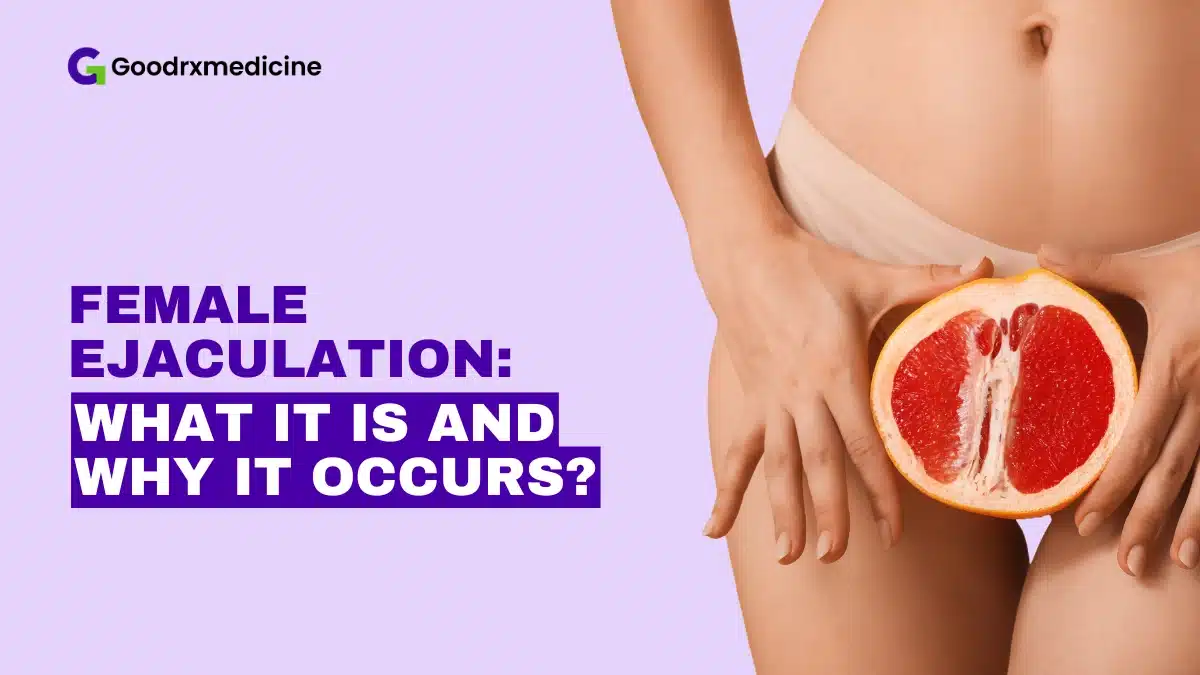
Female ejaculation refers to the discharge of thick, milky fluid from the Skene’s glands located near the urethra during sexual stimulation or orgasm. While not all women and Assigned Females at Birth (AFABs) experience it, it is a common physiological response for those who do.
Women can ejaculate during various forms of sexual stimulation, including clitoral, vaginal, or G-spot stimulation. The fluid is distinct from urine, and its volume and frequency vary significantly among women. Although often misunderstood with squirting, female ejaculation is neither harmful nor unusual. It is a normal element of some women’s sexual encounters, unrelated to fertility or health problems.
This article will cover all the aspects of ejaculation in females, thereby helping to eliminate misconceptions and embarrassment surrounding it.
What is female ejaculation, and what does it feel like?
Female ejaculation is the release of a small amount of thick, milky fluid from the Paraurethral glands, commonly known as Skene’s glands or the female prostate, during periods of extreme sexual stimulation. These glands are situated near the urethra and work similarly to the male prostate. The volume and intensity of the ejaculate differ significantly, ranging from a minor release to a noticeable flow.
The sensation is frequently characterized as enjoyable and can feel similar to the build-up and release of orgasmic tension, occasionally accompanied by a warm or tingling sensation in the pelvis. Not all women experience ejaculation, and the presence or absence of it does not affect sexual satisfaction or overall health. For those who do, it can improve sexual pleasure and intimacy, but the effects vary greatly from person to person.
Save up to 90% on your medicine bills

Lovegra Oral Jelly Rx 100 Mg

Lovegra 100 mg
Starting at just $2.19 per tabletBuy Now
Oestrogel Gel 80 gm
Starting at just $38.02 per tubeBuy Now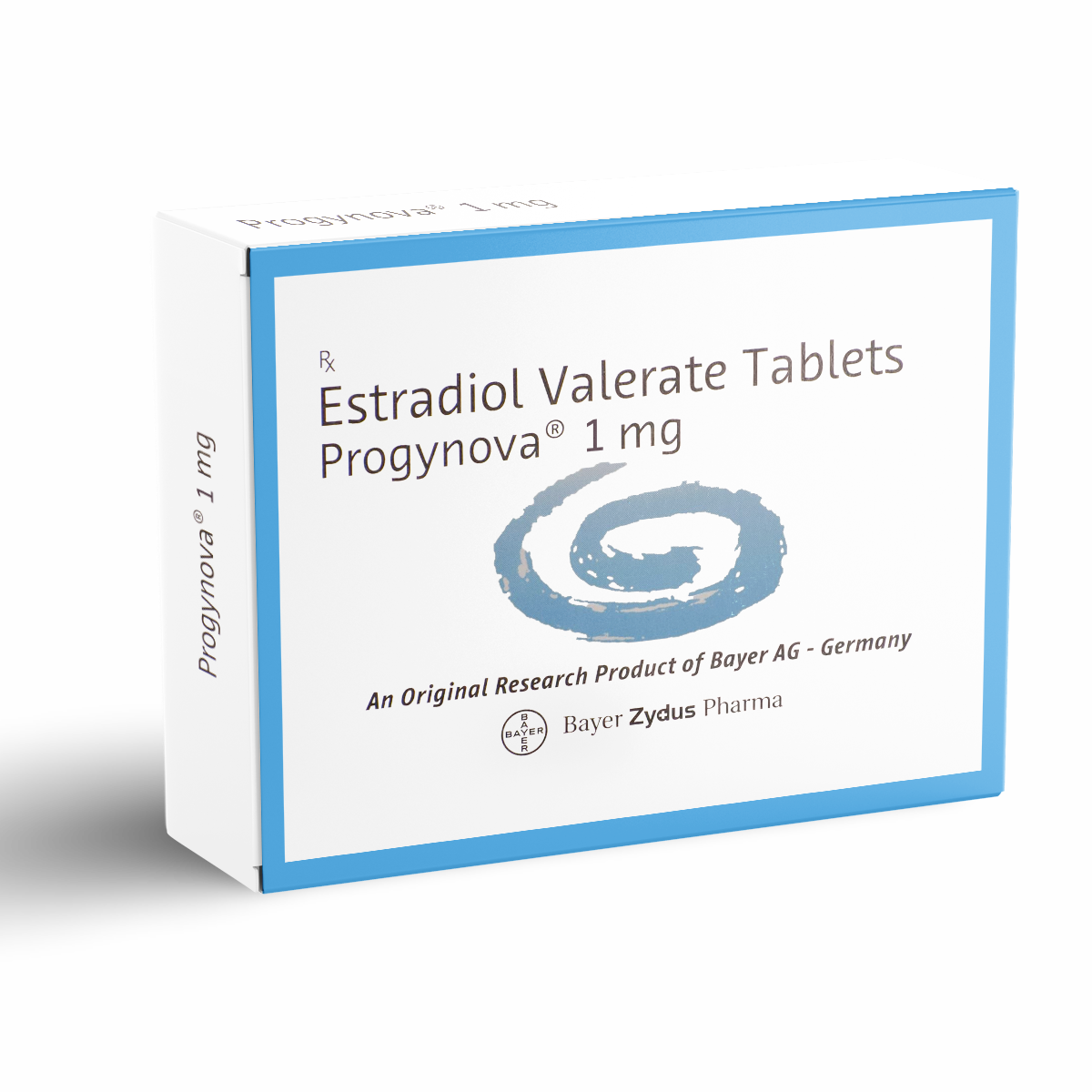
Progynova 1 mg
Starting at just $0.20 per tabletBuy NowWhy do women ejaculate?
Although the actual reason for ejaculation in females is not well understood, it is believed that women ejaculate as part of a natural physiological response during sexual arousal or orgasm. G-spot stimulation and pressure on the tissues surrounding the urethra trigger fluid release from glands and organs involved in arousal.
The G-spot is situated on the front vaginal wall, immediately above the urethral sponge and Skene’s glands, which produce actual female ejaculate. During intense arousal, blood supply to this area rises, causing it to enlarge and become extremely sensitive.
This swelling stimulates the Skene glands to release a small amount of milky fluid through tiny ducts near the urethral opening.
Is ejaculation the same as squirting?
No, both ejaculation and squirting are not similar in females; they are two different phenomena. However, most of the time, female ejaculation is confused with squirting. This confusion is mainly because both involve fluid released from the urethral area during sexual arousal or orgasm.
During ejaculation, a small quantity of milky or thick, whitish fluid is released by Skene’s gland ducts at the urethral opening rather than the bladder. Squirting, on the other hand, involves an increased amount of clear, watery fluid released mostly by the bladder.
The main distinctions are in quantity and appearance. Ejaculation in females is often a small release with a whitish or milky shade, whereas squirting produces a larger amount of transparent, urine-like fluid. These distinctions serve to distinguish between the two phenomena.
Ultrasound and magnetic resonance imaging studies published in the Journal of Sexual Medicine in 2015 have shown that the bladder fills and then empties during squirting. This indicates that the fluid is the involuntary excretion of urine during sexual activity, which is sometimes mixed with Skene’s gland secretions.
While ejaculation in women is more like an actual discharge from glands, squirting is a forceful release of fluid caused by severe G-spot or pelvic stimulation. Both reactions are normal and involuntary women’s sexual responses that can occur as a natural result of deep stimulation, increased arousal, and pelvic muscular contraction.
These responses vary greatly across women, and their occurrence is due to normal structural differences rather than sexual ability or dysfunction.
How to explore female ejaculation safely?
Exploring female ejaculation safely involves several key practices focused on comfort, communication, and hygiene. These practices promote safe, joyful exploration without risk or anxiety and often involve:
- Create a comfortable environment: Mental and physical stress might interfere with ejaculation. Try various stress-relieving activities like yoga and meditation to help you psychologically and physically relax.
- Communication: When exploring with a partner, freely discuss boundaries and preferences to build trust and comfort.
- Lubrication: Apply a sufficient amount of water-based lubricant to reduce friction and improve comfort during internal stimulation.
- Practice good hygiene: To avoid infections, practice good hygiene by thoroughly washing hands and any sex toys before and after usage.
- Begin slowly: Apply modest, upward-stimulating strokes to the anterior vaginal wall or the G-spot. Experiment with pressure and pace to find what feels most comfortable.
- Use body-safe toys: If you use sex toys, be sure they’re made of safe materials like medical-grade silicone and clean them properly before usage.
- Listen to your body: If you experience any pain or discomfort, stop exploring; it should never be a painful experience.
- Stay hydrated and relaxed: Staying hydrated and allowing some time for rest and self-care after each exploration session can significantly make the experience more enjoyable.
Conclusion
Female ejaculation is a normal physiological response that some women experience during sexual excitement or orgasm. Often misunderstood with squirting, ejaculation in females involves the release of fluid from the Skene’s gland. This gland is located near the urethra and is distinct from urine. The fluid’s appearance is normally clear to slightly milky, and its texture ranges from watery to slightly thick.
The amount varies across women, ranging from a few drops to a significant flow, and it is normally safe. Arousal, stimulation, comfort, and relaxation are all factors that can influence ejaculation in females. However, not all women feel it, and its presence or absence does not signify sexual satisfaction or dysfunction.
While research is ongoing to better understand this phenomena, it is widely regarded as a normal aspect of female sexual health.

Frequently Asked Questions
How long can female ejaculation last?
Female ejaculation itself is brief, usually lasting just a few seconds, occurring at the peak of arousal or orgasm. The build-up may take longer, but the actual release is a quick, involuntary discharge rather than a sustained flow.
At what age does a woman stop ejaculating?
There is no specific age at which a woman stops ejaculating. Female ejaculation is influenced by various factors, including anatomy, hormones, arousal, and stimulation. Many women continue to ejaculate through Menopause, while others may notice reduced frequency due to hormonal changes or decreased gland activity.
Is female ejaculation painful?
No, female ejaculation itself is not painful. It should feel like a sense of natural release. However, if pain occurs, it’s usually due to excessive pressure, dryness, infection, or pelvic floor tension, and exploration should stop immediately.
Is female ejaculation more common after childbirth?
No, ejaculation in females does not increase after childbirth. In contrast, many new mothers experience a decrease in sexual activity and the ability to orgasm, due to variables such as increased fatigue, pain recovery, and shifting hormone levels.
Can medications influence ejaculation?
Yes, some medications, especially antidepressants or antihistamines, may reduce arousal or sensitivity, affecting ejaculation. Effects vary and depend on dosage, body chemistry, and mental state.
Can ejaculation occur in trans women?
Yes, trans women can ejaculate since it is a physiologic reflex that occurs even after beginning Gender-affirming Hormone Therapy (GAHT). However, GAHT has a considerable effect on the volume of the ejaculate.
GoodRxMedicine only refers to credible, authoritative sources for our content. If you're curious about how we ensure the integrity of our content, we encourage you to read our Content Information Policy.

Gina Walters is the diet and lifestyle writer at Goodrxmedicine.com. She holds a level 6 diploma in natural nutrition and lifestyle and is an ardent preacher of veganism. A fitness enthusiast by heart, Gina’s passion for fitness follows into her personal life too.