




Pregnancy is a wonderful and transforming phase, but it also brings several physical and emotional changes. One common concern many women and Assigned Females at Birth (AFABs) experience during this phase is reduced sex drive or Low Libido. If you have also observed libido changes during pregnancy, you are not alone.
This is very normal and usually temporary, caused by several physical, emotional, and hormonal changes. Fluctuating estrogen and progesterone levels, as well as increased stress, fatigue, and physical discomfort, can all have a significant effect on libido, particularly in the first and third trimesters.
Emotional shifts, such as nervousness about approaching parenthood and changes in self-image, also lead to decreased sexual desire. Open communication, self-compassion, and understanding from both partners can help reduce stress and maintain intimacy during this unique phase of life.
This article covers the causes, changes in libido by trimester, and simple ways to cope with low sex drive during pregnancy.
What causes low sex drive during pregnancy?
Experiencing Low Libido during pregnancy is quite common and is caused by a complex combination of hormonal, physical, and emotional changes. Let’s have a detailed look at these Low Libido causes.
Save up to 90% on your medicine bills

Lovegra Oral Jelly Rx 100 Mg

Lovegra 100 mg
Starting at just $2.19 per tabletBuy Now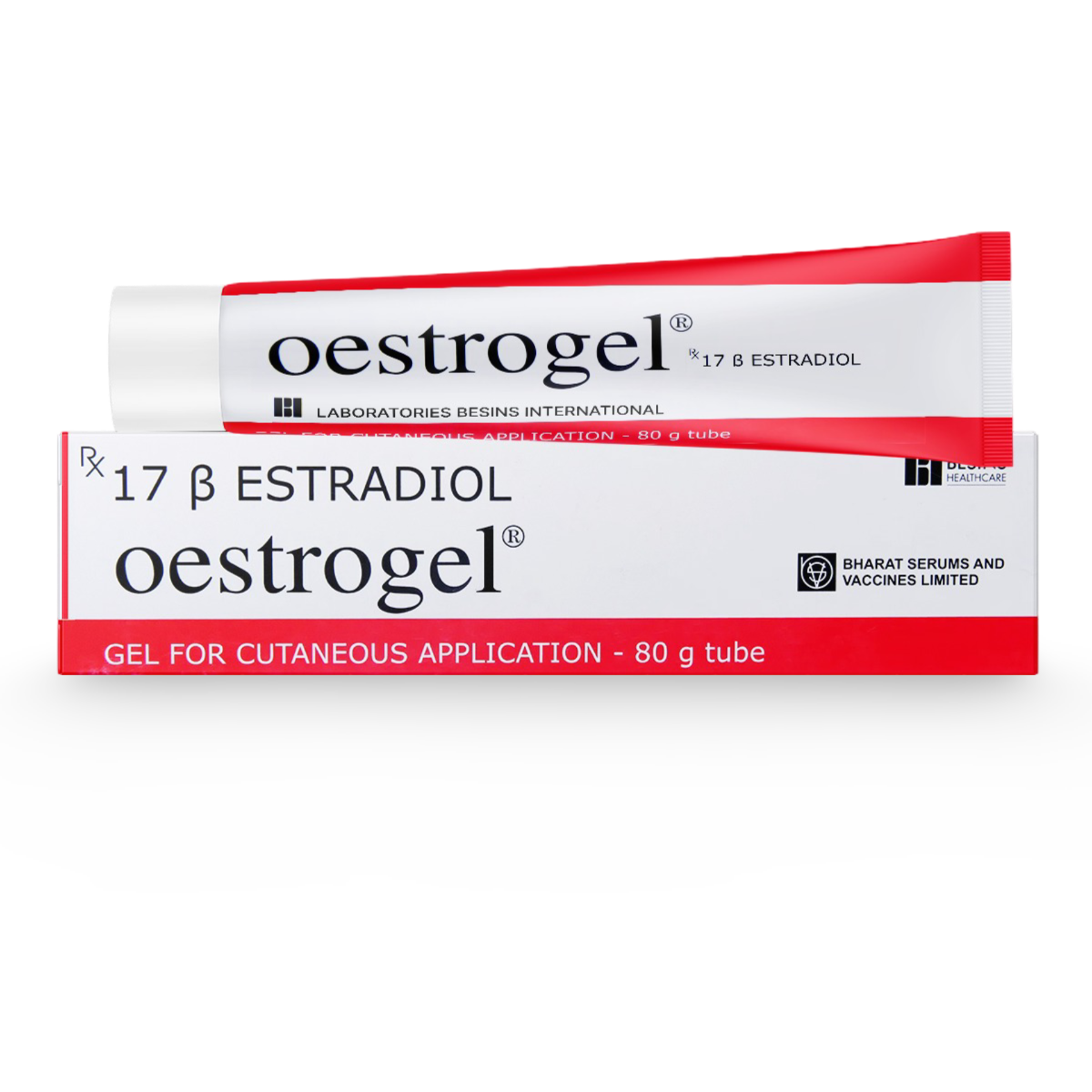
Oestrogel Gel 80 gm
Starting at just $38.02 per tubeBuy Now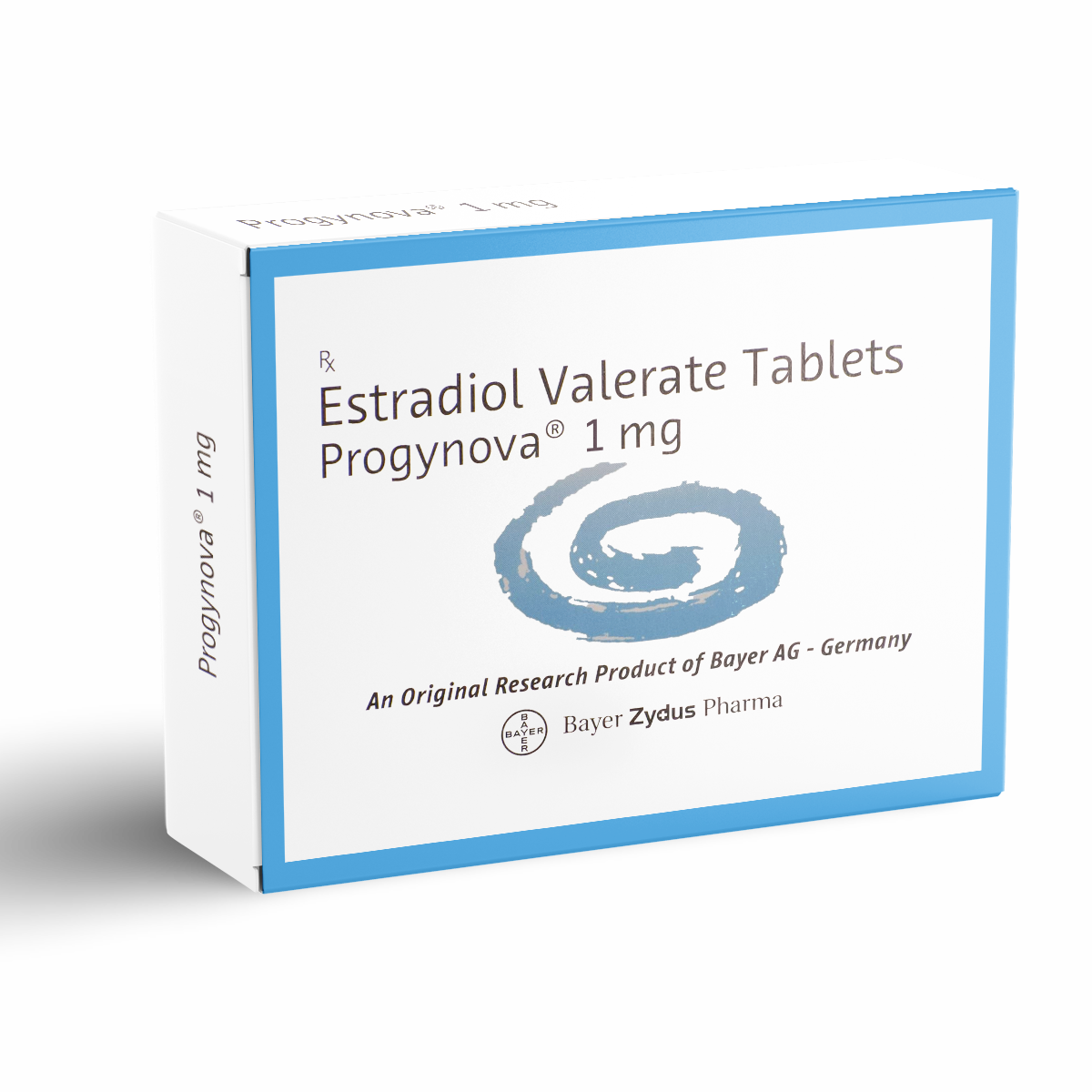
Progynova 1 mg
Starting at just $0.20 per tabletBuy NowHormonal fluctuations
During early pregnancy, your body experiences a powerful surge of hormones, particularly progesterone and estrogen, which play an important role in supporting the growing baby. But these same hormones have a significant impact on your energy levels, emotions, and overall mood.
High progesterone levels can make you feel exhausted, sluggish, or sleepy, which reduces your interest in sexual activity. Estrogen changes can cause mood swings, irritation, nausea, and increased emotional sensitivity, making it difficult to feel sexually stimulated.
These hormonal changes also signal your body to prioritize nurturing and protecting the developing baby, which could temporarily divert attention away from sexual desire. As a result, it is quite natural for your libido to decline, particularly during the first trimester.
Physical changes
The physical consequences of pregnancy can significantly lead to reduced arousal in women, particularly in the first and third trimesters. Fatigue and frequent exhaustion leave little energy for intimacy, chronic nausea and vomiting make it harder to feel physically or emotionally interested in sex.
Many women struggle with sore or tender breasts, back pain, swelling, indigestion, and general body pains, all of which lead to reduced intimacy during pregnancy. Furthermore, finding comfortable sexual positions becomes more difficult as the belly grows, lowering the desire to engage in sexual activity.
Together, these changes in the body cause a natural decline in libido during pregnancy.
Emotional changes during pregnancy
Emotional and psychological factors can impact libido just as strongly as physical changes during pregnancy. Stress and nervousness over the baby’s health, childbirth, finances, or transitioning to parenthood can increase cortisol (stress hormone) levels, which naturally suppress sexual desire.
Many women develop body image issues when their bodies change, making them feel less confident or attractive. Furthermore, fear of hurting the baby, despite the fact that sex is safe in most healthy pregnancies, can cause hesitation.
These emotional changes, combined with changes in the relationship dynamic, can all contribute to a decrease in sex drive during pregnancy.
How does libido change in each trimester?
Sex drive does not remain constant during pregnancy; rather, it changes considerably between the first and third trimesters, which is as follows:
First trimester (week 1-12)
Most women’s sex drives decrease significantly during the first trimester. This is primarily due to severe hormonal fluctuations, morning sickness, nausea, exhaustion, breast pain, and mood swings. Your body is working hard to adjust to pregnancy, which naturally lowers energy and sexual desire.
Second trimester (week 13-27)
The second trimester of pregnancy is often associated with an increase in libido. Energy levels rise, morning sickness subsides, and increased blood flow to the pelvis can increase sensitivity and arousal. Many women feel emotionally more balanced and connected to their partners at this stage, which naturally increases sexual desire.
Third trimester (28-40)
In the third trimester, as the baby grows and the abdomen gets heavier, desire could decrease again. Back pain, sleep troubles, swelling, and general discomfort can make it challenging to be in a good mood. Anxiety over labor and delivery could also be a factor behind low desire during this trimester.
During this stage, many women choose emotional closeness over physical intimacy, opting for gentle affection and bonding.
How to improve sex drive during pregnancy naturally?
Improving your sex drive during pregnancy usually involves addressing the underlying physical, mental, and relational issues rather than attempting to induce desire forcefully. There are several ways to increase sex drive during pregnancy, including:
- Establish emotional connection: Communicate freely with your partner regarding your desires and comfort levels, which will help reduce misunderstandings and improve emotional intimacy. Prioritize emotional closeness by cuddling, spending quality time, and bonding, all of which naturally increase desire and connection during pregnancy.
- Give time to yourself: Focus on self-care with massages, skincare, or wearing comfortable outfits to feel confident, relaxed, and more connected to your body. Stay physically active with doctor-approved workouts that raise energy, enhance blood flow, elevate mood, and promote a healthier libido.
- Stress management and sleep: Manage stress with yoga, meditation, or deep breathing to relax your mind, relieve tension, and naturally promote a healthy sex drive. Get enough rest, as fatigue can affect your libido. Regular sleep and relaxation help restore energy and increase sexual desire throughout pregnancy.
- Focus on foreplay: Enhancing foreplay and slowing down intimate moments can make a big difference when dealing with bodily changes during pregnancy. Longer, more attentive foreplay boosts desire, improves natural arousal, and allows both partners to feel more relaxed and confident.
- Opt for comfortable sex positions: Try comfortable positions such as side-lying or woman-on-top to relieve abdominal pressure and make intimacy more joyful. To prevent discomfort, use pillows beneath your abdomen or back to make intimate moments more physically comfortable and delightful.
When to seek medical assistance for low libido?
While loss of sex drive during pregnancy is common and normal, you should consult a healthcare provider if you experience any of the following:
- Emotional distress
- Pain or bleeding during or after intercourse
- Low Libido is associated with other symptoms like severe fatigue, depression, or mood changes
- Significant arguments, tension, or feelings of rejection for either you or your partner
Proper diagnosis and timely management can help overcome Low Libido symptoms and enjoy a satisfying sex life during pregnancy.
Conclusion
Low sex drive during pregnancy is a common and natural occurrence that many women experience due to hormonal shifts, physical changes, and emotional stress. The first and third trimesters are frequently associated with major reductions in libido due to nausea, fatigue, physical discomfort, anxiety, and concerns about the baby’s health.
However, this phase is just temporary, and some women may experience increased desire in the second trimester as their energy levels and comfort improve. Prioritizing communication, emotional bonding, self-care, and relaxation can have a significant impact. Every pregnancy is unique, so listen to your body and allow yourself to be comfortable.
If Low Libido causes fear or distress, or if it is accompanied by symptoms such as pain or bleeding after intercourse and mood swings, it is always advisable to seek medical help.

Frequently Asked Questions
Will my sex drive return after pregnancy?
Yes, your sex drive can return to normal after childbirth. However, recovery time varies due to hormonal shifts, breastfeeding, fatigue, and emotional changes. Open communication and self-care help restore desire gradually.
Do pregnancy medications affect sex drive?
Yes, certain medications during pregnancy for nausea, mood, Thyroid, or blood pressure can affect libido. If your symptoms worsen after starting medication, discuss alternatives with your healthcare provider.
Will breastfeeding affect libido after pregnancy?
Yes, breastfeeding can affect libido after pregnancy. Breastfeeding can lower estrogen levels, which can temporarily reduce libido. Fatigue and hormonal shifts also play a role. Desire usually improves as hormone balance over time.
Which sex position should I avoid during pregnancy?
You should avoid any sex position that puts pressure on your belly, especially missionary after the first trimester, as lying flat can reduce blood flow and cause discomfort. Also, avoid positions that feel painful, unstable, or strain your back or pelvis.
GoodRxMedicine only refers to credible, authoritative sources for our content. If you're curious about how we ensure the integrity of our content, we encourage you to read our Content Information Policy.

Julian Carter is a highly accomplished MBA graduate in Pharmaceutical Management, celebrated for his extensive experience and exceptional skills in the pharmaceutical industry. With a wealth of knowledge and expertise, Julian is a valuable contributor to the field and a trusted voice in pharmaceutical management.
As a contributing writer for Goodrxmedicine.com, Julian is committed to educating and empowering individuals to make informed decisions about their health. His passion for the industry is evident in his work, and his dedication to improving the lives of others through education and empowerment is truly remarkable.
With a reputation for excellence and a track record of success, Julian Carter is a respected and admired figure in pharmaceutical management. His insights and contributions to the field are highly valued, and her expertise has helped shape the direction of the industry for the better.
Through his work as a contributing writer for Goodrxmedicine.com and beyond, Julian continues to make a meaningful impact in the lives of many. His commitment to excellence and dedication to improving the health of individuals and communities around the world make him an inspiration to others in the field.