




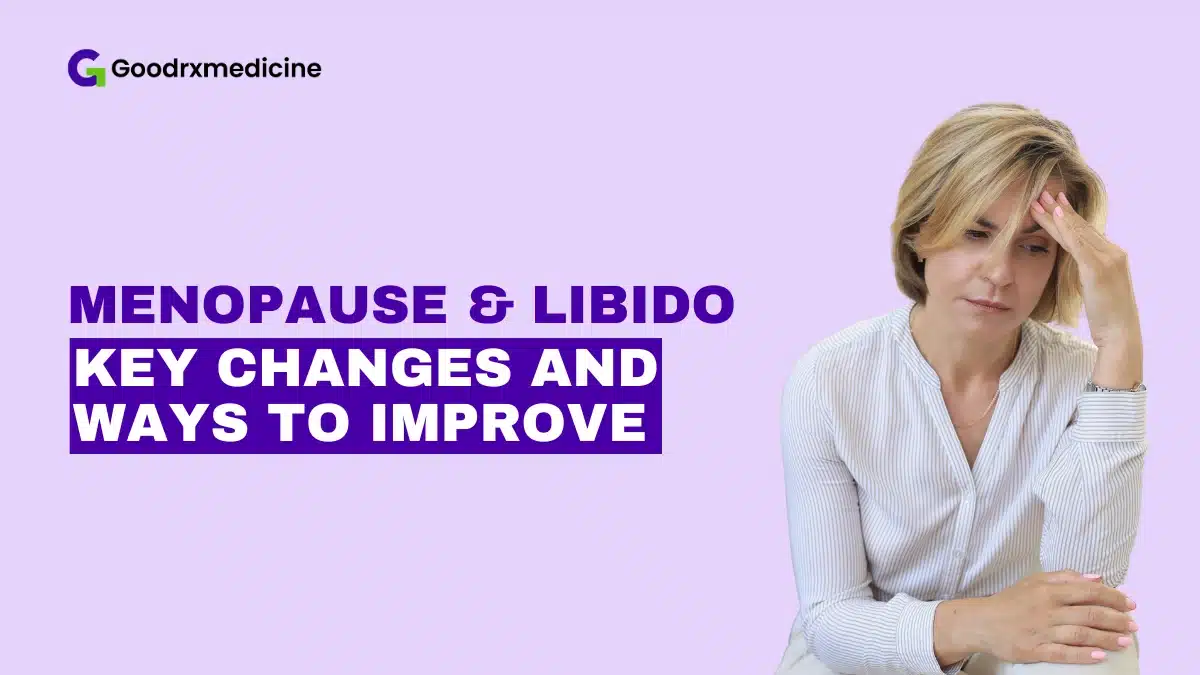
Menopause brings many changes, and one of the most common is a shift in libido. Many women notice that their sexual desire feels different, sometimes lower, sometimes inconsistent, and sometimes linked to physical or emotional discomfort. All these changes are not caused by just one thing. Instead, they come from a mix of hormonal shifts, vaginal dryness, sleep problems, mood changes, and overall health.
For some women, the impact on libido is mild. For others, it can feel confusing, frustrating, or surprising. Menopause is not only about periods stopping, but it’s a major transition that affects energy, mood, and intimacy. Understanding what’s happening inside your body makes it easier to manage these changes with ease.
This article explains the connection between menopause and libido, and its effects, the signs you may notice, and the natural, lifestyle, and medical options that can help you feel more comfortable during this stage of life.
How does menopause affect libido?
Menopause affects libido in several ways, and these changes often develop gradually. During this stage, hormone levels shift, sleep patterns are disrupted, and physical discomfort can influence sexual desire. Every woman’s experience is different, but the factors below commonly play a role in reducing libido during menopause.
Save up to 90% on your medicine bills

Lovegra Oral Jelly Rx 100 Mg

Lovegra 100 mg
Starting at just $2.19 per tabletBuy Now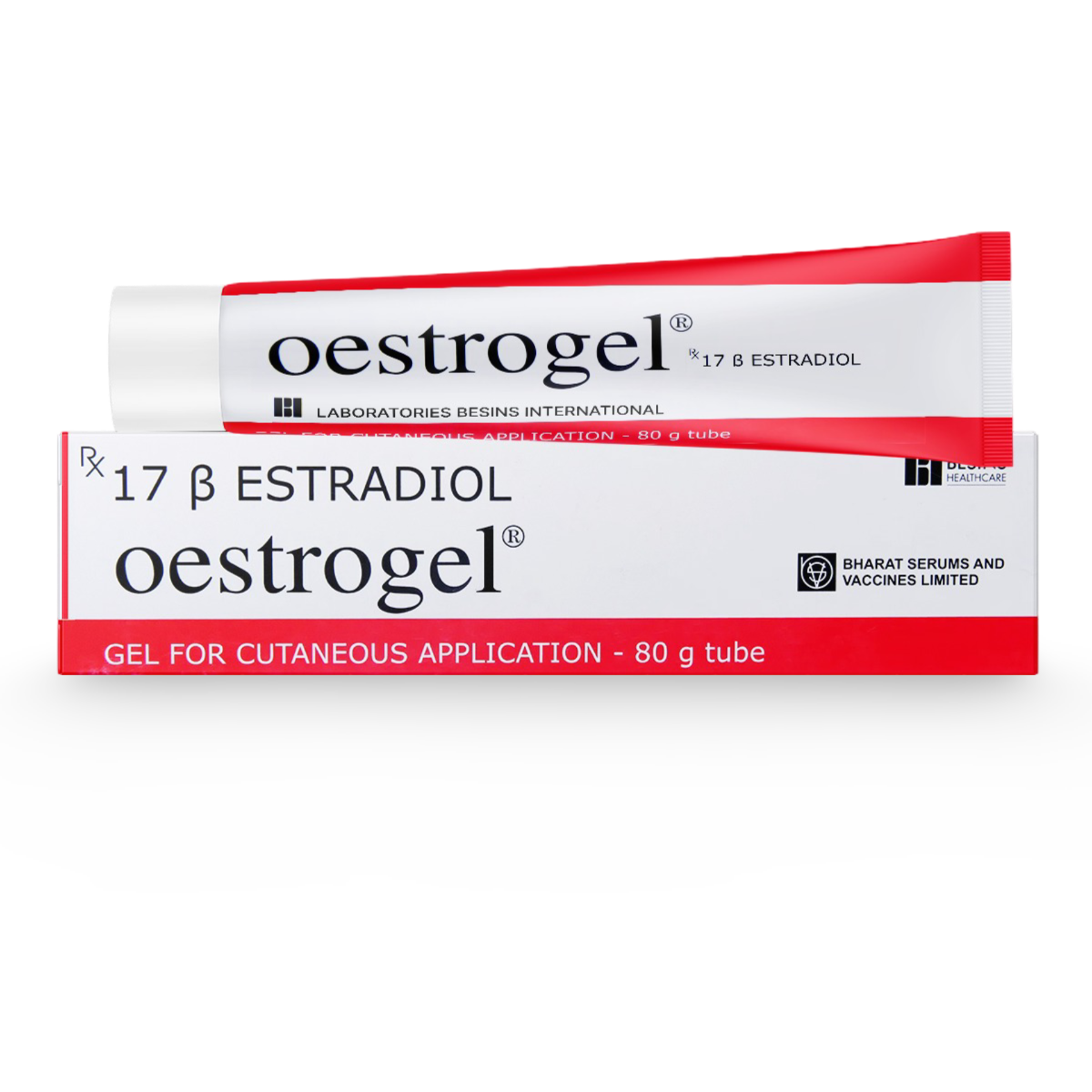
Oestrogel Gel 80 gm
Starting at just $38.02 per tubeBuy Now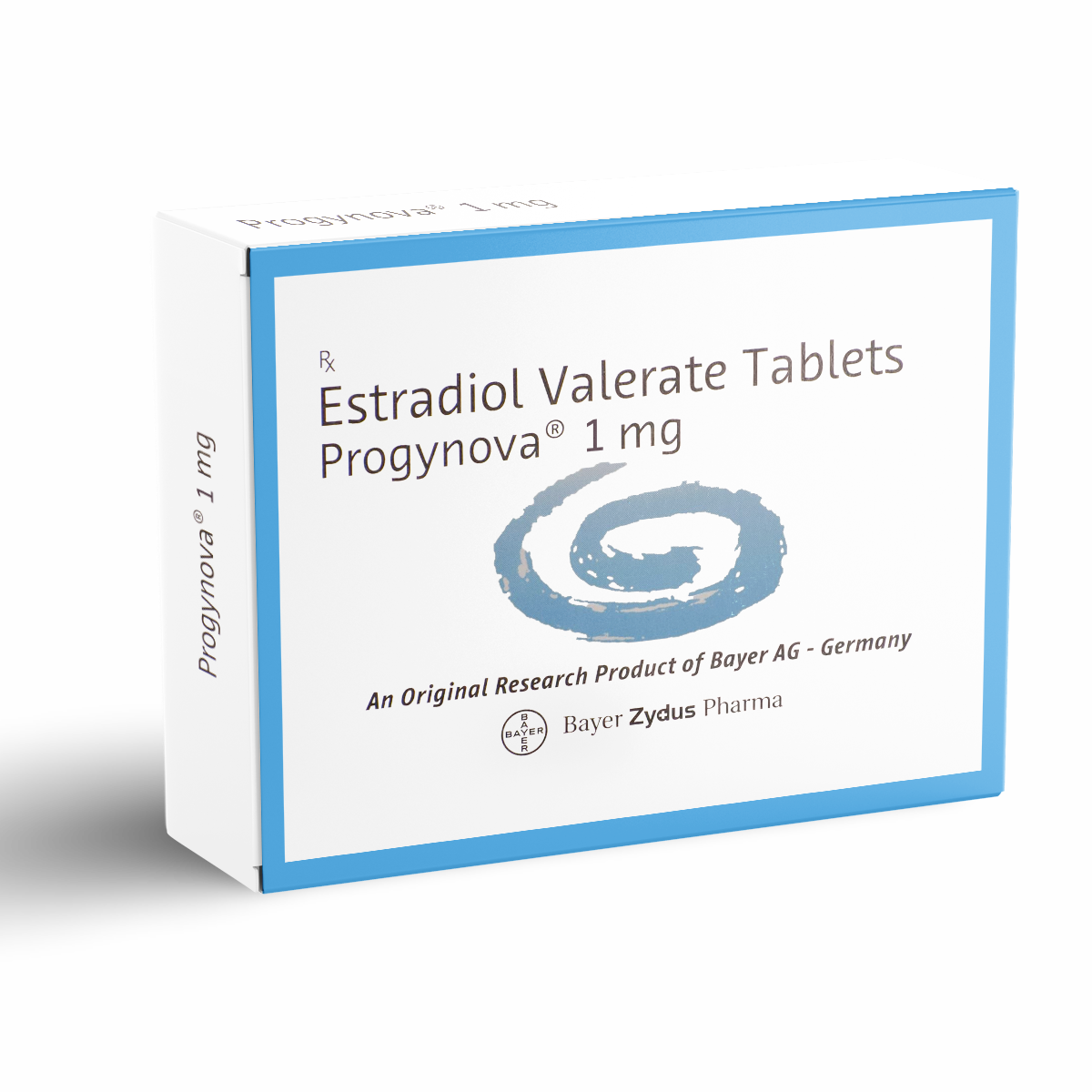
Progynova 1 mg
Starting at just $0.20 per tabletBuy NowHormonal changes (estrogen and testosterone)
Hormones are one of the biggest reasons for libido changes during menopause, especially estrogen and testosterone. Estrogen levels naturally decline, which affects vaginal lubrication, arousal, and overall comfort. Lower estrogen also reduces blood flow to genital tissues, making the sexual response slower.
At the same time, testosterone, the hormone partly responsible for sexual desire in women, also decreases with age. This hormonal imbalance can make libido feel lower, even if your relationship and emotional intimacy remain strong.
Vaginal dryness
A decrease in estrogen levels often causes vaginal dryness, which can make sexual activity uncomfortable. The tissues inside the vagina become thinner, less elastic, and more sensitive to stimulation. This condition, known as Vaginal Atrophy, can cause burning, tightness, or irritation, making intercourse painful.
When sex becomes uncomfortable, it is natural for libido to decline because the brain begins associating intimacy with discomfort instead of pleasure.
Sleep, mood, and stress issues
Many women face sleep problems during menopause due to hot flashes, night sweats, or hormonal fluctuations. Poor sleep leads to fatigue, which directly affects libido. Mood swings, irritability, and anxiety can also interfere with sexual desire.
Moreover, stress, whether emotional, physical, or mental, reduces energy levels and makes the body less responsive to sexual cues. Over time, these issues create a cycle where low mood and poor sleep lower libido even more.
Health conditions
During midlife, certain health conditions become more prevalent and can impact libido. These include thyroid disorders, Diabetes, High Blood Pressure, Depression, and chronic pain.
Certain medications used for these issues can also impact sexual desire. When underlying health problems are present alongside menopause, the combined effect can make libido feel significantly lower.
Signs that menopause is affecting your libido
A drop in libido does not always happen suddenly. There are hormonal, physical and psychological factors behind it. Many women notice slow, subtle changes that build over time. Knowing the signs can help you determine whether menopause may be contributing to your symptoms.
Feeling less responsive to touch or sexual cues
Sexual excitement may take longer to build, or you may feel “disconnected” from stimulation that used to work more quickly. Even when you’re emotionally close to your partner, physical responses may feel slower or muted.
Fatigue that lowers sexual motivation
Constant tiredness or disrupted sleep can make sex feel like another task instead of something enjoyable. As your body conserves energy for rest and recovery, sexual desire may naturally move lower on your priority list.
Painful intercourse or vaginal tightness
You might notice sex feeling painful or sensitive due to vaginal dryness, which can make you more hesitant about intimacy. This discomfort can also create a mental barrier, where your mind associates sex with uneasiness rather than pleasure.
How to improve libido during menopause

Improving libido during menopause involves a combination of natural remedies, lifestyle adjustments, and medical treatment options. Every woman’s needs are different, so it takes a personalized approach to find what works best for you.
Natural remedies
Natural remedies may help support hormonal balance, improve comfort, and enhance overall well-being during menopause. While many women find relief with these approaches, results can vary, and it is always best to speak with a healthcare professional before starting any new supplement or herb.
- Supplements (ashwagandha, maca root, phytoestrogens): Certain supplements are commonly used to support menopausal symptoms. Ashwagandha is known for its benefits to reduce stress and support better sleep, which can indirectly improve libido. Maca root may help enhance sexual desire and energy in some women. Phytoestrogens, found in foods like soy and flaxseed, have mild estrogen-like effects that can support vaginal comfort and mood stability.
- Herbal or plant-based options: Herbs such as red clover, black cohosh, and ginseng are often used to help manage hot flashes, mood changes, and hormonal imbalance linked to menopause. While some women report positive effects, scientific results are mixed, so these should be used with caution and professional guidance.
- Natural lubricants and moisturizers: Water-based or aloe vera-based lubricants can significantly reduce friction and discomfort during intimacy. Vaginal moisturizers, used several times a week, help maintain long-lasting hydration and improve comfort even outside of sexual activity.
Lifestyle changes
Lifestyle habits significantly influence sexual health during menopause, affecting energy, mood, and comfort. Simple adjustments in diet, exercise, stress management, sleep, and partner communication can help support libido and overall well-being.
- Diet and regular exercise: A balanced diet rich in fruits, vegetables, whole grains, and healthy fats supports hormonal balance and overall energy. Regular exercise boosts blood circulation, improves mood, and increases stamina, all of which positively affect libido.
- Stress reduction techniques: Managing stress helps your body stay relaxed and more responsive to intimacy. Yoga, meditation, and deep-breathing exercises calm the mind, lower cortisol levels, and support emotional well-being.
- Better sleep habits: Improving sleep quality is essential for libido and overall well-being. Establishing a bedtime routine, keeping your room cool, limiting caffeine intake, and managing night sweats can help restore restful sleep and naturally boost libido.
- Improving emotional intimacy with your partner: Open communication with your partner can make a big difference. Sharing concerns, spending quality time together, and building emotional closeness create a stronger bond, which often increases comfort and desire.
Medical treatments
While many women benefit from natural and lifestyle approaches, others may continue to struggle with low libido and uncomfortable symptoms. In such cases, medical treatment can play an important role in restoring comfort, balance, and sexual health.
- Hormone Replacement Therapy (HRT): HRT can help restore estrogen levels, improving lubrication, mood, and overall sexual response. It is one of the most effective medical options for menopause symptoms.
- Vaginal estrogen (creams, tablets, rings): Local estrogen treatments, such as Oestrogel, target vaginal dryness and discomfort directly, without affecting the rest of the body. These options improve lubrication and make intercourse more comfortable.
- Testosterone therapy: In certain cases, doctors may suggest low-dose testosterone therapy for women who experience severe loss of libido. This medication should only be used under the supervision of a healthcare professional.
- Prescription lubricants and moisturizers: For women who do not respond to over-the-counter options, prescription lubricants or moisturizers can provide longer-lasting comfort.
- FDA-approved libido medications: These medications are meant to treat low sexual desire in premenopausal women, but in certain menopausal cases, a specialist can prescribe them off‑label following a careful medical assessment.
When to see a doctor?
Consider speaking with a healthcare professional if low libido affects the emotional well-being, relationship, or overall quality of life. You should also seek medical advice if:
- Pain during intercourse persists.
- Vaginal dryness does not improve with basic remedies.
- Libido changes come with mood issues, such as Depression or anxiety.
- Other symptoms, such as bleeding, severe hot flashes, or unexplained fatigue, are present.
A doctor can identify whether symptoms are linked to menopause or another health condition and recommend suitable treatments.
Conclusion
Menopause and libido changes can feel confusing and emotionally challenging, but they are a natural part of this life stage. Hormonal shifts, vaginal dryness, stress, poor sleep, and health conditions can all contribute to a reduced desire for intimacy.
These changes are common, but they do not have to become a permanent or overwhelming part of your life. With the right combination of natural remedies, such as using natural lubricants, healthy lifestyle habits, emotional connection, and medical treatments like HRT when necessary, many women can restore comfort and confidence in their intimate lives.
If menopause-related libido changes begin to affect your well-being or relationships, consulting a healthcare professional can provide clarity and personalized support. With proper guidance, decreased libido due to menopause can be managed healthily and holistically.

Frequently Asked Questions
Does female libido come back after menopause?
Yes, female libido can come back after menopause. Once hormone levels stabilize and symptoms like dryness, pain, or sleep issues are managed, many women regain their sexual desire. Using lubricants, improving lifestyle habits, and seeking medical treatments such as vaginal estrogen or HRT can also help restore libido.
At what age is female libido highest?
Female libido is generally highest in the late 20s to early 30s, although this varies widely. Many women also experience a second rise in libido in their 40s or after menopause, when issues like vaginal dryness, low mood, or sleep problems are treated. With better comfort, confidence, and emotional stability, desire can naturally increase again.
How do I satisfy my wife after menopause?
You can satisfy your wife after menopause by focusing on comfort, patience, and open communication. Use a quality lubricant, allow more time for arousal, and prioritize emotional closeness. Talk about her needs and concerns. If vaginal pain or dryness persists, encourage her to consult a healthcare professional for appropriate treatment.
What drink increases women’s libido?
Certain drinks can increase female libido by improving blood flow, energy, or relaxation. Popular options include pomegranate juice, beetroot juice, green tea, and maca root drinks. While they are not a cure or treatment for boosting libido, they may help elevate mood, circulation, and overall wellness.
Can a female still get wet after menopause?
Yes, a woman can still get wet after menopause, but natural lubrication can be reduced or take longer due to lower estrogen levels. Vaginal dryness is common after menopause. Using water-based lubricants, vaginal moisturizers, or doctor-prescribed local estrogen treatments can help improve comfort and support natural arousal.
GoodRxMedicine only refers to credible, authoritative sources for our content. If you're curious about how we ensure the integrity of our content, we encourage you to read our Content Information Policy.

Julian Carter is a highly accomplished MBA graduate in Pharmaceutical Management, celebrated for his extensive experience and exceptional skills in the pharmaceutical industry. With a wealth of knowledge and expertise, Julian is a valuable contributor to the field and a trusted voice in pharmaceutical management.
As a contributing writer for Goodrxmedicine.com, Julian is committed to educating and empowering individuals to make informed decisions about their health. His passion for the industry is evident in his work, and his dedication to improving the lives of others through education and empowerment is truly remarkable.
With a reputation for excellence and a track record of success, Julian Carter is a respected and admired figure in pharmaceutical management. His insights and contributions to the field are highly valued, and her expertise has helped shape the direction of the industry for the better.
Through his work as a contributing writer for Goodrxmedicine.com and beyond, Julian continues to make a meaningful impact in the lives of many. His commitment to excellence and dedication to improving the health of individuals and communities around the world make him an inspiration to others in the field.