



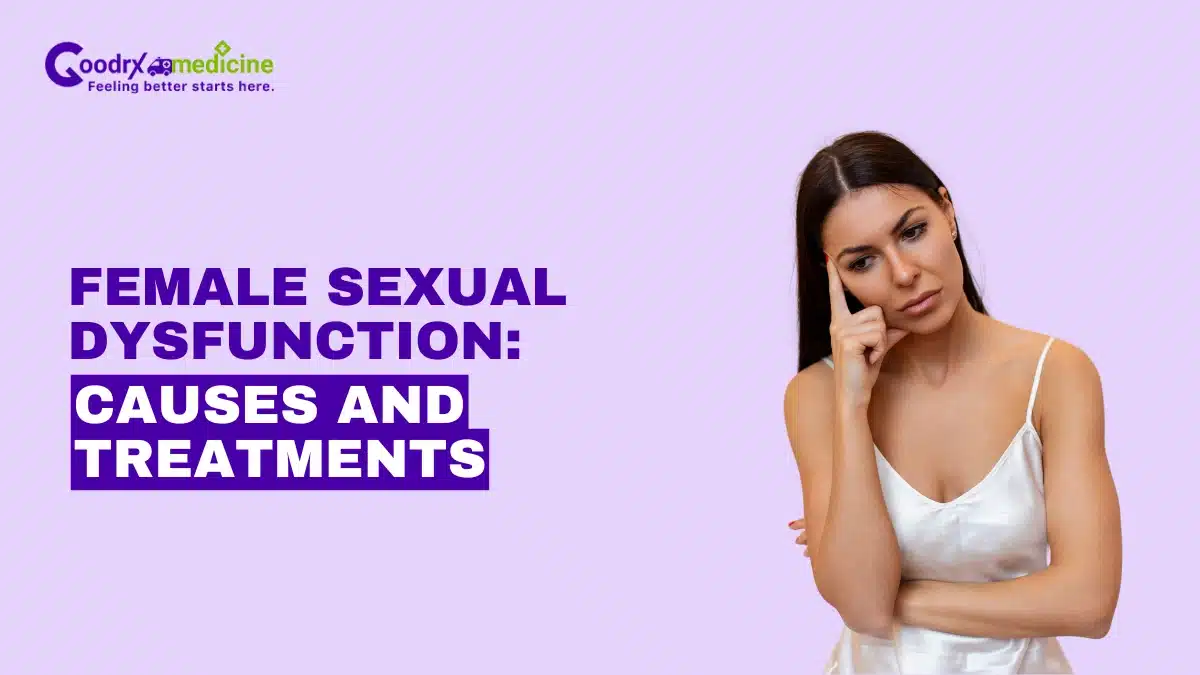
Female Sexual Dysfunction or FSD is a complex condition affecting women’s sexual health and overall well-being. Nearly 43% of women experience some form of sexual dysfunction during their lifetime, ranging from low desire and difficulties with arousal to challenges in reaching orgasm or pain during intimacy.
These issues can affect self-confidence, relationships, and quality of life, yet many women feel hesitant to discuss them openly. The good news is that most causes are treatable once properly identified. Whether the problem stems from physical factors, hormonal changes like Menopause, thyroid imbalances, or medications, or emotional factors such as stress, anxiety, and relationship conflicts, effective solutions exist.
Read on to learn about the different types, what triggers them, and how treatment can help restore sexual satisfaction.
What is Female Sexual Dysfunction?
Female Sexual Dysfunction refers to ongoing problems with sexual response, desire, arousal, or satisfaction that cause personal distress and affect quality of life. This sexual dysfunction is not just about one aspect of intimacy; it includes various challenges that interfere with a woman’s ability to enjoy or participate in sexual activity.
Symptoms vary widely and may include:
- Reduced sexual desire or low libido
- Difficulty becoming physically aroused
- Trouble achieving orgasm
- Pain during sexual activity
The experience differs for each woman, and what feels distressing for one person may not concern another.
Save up to 90% on your medicine bills
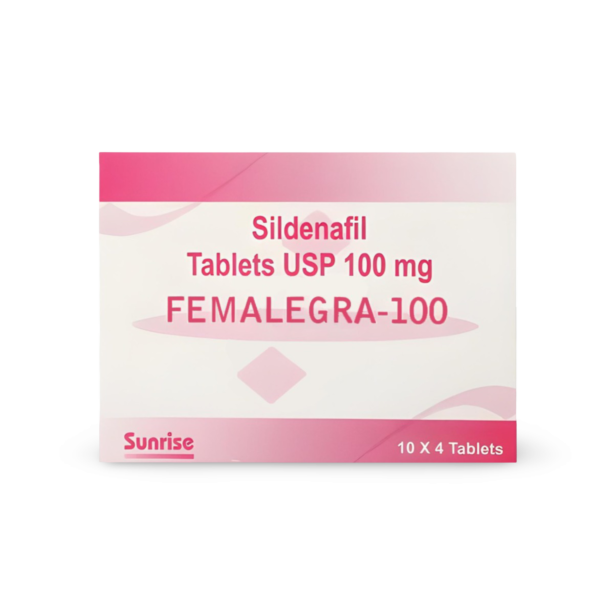
Femalegra 100 mg
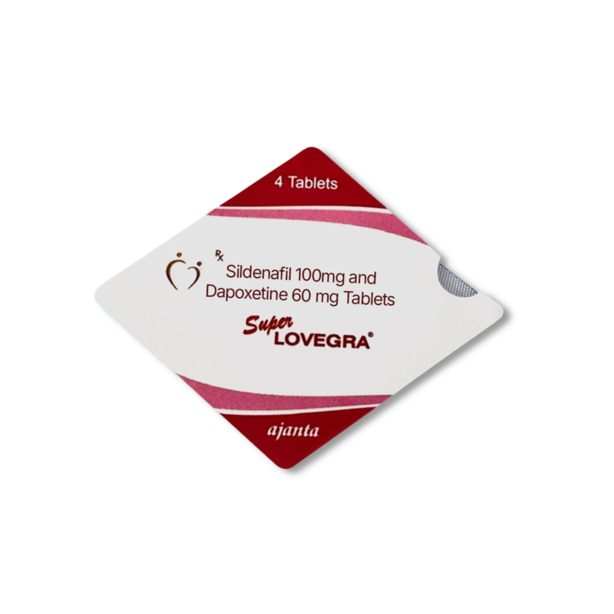
Super Lovegra
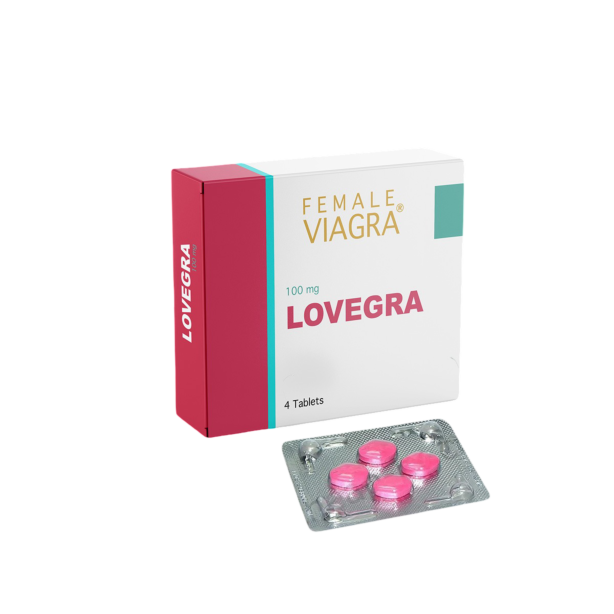
Lovegra 100 mg
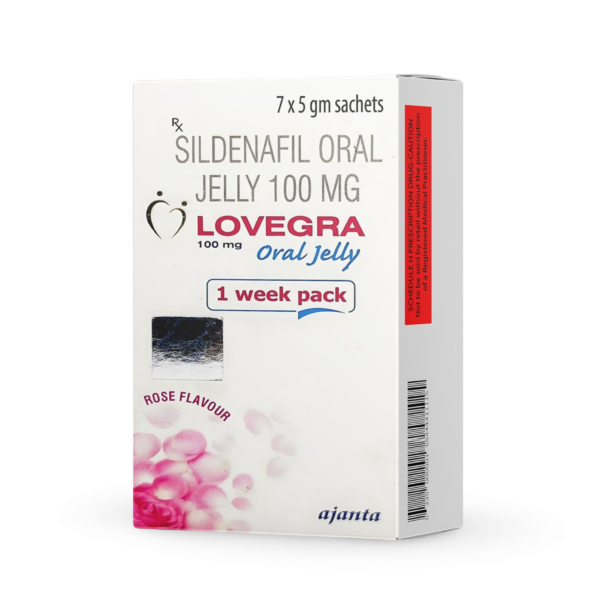
Lovegra Oral Jelly Rx 100 mg
Types of Female Sexual Dysfunction
Sexual dysfunction in women can vary widely. Some affect desire, others affect physical response or orgasm, and some cause pain during intimacy. Understanding the types helps in selecting appropriate strategies and treatments.
Hypoactive Sexual Desire Disorder
This involves consistently low or absent interest in sexual activity. Women with Hypoactive Sexual Desire Disorder experience little to no sexual thoughts, fantasies, or desire for sex, which causes personal distress. It’s the most commonly reported concern among women seeking help for women’s sexual health issues.
Female Arousal Disorder
Women with Female Arousal Disorder cannot maintain adequate physical response during sexual activity, including insufficient vaginal lubrication or lack of genital sensations. The mind may be willing, but the body doesn’t respond as expected, creating frustration and anxiety about intimacy.
Female Orgasmic Disorder
This condition involves consistent difficulty achieving orgasm despite adequate stimulation and arousal. Some women experience delayed orgasm, reduced intensity, or complete inability to climax, even when desire and arousal are present.
Sexual Pain Disorders
Pain during intercourse (Dyspareunia) or involuntary muscle spasms that prevent penetration (Vaginismus) fall into this category. The discomfort can be physical or psychological in origin and often leads to avoidance of sexual activity altogether.
Causes of Female Sexual Dysfunction
The causes of FSD are often multi-factorial, involving physical, emotional, and relational aspects. Women may experience dysfunction due to:
- Hormonal changes: Menopause, pregnancy, or thyroid imbalances can reduce sexual desire.
- Medical conditions: Diabetes, cardiovascular disease, or neurological disorders may affect arousal.
- Medications: Antidepressants, antihypertensives, or hormonal treatments can impact sexual function.
- Psychological factors: Stress, Anxiety, Depression, and past trauma often contribute.
- Relationship dynamics: Poor communication, unresolved conflicts, or lack of intimacy can exacerbate symptoms.
How is Female Sexual Dysfunction diagnosed?
Diagnosing FSD requires a careful look at both physical health and emotional well-being. A multi-step approach ensures treatment targets the root cause, including:
- Medical history review: Evaluating physical health, sexual history, and medications.
- Physical examination: Checking hormonal levels, reproductive health, and pelvic function.
- Psychological assessment: Identifying stress, anxiety, depression, or relationship concerns.
- Specialized tests: Occasionally, imaging or lab tests may be recommended to rule out medical conditions.
Keeping a sexual health diary can help track patterns of desire, arousal, or pain, assisting doctors in diagnosis and treatment planning.
Treatment options for Female Sexual Dysfunction
Effective sexual dysfunction treatment for women combines medical interventions, therapy, and lifestyle modifications. Treatment plans are personalised to each woman’s specific concerns and underlying causes.
Medical treatments
Medical interventions target the physical aspects of sexual dysfunction. Common approaches include:
- Hormone therapy with Estrogen creams or tablets for vaginal dryness and improved tissue health.
- Testosterone therapy for low desire in some instances, particularly postmenopausal women.
- Flibanserin medication approved for low sexual desire in menopausal women.
- Topical Estrogen, vaginal moisturisers, and lubricants for pain-related issues.
- Treatment of underlying medical conditions like Diabetes or thyroid disorders.
- Adjusting current medications that may be causing sexual side effects.
Psychological and behavioral therapies
Addressing the mental and emotional components often leads to significant improvements:
- Cognitive Behavioral Therapy (CBT) is an effective approach for Female Sexual Dysfunction, helping women identify factors affecting intimacy and restructure negative thoughts about sexuality.
- Sex therapy provides education and techniques to enhance sexual experiences.
- Couples counseling improves communication and resolves relationship conflicts.
- Sensate focus exercises rebuild intimacy without pressure to perform.
Home remedies and natural approaches
Several practical home strategies can help improve sexual comfort and satisfaction, including:
- Natural lubricants and moisturisers: Use water-based or silicone-based lubricants during intimacy to reduce vaginal dryness and enhance comfort.
- Aromatherapy: Essential oils like lavender, ylang-ylang, or jasmine may help reduce stress and create a sensual atmosphere when used in diffusers or massage oils.
- Pelvic floor exercises (Kegels): Strengthen pelvic muscles by contracting and relaxing them regularly. This improves blood flow, enhances arousal, and can intensify orgasms.
- Warm baths and relaxation rituals: A warm bath with Epsom salts before intimacy helps ease physical tension and calm anxiety, creating a more relaxed state.
- Mindful breathing exercises: Deep breathing techniques before and during intimacy reduce performance anxiety and help maintain focus on pleasurable sensations.
Proven supplements for sexual health
While supplements should never replace medical treatment, certain supplements may help support sexual function and increase libido when used under medical supervision:
- L-arginine: It may improve blood flow to genital tissues and enhance arousal response.
- Maca root: A traditional herb that may support libido and energy levels.
- Ginseng: It has been shown in some studies to improve arousal and satisfaction.
- Omega-3 fatty acids: They support cardiovascular health and hormone production.
- Dehydroepiandrosterone (DHEA): It is a hormone supplement that may improve vaginal health and arousal in postmenopausal women.
Always consult your healthcare provider before starting any supplement, as they can interact with medications or underlying conditions.
Prevention and maintaining sexual health
Certain proactive strategies can help maintain healthy sexual function, including:
- Regular health screenings: Detect and treat medical conditions early that might affect sexual function later.
- Healthy diet: A balanced diet rich in fruits, vegetables, whole grains, and lean proteins supports energy levels and cardiovascular health.
- Stress management: Techniques such as mindfulness, yoga, therapy, or journaling can reduce psychological barriers to intimacy.
- Open communication: Honest conversations with partners improve intimacy, trust, and mutual understanding of needs.
- Adequate sleep: Chronic fatigue reduces desire and arousal, so prioritising seven to eight hours nightly is essential.
- Regular gynaecological care: Discussing sexual concerns openly with healthcare providers ensures problems are addressed promptly.
When to see a doctor
Seek medical attention if you experience:
- Consistent lack of interest in sexual activity is causing personal distress.
- Difficulty with arousal or orgasm that affects your relationship or self-esteem.
- Pain during sex that doesn’t improve with lubricants.
- Sudden changes in sexual function without a clear explanation
- Sexual concerns affecting your emotional well-being or relationship quality.
Do not wait for symptoms to worsen. Early intervention often leads to better outcomes and faster resolution of concerns.
Conclusion
Female Sexual Dysfunction affects a significant number of women, creating challenges with desire, arousal, orgasm, or comfort during intimacy. The condition stems from various physical, hormonal, psychological, and relationship factors, all of which can be addressed through proper treatment.
Medical options like hormone therapy (Estrogen creams or tablets) and medications, combined with counseling and lifestyle changes, offer effective solutions for most women. Honest communication with doctors and partners plays a vital role in achieving better outcomes.
Sexual health is an important part of overall wellness, and seeking help demonstrates strength and self-care. With the right support and treatment approach, women can overcome these challenges and restore satisfying intimate lives.

Frequently Asked Questions
How does breastfeeding affect female sexual function?
Breastfeeding commonly reduces sexual desire due to elevated prolactin levels, which suppresses estrogen production. Lower estrogen causes vaginal dryness and decreased sensitivity. Physical exhaustion, body image concerns, and emotional focus on the baby also contribute. These changes are temporary, with most women experiencing gradual improvement after weaning or reducing nursing frequency.
Does pornography use affect female sexual response?
Yes, it can affect female sexual response because high or mismatched pornography use may create unrealistic expectations, alter arousal cues, and reduce partner-focused desire. Open communication, agreed boundaries, and couples or sex therapy help realign expectations, rebuild partner intimacy, and improve overall sexual response.
Do vibrators or sex toys help with Female Sexual Dysfunction?
Yes, medical professionals often recommend vibrators and other aids as part of treatment, particularly for arousal and orgasm difficulties. These devices provide consistent stimulation, help women learn what works for their bodies, and can be used alone or with partners. They’re especially beneficial for women with nerve damage or reduced genital sensitivity.
Are sex tracking apps useful for Female Sexual Dysfunction?
Yes, they can be helpful because they let users record desire, arousal, and pain patterns, making discussions with clinicians more precise. Choose reputable apps, protect privacy, and view app data as a starting point, not a diagnosis; always review findings with a healthcare professional.
Can a partner’s sexual problems cause Female Sexual Dysfunction?
Yes, a partner’s sexual problems cause Female Sexual Dysfunction, because a partner’s Erectile Dysfunction, low interest, or performance anxiety reduces intimacy, raises stress, and may lower a woman’s desire or arousal. Joint counseling, clear communication, and coordinated treatment for both partners often improve sexual connection and outcomes.
When referencing outside resources, GoodrxMedicine always provides full citations. To learn more about the measures we use to maintain the quality of our content, please review our Content Information Policy.