


Sexual arousal is a vital aspect of intimacy, pleasure, and general well-being, yet many women are silently dealing with issues that make sexual interactions less satisfying. Although occasional changes in sexual desire or arousal are normal, if feelings of excitement, physical response, or sexual pleasure repeatedly decrease despite a desire for connection, this could be an indication of Female Sexual Arousal Disorder (FSAD).
It can cause decreased sexual satisfaction, emotional distress, and relationship troubles. This common yet sometimes overlooked sexual disorder can affect women of any age and can be triggered by hormonal fluctuations, physical disorders, mental stress, relationship issues, or certain medications. Since sexual health is closely associated with physical and emotional well-being, chronic arousal issues can have an influence on confidence, relationships, and quality of life.
This article will highlight the causative factors, symptoms, and available treatments that can help women seek appropriate support and improve their sexual well-being.
What is Female Sexual Arousal Disorder?
Female Sexual Arousal Disorder is a clinically recognized Female Sexual Dysfunction (FSD) characterized by a persistent or recurring failure to achieve or sustain appropriate sexual arousal despite adequate sexual stimulation, causing personal distress. Women with FSAD could experience reduced genital sensations, inadequate vaginal lubrication, less sexual interest, or difficulties maintaining arousal during sexual engagement.
FSAD is one of the most common yet underdiagnosed types of Female Sexual Dysfunction that can affect women of diverse ethnic origins, socioeconomic backgrounds, sexual orientations, and relationship statuses.
However, FSAD is an older term for ongoing difficulty becoming or staying sexually aroused. In the DSM-5 and DSM-5-TR, it is no longer a separate diagnosis. Instead, it is combined with low sexual desire under Female Sexual Interest/Arousal Disorder (FSIAD).
FSIAD replaces the older diagnoses of FSAD and Hypoactive Sexual Desire Disorder (HSDD) in women. This change was made because research shows that sexual desire and sexual arousal are often closely connected, making them difficult to separate in many women. As a result, both concerns are now combined into a single diagnosis.
Save up to 90% on your medicine bills
What are the patterns of FSIAD?
FSIAD is not a single, uniform condition. It can be classified into the following categories depending on the underlying condition:
- Subjective Sexual Arousal Disorder: The woman has a normal or even sufficient genital response (lubrication, engorgement), but no subjective sensation of sexual excitement or pleasure. The body responds, but the mind does not perceive stimulation. This subtype is closely associated with psychological and attentional aspects.
- Genital Sexual Arousal Disorder: Despite the presence of subjective arousal and desire, there is no or limited genital response. In such a case, a woman could experience inadequate lubrication, decreased swelling of the labia and clitoris, and lessened genital sensation. This subtype is often associated with vascular, hormonal, and neurological factors.
- Combined Genital and Subjective Arousal Disorder: Here, both the genital and subjective components of arousal are missing or significantly reduced. This is the most comprehensive kind and frequently has multiple causes.
What are the symptoms of FSIAD?
Women with FSIAD can have one or more of the following symptoms:
- Difficulty becoming sexually aroused
- Decreased vaginal lubrication
- Lack of genital sensation
- Reduced reaction to sexual stimulation
- Inability to sustain excitement during sexual engagement
- Lowered sexual pleasure
- Avoidance of sexual closeness
- Emotional distress due to sexual activity
To receive a clinical diagnosis under the DSM-5 criteria, a woman must exhibit at least three of the symptoms mentioned above for six months or longer.
What causes FSIAD?
FSIAD is complex and rarely linked to a single cause. It arises from a combination of physical, psychological, and lifestyle factors. Let’s have a look at these causative factors in detail.
Physical factors
The following physical factors can lead to Female Sexual Interest/Arousal Disorder:
- Hormonal changes: Hormonal changes during menopause, perimenopause, postpartum breastfeeding, thyroid disorders, and Hyperprolactinemia (low prolactin levels) can reduce vaginal lubrication, genital blood flow, sensitivity, and sexual desire, contributing to decreased arousal and Female Sexual Dysfunction.
- Underlying medical conditions: Chronic conditions such as Diabetes, heart disease, Obesity, Chronic Kidney Disease (CKD), Multiple Sclerosis, and pelvic floor disorders can affect hormones, nerves, blood flow, and genital function, reducing sexual desire, arousal, lubrication, sensitivity, and overall sexual satisfaction in women.
- Medications: Several medications, including antidepressants, antihypertensives, antihistamines, antipsychotics, chemotherapy agents, and hormonal contraceptives, can contribute to FSIAD by altering hormones, reducing blood flow, decreasing lubrication, lowering libido, and impairing sexual arousal and responsiveness.
Psychological factors
Mental health significantly influences sexual arousal. Psychological and emotional factors such as chronic stress, Anxiety, Depression, low self-esteem, body image concerns, past sexual trauma, and relationship conflicts can significantly contribute to FSIAD.
These factors interfere with emotional well-being, intimacy, and the brain’s natural sexual response, leading to reduced desire, impaired arousal, and decreased sexual satisfaction.
Lifestyle factors
The following unhealthy living habits can significantly reduce female sexual responsiveness:
- Smoking: Smoking damages blood arteries and reduces vaginal blood flow, which lowers arousal and sensitivity.
- Alcohol: Excessive alcohol consumption disrupts hormone balance and suppresses nervous system function, reducing sexual response.
- Recreational substance usage: This can change brain chemistry, lowering sexual attraction and pleasure. Lack of exercise: Regular exercise improves circulation, energy levels, and stamina, all of which enhance arousal.
- Inadequate sleep: Poor sleep impacts hormone control, increases exhaustion, and reduces mood, all of which reduce sexual desire and response.
How is FSIAD diagnosed?
Diagnosis of FSIAD usually involves a comprehensive evaluation by a healthcare provider, often including:
- Medical history: The doctor examines a woman’s sexual experiences, physical problems, medicines, and mental health history to determine what variables could be contributing to sexual arousal issues.
- Physical examination: A pelvic examination can help discover physical reasons for FSIAD, such as vaginal dryness, infections, tissue changes, pelvic floor difficulties, or other abnormalities that affect sexual function.
- Laboratory tests: Blood tests measure hormone levels, such as estrogen and testosterone, as well as thyroid function and sugar levels in the blood, all of which can affect sexual arousal and general health.
- Psychological assessment: A mental health examination can assist in discovering emotional factors, including stress, Anxiety, Depression, previous trauma, or relationship issues that can interfere with sexual arousal and satisfaction.
What treatments are available for FSIAD?
Treatment of FSIAD depends on the underlying cause and often involves a combination of approaches. These include psychotherapy, sex therapy and hormonal treatments.
Let’s look more closely at these treatment approaches.
Psychotherapy and sex therapy
Psychosexual therapy with a skilled sex therapist is an essential component of treatment, especially when psychological issues are present. Approaches include:
- Cognitive Behavioral Therapy (CBT): CBT identifies and restructures negative mindsets and opinions regarding sex and arousal. In a recent article published in the Journal of Minimally Invasive Gynecology in 2026, it is mentioned that CBT improves desire, arousal, and orgasm (DAO) dysfunctions without pain in females.
- Mindfulness-based therapy: Mindfulness improves present-moment awareness during intimacy, reducing distractions and enhancing emotional connection, arousal, and sexual pleasure response.
- Couples therapy: Couples therapy improves communication, resolves conflicts, and strengthens emotional intimacy, supporting better sexual understanding and mutual satisfaction.
- Sensate focus therapy: Sensate focus therapy helps manage FSIAD by encouraging couples to engage in non-sexual, pressure-free touch exercises. It reduces performance anxiety, improves emotional intimacy, enhances body awareness, and gradually rebuilds sexual desire and arousal through guided, mindful physical connection.
Hormonal treatments
The following hormonal treatments can help manage sexual arousal difficulties, especially when linked to hormonal imbalance or vaginal tissue changes:
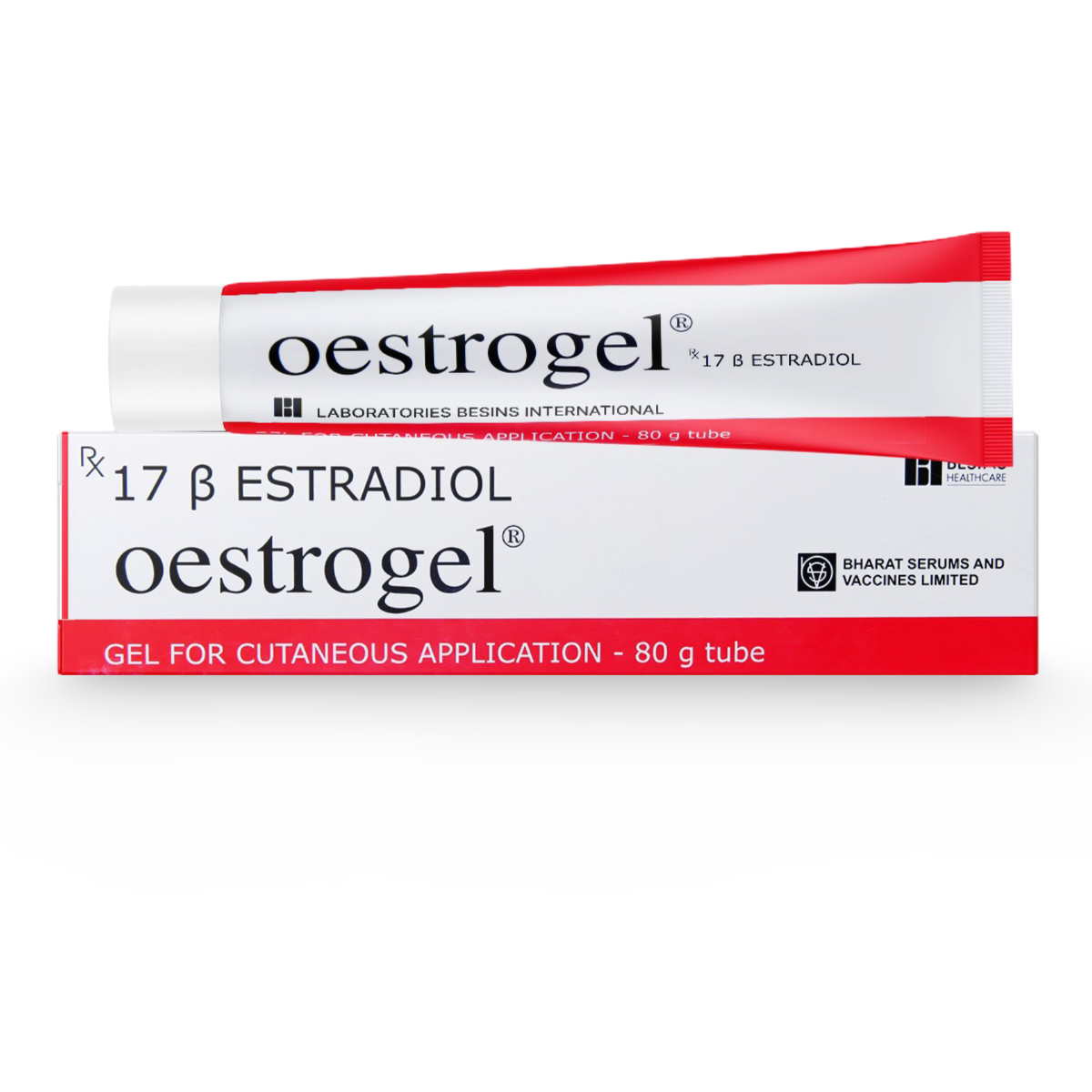
- Local (vaginal) estrogen: Local estrogen creams, rings, or pills promote vaginal tissue health, improve lubrication, and increase comfort while minimizing systemic hormone absorption.
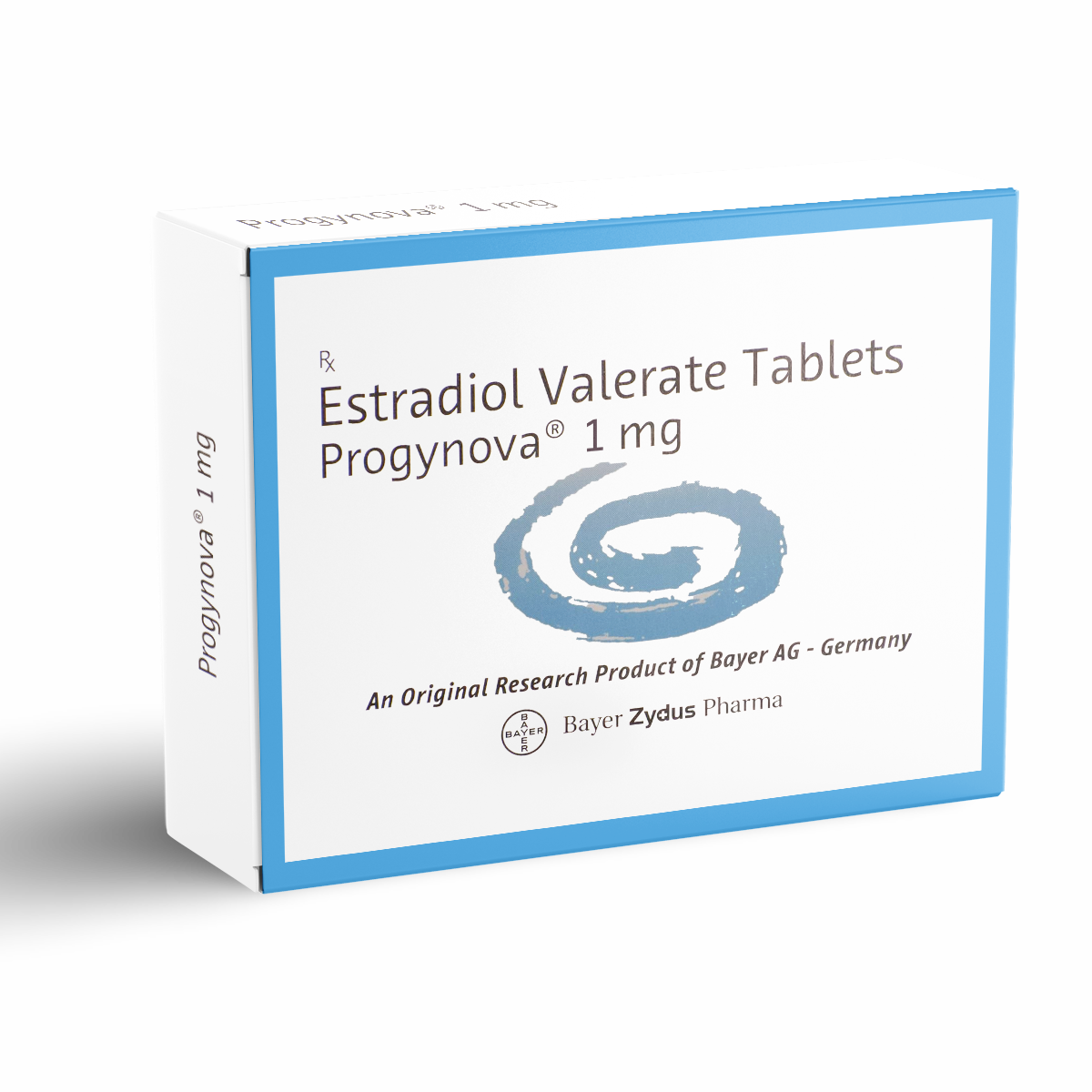
- Systemic Hormone Replacement Therapy (HRT): Systemic HRT helps perimenopausal or menopausal women by balancing hormones, improving vaginal health, mood, and overall sexual arousal response.
- Testosterone therapy: Low-dose testosterone therapy, often used off-label, could improve sexual desire and arousal in postmenopausal women with persistent Sexual Dysfunction symptoms.
Non-hormonal medical options
Non-hormonal treatments for FSD mainly target desire and arousal pathways or genital blood flow and are used selectively under medical supervision. These include:
- Flibanserin (Addyi): Flibanserin is FDA-approved for Hypoactive Sexual Desire Disorder for certain premenopausal women with low sexual desire, which often co-occurs with FSIAD. It acts centrally on serotonin and dopamine receptors, boosting desire. However, there is limited direct evidence that it specifically improves arousal.
- Bremelanotide (Vyleesi): Bremelanotide is a melanocortin receptor agonist that is injected before sexual activity in premenopausal women. It works by activating melanocortin-4 receptors in the hypothalamus of the brain. This boosts excitatory neurotransmitters like dopamine, enhancing sexual desire and arousal when used as needed before sexual activity.
- EROS clitoral therapy device (EROS-CTD): EROS-CTD is an FDA-approved vacuum device that efficiently enhances clitoral blood flow and engorgement while also enhancing sensitivity, arousal, and orgasmic response.
Lifestyle changes
Healthy lifestyle changes can improve sexual health by balancing hormones, boosting blood circulation, increasing energy levels, and enhancing overall emotional well-being. These include:
- Engage in regular physical activity to improve blood flow, mood, and hormone balance, which supports increased sexual desire and arousal response.
- Manage stress through mindfulness and yoga to reduce cortisol levels, thus helping the body relax and improving mental focus during intimacy.
- Get proper sleep to restore energy, regulate hormones, and boost mood, all of which promote good sexual function.
- Quit smoking to improve blood circulation and oxygen availability to genital tissues, thereby increasing sexual sensitivity and responsiveness.
- Limit alcohol consumption to prevent hormonal disturbance and nervous system suppression, which can lower sexual arousal.
- Maintain a healthy body weight to promote hormone balance, improve circulation, and increase confidence and sexual health.
When to see a doctor?
While occasional changes in sexual arousal are common, persistent difficulties that affect your well-being or relationships should not be ignored. Obtaining appropriate medical care can help detect underlying problems and keep symptoms from worsening. Get immediate medical
assistance if:
- Arousal difficulties persist for several months
- Symptoms cause emotional distress
- Sexual problems affect relationships
- Vaginal dryness becomes severe
- Pain occurs during intercourse
Early detection and intervention can assist in identifying treatable causes, improving sexual health, enhancing quality of life, and promoting healthier intimate relationships.

Conclusion
Female Sexual Arousal Disorder is more than just a lack of arousal during sexual activity; it is a complex disorder that can cause emotional distress, lack of genital sensation, and decreased vaginal lubrication. Conditions such as menopause, low testosterone, diabetes, thyroid disorders, and certain medications can directly interfere with the body’s natural arousal mechanisms, leading to FSIAD.
It occurs in four distinct patterns; subjective, genital, and combined, each requiring targeted evaluation. Since FSIAD is frequently caused by several overlapping factors, a proper diagnosis necessitates a comprehensive medical, psychological, and sexual health examination rather than self-diagnosis.
The good news is that targeted treatments, ranging from hormone-based therapies and psychosexual counseling to lifestyle modifications and specialized medical devices, can effectively address underlying causes and help many women regain sexual satisfaction, confidence, and relationship well-being.
Frequently Asked Questions
Is Female Sexual Interest/Arousal Disorder (FSIAD) the same as Low Libido?
No, FSIAD and Low Libido are not the same. Low Libido refers to reduced sexual desire, whereas FSIAD involves difficulty achieving or maintaining sexual arousal. However, both conditions can occur together and could influence each other in some women.
Can Female Sexual Interest/Arousal Disorder (FSIAD) be temporary?
Yes, FSIAD can be temporary. Some women experience temporary arousal difficulties related to life circumstances, hormonal fluctuations, stress, or other short-term factors that may improve over time.
Can women with FSIAD still enjoy intimacy?
Yes, women with FSIAD still enjoy intimacy. Intimacy involves emotional connection, affection, communication, and physical closeness. Many women with FSIAD continue to enjoy intimate relationships despite arousal challenges.
Can Female Sexual Interest/Arousal Disorder affect fertility?
No, Female Sexual Interest/Arousal Disorder does not directly affect fertility. However, reduced arousal and sexual satisfaction due to the condition could decrease the frequency of sexual activity, which can indirectly influence conception efforts.
What are the 4 stages of female arousal?
The four stages of female sexual arousal are excitement (interest in sexual activity), plateau (prepares the body for orgasm), orgasm (intense pleasurable release of sexual tension), and resolution (the body’s return to its normal resting state after sexual activity).
Citations
GoodRxMedicine only refers to credible, authoritative sources for our content. If you're curious about how we ensure the integrity of our content, we encourage you to read our Content Information Policy.
Average rating 4.8 / 5
How useful was this post?
Click on a star to rate it!
Gina Walters is the diet and lifestyle writer at Goodrxmedicine.com. She holds a level 6 diploma in natural nutrition and lifestyle and is an ardent preacher of veganism. A fitness enthusiast by heart, Gina’s passion for fitness follows into her personal life too.
Learn MoreDr. James Mitchell is a board-certified physician with 18+ years of clinical experience in Sexual Medicine and Reproductive Health. He helps patients navigate intimate health concerns through medically sound guidance and compassionate, patient-centered care.
Learn More