



The short answer is yes, Tadalafil does lower blood pressure (BP) as a side effect. This is due to its vasodilatory action. It refers to the process of relaxation and widening of blood vessels. In most healthy men, the drop is mild and temporary.
However, its blood pressure-lowering effect gets amplified when combined with certain medications like nitrates or riociguat. This can lead to dizziness or fainting.
Thus, if you have heart conditions and are taking Tadalafil for Erectile Dysfunction (ED), you need to be cautious of its effects. Additionally, if you are managing Pulmonary Arterial Hypertension (PAH) with Tadalafil, knowing how it interacts with your cardiovascular system is essential for your safety.
Through this blog, you will understand the mechanism of Tadalafil in lowering blood pressure and the duration of its effects. You will also learn safety considerations to prevent adverse effects, as well as warning signs that require evaluation by a medical professional.
Can Tadalafil lower blood pressure?
Yes, Tadalafil can mildly lower blood pressure. It is, however, not its intended use, but, in fact, a side effect. As a Phosphodiesterase Type-5 (PDE5) inhibitor, it blocks the PDE5 enzyme. This increases Nitric Oxide levels in blood vessels. Due to this,
- Blood vessels widen
- Smooth muscles relax
- Blood flows more easily
This mechanism of action improves penile blood flow in males with Erectile Dysfunction and pulmonary circulation in patients with PAH. In addition, Tadalafil helps relieve Lower Urinary Tract Symptoms (LUTS) associated with Benign Prostatic Hyperplasia by relaxing bladder and prostate muscles.
However, the same effect also causes mild systemic vasodilation, lowering systolic and diastolic pressure. Thus, it is being researched for its antihypertensive (blood pressure-lowering) effect.
Save up to 90% on your medicine bills
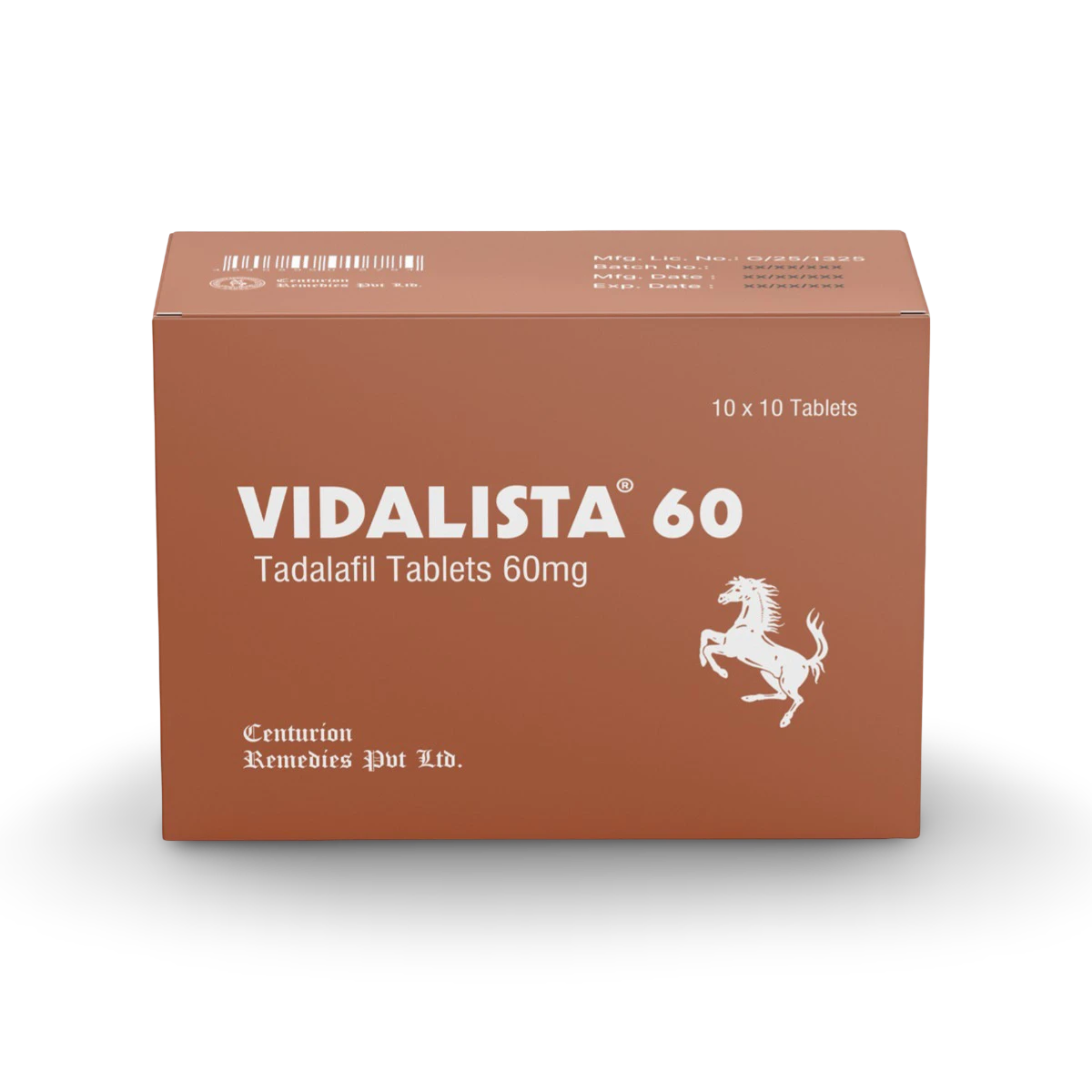
Vidalista 60 mg
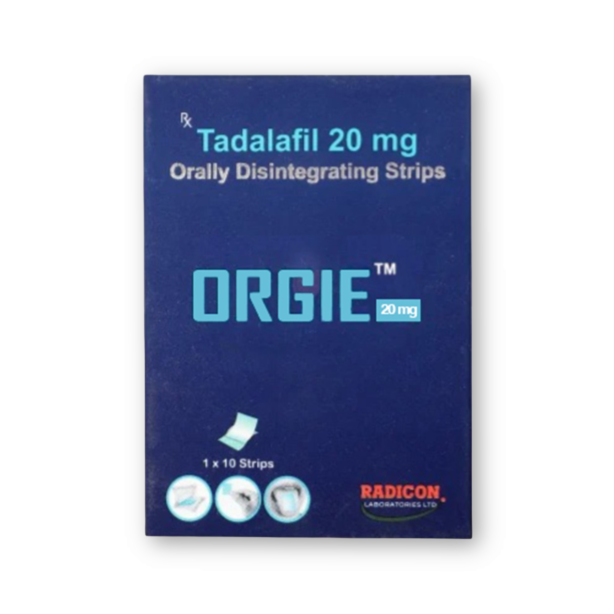
Orgie 20 mg Oral Strips
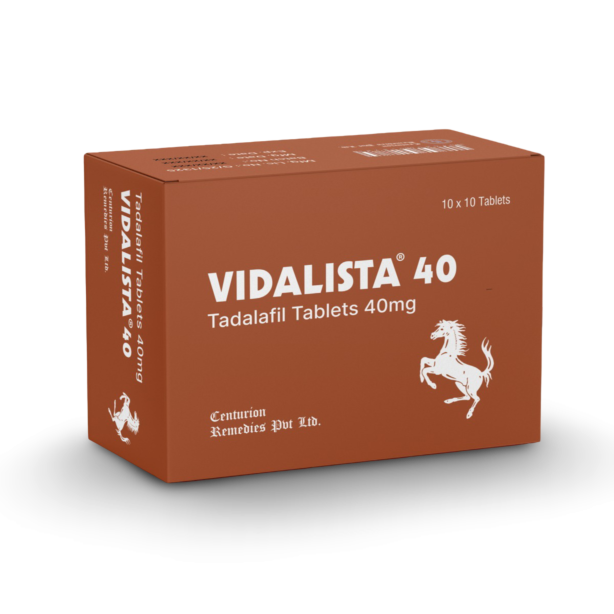
Vidalista 40 mg

Cenforce 100 mg
How much does Tadalafil lower blood pressure?
The reduction in blood pressure with Tadalafil varies depending on the dose, your baseline blood pressure, hydration status, and other BP medications you take, if any. According to pooled clinical data, the estimated average reductions in systolic BP are 2-8 mm Hg and in diastolic BP are 1-5 mm Hg. This effect on diastolic BP typically lasts 12 hours, but the decrease in pressure remains small thereafter.
Most blood pressure changes occur within the first few doses, particularly 2 to 4 hours after administration. This is when Tadalafil reaches peak concentration in the bloodstream.
According to the American Heart Association categorization and clinical studies:
- In individuals with Stage 1 High Blood Pressure (130/80 mm Hg or higher), this modest drop is typically well tolerated under medical supervision.
- With normal blood pressure (120/80 mm Hg), a reduction of 5 to 8 mm Hg is usually mild and does not cause much discomfort.
- However, if your baseline blood pressure is already low (at or below 90/60 mm Hg), even a small additional reduction may lead to dizziness, lightheadedness, or fainting.
This is why Tadalafil is considered safe in treated hypertensive patients with ED, but must be avoided in people with Hypotension or Low Blood Pressure.
Safety considerations while taking Tadalafil
Tadalafil can slightly lower blood pressure, which is well-tolerated by most people. However, if you take antihypertensives or have conditions that affect blood pressure control, this drop can be severe. You should thus be aware of the following safety considerations when using Tadalafil for ED or BPH.
Contraindicated medications
Review all existing medicines or supplements with your doctor before the first dose.
- Inform them about all heart and BP pills you take, including Amlodipine, ACE inhibitors, ARBs, beta-blockers, or diuretics.
- Do not use it if you take nitrates for chest pain, such as nitroglycerin or isosorbide
- Avoid it if you use riociguat for pulmonary circulation.
- Discuss the use of HIV medications, strong antifungals or antibiotics alongside Tadalafil.
If you are unsure whether a medication you take interacts with Tadalafil, consult your healthcare provider before taking any pill.
Health conditions that need caution
Proper screening and review of your complete medical history can reduce the risk of symptomatic Hypotension. Before beginning Tadalafil,
- Discuss if you have a history of fainting or Low Blood Pressure.
- Inform them if you are prone to dehydration or sensitive to blood vessel relaxation.
- Use extra caution if you have Diabetes with autonomic neuropathy affecting blood pressure control.
- Avoid it if you have unstable Angina or uncontrolled heart disease
- Avoid it if you recently had a heart attack or Stroke without medical clearance.
- Do not take Tadalafil if you have a known allergy to it.
How to reduce the risk of Hypotension with Tadalafil?
Mild dizziness due to a drop in blood pressure during the first week is common as your body adjusts to the medication. However, to lower the risk of Low Blood Pressure, you must:
- Start with the lowest effective dose (5 mg or 10 mg).
- Take Tadalafil exactly as prescribed by your physician.
- Do not take more than one dose in 24 hours.
- Stay hydrated and avoid excessive caffeine, especially if you take diuretics.
- Stand up slowly from sitting or lying positions to prevent dizziness.
If you also take antihypertensives, your doctor may review the timing or dose more carefully to reduce additive blood pressure-lowering effects.
When to see a doctor while taking Tadalafil?
While Tadalafil is generally well tolerated, you should seek medical care immediately if you experience:
- Fainting or loss of consciousness
- Severe or persistent dizziness
- Chest pain during or after sexual activity
- Sudden shortness of breath
- Persistent Low Blood Pressure
- Hearing issues or ringing in the ears
Sudden vision changes or painless vision loss require urgent evaluation, as rare cases of Non-Arteritic Anterior Ischemic Optic Neuropathy (NAION) have been reported with PDE5 inhibitors such as Tadalafil.
Conclusion
So, does Tadalafil lower blood pressure? Yes, it lowers blood pressure slightly by relaxing blood vessels and improving blood flow. In most healthy individuals, this BP drop is mild (2-4 mm Hg) and does not cause any problems. Thus, it can be used safely by men with controlled High Blood Pressure and no underlying heart conditions.
It is currently prescribed for BP management in patients with Pulmonary Arterial Hypertension. But recent studies suggest that a daily 5 mg dose is safe and effective for small, consistent reductions in BP in men with controlled Hypertension. However, Tadalafil is still being studied for such use.
The risk of fainting, dizziness and lightheadedness increases when Tadalafil is combined with nitrates, riociguat, or antihypertensives. Make sure to inform your physician of all underlying conditions and existing medications before use. If you experience chest pain or vision changes while taking Tadalafil, seek prompt medical care.

Frequently Asked Questions
Can a diabetic patient take Tadalafil?
Yes, diabetic patients can take Tadalafil safely under medical supervision. A small dose (5 mg daily) has proven to safely improve peripheral blood flow and Erectile Dysfunction in men with Type 2 Diabetes. However, blood pressure, kidney function, and existing medications should be reviewed before use.
Can I take Tadalafil if I have Low Blood Pressure?
No, ideally you should not take Tadalafil if you have Low Blood Pressure (90/60 mm Hg), as it can lower it further. This may increase the risk of dizziness or fainting. You should consult your doctor before using any PDE5 inhibitors.
Can I take Amlodipine and Tadalafil together?
Yes, Tadalafil and Amlodipine may be taken together under medical supervision. Studies show the combination is generally well tolerated in hypertensive patients. Monitoring for dizziness or lightheadedness is recommended, especially in the early days of starting Tadalafil.
Can Tadalafil affect heart rate?
No, Tadalafil does not directly affect the heart rate in most healthy individuals. However, when blood pressure drops, some people may feel lightheaded. In such cases, the body may briefly increase heart rate to compensate for the lower pressure. This change in heart rate is mild and temporary.
Is Tadalafil good for your heart?
Yes, recent research suggests that Tadalafil offers beneficial cardiovascular effects in men with ED, even though it is not yet approved for such use. A 2025 review found it to be associated with reduced cardiovascular mortality, improved endothelial function (how well blood vessels relax and respond), and lowered risk of Dementia.
When referencing outside resources, GoodrxMedicine always provides full citations. To learn more about the measures we use to maintain the quality of our content, please review our Content Information Policy.
More Articles Like This

Eroxon vs Viagra: Comparing Erectile Dysfunction Treatments

Male Sex Hormone: Types, Functions, and Effects on Health

Everything About Testosterone Replacement Therapy for Women