






Tadalafil is an FDA-approved Phosphodiesterase Type 5 (PDE5) inhibitor that treats Erectile Dysfunction (ED), a sexual condition impacting 322 million men globally. Beyond ED, it is also used to relieve urinary symptoms of Benign Prostatic Hyperplasia (BPH) and to treat Pulmonary Arterial Hypertension (PAH).
After helping treat these conditions, 36% of Tadalafil is cleared from the body through the kidneys. This often raises a question about its impact on kidney function and whether it can cause harm. Tadalafil is generally considered safe in this regard and can even help protect against renal (kidney) injury. However, caution is advised in individuals with severe impairment.
This article outlines Tadalafil’s effects on the kidney and key considerations for patients with existing kidney disease. Further, we will discuss its safe use and cases in which you would require medical consultation for safety.
What are the Tadalafil effects on kidneys?
Tadalafil, a prescription-only pill, generally has no harmful effect on kidney function in men with normal renal function when taken as prescribed. In fact, early preclinical studies in septic (infected) rats even suggest it may have renoprotective (kidney-protecting) effects.
However, caution is needed in men with kidney impairment. Although Tadalafil is primarily metabolized by the liver, reduced renal function can still impact Tadalafil’s clearance from the body. As a result, dose adjustments could be needed based on the severity of the condition.
Save up to 90% on your medicine bills
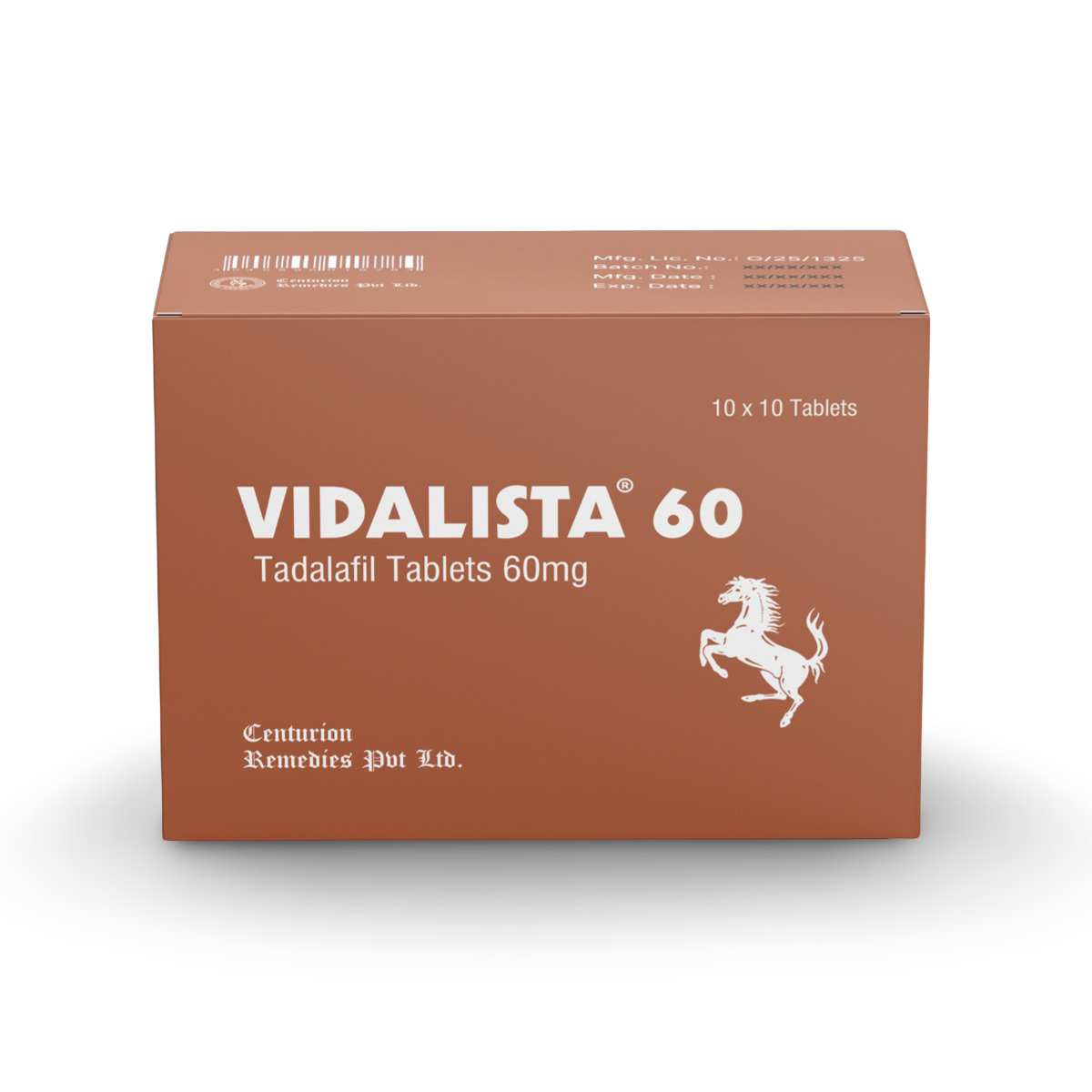
Vidalista 60 mg
Starting at just $0.91 per tabletBuy Now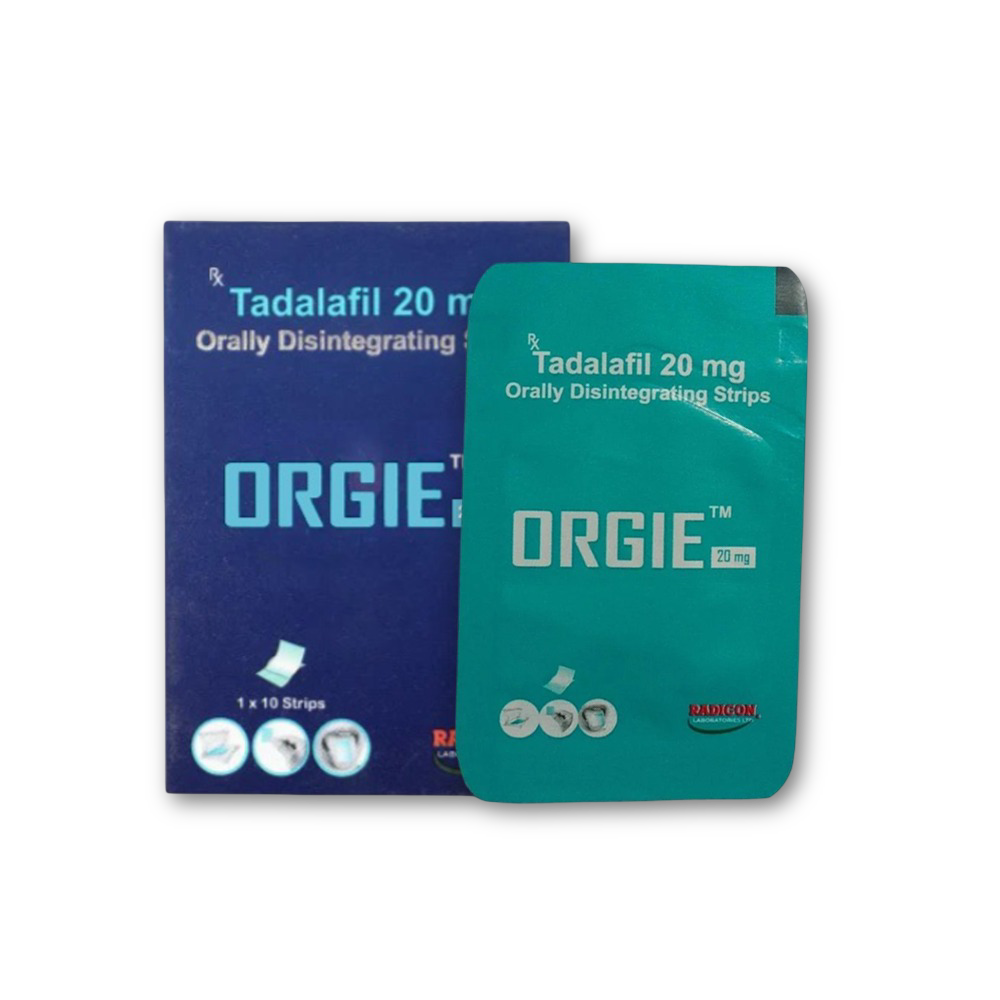
Orgie 20 Mg Tadalafil Oral Strips
Starting at just $1.67 per stripBuy Now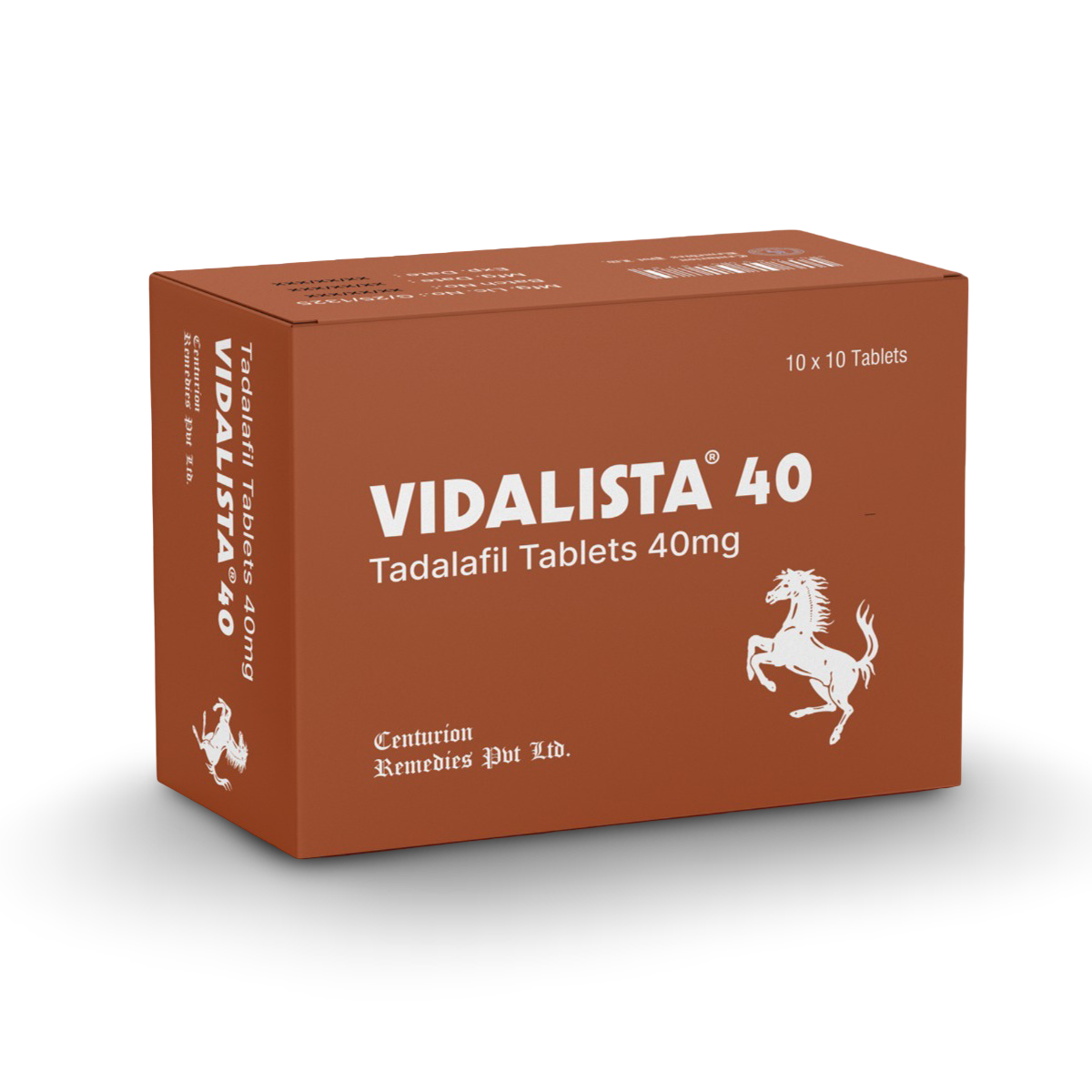
Vidalista 40 mg
Starting at just $0.85 per tabletBuy Now
Cenforce 100 mg
Starting at just $0.65 per tabletBuy NowPositive effects of Tadalafil on the kidneys are as follows:
- Lowers inflammation: In septic rats, Tadalafil has been shown to help with kidney injury, especially those arising from infection or Chronic Kidney Disease (CKD), by reducing inflammation and improving blood flow by preventing the breakdown of cyclic Guanosine Monophosphate (cGMP) molecules.
- Reduced fibrosis: This ED pill is shown to help prevent scarring of kidney filters and reduce fibrosis (accumulation of excess scar tissue in the kidneys) in rats with CKD.
- Urological benefit: Tadalafil can improve urinary flow in men with BPH. By relaxing smooth muscles, it helps the bladder empty more easily. This can indirectly support kidney function by reducing urinary back-pressure, which, in severe or untreated BPH, can worsen renal function over time.
What to keep in mind when using Tadalafil with kidney issues
It is safe to use Tadalafil with mild to moderate kidney issues. For severe cases, it is used with extreme caution under a doctor’s supervision. Therefore, keep the following considerations in mind while using Tadalafil with existing kidney conditions:
- Slower Tadalafil removal: Creatinine Clearance (CrCl) indicates how well your kidneys are filtering waste products. A healthy CrCl level is 107–139 mL/min for men. If it’s low, it indicates your kidneys aren’t filtering effectively. As a result, Tadalafil can stay in your bloodstream longer, causing drug accumulation.
- Dosage adjustment: No dose adjustment is usually required for mild cases. For patients with moderate renal impairment (CrCl 30-50 mL/min), a dose adjustment may be required. Moreover, for severe cases (CrCl below 30 mL/min or on hemodialysis), the as-needed dose should not exceed 5 mg every 72 hours. Daily use is not recommended.
- Limitations with dialysis: Although a study reported that 5 mg of Tadalafil twice a week effectively treated ED in men with end-stage renal disease undergoing hemodialysis, this procedure does not remove Tadalafil from the body. This means the medication will remain in the system even after a dialysis session, leading to accumulation.
- Increased risk of side effects: Tadalafil accumulation in the body can increase the risk of side effects, such as nasal congestion, flushing, muscle aches, and headaches. In rare cases, Tadalafil can cause severe side effects like chest pain, vision loss, and Priapism (a painful erection lasting for 4 hours or more).
Advice for safe Tadalafil use
There are key points you must keep in mind when using Tadalafil, whether you have healthy kidneys or underlying kidney conditions. This is to ensure safe administration with reduce occurence of any major health issues:
- Consultation required: Patients with kidney disease should always consult a doctor before using Tadalafil to manage ED, BPH, or PAH. Moreover, stick to your doctor’s prescription and avoid self-dose adjustments.
- Monitor kidney function: If you are taking Tadalafil and have kidney issues, make sure to visit the doctor frequently and monitor kidney function for any adverse reactions.
- Contraindication: Do not take Tadalafil with nitrates, alpha-blockers, other PDE5 inhibitors, or alcohol, as this may cause a dangerous drop in blood pressure. Also, avoid grapefruit juice and certain antibiotics (Erythromycin) or antifungals (Ketoconazole), which can raise Tadalafil levels and increase side effects. Tadalafil is also contraindicated in men with hypersensitivity to PDE5 inhibitors, unstable Angina (chest pain), Low Blood Pressure, or a recent heart attack or Stroke.
- Maintain hydration: In addition to oral treatment, drink plenty of water every day to support kidney and overall body function. Adequate hydration supports kidney filtration and maintains blood pressure.
When to seek medical advice
While Tadalafil is safe for the kidneys when taken as directed, certain situations will require immediate medical care. Therefore, seek a doctor’s consultation if you observe:
- Significant reduction in urine output.
- Changes in urine color (bloody or dark).
- Swelling in the legs, ankles, or feet.
- Persistent fatigue, nausea, and vomiting.
Conclusion
Tadalafil is an FDA-approved oral medication used to treat ED, BPH, and PAH. Tadalafil effects on the kidneys are generally not harmful when used exactly as prescribed. In fact, it can show kidney-protective effects in animal research, including reduced inflammation and fibrosis, as well as urinary benefits in men with BPH.
However, in men with kidney issues, dose adjustments are generally required because slower clearance can cause the medication to stay longer in the body and raise the risk of side effects like headache and flushing. Also, caution is needed as hemodialysis doesn’t remove Tadalafil from the body. Also, a daily dose is avoided in advanced cases.
Furthermore, the safe use of Tadalafil depends on medical consultation, regular kidney monitoring, and avoiding potentially harmful combinations, such as nitrates, alcohol, and grapefruit juice. Seek medical consultation if you observe a change in urine color, swelling in the feet, or persistent fatigue and nausea.

Frequently Asked Questions
Can CKD cause Erectile Dysfunction?
Yes, CKD can cause Erectile Dysfunction through hormonal imbalance, damaging the inner walls of blood vessels, and other vascular (blood vessel-related) issues. Moreover, it affects nerve function through Uremia, a condition characterized by excessive waste buildup in the body due to kidney failure.
Can Tadalafil affect creatinine levels?
No, Tadalafil can’t affect creatinine levels. No clinical data suggest a significant increase or decrease in creatinine levels or kidney toxicity in patients with normal renal function. It is an ED pill that only influences blood flow into the penis.
Is Tadalafil hard on your kidneys?
No, Tadalafil is not hard on your kidneys when used at the recommended dosage. It shows no nephrotoxicity; however, your doctor can make dose adjustments in severe or moderate kidney impairment. This is due to the slow clearance of waste products from the body. Clinical data have reported no direct harm.
How can I make my kidneys stronger again?
You can make your kidneys stronger by following a low-sodium plant-based diet. Moreover, drink plenty of water, engage in 150 minutes of exercise weekly, quit smoking, and consult a doctor to control High Blood Pressure and Diabetes.
Does Tadalafil help pass kidney stones?
Yes, Tadalafil can help pass kidney stones by relaxing the smooth muscles of the urethra through its PDE5 inhibition activity. Some studies have shown its effectiveness to be higher than Tamsulosin, available as Urimax 0.4 mg, in removing kidney stones within a shorter duration of time. CitationNIHPMC

Julian Carter is a highly accomplished MBA graduate in Pharmaceutical Management, celebrated for his extensive experience and exceptional skills in the pharmaceutical industry. With a wealth of knowledge and expertise, Julian is a valuable contributor to the field and a trusted voice in pharmaceutical management.
As a contributing writer for Goodrxmedicine.com, Julian is committed to educating and empowering individuals to make informed decisions about their health. His passion for the industry is evident in his work, and his dedication to improving the lives of others through education and empowerment is truly remarkable.
With a reputation for excellence and a track record of success, Julian Carter is a respected and admired figure in pharmaceutical management. His insights and contributions to the field are highly valued, and her expertise has helped shape the direction of the industry for the better.
Through his work as a contributing writer for Goodrxmedicine.com and beyond, Julian continues to make a meaningful impact in the lives of many. His commitment to excellence and dedication to improving the health of individuals and communities around the world make him an inspiration to others in the field.