




A strong sex drive is often seen as a sign of good health and vitality. However, when sexual desire becomes unusually intense or feels difficult to manage, this condition is called high libido in men. In this state, desire feels stronger than what’s typical or manageable on a personal level. This threshold varies for everyone.
High libido in men can happen for many reasons, from hormone changes and lifestyle habits to mental health conditions or medical issues. Some men feel more confident, while others struggle with constant distracting thoughts that affect daily life. It becomes concerning when heightened desire causes stress, relationship conflicts, or disrupts normal functioning.
This article explains what triggers these changes, how to recognize warning signs, and practical ways to manage elevated desire effectively, so read on.
Signs of high libido
Sexual desire naturally varies from person to person, but certain patterns can indicate when high libido goes beyond healthy levels. These signs show up in different areas of life, from daily behaviors and emotional well-being to physical sensations. Understanding these indicators helps you determine whether your sex drive needs attention or professional support.
Behavioral patterns
Your actions and daily habits often reveal when sexual desire starts interfering with normal functioning.
- Spending too much time looking at sexual content which cuts into work and friendships.
- Feeling constantly distracted by sexual thoughts during important tasks.
- Taking sexual risks despite bad outcomes.
- Having trouble controlling urges, making impulsive choices.
Emotional and relationship impact
How you feel and interact with your partner can show whether your sex drive is causing problems.
- Your partner feels pressured or overwhelmed.
- You get irritable when sexual needs aren’t met.
- Feeling unsatisfied no matter how often sex happens.
- Experiencing shame or guilt about your level of interest.
Physical indicators
Your body sends signals when sexual desire becomes excessive or challenging to manage, such as:
- Feeling restless and unable to focus on non-sexual activities.
- Physical discomfort from being aroused frequently.
- Trouble sleeping when sexual thoughts interfere with relaxing.
Save up to 90% on your medicine bills
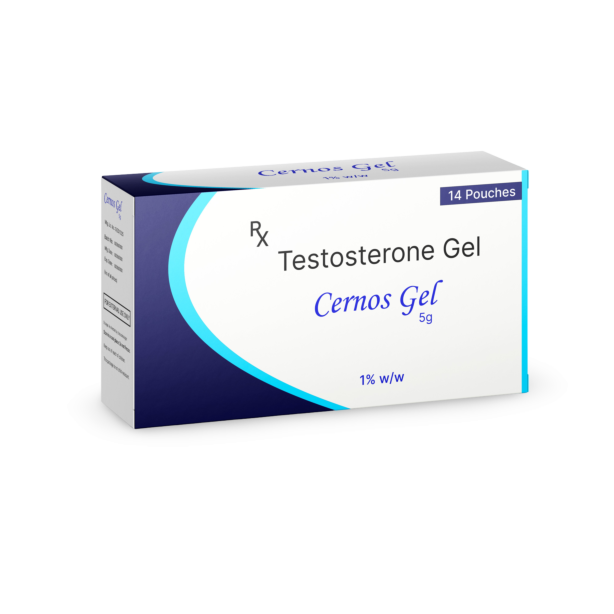
Cernos Gel 1% w/w
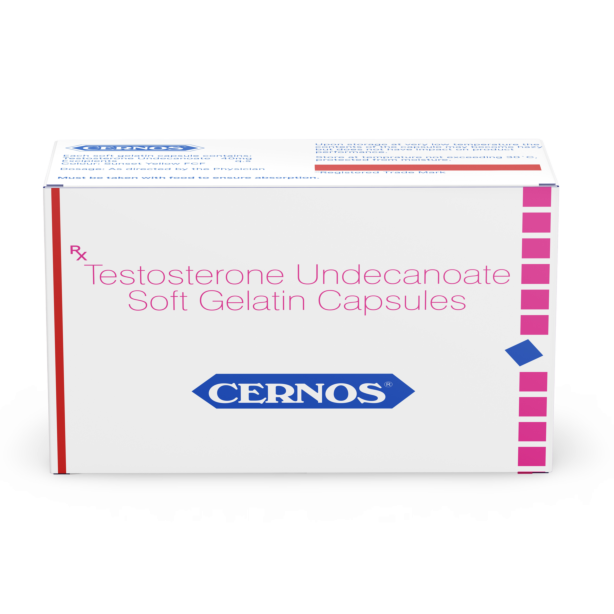
Cernos 40 mg Soft Gelatin Capsule
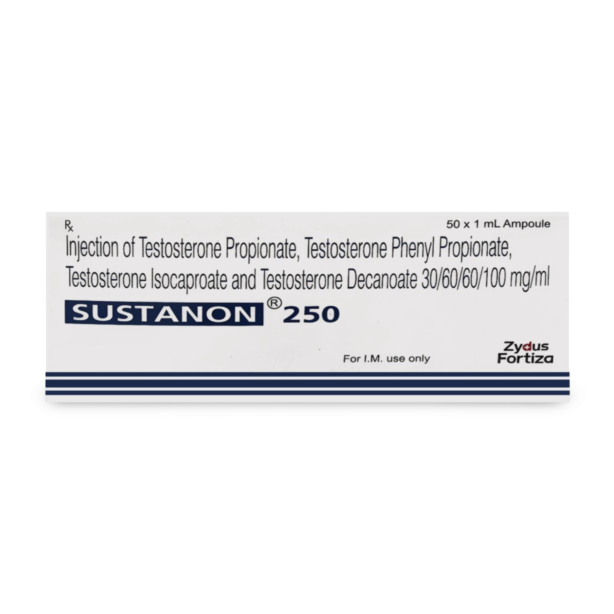
Sustanon 250 Injection
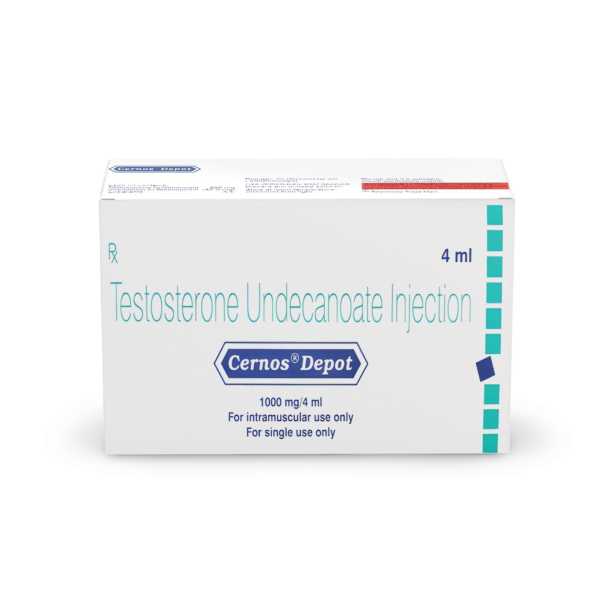
Cernos Depot 1000 mg Injection
Causes of high libido in men
Increased sexual desire can stem from various sources. Some causes reflect positive health changes and natural body responses, while others may signal medical conditions or hormonal imbalances that need attention.
Hormonal factors
Hormones play a central role in regulating sexual desire. Changes in hormone levels can significantly impact libido:
- Higher testosterone levels naturally increase sexual desire and interest.
- Increased dopamine production drives motivation and pleasure responses.
- Elevated thyroid hormones speed up metabolism, boosting energy and sex drive.
- Testosterone Replacement Therapy raises hormone levels through medical treatment.
Mental, emotional health and mood
Mental and emotional well-being directly influences sexual desire. Higher libido often occurs when men:
- Feel happy and confident in life.
- Experience less stress and more relaxation.
- Start a new relationship, often called the ‘honeymoon phase’.
- Have a strong emotional bond with their partner.
On the other hand, some mental health conditions, like Bipolar Disorder or Mania, can lead to very high sexual urges. During manic phases, individuals may experience increased sexual desire. Mood changes might cause sudden shifts, like a high sex drive all of a sudden.
Medications and health conditions
Specific health issues and prescribed treatments can significantly impact libido, both increasing and decreasing sexual desire. Here are some key factors to consider:
- Hyperthyroidism (overactive thyroid) can raise sex drive.
- Dopamine agonists like Pramipexole and Ropinirole, prescribed for Parkinson’s disease and certain hormonal disorders, can enhance libido by stimulating dopamine receptors in the brain.
- Stimulant medications like Methylphenidate, used for ADHD, may increase sexual interest by boosting dopamine and norepinephrine activity.
- Some antidepressants that affect dopamine pathways, particularly Bupropion, may boost sex drive in some people.
Lifestyle and physical health
These factors represent healthy, natural ways the body responds to positive changes. A higher sex drive from lifestyle improvements is generally a good sign:
- Regular physical activity: Exercise, especially weight lifting, naturally increases testosterone production and improves overall vitality.
- Quality sleep: Getting 7 to 9 hours consistently allows proper hormone regulation and energy restoration.
- Strong cardiovascular health: Good heart function improves blood circulation throughout the body, supporting sexual function.
- Nutritious diet: Eating zinc-rich foods like oysters, nuts, and seeds, along with balanced meals, supports natural hormone production.
- Reducing harmful substances: Quitting smoking and limiting alcohol consumption often leads to increased libido as the body recovers.
- Healthy weight management: Maintaining appropriate body weight helps optimize testosterone levels, as Obesity significantly reduces both total testosterone (all testosterone in the blood) and free testosterone (the active form the body uses).
When high libido results from these lifestyle factors, it typically indicates improved overall health rather than a problem requiring treatment.
Benefits of a high libido
Having a high sex drive can bring several positive effects when managed well. Men may experience stronger intimacy with their partner, improved self-esteem, and better physical health.
Strong sexual desire in men can lead to:
- Stronger emotional connections in relationships
- Better mood and reduced stress from the release of endorphins
- Improved circulation and cardiovascular health
- Higher confidence and satisfaction in personal life
These benefits show that a naturally high sex drive can be essential to overall well-being when balanced properly.
When does high libido become a concern?
Excessive libido in men becomes a real problem when it regularly gets in the way of responsibilities, relationships, or personal well-being. Not everyone with a strong sex drive needs treatment, but specific patterns suggest professional help may be required.
Warning signs include:
- Feeling unable to control sexual thoughts or behaviors despite trying.
- Sexual drive interfering with work, social life, or daily responsibilities
- Engaging in risky sexual behaviors that could cause physical or emotional harm.
- Feeling significant distress or guilt about sexual urges
- Your personal relationships are suffering because of sexual preoccupation or behavior.
When sexual thoughts or actions become obsessive or feel impossible to manage, this may indicate Compulsive Sexual Behavior Disorder or Hypersexuality. Studies estimate this condition affects approximately 3 to 6% of the adult population and often requires professional support to manage effectively.
How to manage a high sex drive
Managing high libido requires recognizing what drives your sexual appetite and making informed choices that support both sexual health and overall well-being. The goal isn’t to eliminate desire but to bring it into balance with other life priorities. Addressing high libido may require trying several strategies, from lifestyle adjustments and open communication to professional support when needed.
Lifestyle changes
Simple daily habits make a real difference in balancing hormones and controlling sexual urges naturally.
- Regular exercise helps balance hormones naturally, with activities like weight lifting supporting testosterone production while cardio releases built-up physical tension.
- Getting 7 to 9 hours of quality sleep each night allows proper hormone regulation, as testosterone production peaks during sleep.
- Eating whole foods with healthy fats and lean protein provides the building blocks for hormone synthesis and helps maintain stable blood sugar levels.
- Practicing stress-reducing activities like mindfulness, meditation, or engaging hobbies lowers cortisol levels, which can suppress testosterone when chronically elevated.
- Cutting down on alcohol and avoiding recreational drugs helps maintain hormonal balance, as these substances can disrupt dopamine pathways and decrease testosterone production.
Communication strategies
Talking openly with your partner prevents misunderstandings and builds stronger emotional connections beyond physical intimacy.
- Have honest talks with your partner about wants and boundaries.
- Build emotional closeness through shared experiences.
- Consider couples therapy if different desire levels keep causing problems.
Professional support
Medical experts provide targeted solutions when lifestyle changes and communication aren’t enough to manage a high libido.
- Medical testing: Doctors can check testosterone, thyroid function, and other hormones through blood tests to identify hormonal imbalances.
- Therapy: Cognitive Behavioral Therapy helps identify triggers and develop healthier coping strategies.
- Specialized treatment: Programs address the underlying psychological reasons behind compulsive behavior.
- Medication adjustments: Doctors can change doses or switch medicines if current medications affect libido.
Conclusion
High libido in men comes from complex interactions between hormones, lifestyle choices, mental health, and physical wellness. While stronger sexual desire often shows vitality, it becomes a problem when it causes stress or relationship troubles.
Recognizing what drives sexual appetite, from testosterone levels and libido connections to psychological triggers, helps determine if desire is in a healthy range. Causes of high libido in men span from medication side effects to mental health conditions.
Managing it well means adjusting lifestyle habits, talking openly with partners, and getting professional help when needed. Dealing with elevated desire early prevents long-term problems and supports balanced sexual health.

Frequently Asked Questions
Does dehydration impact testosterone and sexual function?
Yes, dehydration can lower testosterone by raising stress hormones in your body. When you don’t drink enough water, your body produces more cortisol, which blocks testosterone production. Staying well-hydrated helps maintain healthy hormone levels naturally.
Does watching too much pornography cause a permanently high libido?
No, pornography does not cause a permanently high libido. Frequent viewing can temporarily increase sexual urges by affecting brain chemistry, but these changes reverse when you reduce consumption. Your brain naturally rebalances over time, so the effects are not permanent.
Can certain foods really boost my sex drive significantly?
Yes, certain foods can help increase sex drive over time. Zinc-rich foods like oysters and pumpkin seeds support testosterone production, while foods containing nutrients like magnesium and B vitamins improve libido naturally. However, these foods are not miraculous or instant fixes.
Will my high sex drive decrease naturally as I get older?
Yes, sex drive typically decreases with age because testosterone levels drop about 1% yearly after age 30. However, staying active, eating well, and getting enough sleep can help maintain healthy libido levels as you get older.
Is it normal for my sex drive to be higher in the morning?
Yes, it is normal to feel more aroused in the morning. Testosterone levels naturally peak after sleep, which increases sexual desire when you wake up. This daily hormone cycle is a healthy part of male sexual function.
When referencing outside resources, GoodrxMedicine always provides full citations. To learn more about the measures we use to maintain the quality of our content, please review our Content Information Policy.
More Articles Like This

Hungry After Sex: Why Does It Happen and How to Deal With It

Does Viagra Show Up on a Drug Test: How to Detect It?

What Happens if You Take Viagra and Fall Asleep? Safety and Risks