




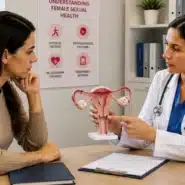

Polyendocrine Metabolic Ovarian Syndrome (PMOS), formerly known as Polycystic Ovary Syndrome (PCOS), can affect several aspects of a woman’s reproductive health. For many women, one of the biggest concerns is whether the condition can make it harder to become pregnant. PMOS can disrupt normal ovulation, leading to irregular or missed periods and making it tough to predict the fertile window.
However, fertility problems linked to PMOS are not the same for everyone. Some women may conceive without much difficulty, while others may need medical support depending on their symptoms and overall health.
Additionally, factors such as age, period cycle regularity and body weight can also influence fertility. This article explains the link between PMOS and infertility, including how one affects the other, diagnosis and available management options.
How does PMOS affect fertility in women?
PMOS can affect fertility by disturbing the hormones involved in egg development and ovulation. Women with PMOS may ovulate irregularly or not ovulate at all, reducing the number of opportunities for natural conception. High androgen (male sex hormones) and insulin levels can further interfere with normal ovarian function.
Save up to 90% on your medicine bills
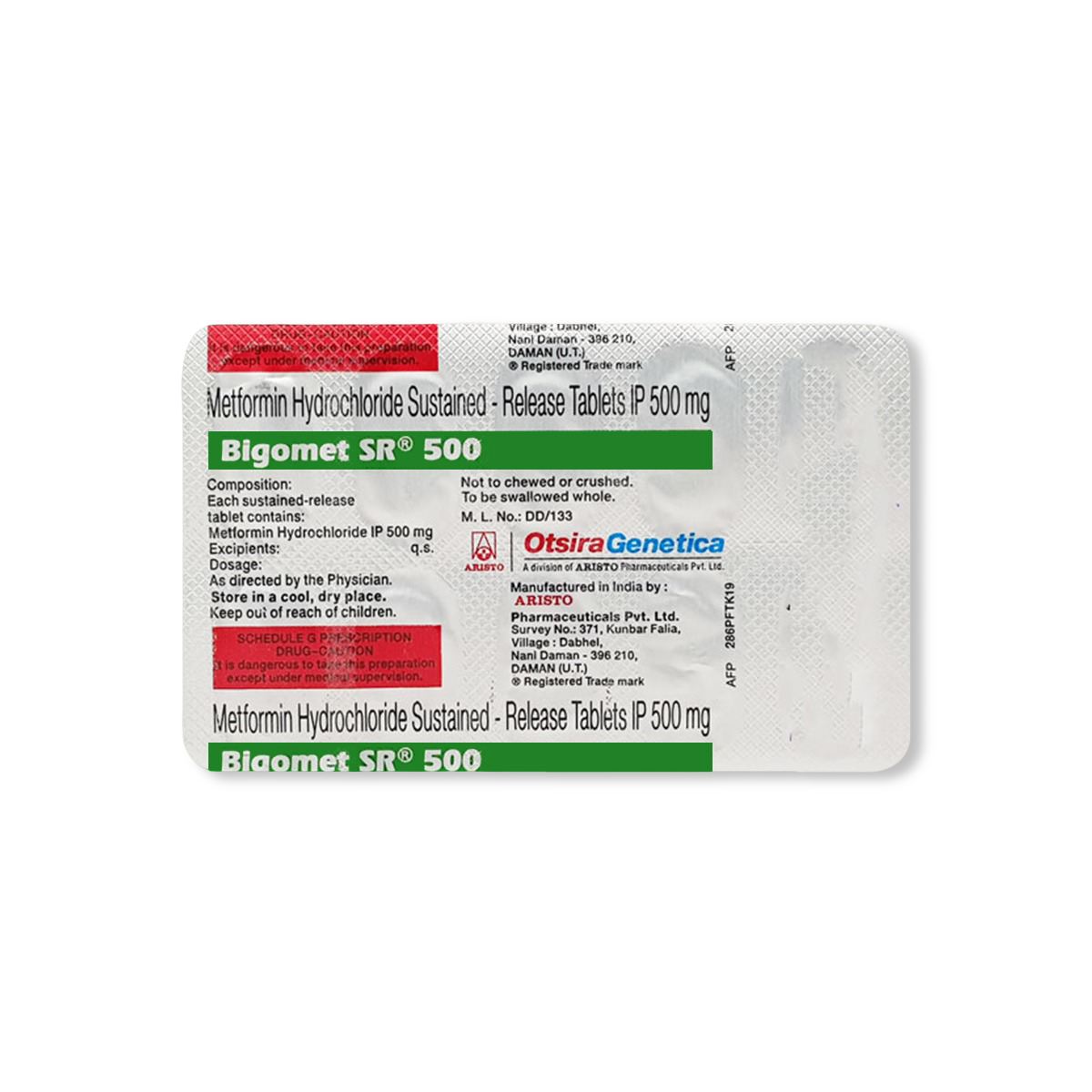
Bigomet 500 Mg Tablet
Starting at just $0.15 per tabletBuy Now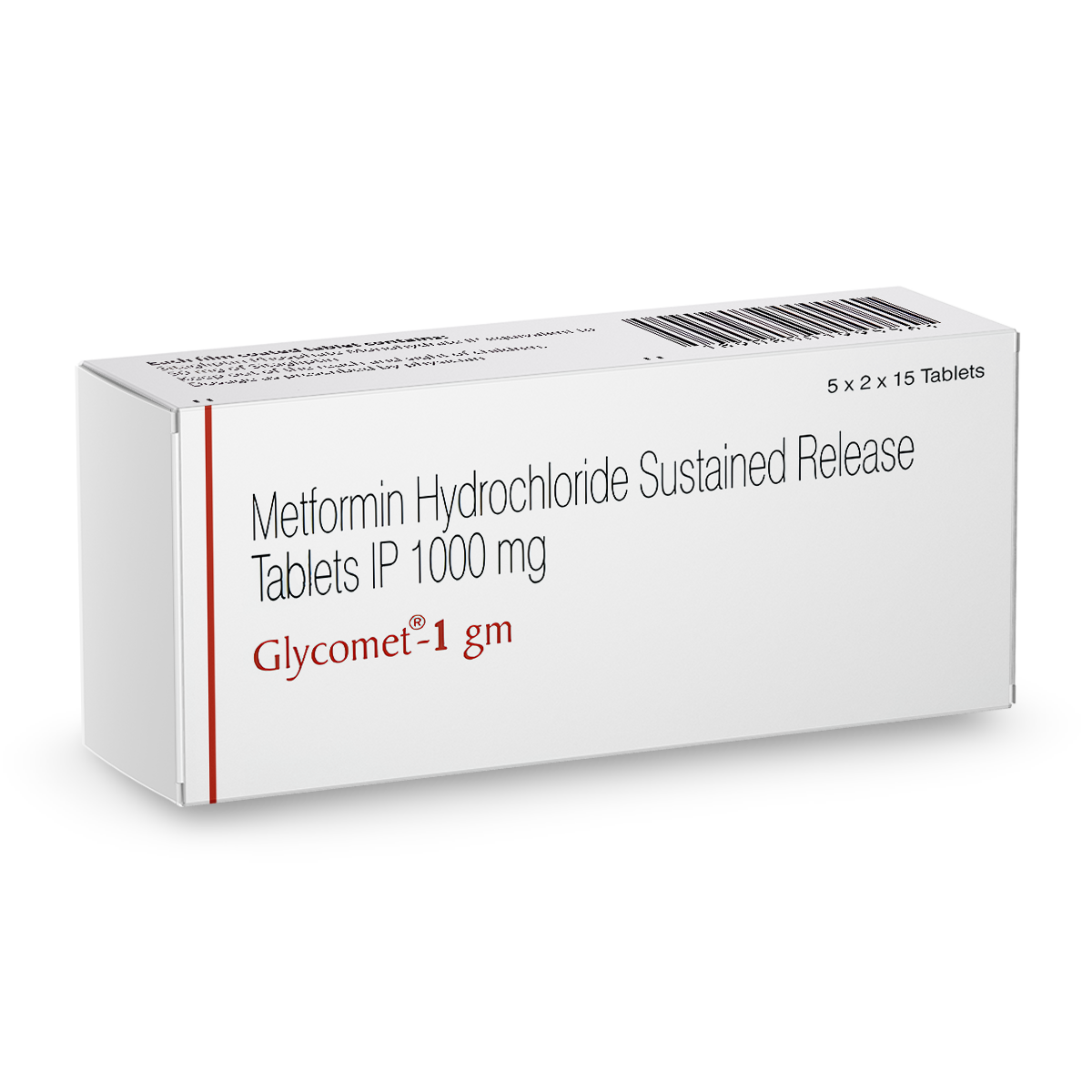
Glycomet 1000 mg
Starting at just $0.18 per tabletBuy Now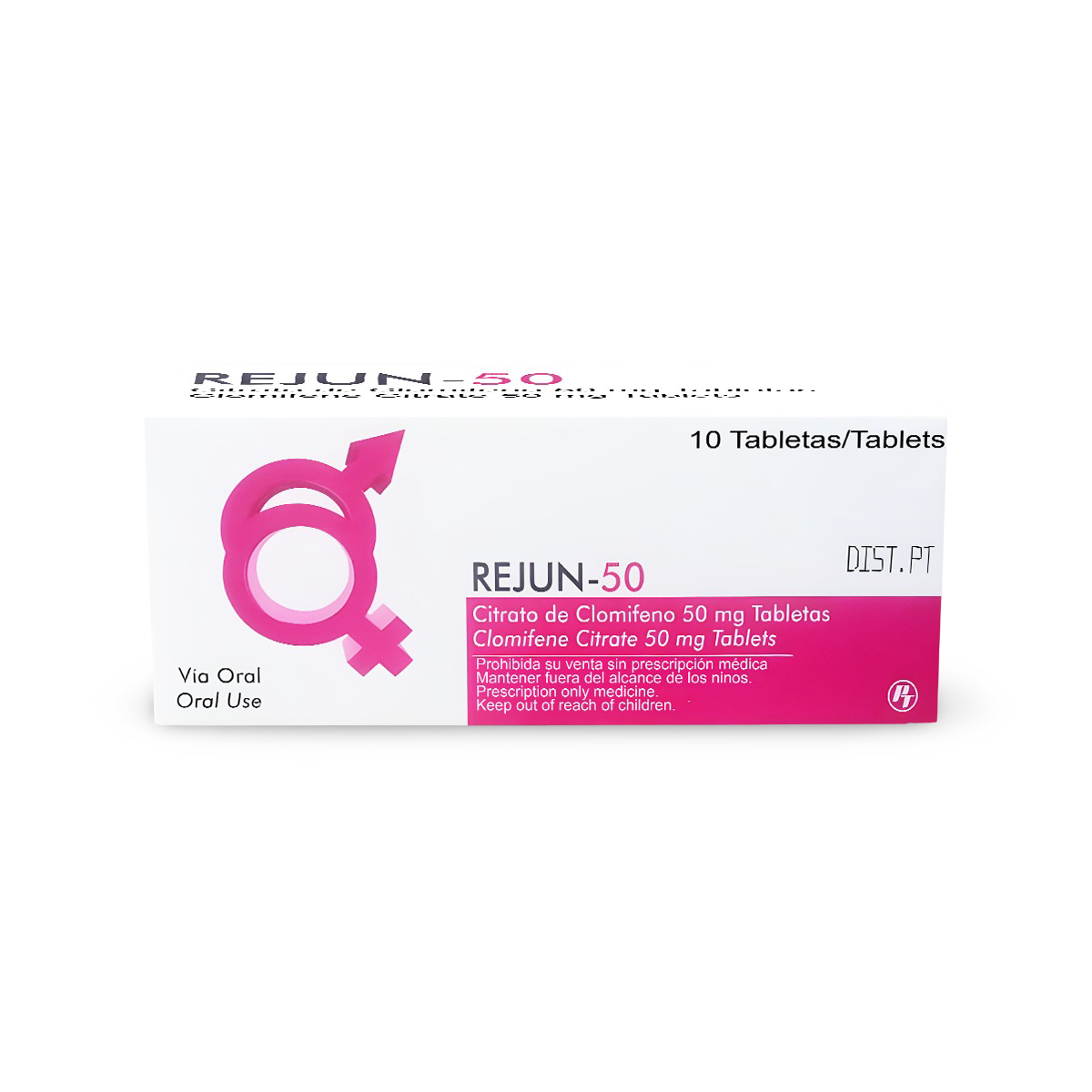
Rejun 50 Tablet

Neuherbs Organic Ashwagandha Powder - 100Gm
Lets look into how PMOS affects fertility in detail.
Irregular or absent ovulation
During a regular menstrual cycle, one ovarian follicle usually matures and releases an egg. In women with PMOS, hormonal imbalances can prevent follicles from maturing fully, leaving several small, underdeveloped follicles in the ovaries.
This can cause infrequent ovulation, known as oligo-ovulation, or no ovulation, known as anovulation. Without regular egg release, there are fewer opportunities for fertilization, making natural conception more difficult.
High androgen levels
Women naturally produce small amounts of androgens, including testosterone. However, PMOS can cause androgen levels to rise above normal.
Excess androgens interfere with follicle growth and the ovaries’ response to reproductive hormones. This can prevent eggs from maturing and being released, leading to irregular, delayed, or missed periods.
Insulin resistance
Insulin resistance and infertility can disturb the hormonal signals needed for regular ovulation in women with PMOS. When the body does not respond properly to insulin, the pancreas produces more of it, causing insulin levels to rise.
High insulin levels stimulate the ovaries to generate more androgens and reduce sex hormone-binding globulin production in the liver. This increases active testosterone levels, further disrupting follicle development and ovulation. Insulin resistance and androgen excess can therefore create a cycle that worsens menstrual and fertility problems.
Can women get pregnant with PMOS?
Yes, women with PMOS can get pregnant. While conception can become more difficult due to the availability of eggs for fertilization, PMOS does not automatically cause infertility. Some women conceive naturally, while others need medical support to restore ovulation or improve their chances.
The chances of pregnancy depend on factors like age, menstrual regularity, insulin resistance, body weight, egg quality, and other fertility concerns. Therefore, there is no single pregnancy rate that applies to everyone with PMOS.
PMOS can also increase the likelihood of complications such as Gestational Diabetes (Diabetes in pregnancy), High Blood Pressure, Preeclampsia, Miscarriage, Preterm Birth, and C-section delivery. However, these complications do not occur in every pregnancy. Many women with PMOS conceive successfully and have healthy pregnancies with preconception care, early prenatal appointments, and appropriate monitoring.
How to treat PMOS-related infertility
Treatment for PMOS-related infertility focuses on improving ovulation, managing hormonal and metabolic imbalances, and increasing the chances of conception. The most suitable treatment depends on factors like age, menstrual regularity, insulin resistance and response to previous treatments.
Lifestyle changes
Lifestyle changes or modifications are often the first step in managing PMOS-related infertility. They can help improve insulin sensitivity, support hormonal balance, and promote more regular ovulation.
- Balanced diet: Choose whole grains, vegetables, fruits, lean proteins, and healthy fats to help with stable blood sugar and insulin levels.
- Regular exercise: Physical activity can provide better insulin sensitivity, support weight management, and help regulate ovulation. Aim for at least 150 minutes of moderate-intensity activity each week.
- Weight management: For women who are overweight, gradual weight loss of around 5% to 10% can improve menstrual regularity and increase the likelihood of ovulation.
- Adequate sleep: Consistent, good-quality sleep of around 7-9 hours supports hormonal and metabolic health.
- Stress management: Yoga, meditation, counseling, and relaxation techniques may help manage emotional stress during fertility treatment.
- Cycle tracking: Recording period dates, symptoms, and possible signs of ovulation may help identify menstrual patterns and the fertile window.
Medicines
Medicines can be prescribed when lifestyle changes alone do not restore ovulation or result in pregnancy. They include:
- Letrozole or clomiphene: These medicines stimulate the ovaries to develop and release an egg.
- Metformin: Metformin improves insulin sensitivity and can support menstrual regularity and ovulation, particularly in women with insulin resistance.
- Gonadotrophins: These injectable hormones stimulate follicle development when oral medicines are ineffective.
Ultrasound scans and hormone tests are often used during treatment to monitor follicle growth and reduce the risk of multiple pregnancy.
Advanced medical procedures
If lifestyle changes and ovulation medicines do not lead to pregnancy, a fertility specialist can recommend additional treatment. These options are also considered when other concerns, such as blocked fallopian tubes or age-related fertility decline, are present.
- Intrauterine insemination (IUI): IUI places prepared sperm directly into the uterus around ovulation. This shortens the distance sperm must travel and can improve the chance of fertilization.
- Ovarian drilling: In this surgical procedure, small areas of the ovaries are treated through laparoscopic surgery to reduce androgen production. It can help restore ovulation in selected women who have not responded to ovulation medicines.
- In vitro fertilization (IVF): With IVF, the ovaries are stimulated to develop eggs, which are collected and fertilized with sperm in a laboratory. A healthy embryo is then transferred into the uterus.
Note that ultrasound scans and hormone tests help track follicle development, confirm the ovarian response, and determine the right time for intercourse, IUI, or egg collection.
When to see a doctor
Consult a gynecologist or fertility specialist if PMOS is affecting your menstrual cycles or ability to conceive. Seek medical advice if:
- Your periods are more than 35 days apart, highly unpredictable, or have stopped completely.
- You have been diagnosed with PMOS and want a safe preconception and fertility treatment plan.
- You are 35 or older and have not conceived after 6 months of constant unprotected intercourse.
- You cannot identify a clear ovulation pattern after tracking your cycles for several months.
- You are under 35 and have not conceived after 12 months, or sooner if your periods are irregular or absent.

Conclusion
PMOS and infertility are closely related, as the hormonal condition can make conception more difficult by disrupting ovulation, increasing androgen levels, and worsening insulin resistance. These changes can prevent eggs from developing and being released properly, making conception more difficult.
However, it does not mean that pregnancy is impossible. Some women conceive naturally, while others benefit from lifestyle changes, medicines like Clomiphene that support ovulation, or fertility treatments such as IUI or IVF. Maintaining a healthy lifestyle, tracking menstrual cycles, and seeking timely medical guidance can improve the chances of conception.
Women with PMOS may need extra monitoring during pregnancy because of a higher risk of complications such as Gestational Diabetes and High Blood Pressure. Early diagnosis, regular cycle tracking, and timely medical care can improve the chances of conception. With the right treatment and support, many women with PMOS can become pregnant and have a healthy pregnancy.
Frequently Asked Questions
Can PMOS make you fully infertile?
No, PMOS does not usually cause permanent or total infertility. It can make conception more difficult by causing irregular or absent ovulation. Some women conceive naturally, while others need lifestyle changes, ovulation-inducing medicines, or fertility treatment.
What age is peak fertility with PMOS?
Women with PMOS are generally most fertile in their 20s, particularly from the late teens through the late 20s. However, irregular ovulation can make conception difficult at any age. Fertility starts declining around age 30 and falls more quickly after 35, so early fertility planning can be helpful.
At what age does PMOS start?
PMOS typically begins around puberty, sometimes as early as age 11 or 12, near the time of the first menstrual period. However, many women are not formally diagnosed until their 20s or 30s, often when they seek care for irregular periods, hormonal symptoms, or difficulty conceiving.
Can a 40 year old with PMOS get pregnant?
Yes, a 40-year-old with PMOS can get pregnant naturally or with fertility treatment. However, age-related declines in egg number and quality, combined with irregular ovulation, can make conception harder. Women in their 40s should consult a fertility specialist promptly for evaluation and personalized treatment.
GoodRxMedicine only refers to credible, authoritative sources for our content. If you're curious about how we ensure the integrity of our content, we encourage you to read our Content Information Policy.

Julian Carter is a highly accomplished MBA graduate in Pharmaceutical Management, celebrated for his extensive experience and exceptional skills in the pharmaceutical industry. With a wealth of knowledge and expertise, Julian is a valuable contributor to the field and a trusted voice in pharmaceutical management.
As a contributing writer for Goodrxmedicine.com, Julian is committed to educating and empowering individuals to make informed decisions about their health. His passion for the industry is evident in his work, and his dedication to improving the lives of others through education and empowerment is truly remarkable.
With a reputation for excellence and a track record of success, Julian Carter is a respected and admired figure in pharmaceutical management. His insights and contributions to the field are highly valued, and her expertise has helped shape the direction of the industry for the better.
Through his work as a contributing writer for Goodrxmedicine.com and beyond, Julian continues to make a meaningful impact in the lives of many. His commitment to excellence and dedication to improving the health of individuals and communities around the world make him an inspiration to others in the field.