



Many women occasionally find it difficult to reach orgasm, especially during periods of stress or illness. In most cases, these episodes are temporary and improve once the underlying issue resolves. However, when the inability to climax becomes persistent or repeatedly interferes with sexual satisfaction, it can indicate a medical condition known as Anorgasmia.
This orgasm disorder can affect women of all ages, including those who have previously experienced normal orgasms. It may reduce sexual satisfaction, create emotional distress, and negatively affect intimate relationships. Fortunately, it is often manageable with the right treatment approach.
This article explains Female Anorgasmia in detail. It includes its symptoms, types, possible causes, available treatments, and when it is important to seek medical advice.
What is Anorgasmia in women?
Anorgasmia in women is a Female Sexual Dysfunction (FSD) characterized by the persistent or recurrent inability to achieve orgasm despite sufficient sexual desire, arousal, and stimulation. Its symptoms may vary from one woman to another. Some of the common signs include:
- Persistent inability to orgasm.
- Difficulty reaching climax even after prolonged or preferred stimulation.
- Noticeably weaker orgasms compared to previous experiences.
- Experiencing orgasm only under very specific circumstances.
It might also cause secondary symptoms like ongoing frustration or distress, relationship problems, and reduced sexual desire due to difficulty reaching climax.
Save up to 90% on your medicine bills

Lovegra Oral Jelly Rx 100 Mg

Lovegra 100 mg
Starting at just $2.19 per tabletBuy Now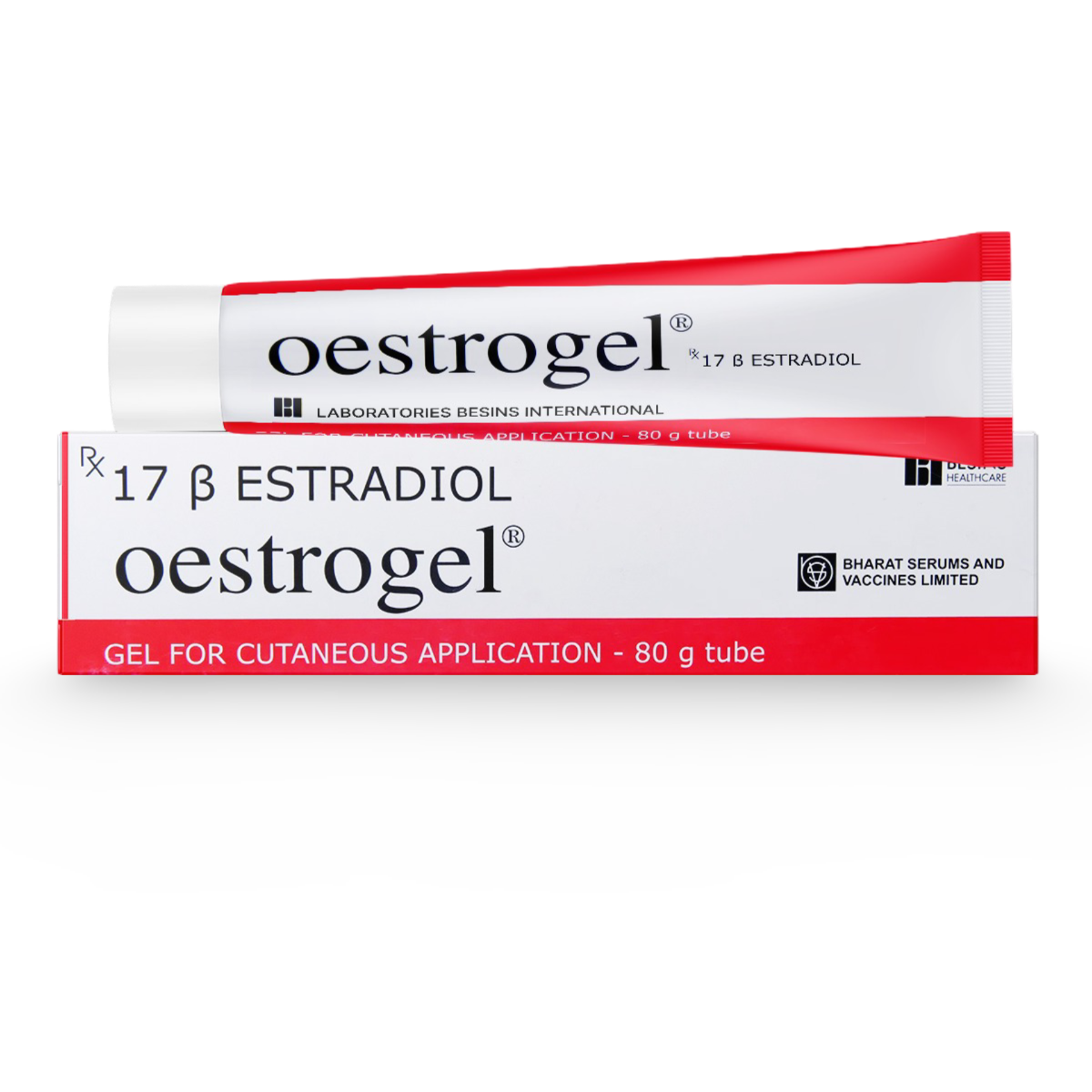
Oestrogel Gel 80 gm
Starting at just $38.02 per tubeBuy Now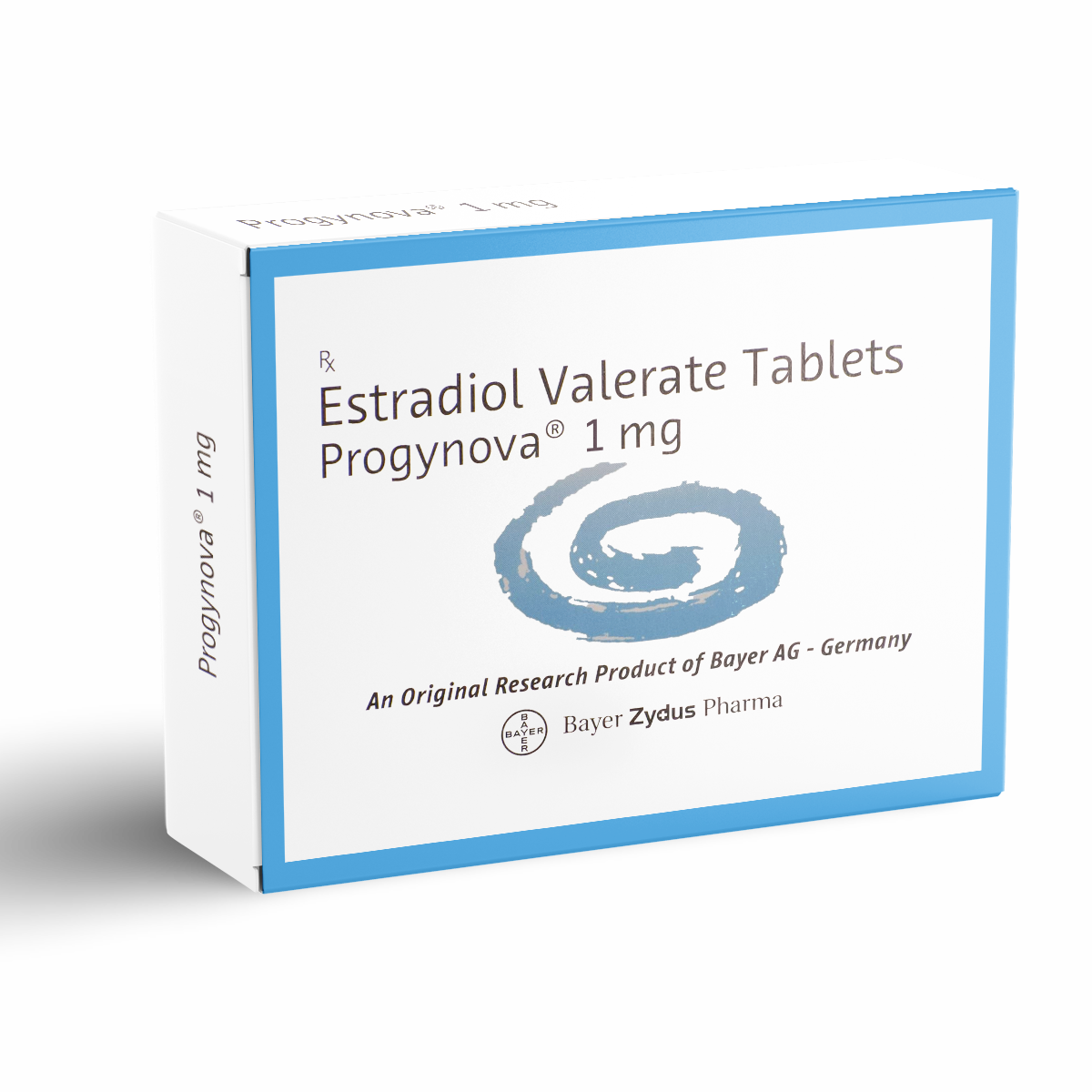
Progynova 1 mg
Starting at just $0.20 per tabletBuy NowWhat are its types?
Healthcare professionals classify Anorgasmia in women into 4 different types based on when it develops and the situations in which it occurs.
- Lifelong: It is characterized by permanent absence of orgasms at any stage of life, regardless of the type of stimulation or partner.
- Acquired: This type of difficulty or absence of orgasms develops after a period of previously normal orgasmic function.
- Situational: Women with situational Anorgasmia may achieve orgasm only under particular circumstances. For example, they may climax during masturbation but not during partnered sexual activity. This is one of the most frequently diagnosed forms.
- Generalized: It refers to the inability to achieve orgasm in any situation, regardless of the partner, environment, or method of stimulation. It might occur as either a lifelong or acquired condition.
Causes of Anorgasmia in women
Most women develop orgasm disorder due to a combination of physical, psychological, and relationship-related factors that affect the body’s normal sexual response. Identifying the underlying cause of Anorgasmia is essential for appropriate treatment.
Based on their origin, the causes can be grouped into the following categories:
Physical causes
Several medical conditions and biological changes may interfere with the nerves, hormones, or blood flow required for orgasm.
- Hormonal changes: Estrogen and testosterone influence genital sensitivity, lubrication, and sexual response. Low hormone levels during menopause, after childbirth, or while breastfeeding may reduce sensitivity and make climax more difficult.
- Alcohol and recreational drugs: Excessive alcohol consumption and use of recreational drugs might reduce nerve sensitivity, impair brain signaling, and decrease sexual responsiveness, making climax more difficult.
- Medical conditions: Conditions such as Diabetes, Multiple Sclerosis, Parkinson’s Disease, and Endometriosis can damage the nerves involved in sexual sensation. They may also reduce blood flow to the genitals, or cause chronic pelvic pain, all of which might interfere with your ability to reach orgasm.
- Pelvic surgery: In some cases, certain gynecological procedures unintentionally damage or alter nearby nerves, blood vessels, or tissues involved in sexual function, which may reduce genital sensation and make it more difficult to reach climax.
- Nerve injury: Trauma, spinal cord disorders, neurological conditions like Spinal Cord Injury (SCI), or accidents sometimes damage the nerves responsible for sexual sensation and orgasm, disrupting the nerve signals needed to achieve climax.
- Medicines: Several prescription medicines also affect sexual response. Selective Serotonin Reuptake Inhibitors (SSRIs), like Fluoxetine, are among the most common causes. They increase serotonin activity, which may suppress the pleasure pathways involved in orgasm. Some antipsychotics and blood pressure medicines may also contribute to FSD.
- Age-related changes: Natural aging can lead to reduced hormone production, slower nerve conduction (slower communication between the brain and the nerves involved in sexual response), and decreased genital blood flow. These changes might increase the time needed to reach orgasm.
Psychological causes
The brain has a crucial role in sexual pleasure. Emotional health and mental well-being can significantly influence the ability to reach orgasm, even when physical stimulation is adequate.
Common psychological factors include:
- Stress, Anxiety, or Depression: These conditions may distract attention, reduce arousal, and interrupt the mental processes required for orgasm.
- Body image concerns: Feeling self-conscious about physical appearance often shifts attention away from pleasurable sensations and makes it difficult to remain mentally engaged during intimacy.
- Past sexual trauma: Previous abuse or distressing sexual experiences may create emotional barriers that interfere with relaxation and sexual enjoyment needed for climax.
- Fear, guilt, or cultural beliefs: Feelings of shame surrounding intimacy or fear of pregnancy and pain can inhibit sexual response.
Relationship and behavioral factors
A satisfying sexual experience depends on both emotional connection and appropriate stimulation. Certain relationship issues and sexual habits can contribute to Anorgasmia. Some common factors include:
- Limited communication with a partner: Difficulty discussing preferences, what feels pleasurable, or comfort levels can create misunderstandings and make sexual experiences less enjoyable or awkward, which may hinder sexual response.
- Insufficient stimulation: A common misconception is that vaginal penetration alone is enough for every woman to reach orgasm. However, every woman responds differently to sexual touch. For many, direct or indirect clitoral stimulation is necessary to achieve orgasm, and inadequate stimulation often makes climax difficult.
- Relationship conflicts: Frequent arguments, lack of trust, emotional distance, or unresolved resentment can reduce intimacy and interfere with sexual satisfaction.
- Performance pressure: Feeling obligated to orgasm or worrying about disappointing a partner may increase Performance Anxiety and interrupt the natural progression of sexual response.
How is Female Anorgasmia diagnosed?
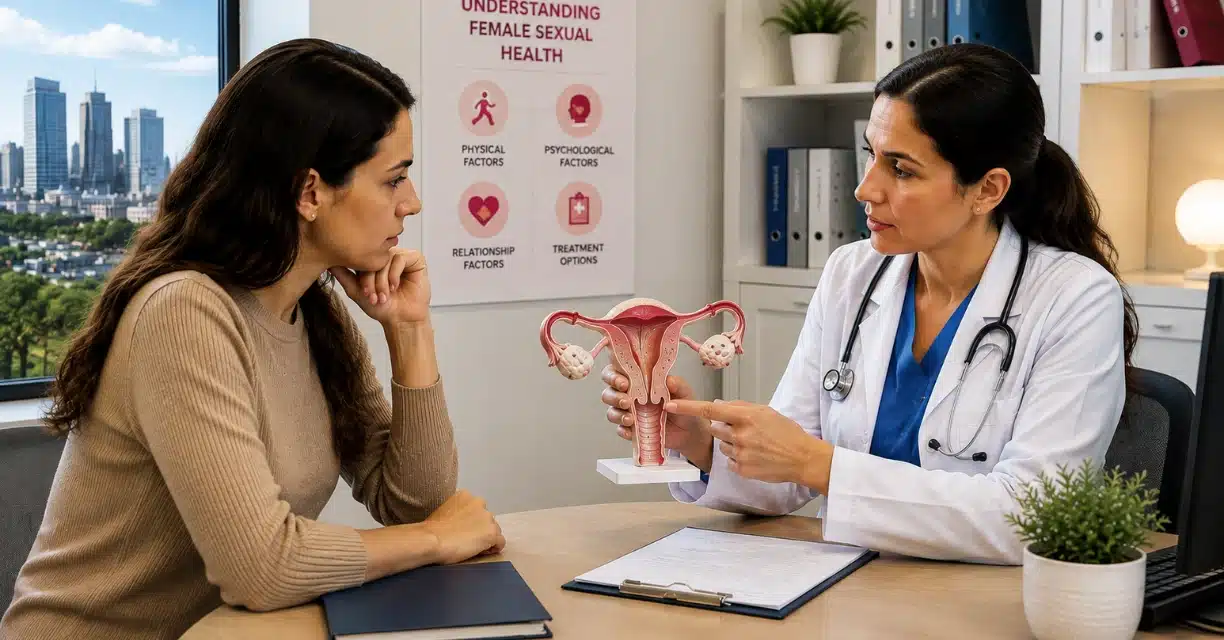
Diagnosing this condition involves identifying the underlying cause rather than confirming the symptom alone. A healthcare professional usually evaluates your physical health, emotional well-being, and sexual history before recommending treatment. The assessment commonly includes:
- Medical and sexual history: The doctor asks about symptoms, previous sexual experiences, existing medical conditions, menstrual or menopausal history, recent childbirth, and medicines that could affect sexual function.
- Physical examination: A pelvic examination may be performed when necessary to identify vaginal dryness, pain, pelvic floor abnormalities, or other conditions that could contribute to orgasm difficulties.
- Laboratory tests: Blood tests can help evaluate hormone levels, including estrogen and testosterone and check for medical conditions like thyroid disorders or Diabetes that affect sexual function.
- Psychological assessment: If emotional or relationship factors are suspected, the doctor may explore symptoms of Depression, chronic stress, or previous traumatic experiences.
Treatment and management of Anorgasmia in females
There is no single approved treatment that works for everyone. However, most women experience significant improvement after addressing underlying causes. A doctor can recommend the most suitable approach based on the diagnosis.
Lifestyle changes
Healthy daily habits can improve overall sexual well-being by supporting hormone balance, circulation, energy levels, and emotional health. Helpful lifestyle measures include:
- Exercise regularly: Physical activity improves blood circulation, mood, and cardiovascular health, all of which contribute to healthy sexual function. So, aim for at least 150 minutes of moderate exercise every week, such as brisk walking or swimming.
- Manage stress: Relaxation techniques like yoga or deep breathing may reduce mental distractions that interfere with sexual response. Practice any of these techniques for 10-20 minutes daily.
- Get adequate sleep: Sleeping 7-9 hours each night supports hormone regulation, energy, and overall well-being. So, maintain a consistent sleep schedule.
- Limit alcohol and avoid recreational drugs: Reducing substances that impair nerve function may improve sexual sensitivity over time for better chances of having an orgasm. So, seek help to quit smoking and excessive alcohol use. If consuming alcohol, limit to 1 drink a day.
- Maintain open communication: Discussing preferences, comfort levels, and concerns with a partner may improve intimacy and help achieve more satisfying sexual experiences. So, talk openly with your partner about your concerns and sexual interests.
Behavioral techniques
Behavioral approaches focus on improving sexual awareness, reducing Anxiety, and enhancing stimulation. These techniques are often recommended alongside lifestyle changes. Some effective strategies include:
- Explore preferred stimulation and positions: Learning which forms of touch, stimulation, or sexual positions produce the greatest pleasure can improve sexual response.
- Allow adequate foreplay: Spending more time on foreplay, like kissing to build arousal before intercourse, helps increase genital sensitivity and make orgasm easier to achieve.
- Practice mindfulness during intimacy: Focusing on physical sensations instead of worrying about performance helps improve sexual enjoyment.
- Consider pelvic floor therapy: Women with pelvic floor dysfunction may benefit from supervised pelvic floor exercises or physical therapy to improve muscle coordination and sexual function.
- Seek sex therapy when needed: Certified sex therapists can help address Performance Anxiety, communication difficulties, or emotional barriers affecting sexual satisfaction.
Medical treatment
Based on the underlying cause of Anorgasmia like health conditions, hormonal imbalance, or medicines, a doctor may recommend:
- Adjusting current medicines: If antidepressants such as Fluoxetine are contributing, the prescribing doctor may lower the dose or consider an alternative such as Bupropion, when appropriate.
- Hormone therapy: Women with confirmed hormone deficiency can benefit from Hormone Replacement Therapy (HRT) or other hormone-based treatments when medically suitable.
- Treating underlying medical conditions: Better control of conditions such as Diabetes, thyroid disorders, or neurological diseases may improve sexual function over time.
- Managing vaginal dryness or pain: Vaginal moisturizers or lubricants can reduce discomfort during intimacy and improve sexual satisfaction.
- Prescription medicines: There is currently no FDA-approved medicine to treat orgasm difficulties in women. However, doctors can prescribe medicines like Sildenafil off-label to improve genital blood flow, which may help increase sensitivity and improve responsiveness to stimulation.
When to see a doctor for orgasm issues?
Occasional difficulty reaching orgasm is common and usually does not require medical treatment. However, you should consult a doctor if:
- The inability to orgasm persists for several months.
- Orgasm difficulties begin suddenly after previously normal sexual function.
- Symptoms develop after starting a new medicine.
- Pain, vaginal dryness, or bleeding occurs during sexual activity.
- Sexual concerns begin affecting emotional well-being or intimate relationships.
- Symptoms appear after pelvic surgery, childbirth, or a neurological injury.

Conclusion
Female Anorgasmia is a persistent orgasm disorder that significantly affects sexual satisfaction, emotional well-being, and intimate relationships. This condition is often linked to factors such as hormonal changes, chronic medical conditions like Diabetes, medicines like SSRIs, stress, or relationship difficulties.
As these factors often overlap, a medical evaluation is needed to determine the underlying cause. The diagnosis usually involves questions about sexual life and mental conditions, physical examination, and blood tests.
Based on the assessment, a doctor can recommend lifestyle improvements like better sleep and stress management, behavioral techniques including mindfulness, psychological support, hormone therapy, or adjustments to existing medicines. If required, they can prescribe medicines like Sildenafil off-label.
With the right combination of medical care, emotional support, and open communication, many women are able to improve their overall sexual health and regain confidence in their intimate relationships.
Frequently Asked Questions
Can Anorgasmia be caused by PCOS?
Yes, Polycystic Ovary Syndrome (PCOS), now known as Polyendocrine Metabolic Ovarian Syndrome (PMOS), may contribute to orgasm difficulties. It can cause hormonal imbalances, reduced sexual desire, vaginal dryness, or associated conditions such as Anxiety and Depression. However, not every woman with PCOS experiences persistent difficulty reaching climax.
Can coffee cause Anorgasmia?
No, there is no strong evidence that coffee directly causes persistent orgasm difficulties. However, consuming excessive caffeine may increase Anxiety, disturb sleep, or worsen stress in some individuals, which may indirectly affect sexual function.
Can birth control pills cause Anorgasmia?
No, birth control pills do not cause Anorgasmia in most women. However, some Combined Oral Contraceptives (COCs) may alter hormone levels and reduce sexual desire or genital sensitivity, which can make orgasms more difficult for certain women.
Does masturbation cause Anorgasmia?
No, masturbation does not directly cause Anorgasmia. However, becoming accustomed to one specific type of stimulation might make it more difficult to reach orgasm through other forms of sexual activity. Varying stimulation techniques and improving partner communication can often help overcome this issue.
Can Addyi treat Female Anorgasmia?
No, Addyi, containing Flibanserin, is not approved to treat Female Anorgasmia. It is approved for Hypoactive Sexual Desire Disorder (HSDD) in premenopausal women and postmenopausal women under 65. It works by improving sexual desire rather than the ability to reach orgasm.
GoodRxMedicine only refers to credible, authoritative sources for our content. If you're curious about how we ensure the integrity of our content, we encourage you to read our Content Information Policy.

Julian Carter is a highly accomplished MBA graduate in Pharmaceutical Management, celebrated for his extensive experience and exceptional skills in the pharmaceutical industry. With a wealth of knowledge and expertise, Julian is a valuable contributor to the field and a trusted voice in pharmaceutical management.
As a contributing writer for Goodrxmedicine.com, Julian is committed to educating and empowering individuals to make informed decisions about their health. His passion for the industry is evident in his work, and his dedication to improving the lives of others through education and empowerment is truly remarkable.
With a reputation for excellence and a track record of success, Julian Carter is a respected and admired figure in pharmaceutical management. His insights and contributions to the field are highly valued, and her expertise has helped shape the direction of the industry for the better.
Through his work as a contributing writer for Goodrxmedicine.com and beyond, Julian continues to make a meaningful impact in the lives of many. His commitment to excellence and dedication to improving the health of individuals and communities around the world make him an inspiration to others in the field.