




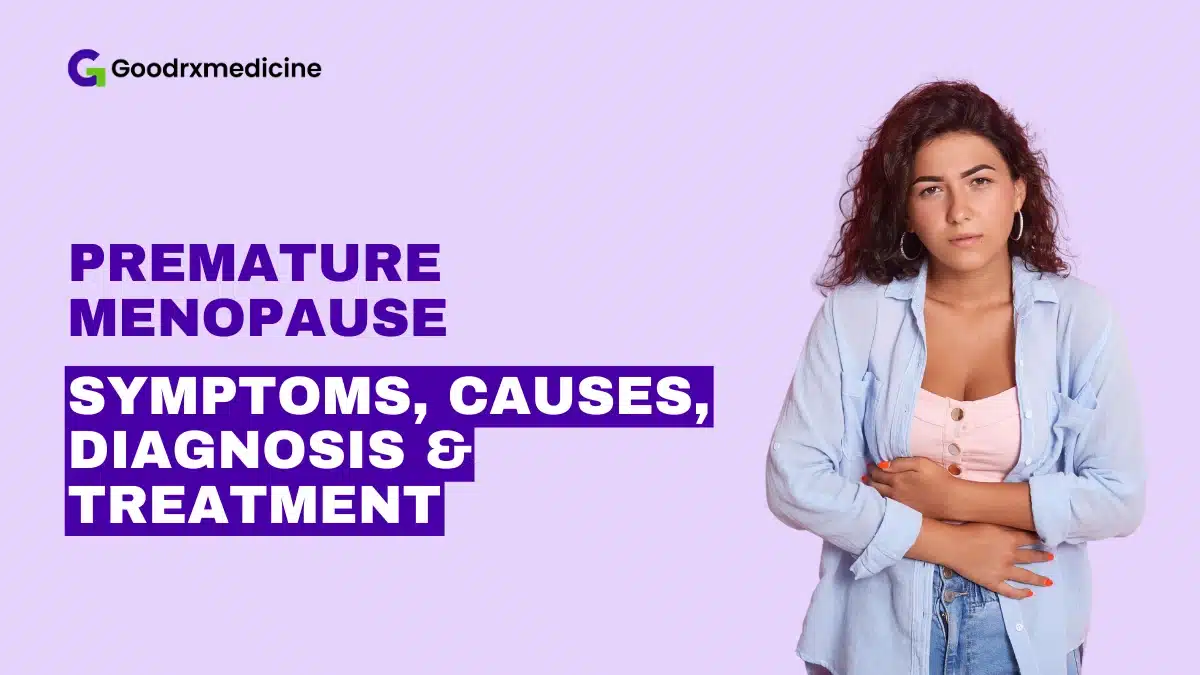
Premature menopause happens when menopause starts before the age of 40. The ovaries stop functioning normally, leading to a significant decline in estrogen levels and the loss of menstrual periods.
Almost 5% women experience early menopause, and it can affect physical health, fertility, emotional well-being, and overall quality of life. Many women feel confused when they notice irregular periods, hot flashes, or mood changes at a younger age. Understanding the condition early can help in proper diagnosis and treatment.
This article explains premature menopause in simple language, including symptoms, causes, complications, diagnosis, treatment options, and ways to manage life with the condition.
What is premature menopause?
Premature menopause happens when a woman reaches menopause before the age of 40. Menopause is confirmed when periods stop completely for 12 consecutive months. It is often confused with early menopause, which happens between the ages of 40 and 45. In comparison, natural menopause usually occurs between the ages of 45 and 55.
Many people also confuse premature menopause with Primary or Premature Ovarian Insufficiency (POI), but the two conditions are slightly different. In POI, the ovaries do not work properly before the age of 40, but periods may still occur occasionally, and pregnancy may still be possible in some cases. In premature menopause, the ovaries stop working permanently, periods do not return, and natural pregnancy becomes very unlikely.
Save up to 90% on your medicine bills

Lovegra Oral Jelly Rx 100 Mg

Lovegra 100 mg
Starting at just $2.19 per tabletBuy Now
Oestrogel Gel 80 gm
Starting at just $38.02 per tubeBuy Now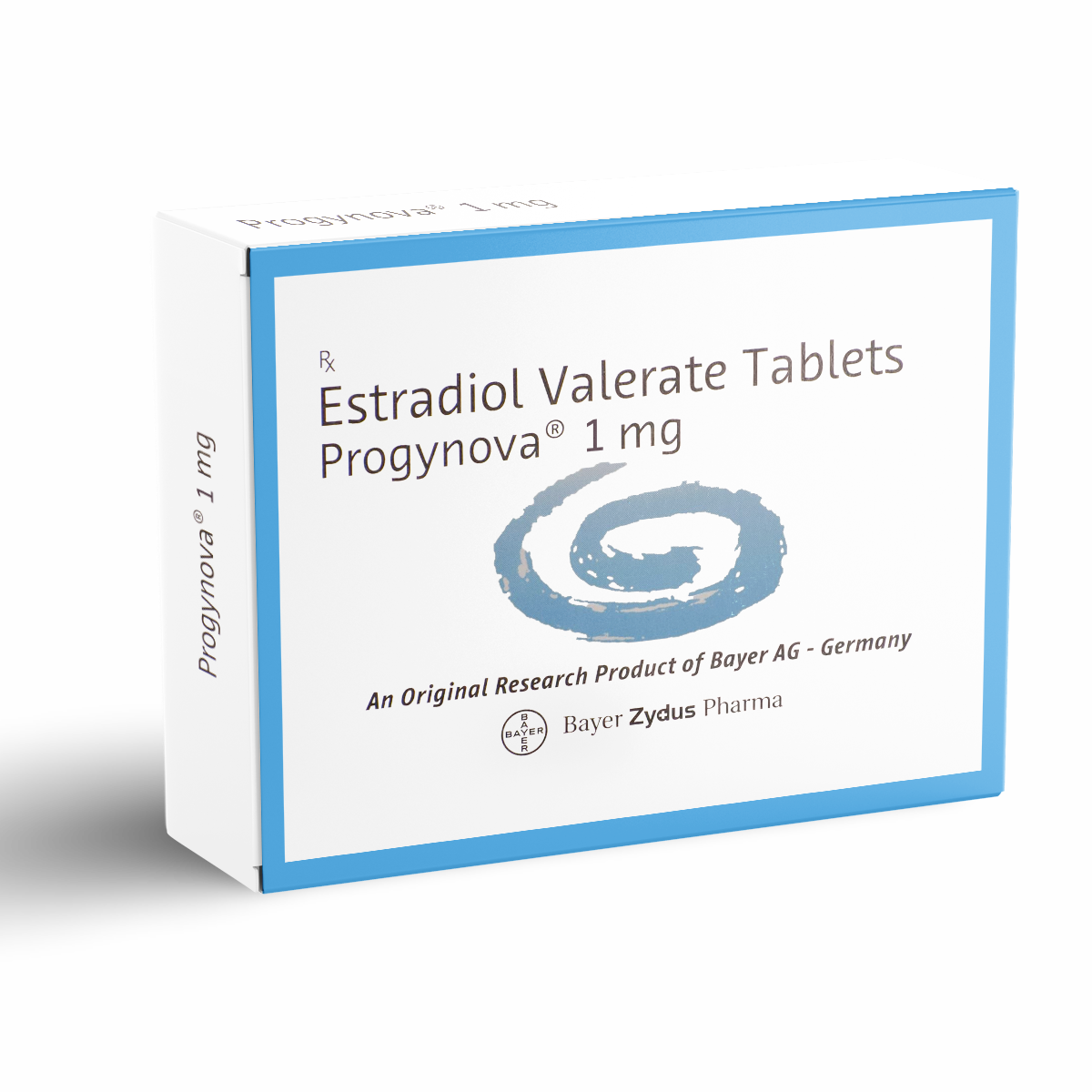
Progynova 1 mg
Starting at just $0.20 per tabletBuy NowSymptoms of premature menopause
The symptoms are similar to those of normal menopause, but they appear at a younger age. Some women experience mild symptoms, while others face severe discomfort. Commonly experienced premature menopause symptoms include:
- Irregular periods:
- Hot flashes
- Night sweats
- Vaginal dryness
- Mood changes
- Sleep problems
- Low libido or sex drive
- Difficulty concentrating or brain fog
- Urinary problems
- Dry skin and hair
Causes of premature menopause
The cause of premature menopause in nearly 50-90% of cases is unknown. It may happen due to several medical, genetic, and lifestyle-related factors that affect the ovaries or hormone production. In some women, the ovaries stop functioning earlier because of health conditions, while in others, outside factors may damage ovarian function over time. These include:
- Genetics and family history: If a mother or sister experienced early menopause, the chances may be higher. Certain genetic conditions may also affect ovarian function, including Turner syndrome and Fragile X syndrome.
- Autoimmune diseases: In autoimmune conditions, the immune system attacks healthy tissues, including the ovaries. Conditions linked to premature menopause include Thyroid disorders, Rheumatoid arthritis, Lupus and Crohn’s disease.
- Cancer treatment: Chemotherapy and radiation may damage the ovaries, stop periods and reduce egg production. The risk depends on age, type of treatment and radiation dose.
- Removal of the ovaries: Removal of both ovaries (surgically) causes immediate menopause because estrogen production drops suddenly.
- Smoking: Smoking can damage the ovaries and lower estrogen levels over time, which may cause menopause to happen earlier than normal.
- Infections: In rare cases, infections such as mumps, HIV, or tuberculosis can affect the ovaries and interfere with their normal function.
- Unknown causes: For many women, doctors are unable to find a clear cause even after medical evaluation.
Complications because of premature menopause
Premature menopause affects more than fertility. Estrogen protects many parts of the body, so early loss can lead to health problems.
- Infertility: Since ovulation stops, getting pregnant naturally becomes difficult.
- Osteoporosis (weakening of bones): Low estrogen weakens bones and increases fracture risk.
- Heart disease: Estrogen supports heart and blood vessel health. Early menopause can also increase cardiovascular risk.
- Mental health problems: Depression, Anxiety, stress, and low self-esteem are common. The unexpected loss of fertility and the emotional burden of experiencing menopause at a young age can significantly affect a woman’s quality of life and overall mental well-being.
- Sexual problems: Vaginal dryness and low libido may affect intimacy and relationships.
- Cognitive changes: Some studies suggest a possible increase in memory-related problems later in life.
- Weight changes: Hormonal imbalance may affect metabolism and body weight.
- Cognitive changes and Dementia: Some studies suggest that premature menopause may be associated with an increased risk of cognitive decline and Dementia later in life, although more research is needed to fully understand this link.
Diagnosis
Doctors diagnose premature menopause based on symptoms, menstrual history, physical examination, and hormone tests. Since several other conditions may also cause missed or irregular periods, proper testing is important to confirm the diagnosis.
- Medical history: The doctor may ask about changes in the menstrual cycle, symptoms like hot flashes or vaginal dryness, family history of early menopause, past Cancer treatments, surgeries, smoking habits, and any existing medical conditions.
- Physical examination: A general physical examination and pelvic exam may be done to check overall health and rule out other possible causes of symptoms.
- Blood tests: Hormone tests are commonly used to confirm premature menopause. These may include follicle-stimulating hormone (FSH), estradiol, thyroid function tests, and anti-Mullerian hormone (AMH). High FSH levels along with low estrogen levels can indicate reduced ovarian function or menopause.
- Pregnancy test: If periods stop suddenly, a pregnancy test may be recommended to rule out pregnancy as a possible cause.
- Pelvic ultrasound: An ultrasound may be performed to examine the ovaries and reproductive organs and assess ovarian function or related abnormalities.
- Autoimmune screening: Since autoimmune diseases can sometimes cause premature menopause, doctors may order blood tests to look for underlying conditions. These may include thyroid function tests and thyroid antibodies to check for autoimmune thyroid disease, as well as tests for adrenal antibodies and other autoimmune disorders when clinically indicated.
Treatment
Although premature menopause cannot usually be reversed, several treatments may help manage symptoms and reduce the risk of long-term health complications. Treatment mainly focuses on replacing lost hormones, improving quality of life, protecting bone and heart health, and addressing emotional or fertility-related concerns. The treatment plan can vary depending on age, symptoms, medical history, and pregnancy goals.
Hormone Replacement Therapy (HRT)
Hormone replacement therapy (HRT) is the main treatment for premature menopause and is generally considered essential rather than optional, unless there is a medical reason that prevents its use. Unlike HRT in women undergoing natural menopause after age 50, where it is mainly used to relieve symptoms, for premature menopause, it helps replace the estrogen that the ovaries no longer produce.
Some of its major benefits include:
- Helps reduce hot flashes and night sweats
- Improves sleep quality
- Relieves vaginal dryness and discomfort
- Supports bone health and lowers the risk of Osteoporosis
- Can help protect heart health in younger women with premature menopause
- Can improve mood and overall quality of life
Doctors often recommend continuing HRT until the average age of natural menopause (50 -51 years), unless there is a medical reason to avoid it.
HRT might not be suitable for everyone. A doctor will evaluate the benefits and possible risks based on individual health conditions. Women with certain hormone-sensitive Cancers, blood- clotting disorders, liver disease, or a history of stroke or heart disease may need extra caution or alternative treatments.
Other treatments
Apart from HRT, other treatments may also help manage symptoms and support long-term health. These include:
- Vaginal estrogen: Estrogen creams, tablets, or vaginal rings can help reduce vaginal dryness, irritation, and discomfort during intercourse.
- Antidepressants: Certain medications may help manage mood changes, anxiety, depression, and even hot flashes in some women.
- Calcium and vitamin D supplements: These are often recommended to support bone strength and reduce the risk of osteoporosis.
- Fertility treatment: Women who wish to become pregnant may discuss fertility options with a specialist. Possible options may include IVF with donor eggs, egg freezing in some cases, fertility counseling and reproductive support.
- Contraception and combination hormone therapy: Women who still need birth control may use combined hormonal contraceptives instead of HRT or, in some cases, use HRT alongside a contraceptive method such as a hormonal IUD. The choice depends on age, symptoms, and individual needs.
Lifestyle tips to manage premature menopause
Healthy lifestyle habits may help reduce symptoms, improve overall well-being, and lower the risk of long-term health complications linked to premature menopause. These include:
- Eat a diet that includes fruits, vegetables, whole grains, lean protein, and calcium-rich foods to support overall health and bone strength.
- Exercise regularly, as physical activity may help maintain bone health, support heart health, improve mood, and manage body weight.
- Quit smoking, since smoking may worsen menopausal symptoms and may increase the risk of health complications.
- Relieve stress through activities like meditation, yoga, deep breathing, or relaxation exercises to support emotional well-being.
- Get enough sleep (7-8 hours), maintain a regular sleep schedule and reduce screen time before bedtime.
- Limit alcohol and caffeine intake, as they may trigger hot flashes and sleep problems in some women.
When to see a doctor
It is important to consult a doctor if you notice signs of menopause before the age of 40. Early medical attention may help identify the cause, manage symptoms, and reduce the risk of long-term health complications. You should speak to a doctor if you:
- Miss periods for several months without pregnancy.
- Experience frequent or severe hot flashes and night sweats.
- Notice vaginal dryness or discomfort during intercourse.
- Develop irregular or unusual menstrual changes.
- Have difficulty becoming pregnant.
- Experience mood changes, sleep problems, or unexplained fatigue along with menstrual irregularities.
Early diagnosis and proper treatment may help protect bone health, heart health, fertility, and overall quality of life.

Conclusion
Premature menopause is a condition in which menopause occurs before the age of 40, leading to early hormonal changes that may affect physical health, fertility, emotional health, and overall quality of life. Symptoms such as irregular periods, hot flashes, vaginal dryness, mood changes, and sleep problems may significantly impact daily life if left unmanaged.
Although premature menopause cannot always be prevented or reversed, early diagnosis and proper treatment may help control symptoms and reduce the risk of complications like osteoporosis and heart disease.
Treatments such as HRT, lifestyle changes, and fertility counseling can help women manage the condition more effectively and maintain a better quality of life.
Frequently Asked Questions
Can premature menopause be prevented?
No, premature menopause cannot always be prevented, especially when caused by genetics or medical treatments. However, avoiding smoking, maintaining a healthy lifestyle, managing autoimmune conditions properly, and getting regular health checkups can help reduce the risk.
Can you still get pregnant with premature menopause?
Natural pregnancy becomes very difficult after premature menopause because ovulation usually stops permanently. However, pregnancy can still be possible through fertility treatments such as IVF with donor eggs. Women with primary ovarian insufficiency can occasionally ovulate and conceive naturally.
Does premature menopause affect mental health?
Yes, premature menopause can have a strong emotional impact, especially in younger women. Many women experience stress, anxiety, grief, mood changes, or fear related to infertility. Emotional support, therapy, counseling, and support groups can help improve mental well-being.
Can premature menopause cause weight gain?
Yes, premature menopause can contribute to weight gain in some women. Lower estrogen levels can slow metabolism, increase fat storage, and make it easier to gain weight, especially around the abdomen. Hormonal changes can also affect sleep, mood, and energy levels, which may reduce physical activity and further contribute to weight gain.
GoodRxMedicine only refers to credible, authoritative sources for our content. If you're curious about how we ensure the integrity of our content, we encourage you to read our Content Information Policy.

Julian Carter is a highly accomplished MBA graduate in Pharmaceutical Management, celebrated for his extensive experience and exceptional skills in the pharmaceutical industry. With a wealth of knowledge and expertise, Julian is a valuable contributor to the field and a trusted voice in pharmaceutical management.
As a contributing writer for Goodrxmedicine.com, Julian is committed to educating and empowering individuals to make informed decisions about their health. His passion for the industry is evident in his work, and his dedication to improving the lives of others through education and empowerment is truly remarkable.
With a reputation for excellence and a track record of success, Julian Carter is a respected and admired figure in pharmaceutical management. His insights and contributions to the field are highly valued, and her expertise has helped shape the direction of the industry for the better.
Through his work as a contributing writer for Goodrxmedicine.com and beyond, Julian continues to make a meaningful impact in the lives of many. His commitment to excellence and dedication to improving the health of individuals and communities around the world make him an inspiration to others in the field.