


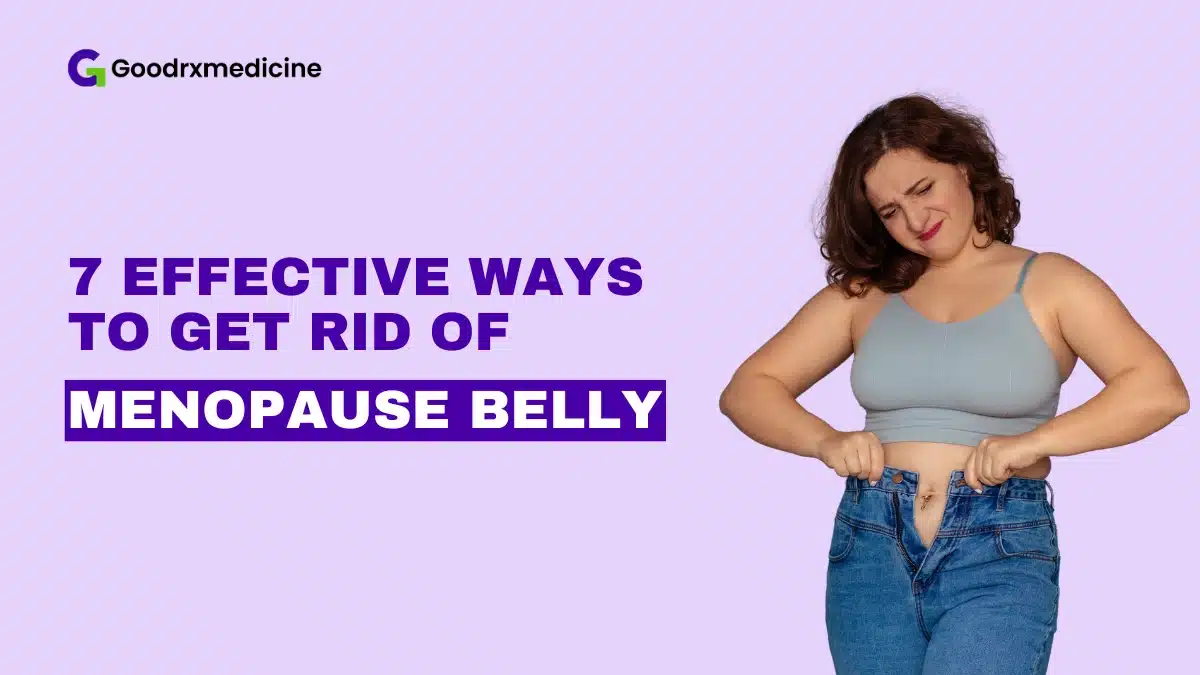
Menopause leads to several physical and hormonal changes, one of the most noticeable being an increase in abdominal fat, commonly called menopause belly. This happens mainly due to estrogen decline, which shifts fat storage from areas like the hips and thighs towards the abdomen and increases visceral fat (fat around internal organs).
In addition, reduced muscle mass, slower metabolism, insulin resistance, and higher stress levels further contribute to fat accumulation. However, menopause belly can be reduced with the right approach. Methods such as targeted exercise, structured diet changes, and stress regulation directly influence fat storage and metabolism, which can reduce menopausal fat.
This article explains how to get rid of menopause belly. It lists 7 practical and effective methods that target hormonal fat gain and improve long-term metabolic health.
1. Follow a structured diet
As the body tends to store excess calories more easily during menopause, diet plays a key role in reducing belly fat in this phase. A structured diet helps control calorie intake, stabilize blood sugar, and prevent fat accumulation around the abdomen.
To modify the diet effectively, you should:
- Prioritize protein intake: Protein helps preserve muscle mass, which declines during menopause. Maintaining muscle keeps metabolism active and helps burn more calories at rest. It also improves satiety (feeling of fullness), reducing unnecessary snacking. Some protein sources include Greek yogurt, cottage cheese, chicken breast, and tofu.
- Reduce refined carbohydrates and sugar: Foods such as white bread, sweets, and sugary drinks cause rapid spikes in blood sugar and insulin, which promote abdominal fat storage. Choosing whole grains instead helps maintain stable energy levels.
- Include healthy fats: Healthy fats from sources such as nuts, seeds, and olive oil support hormone balance, reduce inflammation, and boost fullness, helping prevent unhealthy or excessive eating.
- Increase fiber intake: High-fiber foods, including vegetables, fruits, and whole grains, slow digestion, improve gut health, and help reduce bloating.
- Control portion size: Eating large portions can lead to excess calorie intake even with healthy foods. Eating slowly and stopping when full helps prevent overeating.
- Maintain consistent meal timing: Eating meals at regular intervals helps prevent extreme hunger, improve metabolism, and reduce the risk of binge eating or poor food choices.
Save up to 90% on your medicine bills
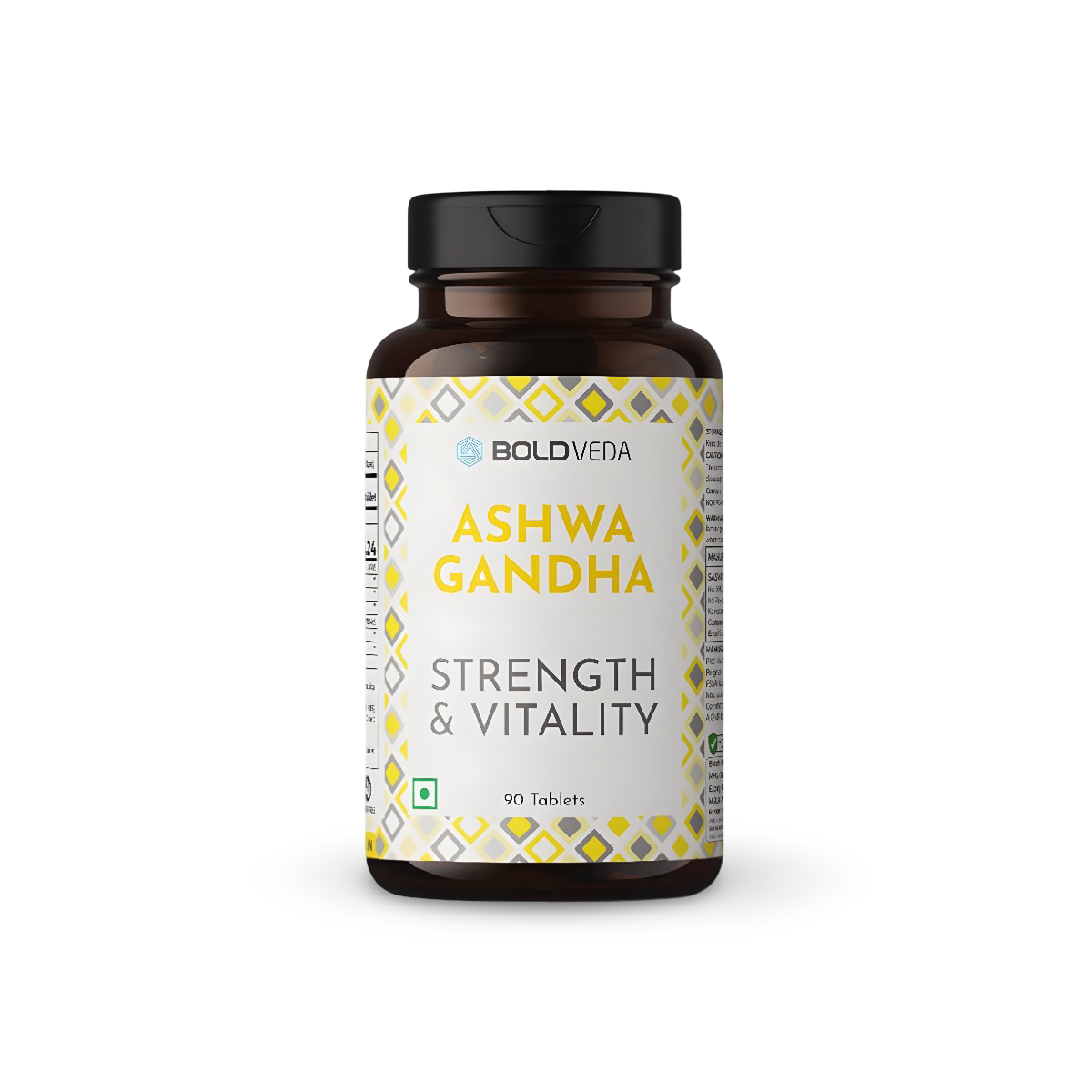
Boldveda Ashwagandha Tablets for Men & Women
Starting at just $0.22 per tabletBuy Now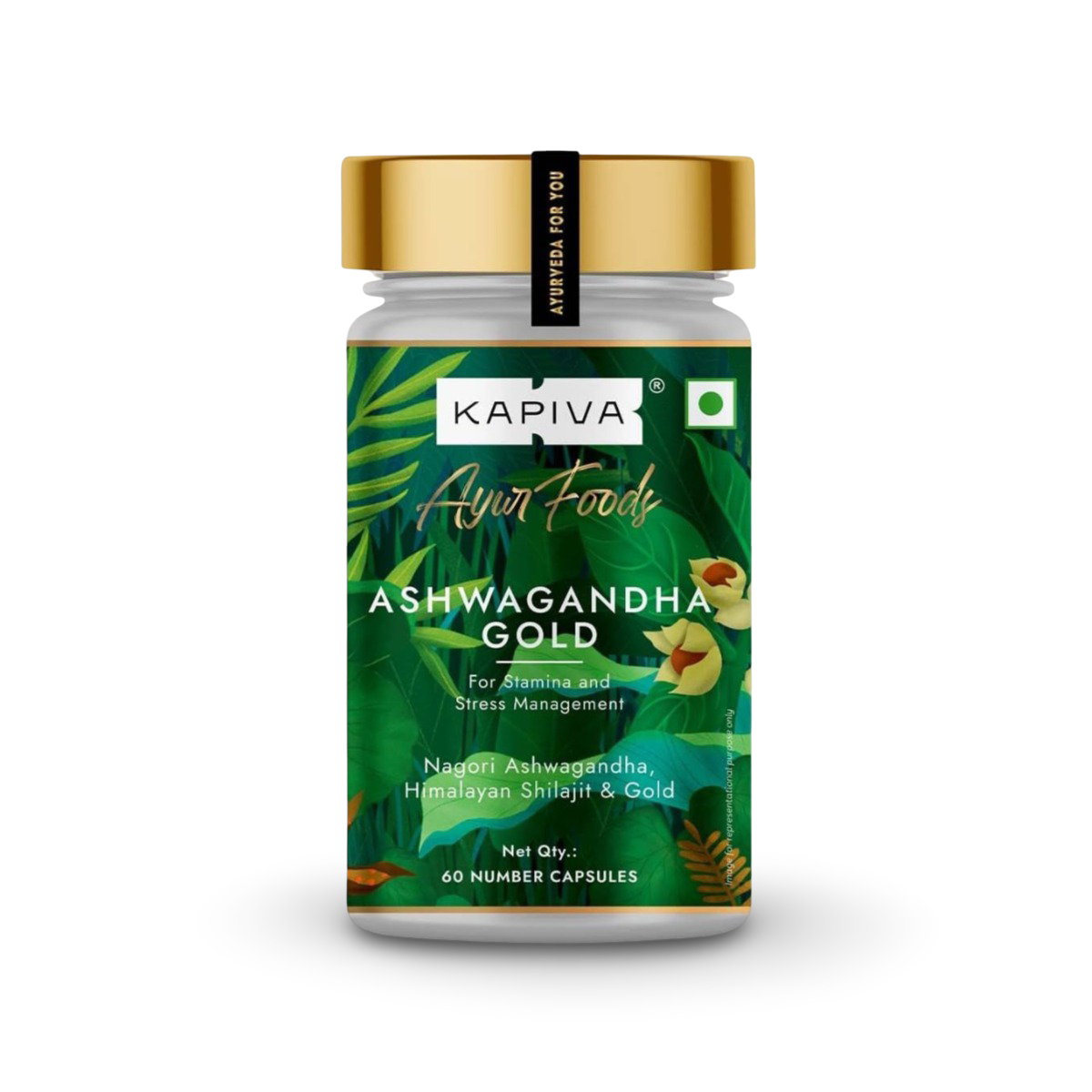
Kapiva Ashwagandha Gold Capsules

Neuherbs Ashwagandha 1000 Plus Tablets
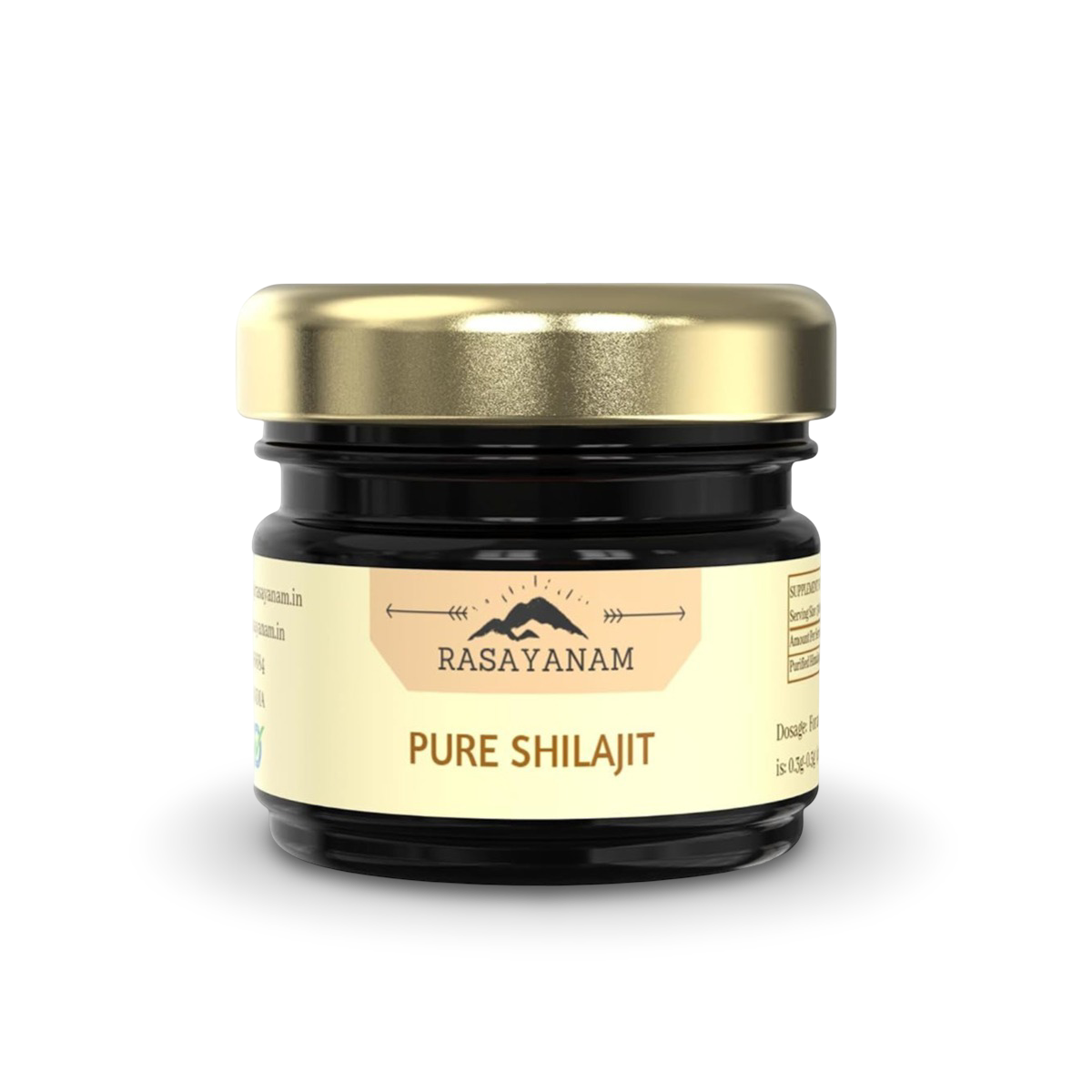
Rasayanam Pure Shilajit Resin
Starting at just $36.36 per tabletBuy Now2. Control cortisol levels
During menopause, the body becomes more sensitive to cortisol (the stress hormone) due to hormonal changes like low estrogen and testosterone. These hormonal changes can also cause chronic stress, further increasing cortisol levels. This can cause the body to store more fat in the abdominal area and increase cravings for high-calorie foods, making fat loss more difficult.
So, managing stress is important to prevent this cycle and support fat reduction. To regulate cortisol levels effectively, you can consider the following options:
- Engaging in hobbies such as reading or spending time outdoors to reduce mental stress and prevent emotional eating.
- Talking to trusted friends or family members can help lower psychological stress and improve emotional well-being.
- Practicing stress-relieving activities such as meditation, deep breathing, or yoga to calm the nervous system and lower cortisol levels.
3. Perform strength training
Muscle mass naturally declines during menopause, slowing metabolism and promoting fat gain. Strength training directly reverses this by rebuilding muscle and increasing calorie expenditure.
Exercises such as squats, resistance-band workouts, and weight training, performed 2-3 times per week, help improve body composition and reduce abdominal fat over time. Adding core-specific exercises, such as planks or Russian twists, can strengthen abdominal muscles and tighten the midsection to prevent a bulging belly.
4. Add aerobic exercise
Aerobic exercise is one of the most efficient ways to reduce visceral fat, which is strongly associated with menopause belly and slow metabolism. Activities such as cycling, swimming, brisk walking, or jogging performed for 150-300 minutes per week help increase calorie expenditure and improve how the body uses stored fat for energy.
Combining aerobic exercise with strength training often produces better results than either method alone, as it targets both fat loss and muscle preservation.
5. Improve sleep
Sleep directly affects hormones that control hunger, metabolism, and fat storage. Poor sleep increases Ghrelin (the hunger hormone) and reduces Leptin (the satiety or fullness hormone), leading to increased appetite and a higher likelihood of overeating.
In addition, inadequate sleep can reduce insulin sensitivity, making it easier for the body to store excess calories as fat, particularly around the abdomen. Fatigue from poor sleep also lowers physical activity levels, further contributing to weight gain.
Maintaining 7-9 hours of consistent, good-quality sleep supports better hormone balance, improves energy levels, and helps regulate appetite. Limiting screen exposure before bedtime and creating a restful environment, such as dim lights, can further improve sleep quality and support fat loss.
6. Stay active and support overall health
In addition to structured exercise, overall daily activity plays a major role in calorie expenditure and weight management. A sedentary lifestyle slows metabolism, reduces energy use, and promotes fat accumulation, especially during menopause.
Staying active throughout the day helps maintain energy balance and supports fat loss. Additionally, maintaining a healthy lifestyle can enhance these benefits, prevent weight gain, and manage menopause belly effectively. This can include simple habits such as:
- Doing household chores or choosing stairs instead of elevators to increase calorie expenditure.
- Standing more and taking breaks from prolonged sitting if doing desk jobs to avoid fat accumulation around the abdomen.
- Staying well-hydrated to help regulate metabolism and digestion.
- Limiting alcohol intake to prevent unnecessary calorie intake from high-calorie, nutrient-poor drinks.
7. Consider medical treatments and cosmetic procedures
In some cases, menopause belly fat may not reduce despite a proper diet and exercise. This can be due to hormonal imbalance or metabolic resistance. In such cases, you should seek medical guidance. A doctor can prescribe or suggest the following options:
- Hormone Replacement Therapy (HRT): It helps restore hormone levels such as estrogen, which can improve fat distribution during menopause and reduce abdominal fat accumulation. It can also help prevent menopausal weight gain in some cases. However, it is not a weight-loss treatment but a weight management option that works best when paired with a healthy diet and exercise.
- Weight-loss medications: In certain cases where weight-related conditions like Obesity are responsible for menopause belly, doctors can prescribe weight loss medicines like Tirzepatide to regulate appetite, improve metabolic function, and support overall weight loss.
- Cosmetic procedures: They are considered when excess abdominal subcutaneous fat (fat beneath the skin) is present, and loose skin does not improve despite diet and exercise. Surgical options include liposuction to remove excess fat and a tummy tuck to remove loose skin and fat while tightening abdominal muscles. Non-surgical options like CoolSculpting can also reduce fat cells using controlled cooling. These are used to improve body shape and not for weight loss.
Conclusion
To get rid of menopause belly, a combination of consistent lifestyle changes is essential rather than relying on a single method. A structured diet that controls calorie intake, along with regular strength and aerobic exercise, helps reduce abdominal fat and improve metabolism.
Managing stress and improving sleep further support hormonal balance and prevent excess fat storage. Staying active throughout the day and maintaining overall health habits, such as proper hydration and limiting alcohol intake, also contribute to long-term results.
In cases where these methods are ineffective, medical treatments including HRT, medicines such as Tirzepatide, or cosmetic procedures such as liposuction can be considered under professional guidance. Overall, focusing on long-term habits rather than quick fixes is the most effective way to manage and reduce menopause belly.

Frequently Asked Questions
Does calorie restriction alone help with menopause belly?
No, calorie restriction alone is not sufficient. Combining it with exercise and muscle-building activities is more effective for reducing abdominal fat. It is also important to avoid excessive calorie restriction, as it can slow metabolism and lead to muscle loss.
When does menopause belly start?
Menopause belly can begin during perimenopause, the phase before menopause, when hormonal fluctuations start affecting fat distribution. Most women experience an increase in abdominal fat in their early 40s.
Will menopause belly ever go away?
Yes, menopause belly can go away or be significantly controlled or reduced. However, it rarely goes away on its own. It is vital to exercise consistently, maintain overall health, and follow a structured diet to manage it effectively.
Can supplements reduce menopause belly fat?
No, Supplements do not directly burn menopause belly fat. However, supplements like vitamin D and magnesium can also support overall metabolism and reduce abdominal fat storage. Herbal options like ashwagandha can also help reduce stress-related belly fat by lowering cortisol levels, while maca root can boost metabolism.
What is the best time to eat for weight loss?
The best times to eat for weight loss are 1-2 hours after waking up to activate metabolism early, and at least 2-3 hours before sleeping to support better digestion and reduce fat storage. Consuming lunch before 3 pm is ideal for metabolism, as insulin activity is higher earlier in the day.
GoodRxMedicine only refers to credible, authoritative sources for our content. If you're curious about how we ensure the integrity of our content, we encourage you to read our Content Information Policy.

Julian Carter is a highly accomplished MBA graduate in Pharmaceutical Management, celebrated for his extensive experience and exceptional skills in the pharmaceutical industry. With a wealth of knowledge and expertise, Julian is a valuable contributor to the field and a trusted voice in pharmaceutical management.
As a contributing writer for Goodrxmedicine.com, Julian is committed to educating and empowering individuals to make informed decisions about their health. His passion for the industry is evident in his work, and his dedication to improving the lives of others through education and empowerment is truly remarkable.
With a reputation for excellence and a track record of success, Julian Carter is a respected and admired figure in pharmaceutical management. His insights and contributions to the field are highly valued, and her expertise has helped shape the direction of the industry for the better.
Through his work as a contributing writer for Goodrxmedicine.com and beyond, Julian continues to make a meaningful impact in the lives of many. His commitment to excellence and dedication to improving the health of individuals and communities around the world make him an inspiration to others in the field.