





Progesterone is a naturally occurring hormone that supports the menstrual cycle, pregnancy, and overall hormonal balance in women. Many women notice weight changes when progesterone levels shift naturally during the monthly cycle, pregnancy, or menopause, or after starting a progesterone-containing treatment such as hormone therapy, fertility support, or the progesterone-only pill.
However, the link between progesterone and weight gain is not always direct. Instead of causing fat gain on its own, progesterone can affect fluid balance, appetite, digestion, and energy metabolism. This can lead to temporary bloating and weight changes that feel different depending on hormone levels, medication type, dose, and individual sensitivity.
Read on to find out how progesterone affects weight, what drives these changes, and what you can do to manage them effectively.
Can progesterone cause weight gain?
Progesterone can contribute to weight gain, though the connection is not always direct. Rather than causing fat gain, it typically acts by altering fluid balance, appetite, and energy use. These effects can vary from one woman to another, depending on whether the cause is natural hormone shifts or a medication.
When progesterone is used as a treatment, the type matters. Body-identical progesterone and synthetic progestins, which act like progesterone but differ structurally, can affect fluid balance, appetite, and metabolism in different ways. This explains why two women on different types of hormone therapy can have very different experiences with weight.
For example, the DMPA injection (Depo-Provera) is more consistently linked with noticeable weight gain, while hormonal IUDs like Mirena, progestin-only pills, and body-identical progesterone used in hormone therapy generally show little or no significant effect on overall body weight.
These differences are also reflected in research findings. A 2016 Cochrane review of 22 studies covering 11,450 women found that most women on progestin-only contraceptives gained fewer than 2 kg (4.4 lb) over six to twelve months. The results varied depending on the type of progestin used and its delivery method, supporting the idea that not all forms of progesterone carry the same weight-related risk.
Save up to 90% on your medicine bills

Lovegra Oral Jelly Rx 100 Mg

Lovegra 100 mg
Starting at just $2.19 per tabletBuy Now
Oestrogel Gel 80 gm
Starting at just $38.02 per tubeBuy Now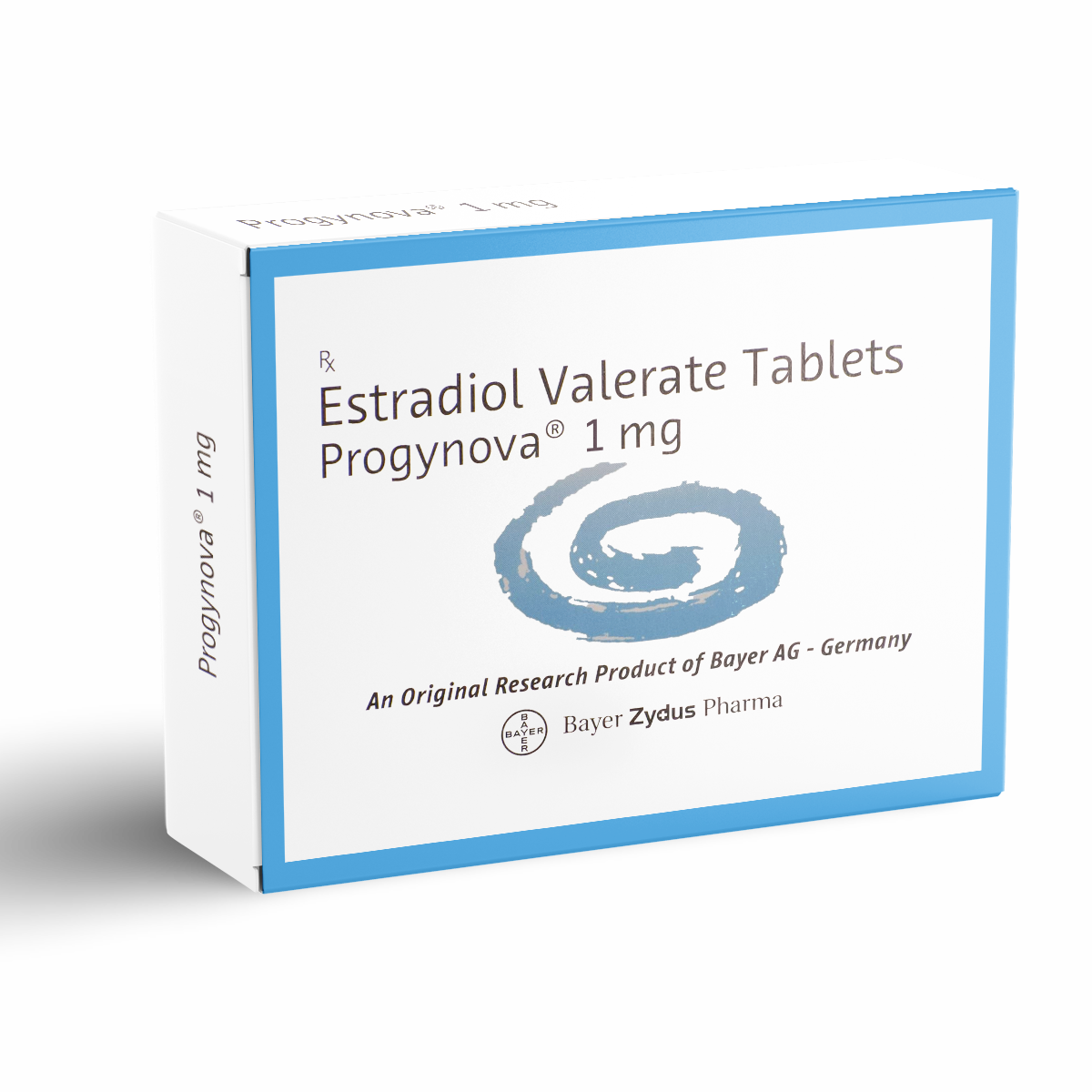
Progynova 1 mg
Starting at just $0.20 per tabletBuy NowHow does progesterone affect weight?
Progesterone interacts with several systems in the body that directly influence weight, and understanding these pathways helps explain why some women are more affected than others. The three main mechanisms are fluid balance, appetite regulation, and metabolism, each of which can act on its own or build on one another depending on the individual and the form of progesterone involved.
Water retention and bloating
One of the most common reasons women notice weight changes with progesterone is fluid retention. After ovulation, progesterone levels rise and remain elevated until the start of a period. During this time, when progesterone is high, the body can become more prone to retaining water, leading to bloating, swelling in the extremities, and a temporary rise in body weight unrelated to fat gain. As progesterone drops and bleeding begins, this fluid retention typically resolves on its own.
During pregnancy, progesterone levels rise much more, and fluid retention becomes a more consistent contributor to weight changes throughout the first and second trimesters. In women going through perimenopause or taking hormone therapy, hormonal shifts can trigger similar fluid-related changes even without a regular menstrual cycle.
Appetite and cravings
Progesterone reduces the body’s sensitivity to leptin, the hormone that signals fullness after eating, making hunger feel more frequent and intense than usual. This can occur during the luteal phase of the menstrual cycle, during the first trimester of pregnancy when progesterone rises sharply, or when taking progesterone supplements or hormone therapy. Many women report stronger cravings, particularly for carbohydrate-rich, energy-dense foods, during these periods.
If caloric intake increases consistently over time without a corresponding increase in activity, this appetite effect can lead to gradual weight gain that is more lasting than the temporary changes caused by fluid retention alone.
Metabolism and insulin sensitivity
Progesterone affects how efficiently the body burns and stores energy by influencing insulin sensitivity and overall metabolic function.
During the luteal phase, when progesterone levels rise after ovulation, glucose metabolism can become less efficient, potentially affecting how the body processes and uses glucose for energy. Similar effects can occur during pregnancy and when taking higher doses of synthetic progestins as part of hormone therapy or contraceptive treatment.
As a result, glucose can be stored more easily rather than being used immediately, which can contribute to temporary weight changes in some women. Women using hormone therapy or contraception with synthetic progestins can respond differently from those using body-identical progesterone because these medicines vary in dose, route, and receptor activity. However, weight gain is not guaranteed, and many women do not experience major changes.
Thyroid function and metabolism
When progesterone levels are low, and estrogen becomes relatively more dominant, the body can produce higher levels of the protein thyroid-binding globulin (TBG). TBG binds to circulating thyroid hormones, particularly T3 and T4, and reduces the amount available for the body to use. This can impair the thyroid’s ability to regulate metabolism, contributing to weight changes even when diet and activity remain unchanged. Women who already have borderline thyroid function tend to be more sensitive to this effect.
Estrogen dominance and weight
When progesterone levels fall, and estrogen becomes relatively more dominant, particularly around perimenopause, fluid retention and body fat redistribution can occur more readily. This hormonal imbalance can affect how and where the body stores fat, especially around the abdomen. This effect is more commonly linked to a drop in progesterone than to its rise, and it is a distinct mechanism from the effects of high progesterone levels.
Who is more likely to gain weight with progesterone?
Not every woman responds to progesterone the same way. Some groups are more likely to notice weight changes than others. These include:
- Women using birth control with synthetic progestins: The DMPA injection carries the highest risk. Synthetic progestins have a stronger effect on appetite and fat metabolism than body-identical progesterone, especially at injectable doses.
- Women going through perimenopause and menopause: Falling progesterone allows estrogen to dominate, which can increase fluid retention, slow thyroid-driven metabolism, and shift fat storage toward the abdomen.
- Women on hormone therapy: Those on synthetic progestin-based hormone therapy, especially at higher doses or longer durations, are more prone to appetite changes and gradual weight gain over time.
Managing weight changes linked to progesterone
Weight changes from progesterone can often be managed effectively with consistent lifestyle habits, and in many cases, these adjustments make a noticeable difference without the need for medical intervention. The following strategies help reduce the impact of hormonal fluctuations on body weight:
- Balanced diet: A diet rich in protein, fiber, and healthy fats helps regulate appetite and reduce the cravings that progesterone can trigger, particularly during the luteal phase of the cycle.
- Regular exercise: Strength training and cardio help maintain insulin sensitivity and support healthy metabolism, both of which progesterone can disrupt when levels are consistently high or supplemented.
- Reducing salt intake: Lowering sodium intake is one of the most effective ways to minimize water retention and bloating, which are directly linked to hormonal fluctuations throughout the cycle.
- Quality sleep: Poor sleep can affect the hormones that regulate hunger and fullness, further contributing to the appetite changes already caused by progesterone.
- Stress management: Regular stress relief practices can help lower cortisol, a stress hormone that can worsen insulin resistance and make weight management harder during sensitive hormonal phases.
When to see a doctor
Occasional weight fluctuations linked to the menstrual cycle or the first few weeks of starting a progesterone-based medicine are generally normal and not a cause for concern on their own. However, it is worth speaking to a doctor when:
- Weight gain is persistent and does not respond to dietary or lifestyle adjustments over several weeks.
- Bloating and fluid retention are severe, uncomfortable, or do not improve after a period ends or within the first adjustment period of starting a progesterone-based medicine.
- Weight changes began directly after starting a progesterone-based contraceptive or hormone therapy and have continued since.
- Other symptoms are also present, such as persistent fatigue, mood changes, or irregular periods, which can suggest an underlying hormonal imbalance requiring testing.
A doctor can perform hormone testing to determine whether progesterone, estrogen, or thyroid hormones are driving the weight changes and recommend the most appropriate treatment adjustment.
Conclusion
Progesterone can contribute to weight gain, though the connection is indirect and depends on several factors rather than direct fat gain. It mainly works by influencing fluid retention, appetite, thyroid function, and glucose metabolism, which together can cause temporary bloating and gradual weight changes.
The form and dose make a significant difference in how strongly these effects show up. The DMPA injection is most consistently linked to noticeable weight gain, while body-identical progesterone and hormonal IUDs like Mirena are associated with far smaller changes. Women going through perimenopause, those on hormone therapy, and women using synthetic progestins are most likely to notice these effects.
A balanced diet, regular exercise, reduced salt intake, and quality sleep can reduce the impact. Still, persistent weight gain or other hormonal symptoms should always be evaluated by a doctor.

Frequently Asked Questions
Can progesterone cause weight gain after menopause?
Yes, progesterone can cause weight gain after menopause, especially when used as part of Hormone Replacement Therapy. However, menopause itself also causes hormonal changes, particularly lower estrogen levels, which are more commonly linked to abdominal fat gain and weight changes.
Can progesterone cause weight gain in men?
Yes, abnormally high progesterone in men, which can occur with certain hormonal conditions or tumors, can reduce testosterone levels and indirectly affect body composition. Lower testosterone levels reduce muscle mass and slow metabolism, which can lead to gradual weight gain over time, even without significant changes in diet or activity.
Can progesterone cause weight gain during pregnancy?
Yes, progesterone levels rise significantly during pregnancy and contribute to weight changes by increasing fluid retention, stimulating appetite, and slowing digestion. These changes are a normal part of pregnancy. However, total pregnancy weight gain is influenced by many factors, including the growing baby, placenta, and body fluid changes, not progesterone alone.
Does progesterone or estrogen cause more weight gain?
Both progesterone and estrogen can influence weight differently. Progesterone is more often linked to temporary bloating, water retention, and appetite changes, while low estrogen after menopause is more strongly associated with long-term fat redistribution and abdominal weight gain.
GoodRxMedicine only refers to credible, authoritative sources for our content. If you're curious about how we ensure the integrity of our content, we encourage you to read our Content Information Policy.

Julian Carter is a highly accomplished MBA graduate in Pharmaceutical Management, celebrated for his extensive experience and exceptional skills in the pharmaceutical industry. With a wealth of knowledge and expertise, Julian is a valuable contributor to the field and a trusted voice in pharmaceutical management.
As a contributing writer for Goodrxmedicine.com, Julian is committed to educating and empowering individuals to make informed decisions about their health. His passion for the industry is evident in his work, and his dedication to improving the lives of others through education and empowerment is truly remarkable.
With a reputation for excellence and a track record of success, Julian Carter is a respected and admired figure in pharmaceutical management. His insights and contributions to the field are highly valued, and her expertise has helped shape the direction of the industry for the better.
Through his work as a contributing writer for Goodrxmedicine.com and beyond, Julian continues to make a meaningful impact in the lives of many. His commitment to excellence and dedication to improving the health of individuals and communities around the world make him an inspiration to others in the field.