



It is generally assumed that women lose interest in sex after 50, but that’s not always the case. Many women continue to value and enjoy sexual intimacy well into later life. However, challenges can arise due to the physical changes associated with menopause and aging, such as hormonal shifts, reduced lubrication, or changes in arousal and sensitivity.
While these changes can influence sexual response, they do not eliminate desire. Factors such as physical health, emotional connection, relationship quality, and self-confidence often play a greater role in sexual interest than age alone. One can improve their sexual response by addressing these factors by incorporating simple strategies, such as using lubricants, staying physically active, managing stress, and fostering emotional intimacy.
This article explores the question of whether women like sex after 50 and talks about strategies for maintaining a fulfilling sexual life in later years.
Do women like sex over 50?
Yes, many women continue to enjoy sex well after the age of 50, and for some, sexual experiences become even more satisfying and meaningful than in earlier years. To them, emotional fulfillment and intimacy often become more important with age. Additionally, trust, communication, and shared experiences enhance their sexual pleasure more than frequency or spontaneity.
Save up to 90% on your medicine bills

Lovegra Oral Jelly Rx 100 Mg

Lovegra 100 mg
Starting at just $2.19 per tabletBuy Now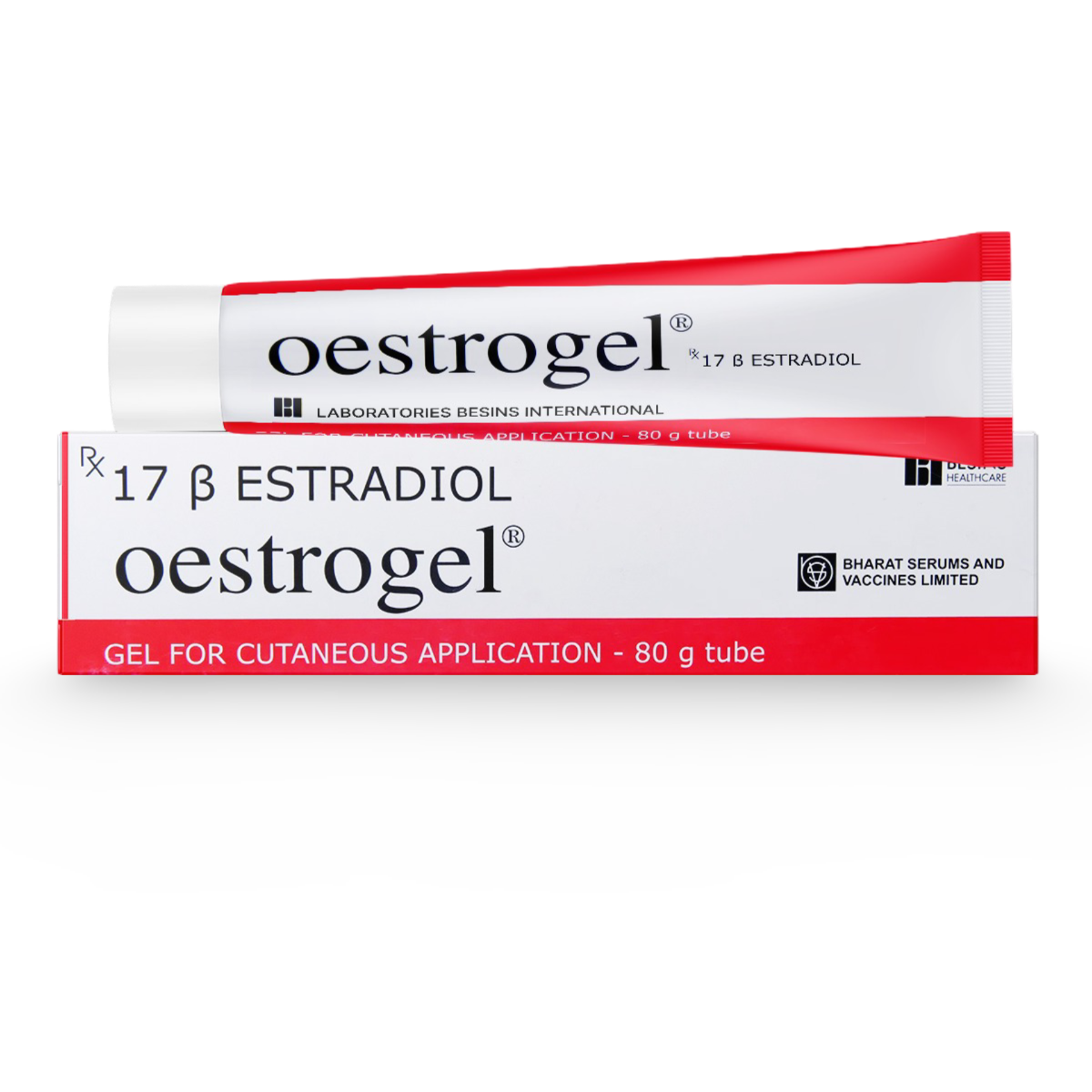
Oestrogel Gel 80 gm
Starting at just $38.02 per tubeBuy Now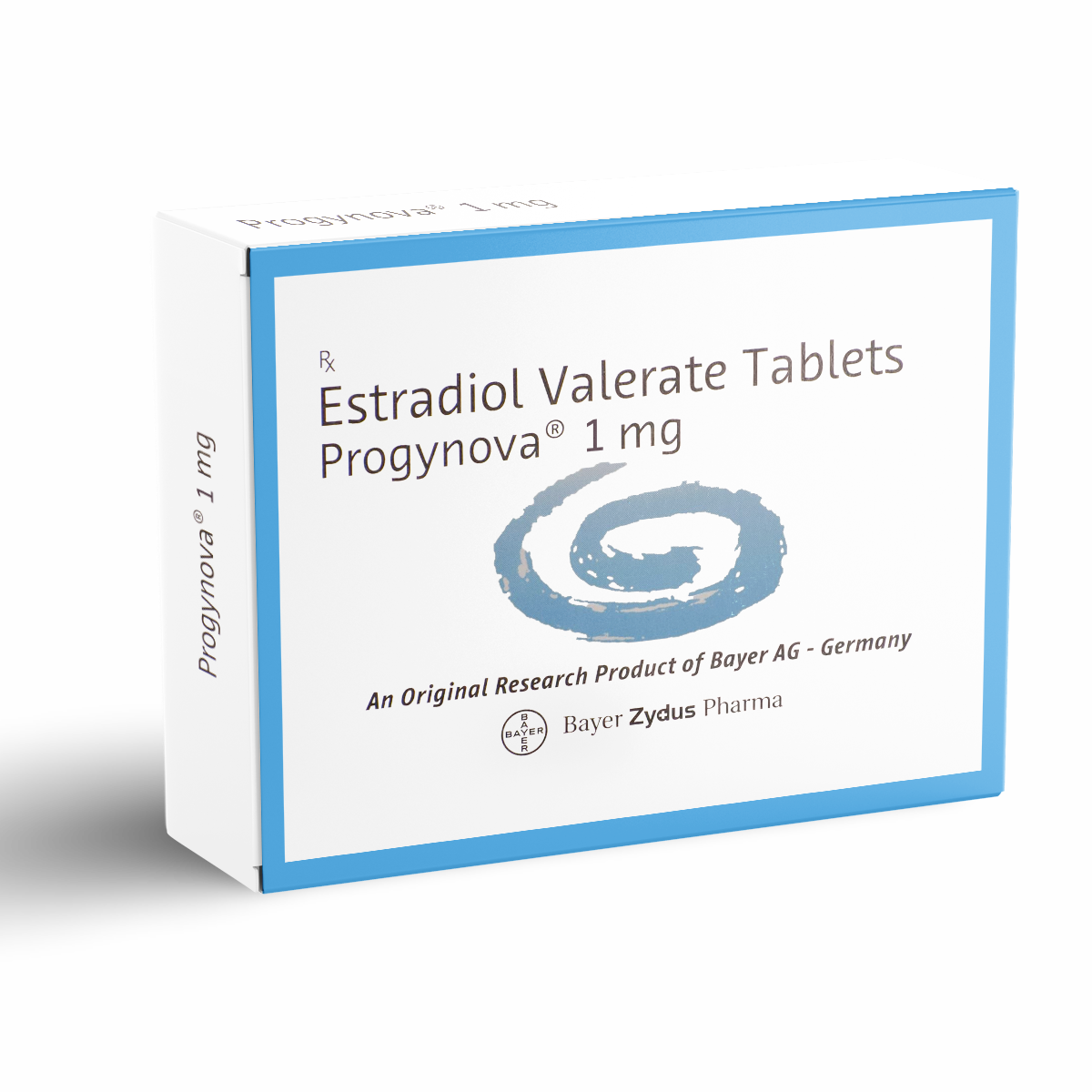
Progynova 1 mg
Starting at just $0.20 per tabletBuy NowSome reasons why women like sex after 50 are:
- Greater confidence and freedom: Women feel more in control of their sexual experiences and preferences, without feeling pressured to please others and with a stronger sense of self.
- No pregnancy concerns: They can feel more relaxed and free to focus on pleasure and connection, without worrying about unintended pregnancy.
- Deeper emotional intimacy: Long-term relationships often allow for greater trust and emotional closeness, which can enhance physical intimacy.
- More time and privacy: Women often feel more relaxed and have the time and space to enjoy an unhurried, more fulfilling sexual connection, with fewer work and family responsibilities.
Even though sexual desire stays, challenges such as fluctuations in libido and achieving sexual satisfaction can arise due to factors like menopause. Hormonal changes can affect sexual response, including arousal, sensitivity, and lubrication, and physical changes like vaginal dryness or thinning tissues can make intimacy feel different.
How menopause influences sex drive
Menopause and libido are closely connected, as hormonal changes during this phase can significantly influence your sex drive, often reducing it. During menopause, the body produces lower levels of estrogen and testosterone, hormones that are essential for sexual response. These hormonal shifts can affect arousal, sensitivity, and natural lubrication, changing how the body responds to sexual stimulation.
Physical changes during menopause that can affect your sexual experience include:
- Vaginal dryness due to reduced natural lubrication.
- Thinning and reduced elasticity of vaginal tissues.
- Slower arousal and a longer time needed to feel sexually responsive.
- Changes in genital sensitivity, which may reduce pleasure or cause discomfort.
- Increased likelihood of irritation or pain during intercourse.
In addition to physical changes, menopause can also indirectly affect your desire. Hot flashes, night sweats, sleep disturbances, mood fluctuations, and stress may reduce your overall interest in sex.
How to increase or maintain sexual desire after menopause
If you’re experiencing changes in desire, there are effective ways to support sexual desire after menopause. Improving libido often involves addressing both physical comfort and emotional well-being. These strategies can help you stay connected to your body and maintain a satisfying sex life.
- Healthy lifestyle and mindset: Exercise regularly, prioritize sleep, eat a balanced diet, manage stress, and communicate openly with your partner to support energy, mood, and sexual desire after menopause.
- Intimacy and physical comfort: Increase foreplay, use lubricants or moisturizers, and explore new positions or fantasies to enhance arousal and enjoyment.
- Herbal remedies: These include supplements like maca root, ginseng, L-arginine, or zinc, which can modestly support sexual function, mood, and blood flow. However, consult your doctor before use to avoid any unwanted complications.
- Medical support: Hormone therapy (estrogen), low-dose testosterone, non-hormonal medications (Addyi or Vyleesi), and reviewing medications that may affect libido can help address persistent low libido or discomfort. Always consult a doctor before opting for these treatments.
- Therapy and emotional support: Sex therapy, couples counseling, and emotional reassurance can improve communication, reduce anxiety or shame, and strengthen intimacy and desire.
Conclusion
Many women do enjoy sex after 50, and sexual desire often continues well into later life. With greater self-awareness, emotional maturity, and open communication, many women find that sex becomes more meaningful and satisfying over time.
Although factors such as menopause can bring changes, including hormonal shifts, vaginal dryness, and a decrease in arousal, these challenges do not mean intimacy has to stop.
Practical strategies such as using lubricants, managing stress, and prioritizing emotional connection can improve sexual comfort and response. When needed, medical options, supplements, or therapy can provide additional support. Overall, sex after 50 can enhance physical health, emotional well-being, and relationship satisfaction, showing that desire can adapt and thrive at any age.

Frequently Asked Questions
Do 60-year-old women still get wet?
Yes, many 60-year-old women still get wet during arousal, although menopause-related estrogen decline may reduce lubrication. It can be managed with lubricants, moisturizers, or hormone therapy, allowing comfortable, satisfying sex well after 60.
At what age do women no longer need sex?
There is no specific age at which women no longer need or want sex. Desire varies by individual and depends on factors such as health, emotions, relationships, and comfort, rather than age. Many women continue to enjoy and value sex well into later life.
How long can a lady stay without sex?
A woman can stay without sex for any length of time without physical as well as biological (including hormonal balance) harm. There’s no medical limit to the duration. This is because sexual need varies by individual and depends on desire, health, emotional well-being, and personal choice, not a timeline.
Does HRT increase sex drive?
Yes, Hormone Replacement Therapy (HRT) can improve sex drive for some women by relieving menopause symptoms like vaginal dryness, discomfort, and low estrogen levels. By improving comfort and arousal, HRT may indirectly increase sexual desire, though results vary individually.
GoodRxMedicine only refers to credible, authoritative sources for our content. If you're curious about how we ensure the integrity of our content, we encourage you to read our Content Information Policy.

Julian Carter is a highly accomplished MBA graduate in Pharmaceutical Management, celebrated for his extensive experience and exceptional skills in the pharmaceutical industry. With a wealth of knowledge and expertise, Julian is a valuable contributor to the field and a trusted voice in pharmaceutical management.
As a contributing writer for Goodrxmedicine.com, Julian is committed to educating and empowering individuals to make informed decisions about their health. His passion for the industry is evident in his work, and his dedication to improving the lives of others through education and empowerment is truly remarkable.
With a reputation for excellence and a track record of success, Julian Carter is a respected and admired figure in pharmaceutical management. His insights and contributions to the field are highly valued, and her expertise has helped shape the direction of the industry for the better.
Through his work as a contributing writer for Goodrxmedicine.com and beyond, Julian continues to make a meaningful impact in the lives of many. His commitment to excellence and dedication to improving the health of individuals and communities around the world make him an inspiration to others in the field.