




Do you often experience pain or intense irritation during intimate moments with your partner? That’s vaginal dryness, or vaginal atrophy, and it is far more common than most of you expect. Although it is generally associated with menopause, it can happen at any age. Vaginal dryness can affect more than just intimacy; it can make everyday activities uncomfortable, too.
Fortunately, you don’t have to live with the irritation or wait for it to go away on its own. There are many proven ways to enhance vaginal moisture and comfort, depending on the cause and severity of the symptoms. Natural approaches like staying sexually active and doing pelvic floor exercises can offer notable relief. Moreover, you can apply OTC products like lubricants in or around the vagina to improve lubrication and make sex painless.
In this guide, we’ll talk about 3 effective methods to manage vaginal dryness, including lifestyle changes, OTC products, and prescription treatments. You’ll further learn how each method works, when to use them, and what small steps can help you maintain long-term vaginal comfort and health.
Method 1. Manage dryness with lifestyle changes
Lifestyle changes are often the first step in managing vaginal dryness. When you start taking care of your body every day, you create the right conditions for moisture to return and sustain naturally in the long term. These natural changes won’t eliminate dryness overnight, but they enhance blood circulation, support your vaginal tissues, and make other treatment options, such as hormonal therapy or moisturizers, work even better.
Have a look at some simple steps you can follow consistently:
1. Stay hydrated
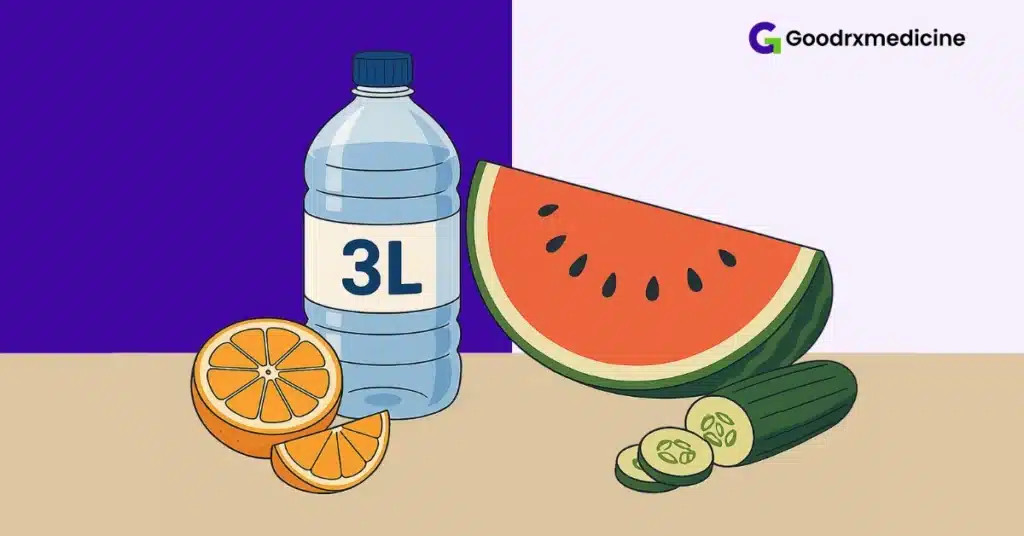
On average, women need to drink around 2.75 liters of water a day. Maintaining hydration helps your tissues, including those in the vagina, retain moisture. If you don’t maintain hydration, it will make your vaginal tissues vulnerable to dryness. Here’s what you have to do:
- Carry a water bottle and hydrate yourself throughout the day, rather than drinking it all at once.
- Add water-rich foods like cucumbers, oranges, and watermelon to your diet for a boost of hydration.
- You should reduce alcohol or caffeine intake if it makes you feel more dehydrated.
2. Do pelvic floor exercises
Pelvic floor exercises, also known as Kegels, primarily strengthen the pelvic muscles, which play a direct role in sexual activity. Pelvic muscles are those you use to control your urine. This exercise improves circulation and promotes natural lubrication.
Here’s how to do this exercise regularly:
- Practise Kegels by tightening and then relaxing pelvic muscles for 4-5 seconds.
- Repeat this cycle 10-15 times for 2-3 times per day.
- Be consistent since results will show gradually over a few weeks.
3. Stay sexually active
Regular sexual activity naturally promotes lubrication and boosts blood flow into the vagina. Some tips to maintain an active sexual life are:
- Discuss with your partner and engage in sexual activity or intimate romance daily. Even mild stimulation can help increase moisture.
- Focus more on foreplay to give your body sufficient time to lubricate naturally.
- Use a lubricant during intercourse if you feel irritation.
- You can also try masturbation as it promotes natural lubrication by increasing blood flow. Use sex toys, like a vibrator, or your fingers for self-stimulation.
4. Eat a hormone-supportive, balanced diet
Whatever you eat daily influences your tissue health and hormone levels. Therefore, a nutrient-rich diet can promote healthy vaginal tissues while supporting estrogen (female hormone) production. Adequate estrogen will keep the vaginal tissues healthy and moist, reducing dryness over time.
Diet tips to follow are:
- Eat foods rich in healthy fats, including fatty fish and nuts.
- Include vegetables and fruits that are enriched with antioxidants to promote tissue repair.
- Take omega-3 fatty acids and vitamin E to maintain moisture.
- Avoid processed food and excess sugar, as they can worsen your dryness.
5. Manage stress levels
Stress can increase the levels of cortisol (stress hormone), which can disrupt your hormonal balance. A low estrogen level will further promote dryness. Here’s how you can relieve stress:
- Practice relaxation techniques, including yoga, deep breathing, or meditation, for 10-20 minutes daily.
- Aim for a maximum 7–8 hours of quality sleep each night.
- Take short breaks during the day to lower both physical and mental tension.
- Engage in activities or pursue hobbies that you enjoy to support emotional well-being.
6. Avoid irritants
Irritants can either trigger or worsen your dryness, particularly if your skin is sensitive. Several daily-use products, such as soaps or wipes, generally seem harmless but can actually reduce your natural moisture. Here’s what you can do to avoid this:
- Avoid harsh cleansers and fragrance soaps for your vagina.
- Avoid using scented wipes or douching (liquid flushed into the vagina for cleaning).
- Wear 100% cotton underwear to allow air circulation.
- Use gentle laundry detergents to wash undergarments.
Method 2. Use OTC products
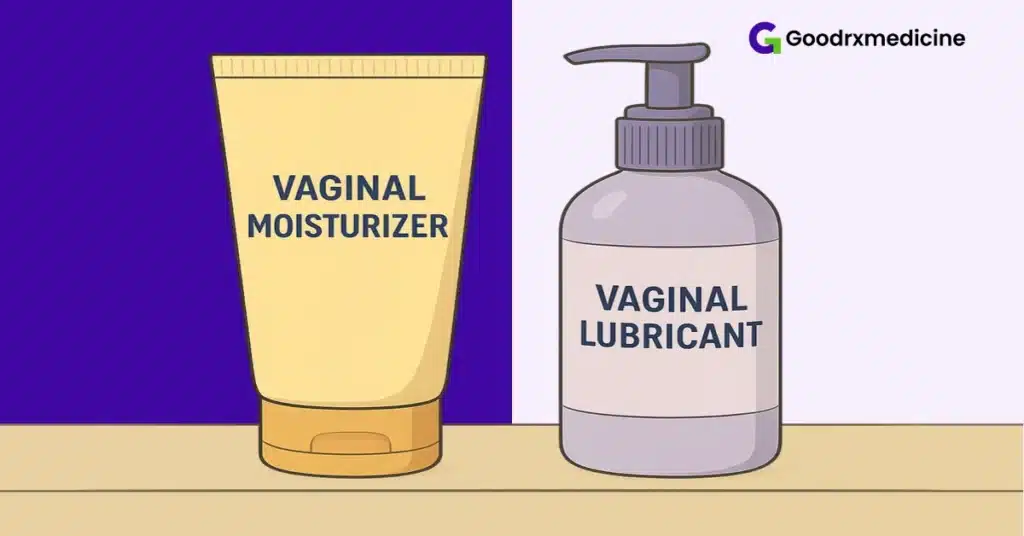
This is the easiest method for managing dryness when lifestyle changes don’t offer much benefit. OTC products for vaginal dryness mainly include lubricants and moisturizers. Furthermore, if your dryness happens only during sex or is mild to moderate, these products will provide you with relief without needing any clinical treatment. Let’s have a look at what these products are and how they will help you:
1. Vaginal moisturizers
Vaginal moisturizers will restore the moisture gradually, and not just during intimacy. These are non-hormonal products, available in various formulations, including creams, gels, and suppositories (a solid, round/cone-shaped medication).
Here’s how to use them:
- For long-term relief, apply the cream or gel directly to your vaginal opening every 2-3 days, and not just before sex.
- For suppositories, lie on your back and spread the labia with your fingers. Next, insert it inside the vaginal opening with your hands or applicator. Insert at night to prevent leakage.
- Select hypoallergenic (less potential to trigger allergies) and fragrance-free products to lower the risk of irritation.
If the chosen brand isn’t working for you, try another one that suits you.
2. Vaginal lubricants
Lubricants are usually applied during sexual activity to reduce discomfort and friction. They add artificial moisture to reduce irritation triggered by insufficient natural lubrication. These include water-based lubricants and silicone-based lubricants.
Here are the tips to use them:
- Apply the lubricant (right before intimacy) directly in or around your vagina, or on your partner’s penis.
- Use water-based formulations if you are using condoms or have sensitive skin.
- Use silicone-based formulations if the sexual session is long and you require long-lasting lubrication.
- Avoid lubricants that have added scents, flavors, or glycerin if they trigger skin irritation.
Tip: If you prefer natural lubricants, consider using natural oils, such as coconut oil (unrefined virgin). You can apply it externally or internally before doing a patch test. However, if your partner is using a condom, avoid oils as they damage the latex.
Method 3. Medical treatments for targeted relief
Prescribed medical treatments will be more suitable when OTC options don’t work for you, dryness is severe, or associated with hormonal changes, such as menopause (permanent pause on menstruation). They work at a deeper level to provide long-lasting relief.
1. Hormone-based therapy
This method includes estrogen therapy and Hormone Replacement Therapy (HRT). Estrogen therapy uses low-dose estrogen to restore hormone levels and improve vaginal moisture, reducing dryness, pain, and itching during intimacy. HRT (estrogen alone or combined with progesterone) is recommended when vaginal dryness occurs alongside menopausal symptoms like night sweats.
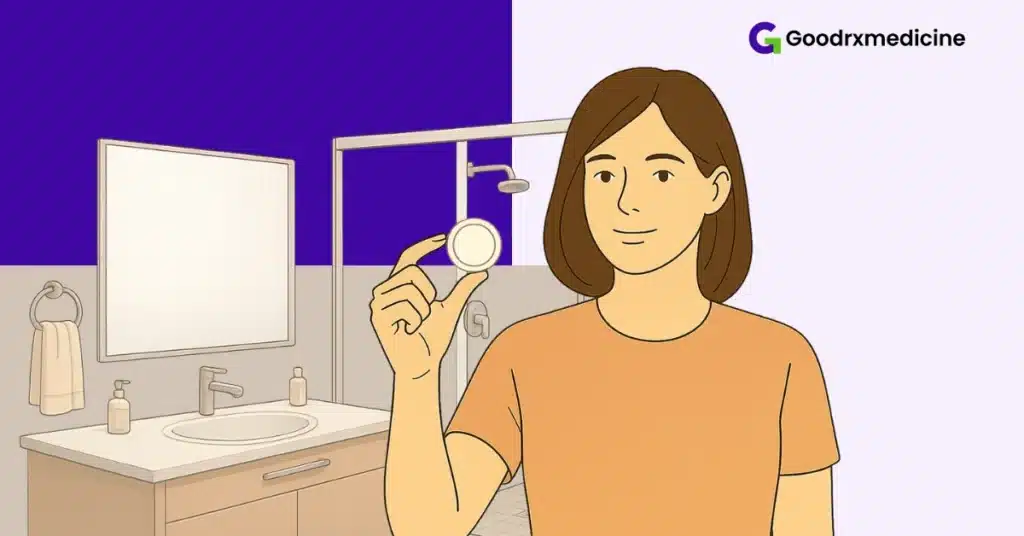
Hormonal therapy is available in various forms, including tablets, rings, patches, creams, gels, such as Oestrogel Gel, and oral pills. Apply the patch below the waist and gels to the inner thighs or arms. Avoid vaginal and breast areas. Moreover, use an applicator to insert creams and tablets into the vagina. Vaginal ring requires a bit more care to use. Here’s how to use it:
- Wash your hands and hold the soft, flexible ring between your index finger and thumb.
- Pinch the ring to make its sides touch.
- Insert the ring as far as you can into your vagina. Do it cautiously and avoid forcing it. If you feel discomfort, try adjusting the placement.
- The ring will release a consistent dose of estrogen once it is appropriately situated.
2. Vaginal Dehydroepiandrosterone (DHEA) or Prasterone
DHEA is a prescription-only, safe medicine that helps your vaginal tissues become healthier, naturally lubricated, and thicker, without triggering hormonal changes. It converts itself into estrogen in the vaginal tissue to treat severe dryness in postmenopausal women. Contact your doctor immediately if you notice any changes in discharge or experience irritation after using DHEA.
Here’s how you have to use it:
- Wash your hands properly before touching the DHEA suppository.
- Gently insert it into the vagina as far as you feel comfortable.
- Lie down for 2-3 minutes after insertion to allow the suppository to completely dissolve.
- Use it once a day at bedtime, consistently for around 12 weeks, to see full results.
Ultimately, lifestyle adjustments are simple but highly useful for managing vaginal dryness. When combined with OTC products like lubricants or medical treatments such as DHEA and hormonal therapy, including estrogen therapy or HRT in the form of gels or oral pills like Progynova 2 mg, you’ll notice enhanced comfort and better vaginal health.
Frequently Asked Questions
How to treat vaginal dryness due to Sjogren’s?
Vaginal dryness associated with Sjogren’s, an autoimmune disease, can be treated naturally by using olive oil, vitamin E oil, or aloe vera gel. If there is no notable improvement, vaginal moisturizers or hormonal gels and creams can be used.
Can PCOS cause vaginal dryness?
Yes, Polycystic Ovary Syndrome (PCOS) can cause vaginal dryness as it is associated with hormonal imbalance. Low levels of estrogen and high testosterone levels in women lead to reduced lubrication. This causes itching, irritation, burning, and pain during sexual activity.
What does vaginal dryness feel like?
Vaginal dryness usually feels like soreness or irritation in or around your vagina. Sexual activity can feel sharp instead of smooth, causing stinging. Daily activities like walking or wearing tight clothes can feel irritating. Dryness can also result in Urinary Tract Infection (UTI) or frequent urges to urinate.
When should I see a doctor about dryness?
You should see a doctor when dryness becomes severe and starts to impact your daily life or your relationship with your partner. It’s also important to seek medical advice if OTC products don’t provide relief, or if you notice unusual vaginal discharge or bleeding after sex.
When referencing outside resources, GoodrxMedicine always provides full citations. To learn more about the measures we use to maintain the quality of our content, please review our Content Information Policy.