




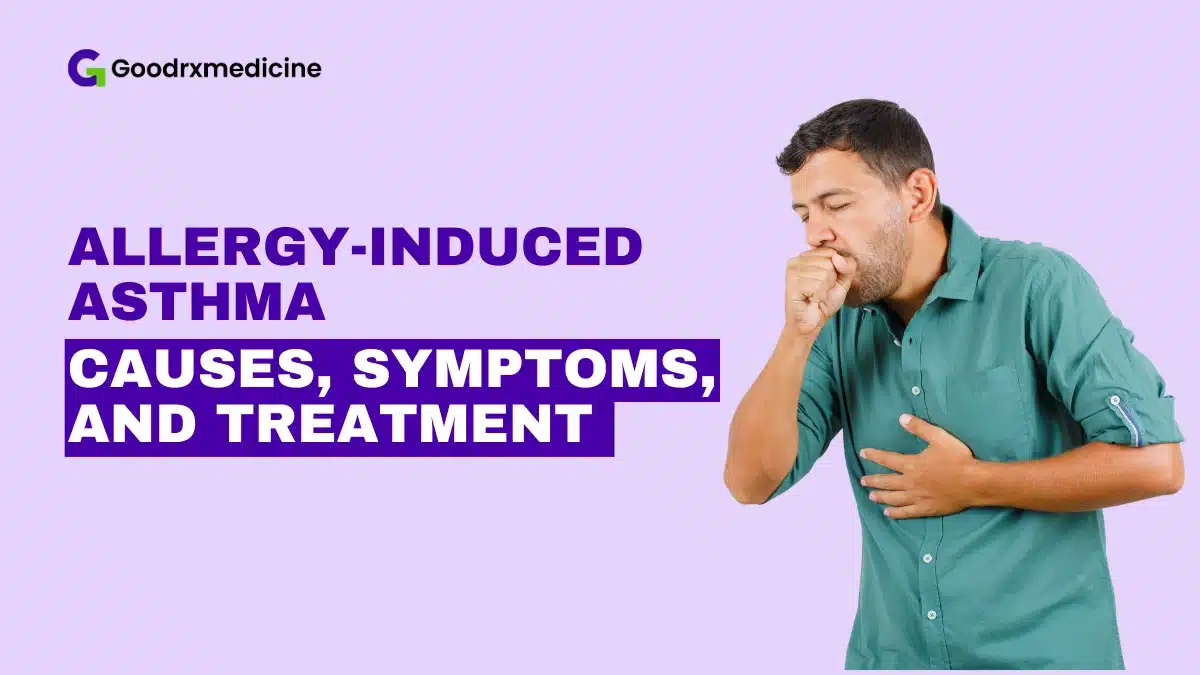
Allergy-induced Asthma, or allergic Asthma, is a common respiratory condition in which daily allergens such as pollen, dust mites, pet dander, or mold cause the airways to swell and constrict. When a person with this condition encounters a trigger, their chest may tighten, breathing may become loud or wheezy, and coughing or shortness of breath may occur.
These episodes can be minor and brief or severe and frightening, requiring immediate medical attention. It is closely linked to allergic reactions and often occurs in people with a personal or family history of allergies, eczema, or hay fever. As the most common form of Asthma, it affects both children and adults and can considerably impact daily life if left unmanaged.
However, understanding what causes allergic Asthma, recognizing symptoms early, and learning how to manage flare-ups are all important steps toward better respiratory health and improved overall quality of life. This article will cover every aspect of allergic Asthma, including its symptoms, causes, and treatment options.
What is allergy-induced Asthma?
Allergy-induced Asthma occurs when your immune system overreacts to harmless molecules known as allergens. When you breathe in a trigger, such as pollen, dust mites, pet dander, or mold, your immune system mistakenly recognizes these harmless substances as threats and produces immunoglobulin E (IgE) antibodies.
These antibodies trigger the production of inflammatory substances, such as histamine, which can cause inflammation, excess mucus, and muscle tightening in your airways. This makes breathing difficult, causing symptoms, including watery eyes, apart from wheezing and chest tightness. Basically, a minor allergy reaction turns into a complete respiratory flare-up, making it difficult to breathe.
Save up to 90% on your medicine bills
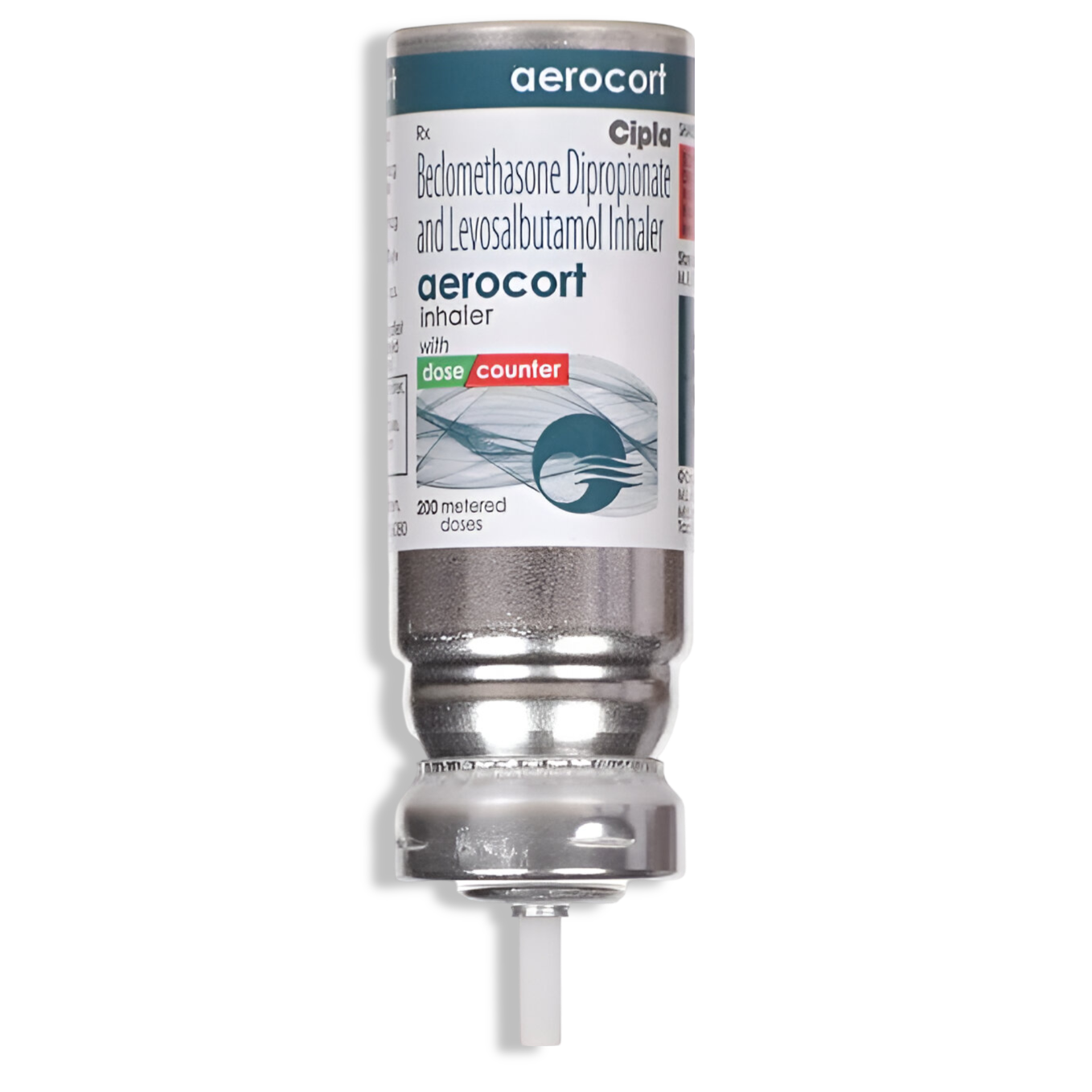
Aerocort Inhaler 50 mcg + 50 mcg
Starting at just $0.07 per doseBuy Now
Bolstran 150 Mg Injection
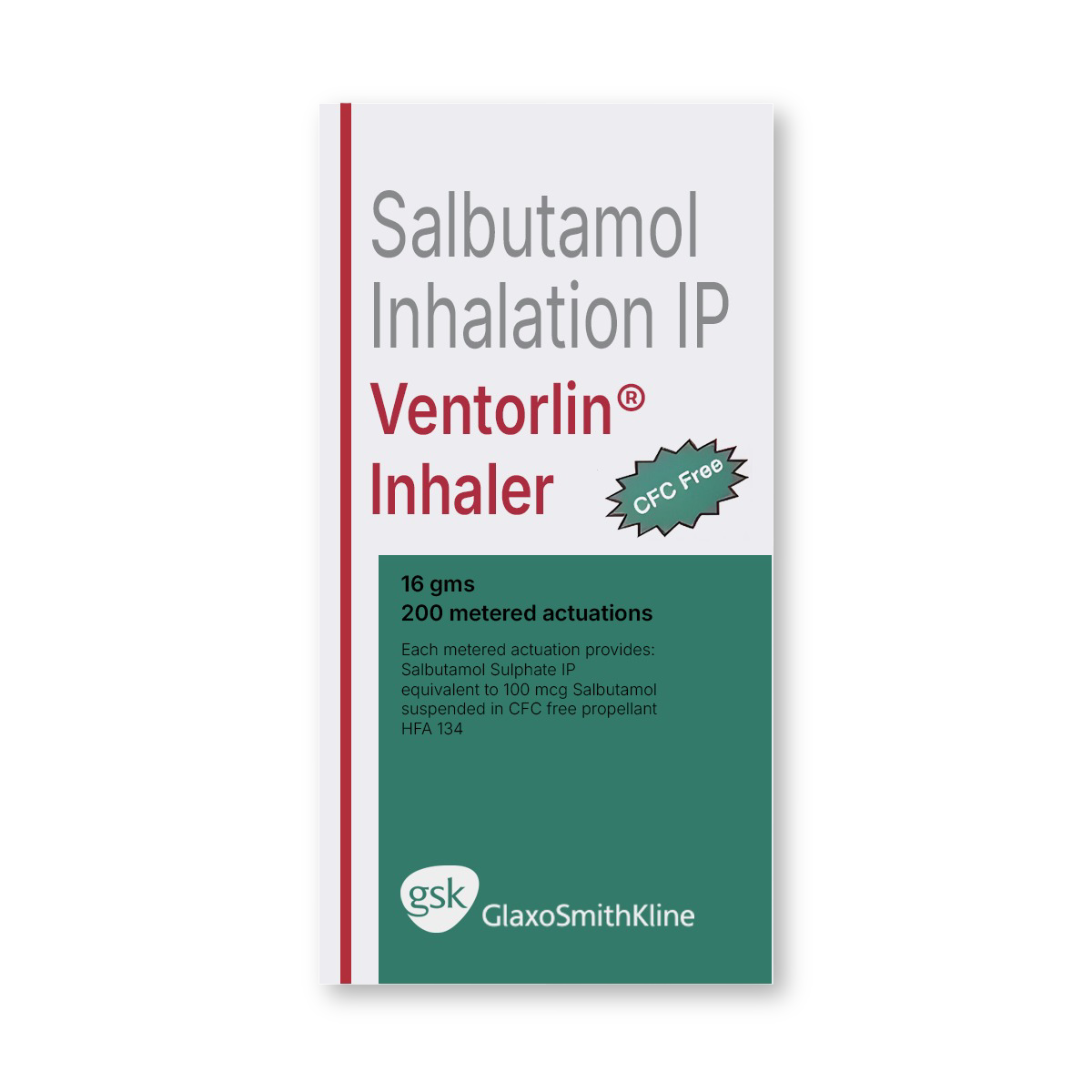
Ventorlin CFC Free Inhaler 100 mcg/18 mg
Starting at just $0.05 per doseBuy Now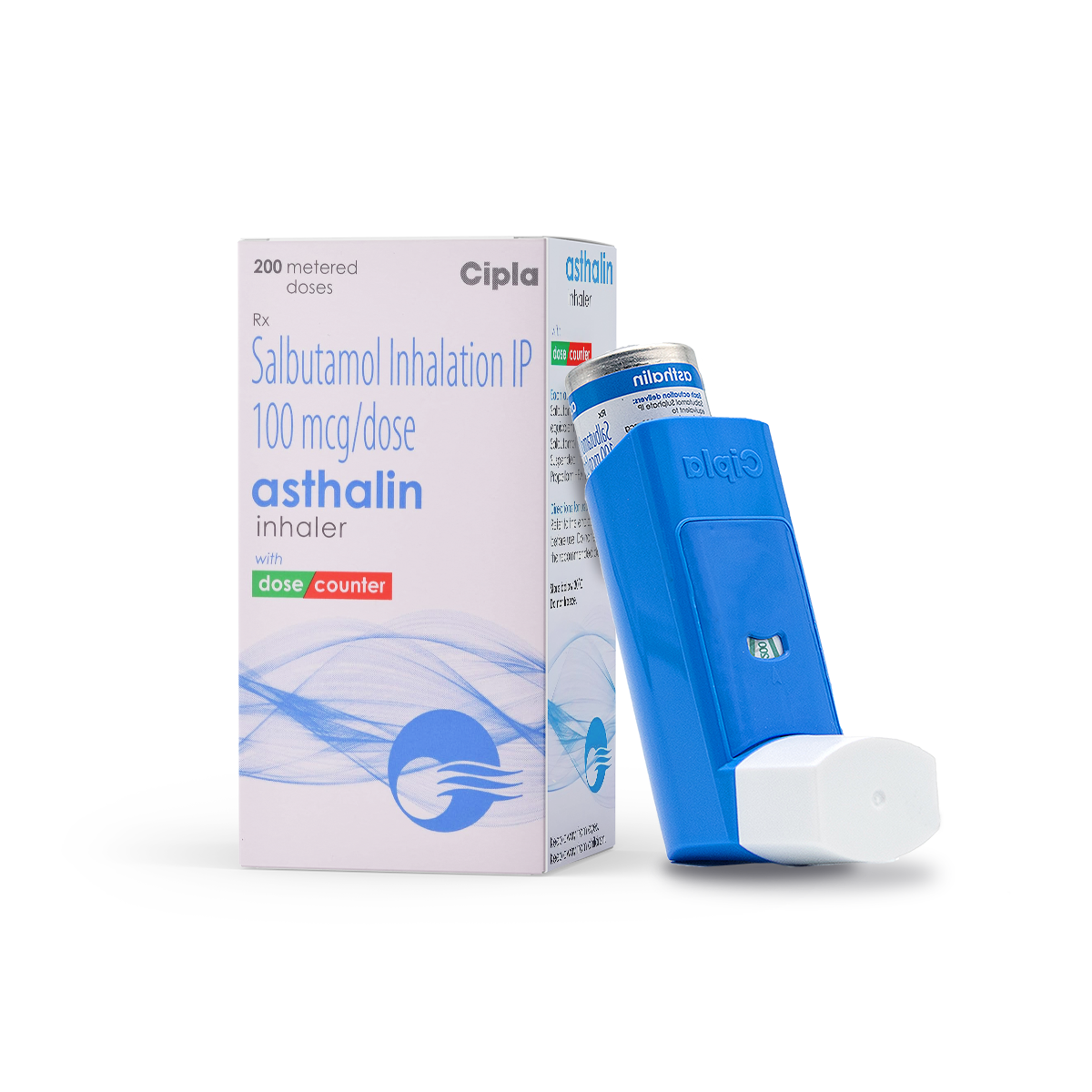
Asthalin HFA Inhaler 100 mcg
Starting at just $7.32 per bottleBuy NowAllergy-induced Asthma symptoms
Symptoms of allergic Asthma can occur immediately after allergen exposure or develop gradually. Asthma symptoms include:
- Wheezing
- Persistent coughing
- Shortness of breath
- Chest tightness
- Rapid breathing
- Difficulty sleeping due to breathing problems
Besides Asthma symptoms, additional allergy-related symptoms can also occur, including:
- Runny nose
- Nasal congestion
- Sneezing
- Itchy eyes
- Watery eyes
- Itchy throat
Allergic Asthma causes and risk factors
Several genetic, environmental, and lifestyle factors can increase a person’s risk of developing asthma triggered by allergies. While not everyone who is exposed to allergens gets Asthma, it makes the immune system more likely to react excessively to otherwise harmless substances, including:
- Allergens: Allergy-induced Asthma develops when the immune system reacts excessively to allergens such as dust mites, pollen, pet dander, mold, and cockroach particles. This reaction triggers the release of inflammatory chemicals, such as histamine, which can cause airway swelling and narrowing, leading to coughing, wheezing, chest tightness, and shortness of breath.
- Genetic factors: A family history of Asthma, allergies, Eczema, or allergic Rhinitis raises the risk of developing allergic Asthma. Inherited genetic features can make the immune system more susceptible to allergens, leading to amplified allergic reactions and an increased risk of airway inflammation.
- Tobacco smoke exposure: Tobacco smoke exposure increases the chance of developing and worsening allergy-induced Asthma. Cigarette smoke contains numerous chemicals, such as nicotine, that irritate the airways, cause inflammation, and impair lung function. Children exposed to secondhand smoke are more sensitive and could be more likely to develop Asthma and other respiratory disorders.
- Environmental exposure: Frequent exposure to allergens such as pollen, dust mites, mold, pet dander, or cockroach allergens can increase the risk of allergic Asthma. Repeated exposure can sensitize the immune system, increasing the likelihood of developing Asthma symptoms.
Recognizing these risk factors can help individuals identify possible triggers, adopt preventative measures, and receive immediate medical attention to reduce the effects of allergic Asthma.
Diagnosis of allergy-induced Asthma
Allergy-induced Asthma is diagnosed by evaluating symptoms, identifying allergy triggers, and monitoring lung function. A proper diagnosis involves the following methods:
- Medical history evaluation: A complete medical history helps the healthcare provider understand your symptoms, identify potential allergy triggers, analyze family history, and determine factors that could contribute to the development or worsening of the condition.
- Physical examination: During a physical examination, the doctor listens for wheezing or other irregular breathing sounds and looks for allergy symptoms, such as nasal congestion, skin rashes, or irritated airways.
- Lung test: Lung function tests measure airflow, lung capacity, and airway blockage. Spirometry and peak flow measurement are two common techniques used to examine breathing efficiency and confirm an Asthma diagnosis.
- Allergy tests: Allergy testing identifies particular allergens that cause Asthma symptoms. Blood and skin prick tests are commonly used to detect allergy sensitivities, enabling more accurate diagnosis and tailored treatment planning.
Allergy-induced Asthma treatment
Treatment of allergic Asthma focuses on controlling symptoms, preventing flare-ups, and reducing exposure to allergens. It often involves a combination of avoiding triggers, medications to control symptoms and inflammation, immunotherapy for long-term relief, and, in severe cases, biologics. Let’s see these treatment approaches further.
Avoiding allergens
Avoiding allergens is the initial and most important stage in controlling allergic Asthma, since limiting exposure can help prevent symptoms and Asthma flare-ups. To reduce exposure to triggers like dust mites, pet dander, pollen, and mold, you should:
- Use allergy-proof mattress and pillow coverings.
- Keep your windows closed during the peak pollen season.
- Use High-efficiency Particulate Air (HEPA) air purifiers.
- Remove carpets and upholstered furniture (furniture with padding, springs, or leather coverings) if pet dander is a trigger.
- Fix moisture leaks to reduce mold.
Medications
Besides avoiding allergens, doctors could prescribe different medications based on symptom severity and the frequency of asthma flare-ups. These medications are often classified into two categories, quick-relief rescue medications for acute symptoms and long-term controller medications that help keep Asthma under control.
- Quick-relief rescue medications: These often include short-acting beta-agonists, such as Salbutamol or Albuterol inhalers, that swiftly relax the muscles surrounding the airways, relieving wheezing, chest tightness, and breathing problems during Asthma episodes.
- Long-term controller medications: These medications help reduce airway inflammation, prevent Asthma flare-ups, improve symptom control, and maintain lung function. Common options include Inhaled Corticosteroids (ICS), such as Fluticasone and Budesonide, Long-acting beta-agonists (LABAs), including Fluticasone or Salmeterol LABAs, and Leukotriene Receptor Antagonists, like Montelukast.
- Antihistamines: Antihistamines, such as Cetirizine and Loratadine, can help relieve allergy symptoms, such as sneezing, a runny nose, and itchy eyes, in people with allergy-induced Asthma. However, they do not treat airway inflammation or acute Asthma attacks and are usually used along with other prescribed Asthma medications.
Allergen immunotherapy (AIT)
Immunotherapy is a long-term treatment that helps the body lower its sensitivity to certain allergens. During therapy, modest, progressively increasing doses of an allergen are given over months or years as long-term allergy shots or under-the-tongue tablets or drops to gradually reduce sensitivity to specific allergens and improve Asthma control. This, in turn, allows the immune system to develop tolerance.
As sensitivity reduces, allergic responses become less intense, perhaps leading to fewer Asthma symptoms and flare-ups. Allergy immunotherapy is especially useful for those whose Asthma is caused by allergens, like pollen, dust mites, mold, or pet dander and who do not achieve adequate symptom control with medications and allergen avoidance alone.
Biologics
Biologic therapies are advanced treatments used for severe allergic Asthma that remains uncontrolled despite standard medications. These medications target specific immune pathways that drive airway inflammation, leading to fewer Asthma episodes, improved lung function, and better symptom management.
Common biologics include Omalizumab, which targets IgE antibodies, Dupilumab, which inhibits inflammatory signals, and Mepolizumab, which lowers eosinophil-induced inflammation.
When to see a doctor?
While mild symptoms of allergic Asthma can often be managed effectively, certain signs indicate that a professional medical evaluation is necessary to prevent Asthma flare-ups and maintain good respiratory health. Get immediate medical assistance if you experience:
- Frequent wheezing or coughing
- Shortness of breath during daily activities
- Symptoms that worsen despite treatment
- Increased use of rescue inhalers
- Allergy symptoms accompanied by breathing difficulties
Early diagnosis and medical intervention can help prevent future complications.
Save up to 90% on your medicine bills
Aerocort Inhaler 50 mcg + 50 mcg
Starting at just $0.07 per doseBuy NowBolstran 150 Mg Injection
Ventorlin CFC Free Inhaler 100 mcg/18 mg
Starting at just $0.05 per doseBuy NowAsthalin HFA Inhaler 100 mcg
Starting at just $7.32 per bottleBuy NowConclusion
Allergy-induced Asthma is more than simply an allergic reaction; it is a chronic respiratory disorder that, if left untreated, can severely disrupt everyday living. Common allergens, including pollen, dust mites, mold, and pet dander, can trigger airway inflammation, leading to coughing, wheezing, and shortness of breath.
Early detection with lung function and allergy tests, along with appropriate treatment, can help prevent recurring flare-ups and long-term airway damage. Management often requires a combination of allergen avoidance, rescue and controller medications, immunotherapy, or biologic therapies for severe cases.
With a personalized treatment plan and proactive trigger management, many people with allergic Asthma can achieve better symptom control, protect their lung health, and maintain an active, fulfilling lifestyle.
Frequently Asked Questions
What is the 4-4-4 rule for Asthma?
The 4-4-4 rule for Asthma is an emergency guideline that recommends taking 4 puffs of a reliever inhaler, waiting 4 minutes, and repeating 4 more puffs if symptoms persist. If breathing difficulties continue or worsen, seek immediate medical attention.
Can allergic Asthma go away?
No, allergy-induced Asthma does not usually go away completely, but symptoms can improve significantly over time. With proper treatment, allergen avoidance, and regular monitoring, many people achieve long-term Asthma control and experience fewer flare-ups and breathing difficulties.
Do I need an inhaler for allergy-induced Asthma?
Yes, you could need an inhaler for allergy-induced Asthma to manage symptoms and prevent flare-ups. Quick-relief inhalers provide immediate breathing relief during attacks, while controller inhalers help reduce airway inflammation and maintain long-term Asthma control.
What are the 9 major foods that cause 90% of allergic reactions?
The nine major foods responsible for about 90% of food-allergic reactions are milk, eggs, peanuts, tree nuts, soy, wheat, fish, shellfish, and sesame. Even small amounts can trigger allergic symptoms ranging from mild itching and hives to severe, potentially life-threatening allergic reactions.
How serious is allergic Asthma?
Allergic Asthma can be highly serious and life-threatening. While often manageable with daily controller medications and rescue inhalers, severe flare-ups can cause critical airway constriction, dangerously low oxygen levels, and medical emergencies requiring immediate hospitalization.
Which is better, a nebulizer or an inhaler?
Neither is universally better; both deliver Asthma medication effectively. Inhalers are preferred for their portability, speed, and discretion. Nebulizers are better for infants, older people, or anyone experiencing a severe attack who struggles to use an inhaler properly.
GoodRxMedicine only refers to credible, authoritative sources for our content. If you're curious about how we ensure the integrity of our content, we encourage you to read our Content Information Policy.

Julian Carter is a highly accomplished MBA graduate in Pharmaceutical Management, celebrated for his extensive experience and exceptional skills in the pharmaceutical industry. With a wealth of knowledge and expertise, Julian is a valuable contributor to the field and a trusted voice in pharmaceutical management.
As a contributing writer for Goodrxmedicine.com, Julian is committed to educating and empowering individuals to make informed decisions about their health. His passion for the industry is evident in his work, and his dedication to improving the lives of others through education and empowerment is truly remarkable.
With a reputation for excellence and a track record of success, Julian Carter is a respected and admired figure in pharmaceutical management. His insights and contributions to the field are highly valued, and her expertise has helped shape the direction of the industry for the better.
Through his work as a contributing writer for Goodrxmedicine.com and beyond, Julian continues to make a meaningful impact in the lives of many. His commitment to excellence and dedication to improving the health of individuals and communities around the world make him an inspiration to others in the field.