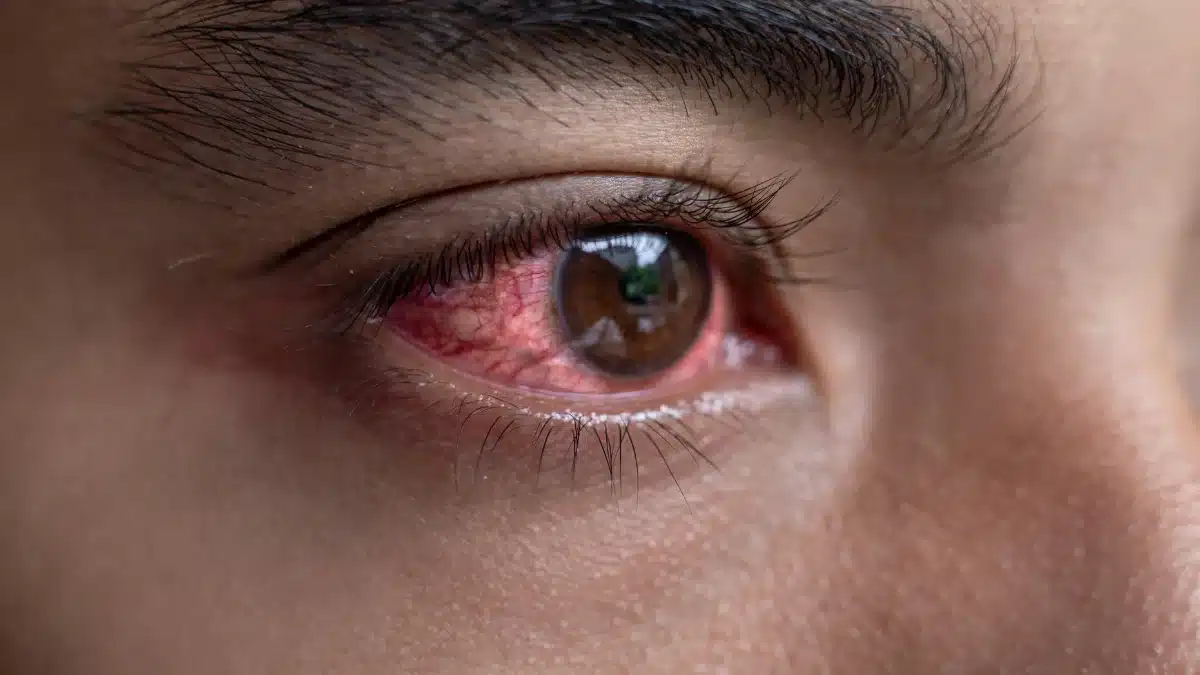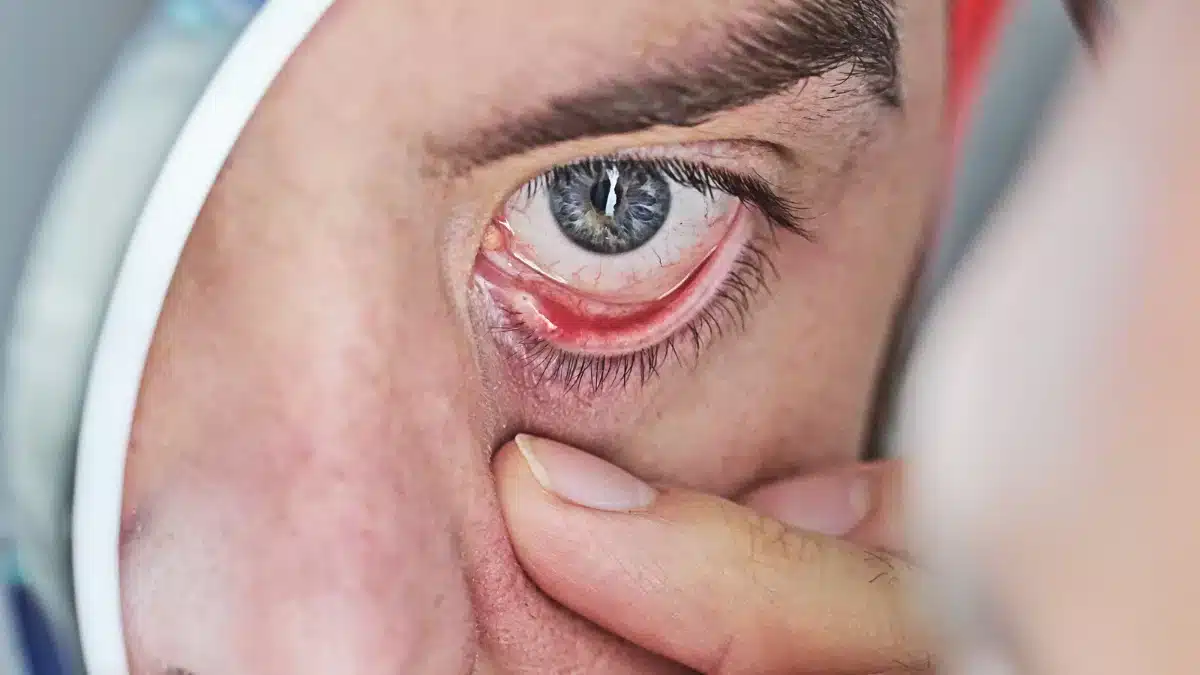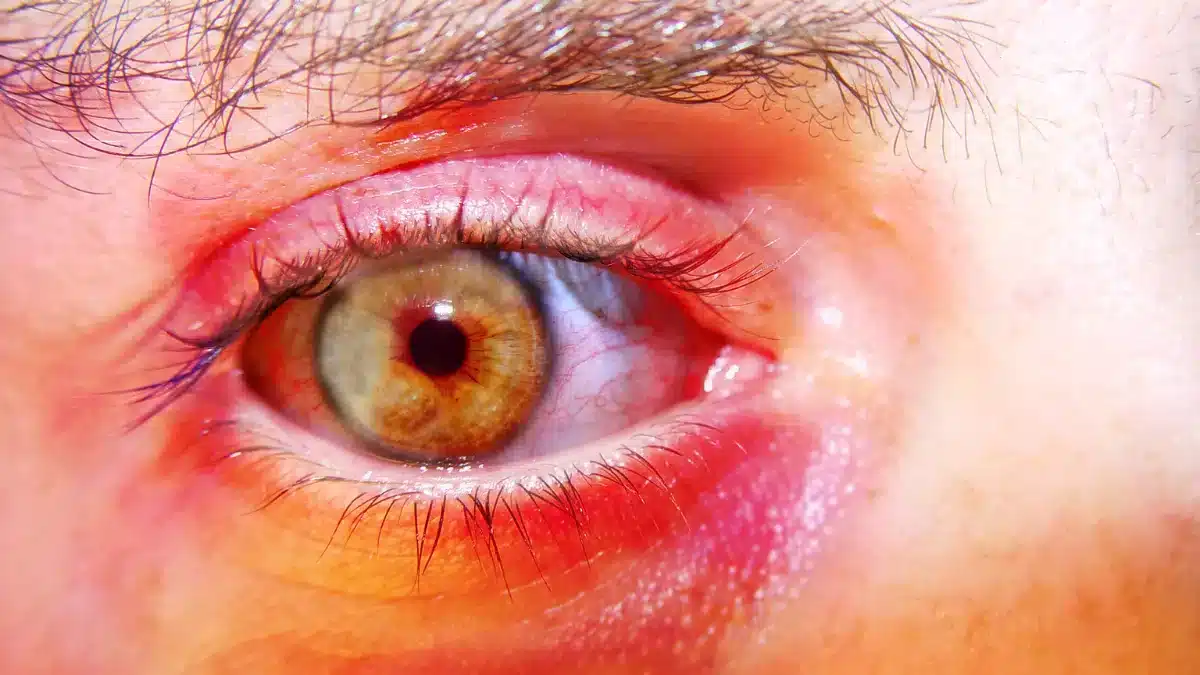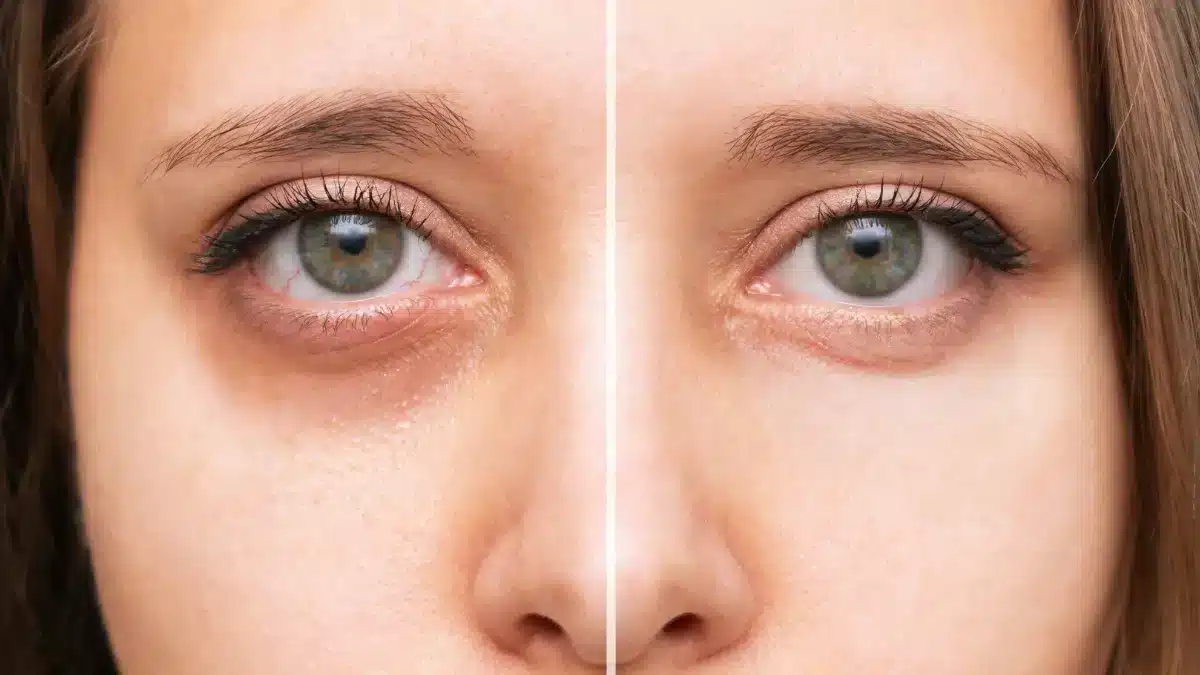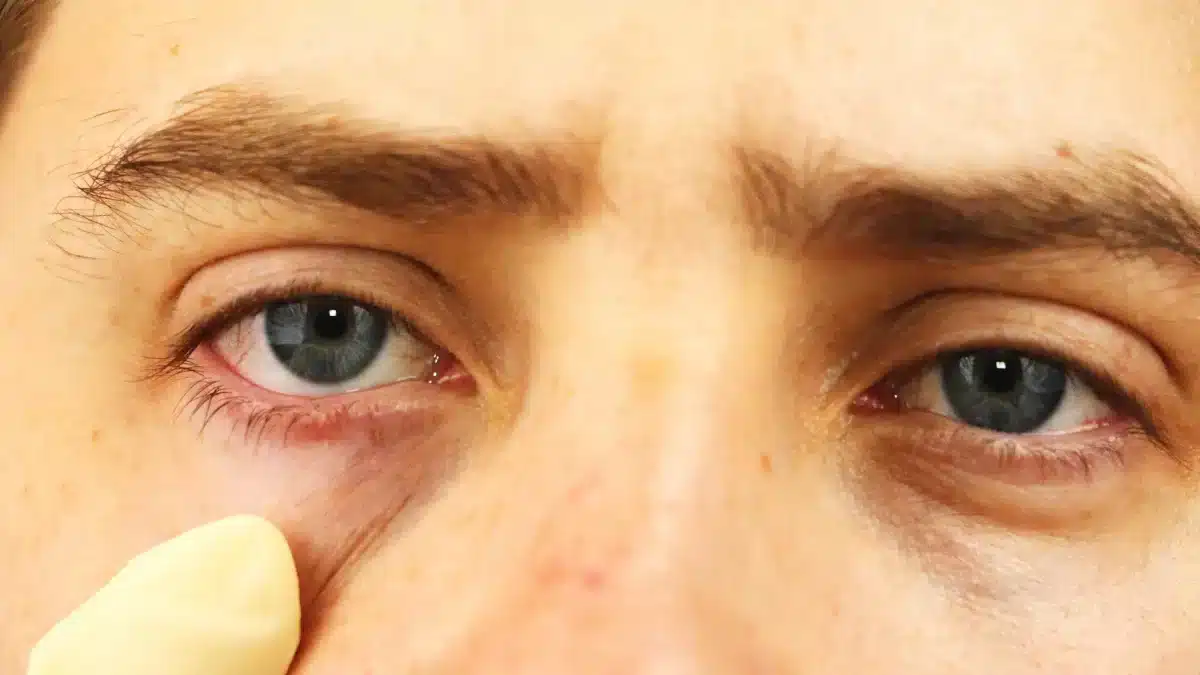





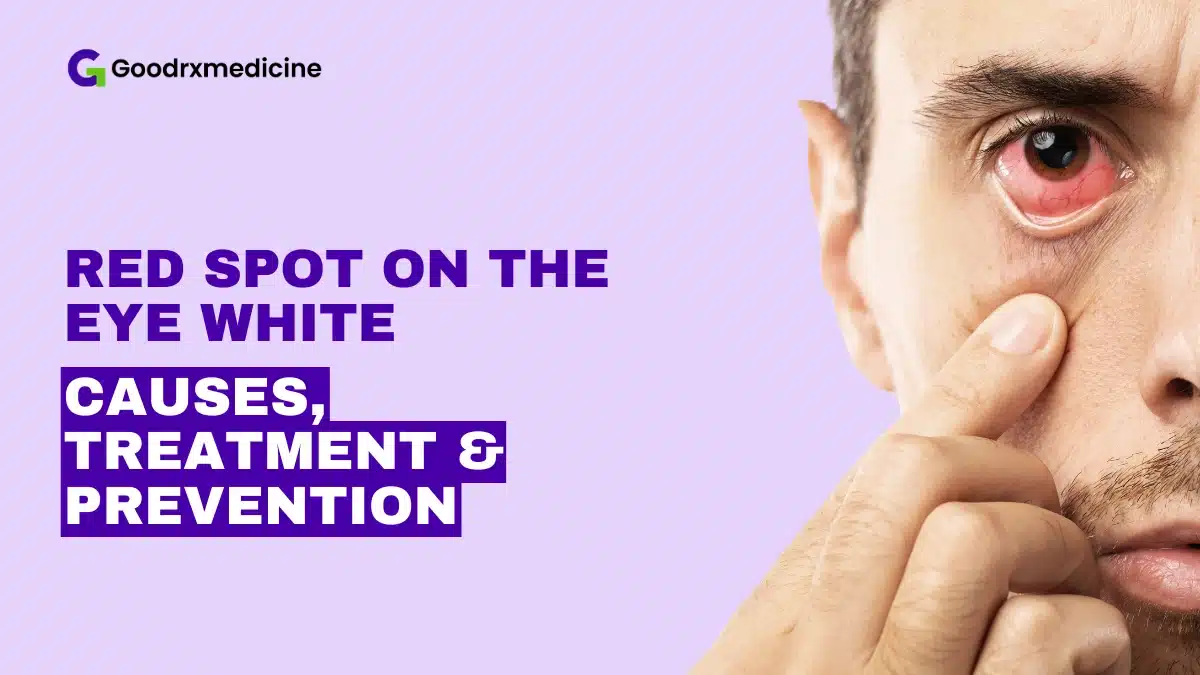
Noticing a sudden red spot on the white of your eye can be alarming, especially when it appears overnight and without pain. In most cases, this blood spot is harmless and temporary. It is usually linked to triggers such as forceful coughing, sneezing, vomiting, heavy lifting or contact lens irritation.
Red spots on the eye usually clear on their own within 1-2 weeks, gradually changing color from bright red to yellow or brown, much like a healing bruise. Treatment is most often not required. However, if they are painful, impair vision, or recur, they may signal an underlying issue that requires medical evaluation.
Thus, learning what causes a red spot on the eye white will help you decide when to wait for it to resolve and when to book an appointment with your ophthalmologist. Read till the end to also learn about safe home remedies and prevention tips.
What is the red spot on the white of the eye?
In most cases, a red spot on the eye white is a Subconjunctival Hemorrhage (SCH). This occurs when a tiny blood vessel breaks beneath the clear surface of the eye (the conjunctiva). It can appear on the corners, on either side of the eye or anywhere in between.
The conjunctiva is a thin, transparent layer that covers the white part of the eye and contains many delicate blood vessels. When one of these vessels ruptures, blood becomes trapped underneath, creating a sharply defined red spot or patch.
You may even notice it when you wake up, but you continue to have normal vision without any pain or irritation. Although it may appear suddenly and seem alarming, understanding what causes these tiny blood vessels to break can help you identify potential triggers and reduce the risk of recurrence.
Save up to 90% on your medicine bills
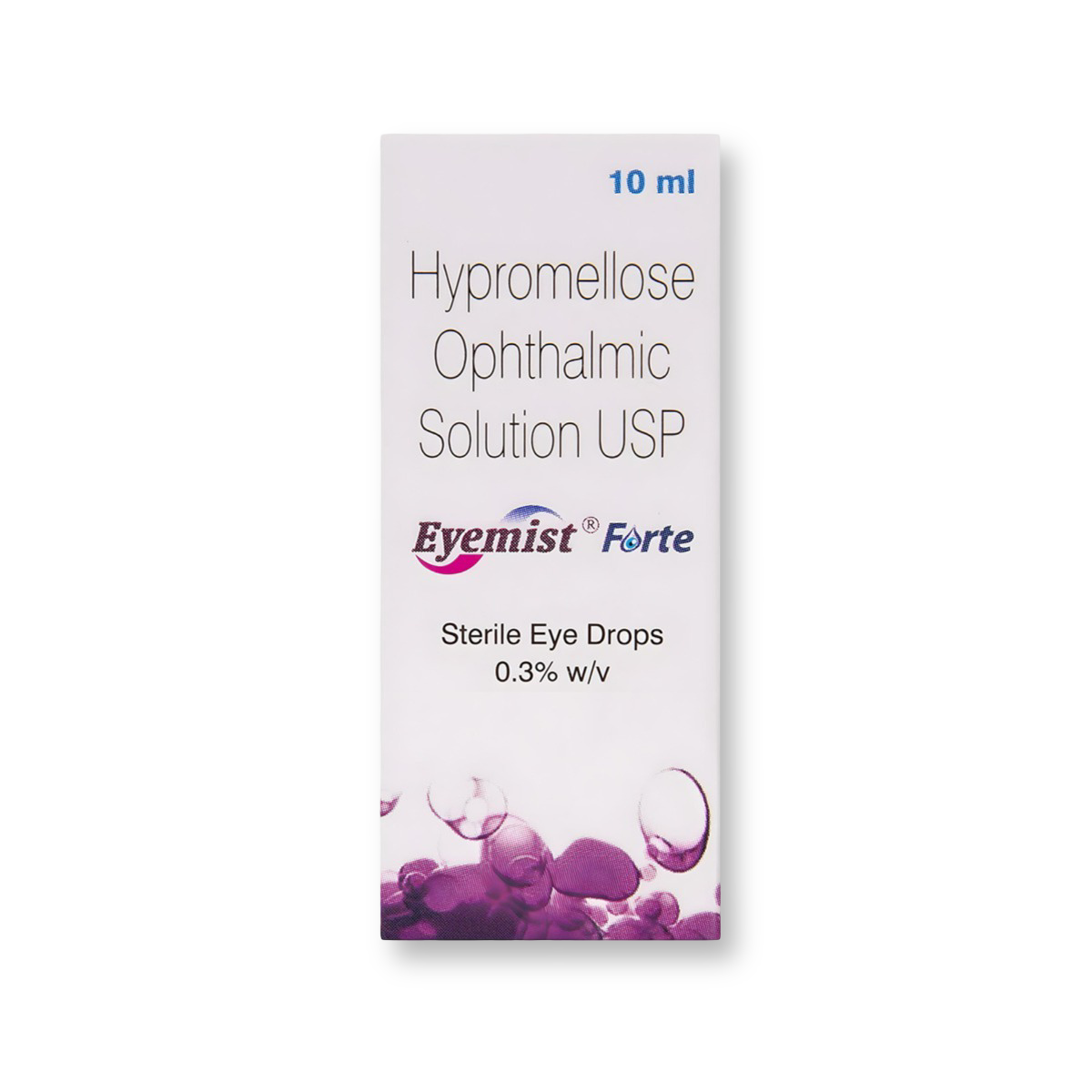
Eyemist Forte 10 ml
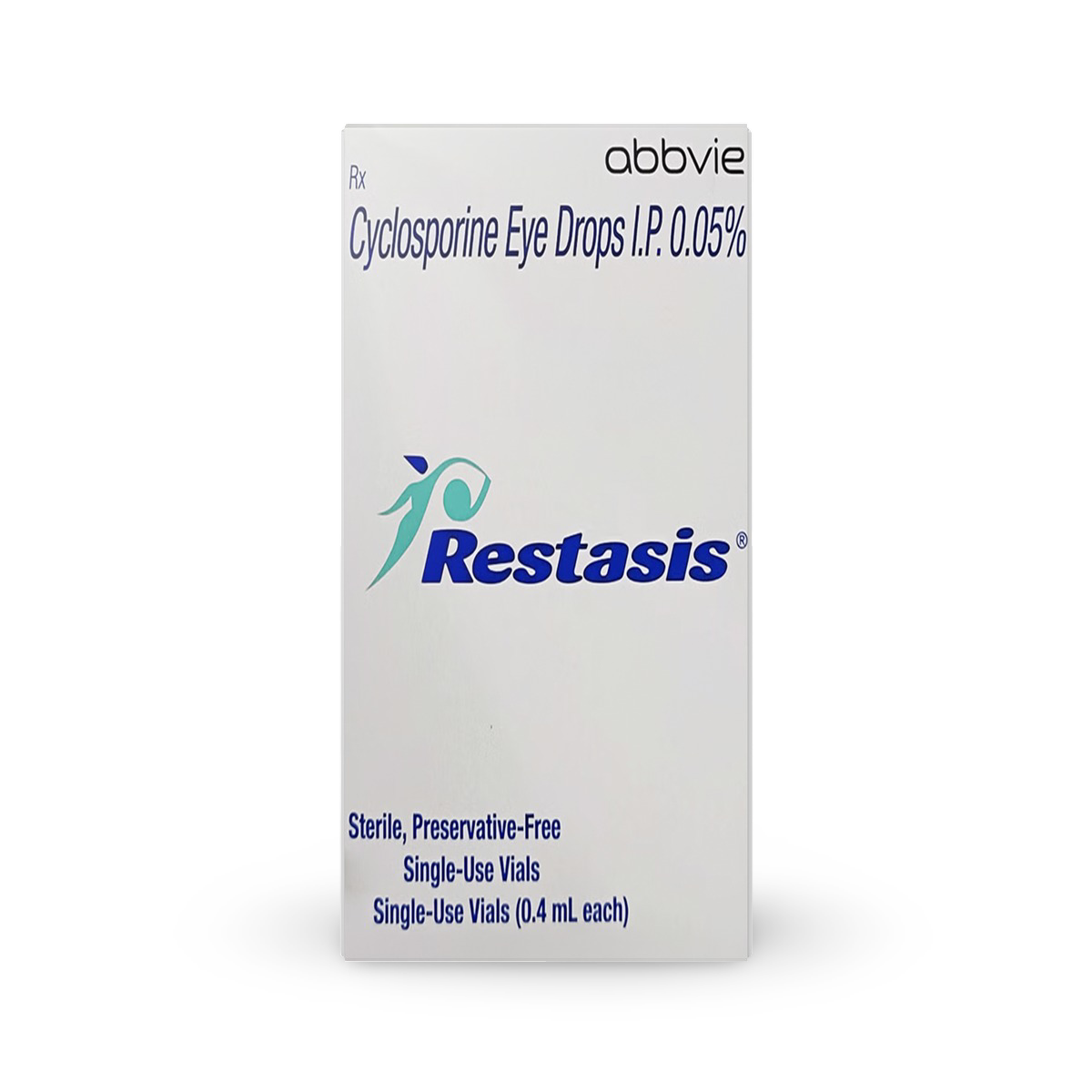
Restasis 0.05% Ophthalmic Emulsion 0.4ml
Starting at just $123.32 per tabletBuy Now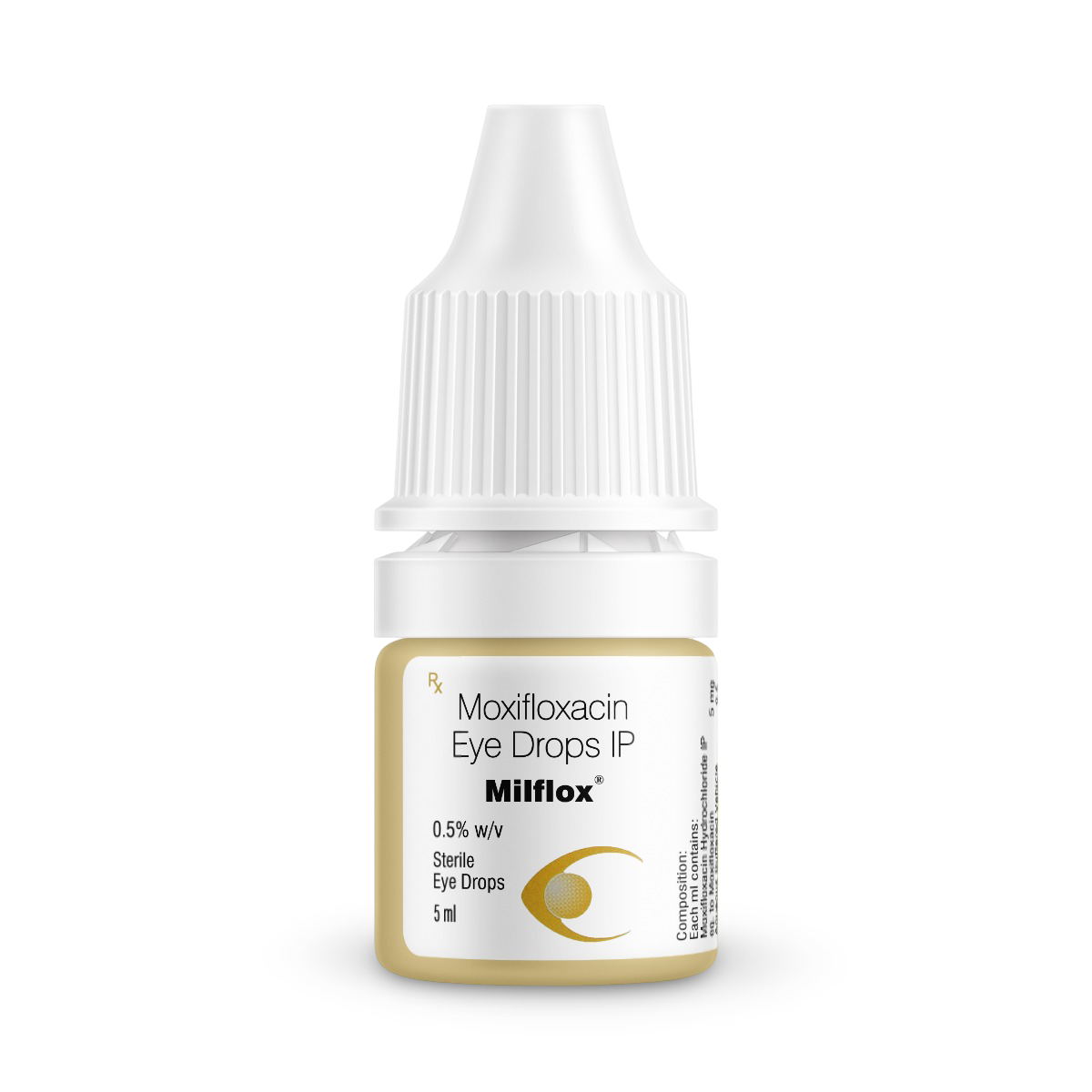
Milflox 0.5% 5 ml
Starting at just $8.74 per bottleBuy Now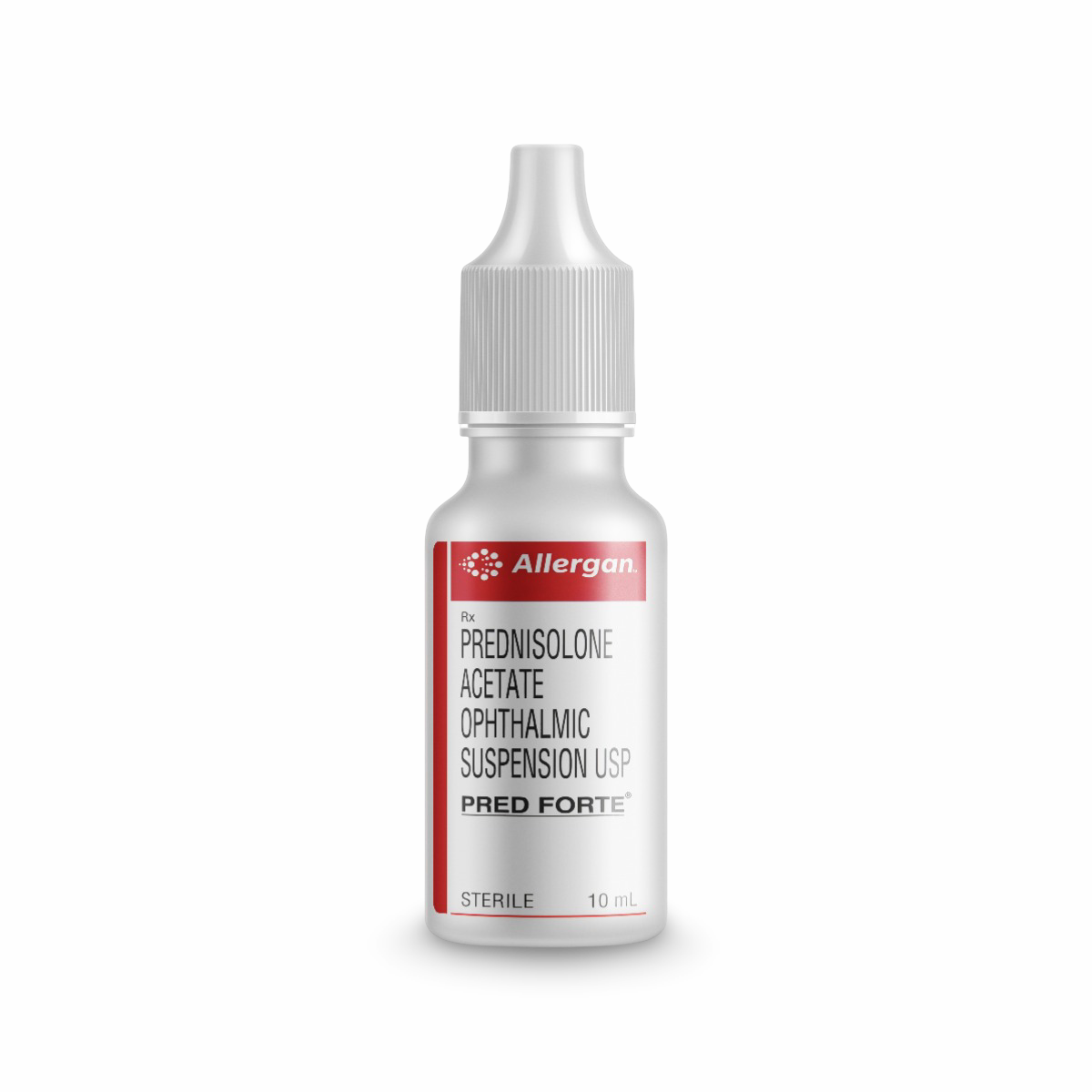
Pred Forte 10 ml
What causes a red spot on the eye?
While up to 40% of red spots lack a specific cause, common risk factors include sudden changes in eye pressure, health conditions or medications that affect blood pressure, and surgical history.
Sudden pressure changes in the body
Any activity that abruptly causes venous pressure spikes can rupture fragile eye capillaries. These spikes are usually brief but forceful enough to cause a red spot on the eye white. Some common triggers include:
- Forceful coughing
- Forceful sneezing
- Vomiting or retching
- Straining during constipation
Likewise, in children and toddlers, it can happen due to excessive crying, rubbing or coughing.
Physical strain and trauma
Excessive physical force or direct impact can also break surface blood vessels in the eyes. This could happen due to:
- Heavy lifting or intense exercise.
- Accidental trauma like sports injury, fall or blunt impact, particles in the eye or finger poking.
Traumatic SCH has been shown to be focally smaller when compared to red spots due to underlying medical causes of Subconjunctival Hemorrhage.
Underlying medical conditions
As we age, blood vessels naturally become more delicate, making spontaneous hemorrhages more common. Moreover, certain health conditions increase the risk of blood vessel rupture by weakening vessel walls or affecting blood flow, especially after age 50. These include:
- High Blood Pressure (Hypertension)
- Diabetes
- Bleeding or clotting disorders
- Viral or bacterial Conjunctivitis
Additionally, Diabetic patients should have regular eye exams to detect ocular conditions such as Glaucoma or Diabetic Retinopathy early.
Medications and surgical history
Some medicines and procedures can increase the risk of bleeding indirectly and can cause a Subconjunctival Hemorrhage. These include:
- Blood-thinners: Anticoagulants like Warfarin, Coumadin, Heparin, Eliquis, and Xarelto can reduce the ability to form clots.
- Antiplatelets: Medications like Plavix and Aspirin can make minor eye vessels more prone to bleeding by interfering with platelet function.
- Recent eye procedures: Treatments such as intravitreal injections, Cataract surgery, or LASIK can irritate delicate eye vessels and sometimes lead to SCH.
- Other medications: Non-Steroidal Anti-Inflammatory Drugs (NSAIDs) like Ibuprofen, Naproxen or Diclofenac and chemotherapy agents, can cause vessels to become fragile and bleed easily.
How to treat a red spot on the white of the eye at home?
Since your body naturally clears the trapped blood over time, treatment for a red spot on eye white is mainly supportive, rather than curative. You can either try cold compresses or lubricating eye drops for dryness and irritation.
Cold compress
During the first 2-3 days, a cold compress can help reduce mild swelling or irritation. Here’s how you can use it for comfort:
- Use a clean cloth soaked in cold water.
- Or, wrap ice in a clean cloth.
- Apply gently for 5-10 minutes at a time.
- Use 2-3 times daily.
Never place frozen items directly on the eye because the extreme cold can damage delicate eye tissues and the thin skin around the eyelids.
Lubricating drops
Artificial tears or lubricating eye drops help relieve dryness, irritation, or the gritty sensation that makes you want to rub your eye. Here’s how you can use over-the-counter drops like Eyemist Forte safely:
- Tilt your head back and pull the lower lid down.
- Put 1-2 drops in the affected eye, as needed.
- Close your eyes gently for 2-3 minutes to improve absorption.
- Choose sterile, preservative-free artificial tears.
- Use 2-4 times daily or as indicated on the label.
In case of recurring red spots due to increased vascular pressure, discuss eye drops for eye pressure management with an ophthalmologist.
Over-the-counter painkillers
Most Subconjunctival Hemorrhages are painless. However, if you experience a headache or mild eye pain, OTC pain-relief medication like Paracetamol (acetaminophen) can help.
However, if pain is persistent or severe, do not self-medicate. Consult an eye specialist for proper diagnosis and treatment.
How to prevent blood spots on the white of the eye?
It is not always possible to prevent Subconjunctival Hemorrhages, but certain measures can lower the risk. Some day-to-day habits you should adopt include:
- Wear protective eyewear: Always wear safety glasses during sports or activities involving debris or impact.
- Manage blood pressure: Since High Blood Pressure increases the risk of broken blood vessels, make sure to follow your cardiologist’s advice regarding medication, diet, and exercise.
- Practice Diabetes care: Maintaining healthy blood sugar levels helps protect blood vessels in people with Diabetes.
- Manage chronic cough and allergies: Control allergies with antihistamines, treat sinus infections promptly, and seek medical care for a persistent cough to prevent sudden pressure spikes in eye capillaries.
- Do not rub your eyes: Aggressive rubbing can rupture delicate vessels in the eyes and may cause SCH. Use eye drops instead to relieve irritation or dryness.
- Maintain contact lens hygiene: Clean and replace lenses as advised, using a fresh disinfecting solution each time. Rinse the contact lens case with solution and replace it every 3 months.
When to worry about a red spot on the eye white?
While mostly harmless, a red spot on the white of the eye can indicate a more serious issue like Hyphema (blood collecting in front of your iris). Seek prompt medical evaluation if you notice:
- A red spot lasting longer than two weeks
- Multiple Subconjunctival Hemorrhages
- Recurrent red spots in one or both eyes
- Pain in or around the affected eye
- Discharge, swelling, or signs of infection
- Changes in vision
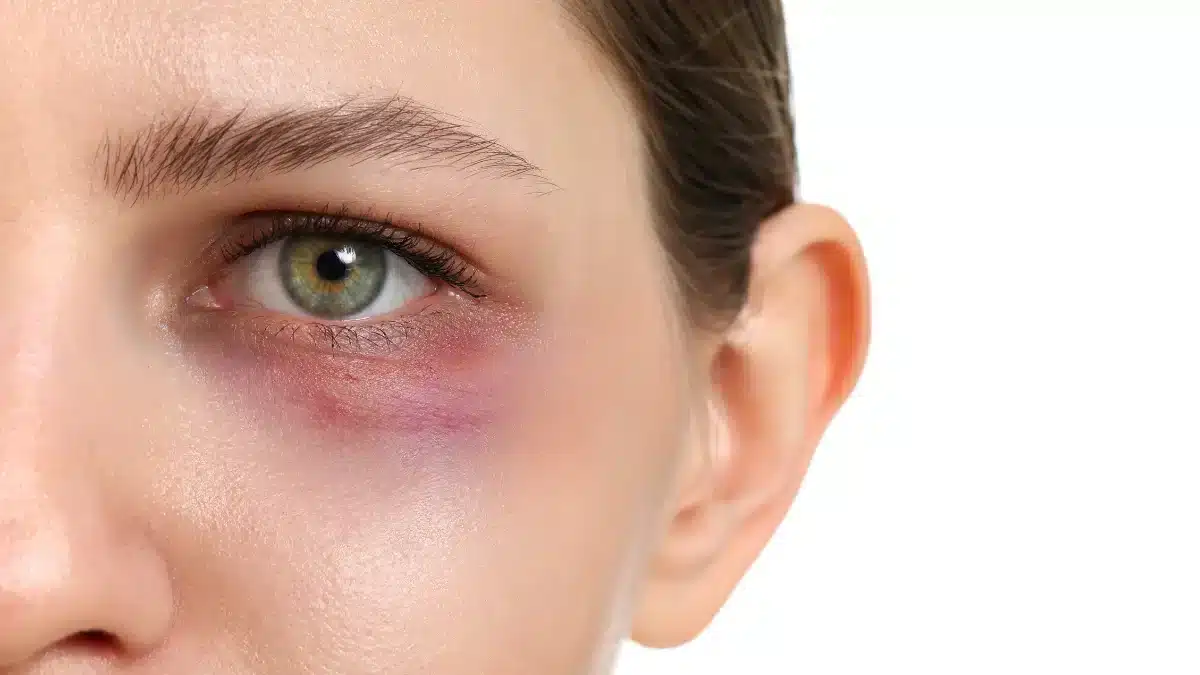
- Bruising around the eye
- An unusual or severe headache
During an exam, a doctor will ask about your medical history, recent activities, and medications to identify possible triggers such as physical strain, illness, or bleeding risk. Accordingly, they will devise the most suitable management cum prevention plan.
Conclusion
A red spot on the eye white is most often a Subconjunctival Hemorrhage caused by a small broken blood vessel. Common triggers include sudden pressure changes due to physical strain or medications such as anticoagulants and antiplatelets. Even though it may look scary, it is mostly temporary, painless, and does not impact your vision.
Home care thus focuses on comfort rather than cure, as the blood clears naturally within 2 weeks. You can use cold compress and lubricating eye drops 2-3 times a day until it resolves. If SCH persists beyond 14 days, recurs or is accompanied by eye pain or vision changes, it is best to consult an ophthalmologist.
While you can prevent SCH with proper eye and lens hygiene and by wearing protective eyewear, it can still occur due to sudden spikes in vascular pressure. Thus, recurring spots, discharge from the eyes, or changes in vision should not be ignored. These could signal a more serious condition like Hyphema or uncontrolled Hypertension. Consult an eye specialist for an in-depth evaluation and timely treatment.

Frequently Asked Questions
What vitamin deficiency causes a broken blood vessel in the eye?
There is no single vitamin deficiency proven to directly cause a Subconjunctival Hemorrhage or broken blood vessel in the eye. However, deficiencies affecting blood vessel health, such as low vitamin C or vitamin K levels, can increase its likelihood.
Can stress cause a broken blood vessel in the eye?
Yes, while stress itself does not directly cause a blood vessel to rupture, it can indirectly contribute by raising blood pressure. It can also trigger coughing, sneezing, vomiting, or straining, which may rupture a small conjunctival vessel.
What virus causes Subconjunctival Hemorrhage?
No specific virus directly causes a Subconjunctival Hemorrhage. It usually occurs due to mechanical strain or fragile blood vessels. However, severe viral infections that cause intense coughing or vomiting can indirectly increase the risk of eye bleeds.
Will the red spot on my eye go away on its own?
Yes, in most cases, a red spot on the white of the eye clears on its own without treatment. The body gradually reabsorbs the blood within a few days to about 2 weeks. As it heals, the color slowly turns yellow or brown, as a bruise would.
Can you wear contact lenses when you have a Subconjunctival Hemorrhage?
No, you should not wear contact lenses when you have a Subconjunctival Hemorrhage, as they can irritate the ocular surface, delay healing, or mask early signs of infection. Until the redness and discomfort resolve, avoid using contact lenses.
Is a red spot in my eye an emergency?
In most cases, painless red spots are not an emergency. They typically resolve on their own within 2 weeks. However, seek urgent care if the red spot is painful, affects vision, follows significant trauma, or occurs repeatedly.
GoodRxMedicine only refers to credible, authoritative sources for our content. If you're curious about how we ensure the integrity of our content, we encourage you to read our Content Information Policy.

Gina Walters is the diet and lifestyle writer at Goodrxmedicine.com. She holds a level 6 diploma in natural nutrition and lifestyle and is an ardent preacher of veganism. A fitness enthusiast by heart, Gina’s passion for fitness follows into her personal life too.