



Sexual desire changes with age, and for many women, this shift becomes more noticeable after menopause. Hormonal changes, reduced estrogen, and age-related health conditions can all affect arousal, comfort, and interest in intimacy. This change is common and affects an estimated 40-55% of postmenopausal women.
Identifying the underlying medical factors, medication side effects, and lifestyle influences behind these changes can help set realistic expectations. With the right guidance, many women find safe, effective ways to improve desire, comfort, and overall sexual well-being at this stage of life.
This article explores how to increase female libido after 60, focusing on daily habits such as exercising regularly, medical options like Estrogen therapy, and emotional well-being. When addressed together, these areas can support comfort, confidence, and intimacy in a sustainable way.
Lifestyle changes that support desire
Daily habits strongly influence energy, mood, and circulation in women over 60. These factors directly affect women’s sexual desire over time.
Gradual, consistent lifestyle modifications often have a greater impact on sexual desire than intensive ones, especially later in life. Trying out gentle exercises like walking, and having a regular sleep schedule helps improve low libido.
Save up to 90% on your medicine bills
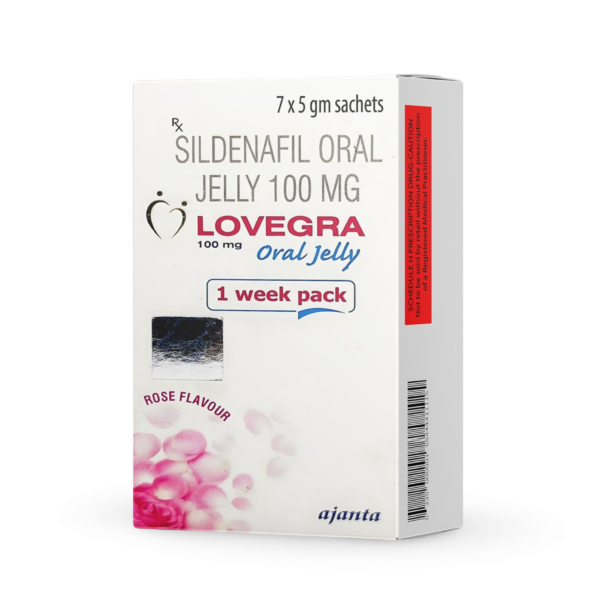
Lovegra Oral Jelly Rx 100 Mg
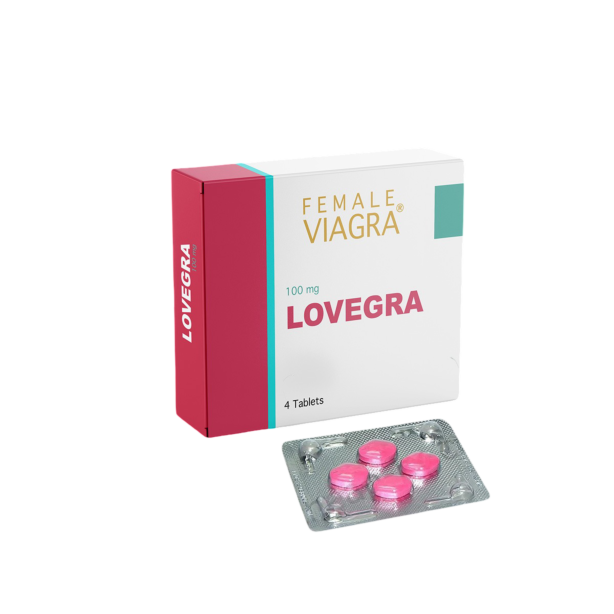
Lovegra 100 mg
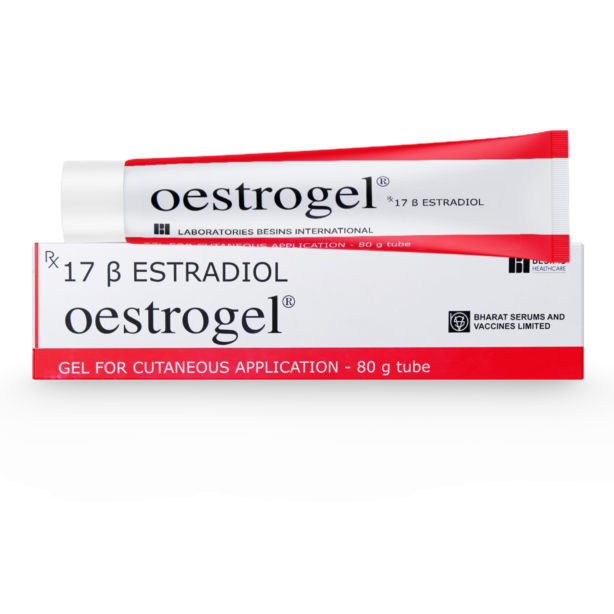
Oestrogel Gel 80 gm
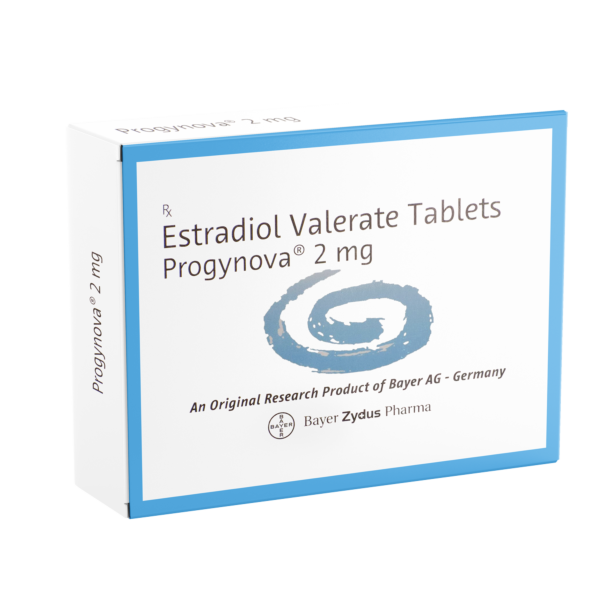
Progynova 2 mg
Movement and physical activity
Regular movement supports healthy blood flow, nerve signaling, and hormonal balance, all of which play a role in female libido after 60. Physical activity also reduces stiffness, improves mood, and helps women feel more comfortable in their bodies. Consistency matters more than intensity, especially with age.
Helpful forms of movement include:
- Walking or light jogging for daily circulation
- Swimming or water aerobics to protect joints
- Gentle strength training to maintain muscle tone
Yoga or stretching can release tension in the hips and lower back, supporting arousal. Pelvic floor exercises also help. Kegels take only minutes and can reduce dryness and discomfort during intimacy.
Older adults, including women over 60, benefit from about 150 minutes of moderate activity per week, often broken into shorter sessions based on comfort and mobility. Simple, enjoyable routines offer the most sustainable results.
Sleep, nutrition, and daily energy
Sleep, diet, and daily energy habits can naturally support female libido after 60 by promoting hormone balance, improving circulation, and enhancing mood. Poor sleep links to reduced desire, while nutrient-rich foods support blood flow and vitality in postmenopausal women.
Heart-healthy nutrition plays an important role, as healthy blood vessels improve circulation needed for intimacy.
Prioritize simple, familiar habits to increase libido:
- Aim for consistent 7-9 hours of quality sleep.
- Eat avocados, spinach, nuts, and seeds for healthy fats and zinc.
- Include garlic, pomegranate juice, oats, and yogurt for circulation and blood sugar balance.
- Sip ginger tea and add colorful vegetables for antioxidants.
Medical treatments and clinical care for libido support
Medical care becomes important when libido changes after menopause. Factors such as hormones, circulation, nerve sensitivity, and physical comfort all influence libido. Clinical options prioritize safety, symptom relief, and long-term comfort rather than immediate results.
A healthcare professional may review symptoms, medications, and health history and may recommend blood tests to assess thyroid function, blood sugar levels, or hormone balance, especially when conditions like Thyroid or Diabetes are present.
Most women begin with local estrogen-based treatments and non-hormonal comfort measures. Brain-acting medications are typically reserved for specific diagnoses when other approaches have not worked, and injectable or systemic therapies are usually considered last-resort options.
Lubricants and moisturizers
Vaginal dryness is one of the most common reasons for reduced libido after 60. Lubricants and vaginal moisturizers often serve as the first-line approach before hormonal treatment.
Water-based or silicone-based lubricants reduce friction during intimacy, while vaginal moisturizers provide ongoing hydration to fragile tissues. These options improve comfort, reduce pain, and allow arousal to develop naturally.
Many women notice better desire once discomfort is relieved, without the need for medication.
Hormone-related medical options

Menopause and libido are closely linked, due to the significant shift in hormone levels during that period. Declining estrogen affects vaginal tissue health and blood flow, while age-related reductions in testosterone can further influence sexual comfort, arousal, and overall desire.
Doctors prescribe hormone-related treatments when natural ways fail to improve low hormone levels. Some commonly discussed options include low-dose vaginal estrogen for dryness and tissue health, systemic hormone therapy in carefully selected individuals, and off-label testosterone use under specialist care.
Here are key choices that help:
Estrogen therapy
Low-dose vaginal estrogen creams help relieve vaginal dryness and reduce pain during intimacy, allowing many women to feel comfortable again. Since the medication works locally, it usually has limited effects on the rest of the body. A medical evaluation helps ensure the therapy is appropriate and safe.
Ospemifene
Ospemifene (Osphena) is an FDA-approved oral medication used to treat moderate to severe pain during sex caused by postmenopausal vaginal changes such as vaginal thinning, dryness, and reduced elasticity. It acts like estrogen in the vagina. Women typically report an increase in desire within 4 to 12 weeks after starting treatment.
Testosterone therapy
Testosterone (patches or gels) can raise testosterone levels and boost sexual function in postmenopausal women experiencing low sexual desire. A meta-analysis published in The Lancet Diabetes & Endocrinology in 2019 found that women experienced about 0.85 more satisfying sexual events every month on average after using non-oral Testosterone therapy routes like patches or gels. It aids in improving female arousal by raising energy.
Prasterone
Prasterone, marketed as Intrarosa, is a vaginal insert that is converted into estrogen and testosterone within the body. It has been shown to help reduce vaginal dryness.
Flibanserin
Flibanserin (Addyi) is a daily pill for Hypoactive Sexual Desire Disorder (HSDD), which means persistent diminished to absent sexual desire. It works on brain neurotransmitters, primarily serotonin and dopamine. It is generally considered only after hormonal and lifestyle approaches fail.
Bremelanotide
Bremelanotide (Vyleesi) is an injection to be taken at least 45 minutes before planned sexual activity. Clinical trials showed women with HSDD experienced a significant boost in satisfying sexual events, alongside improvements in desire and reduced distress.
Managing other medical factors that affect desire
Desire can also change due to medications or chronic conditions. Treating these issues can indirectly support postmenopausal sexual drive.
Key factors that often affect female libido after 60 include:
- Blood pressure or antidepressant medications
- Chronic pain conditions such as Arthritis
- Blood sugar control in Diabetes
Natural supplements that aid wellness
Natural supplements are often used as non-medication support, but evidence and safety vary by ingredient. Medical guidance is important, particularly for women over 60 taking heart or blood pressure medications.
Evidence for libido-specific benefits in women over 60 remains limited, and many supplements support general wellness rather than desire directly.
Commonly studied options include:
- Maca root (Lepidium meyenii), a plant native to Peru, supports menopause and libido symptoms.
- Red ginseng is associated with increased energy and improved sexual function. It improves arousal in menopausal women.
- Fenugreek can reduce vaginal dryness and improve comfort.
- L-arginine supports blood flow, although its benefits are indirect and variable.
- Omega-3 fatty acids support circulation and emotional health, and can influence and enhance female libido after age 60.
- Zinc improves testosterone, which helps in sexual function in postmenopausal women.
- Low Vitamin D levels are common after 60 and may affect mood and energy. Vitamin D supplementation enhances sexual function and mood, indirectly boosting libido.
Psychological and relationship strategies
Sexual desire involves emotional comfort and mental health. Stress, confidence, and connection all play a role in shaping women’s sexual wellness.
Life changes after 60 can have a significant impact on self-image and priorities. These shifts deserve care and understanding.
Communication and emotional closeness
Open communication reduces pressure and misunderstanding. Desire often grows from emotional safety.
Ways to increase intimacy naturally include:
- Honest conversations about comfort and needs.
- Affection without performance pressure.
- Foreplay and trying new forms of touch or intimacy to rebuild curiosity and comfort.
- Increasing frequency of sexual activities, as regular intimacy improves blood flow and tissue health.
- Shared time outside the bedroom.
These actions lower stress hormones that interfere with arousal.
Mental health and stress support
Anxiety and Depression significantly lower female libido after 60, often linked to hormonal shifts during menopause, impacting mood, energy, and desire. Structured mental health support, such as counseling or cognitive behavioral therapy, can reduce distress and improve coping skills. This support can also indirectly enhance sexual function in postmenopausal women.
Body image and self-perception
Body changes are a natural part of aging, but they can affect confidence and age-related libido. Positive self-view supports comfort and interest. Pleasure depends on trust and relaxation, not appearance. This perspective helps many people reconnect with intimacy.
Conclusion
Sexual desire after 60 is shaped by physical health, emotional well-being, and daily habits working together. Lifestyle modifications, such as regular physical activity, quality sleep, balanced nutrition, and gradual weight management, help maintain energy, blood flow, and hormonal balance.
Medical treatments can support comfort and arousal by addressing hormonal changes, reviewing current medications, and managing chronic conditions like Diabetes or Arthritis under professional guidance.
Natural supplements, such as maca root or red ginseng, can support wellness and circulation, but the evidence varies, and safety should always take priority. Psychological and relationship strategies remain equally important, as communication, stress management, and a positive self-view strongly influence intimacy.
There is no single answer to how to increase female libido after 60. Progress often comes from small, consistent steps tailored to individual needs. Always consult a healthcare professional before starting any treatment or supplement to ensure safe, appropriate care.

Frequently Asked Questions
Does women’s libido decrease with age?
Yes, women’s libido often decreases with age. You notice less interest in sex after 60. Hormones like estrogen drop after menopause. This dries tissues and lowers desire. Tiredness and health issues add to it. Studies show 34% of women over 55 feel this way. Talk to your doctor for help.
Can a 60-year-old woman still get wet?
Yes, a 60-year-old woman can still get wet. Her body makes less fluid after menopause due to low estrogen. This makes dryness common. But touch, arousal, or help, such as a lubricant, works for many. Simple steps keep sexual intimacy comfortable. Talk to a doctor for tips.
What is the best natural female libido enhancer?
No single natural enhancer works best for all. Studies show maca root and red ginseng help many women feel more desire. Tribulus terrestris aids arousal, too. Talk to your doctor first. Results vary by person. Track what helps you.
Can a 70-year-old woman still get hard?
No, women do not get hard; that happens in men with erections. A 70-year-old woman can stay sexually active. Her body may feel aroused due to increased blood flow. Use lubrication for comfort. Talk to a doctor about dryness or pain. Many enjoy sexual intimacy past 70.
What increases libido immediately?
Nothing increases libido right away. People build desire over time by staying healthy through good nutrition, getting good sleep each night, and exercising regularly. Kissing and hugging can increase arousal, though not libido itself. Consulting a doctor in case of low libido can help provide safe and personalized advice.
What drives women’s sexual desire?
Women’s sexual desire comes from hormones like estrogen and testosterone, while feeling close to a partner sparks it, and a romantic setting helps, along with touch and kisses that build desire. Good health and low stress lift drive, and emotional ties matter most for women.
When referencing outside resources, GoodrxMedicine always provides full citations. To learn more about the measures we use to maintain the quality of our content, please review our Content Information Policy.