




Ejaculation is often followed by a strong sense of pleasure, relief, and relaxation. For some, the feeling is intense and immediate, while others experience a calmer sense of satisfaction or emotional closeness with their partner.
This rewarding feeling develops because sexual climax briefly activates the brain’s pleasure system while releasing the physical tension built during arousal. The result can feel like intense pulsing, emotional release, calmness, or satisfaction. However, the intensity and duration of this pleasure can differ depending on factors such as relationship comfort and the level of sexual stimulation.
This article explains the science behind why ejaculation feels so good and why the experience can vary from person to person.
Why does ejaculation make you feel so good?
The ejaculation process involves physical and psychological responses that contribute to its pleasurable sensation. During sexual arousal, the brain, nerves, muscles, and hormones work together to build and release tension. This creates intense pleasure, followed by feelings of relaxation, satisfaction, and emotional relief.
Save up to 90% on your medicine bills
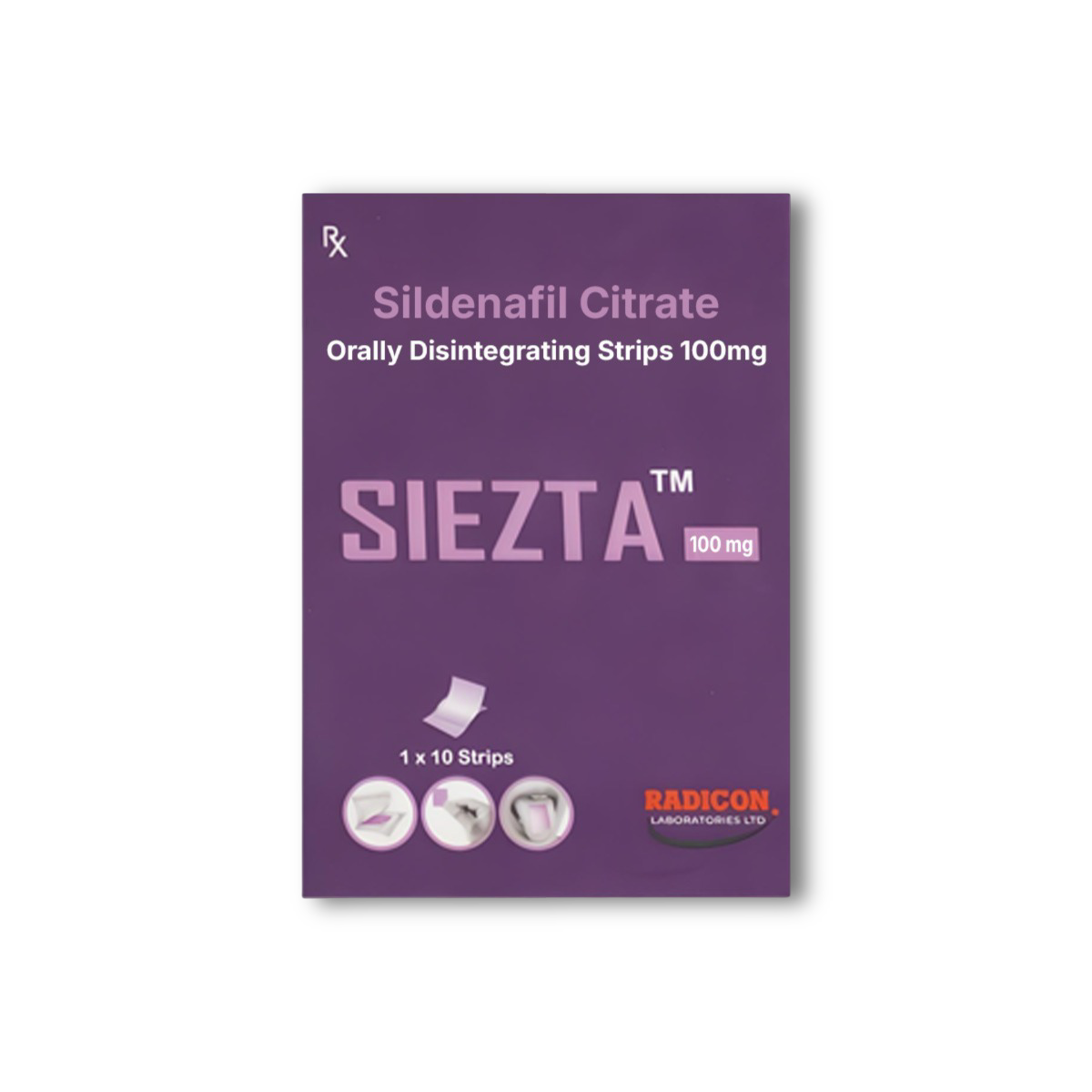
Siezta 100 Mg Sildenafil Oral Strips
Starting at just $1.60 per stripBuy Now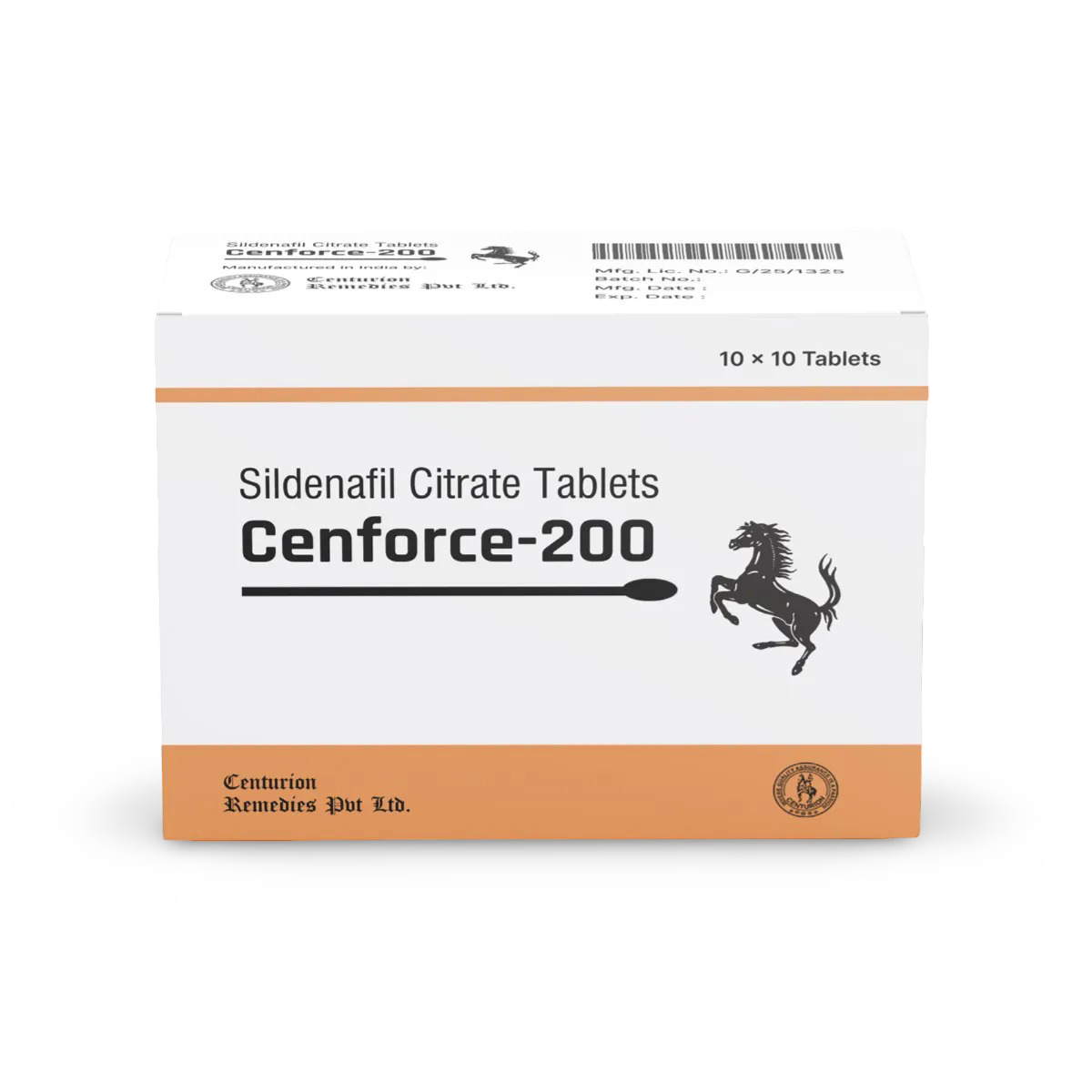
Cenforce 200 mg
Starting at just $0.84 per tabletBuy Now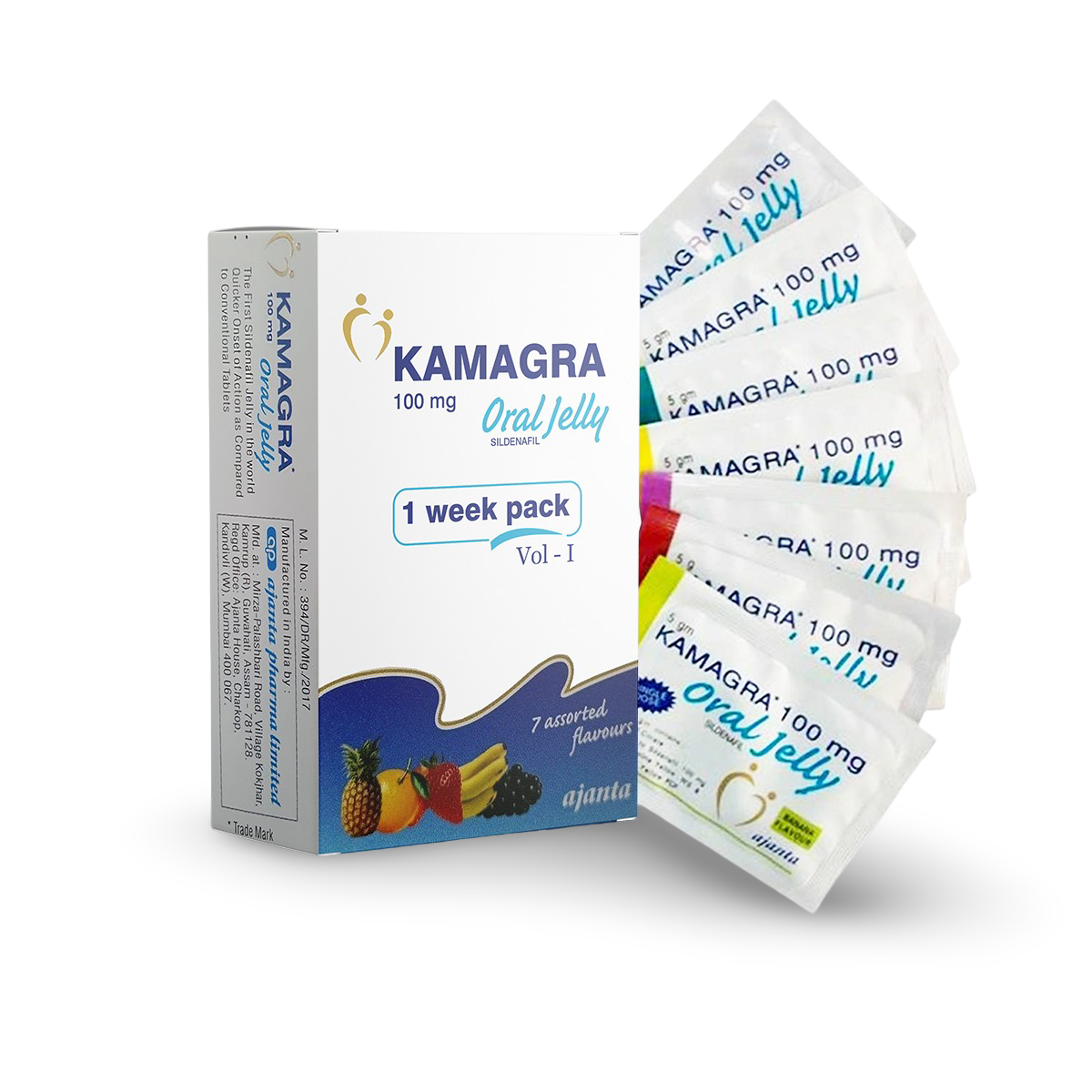
Kamagra Oral Jelly Rx 100 mg
Starting at just $13.12 per tabletBuy Now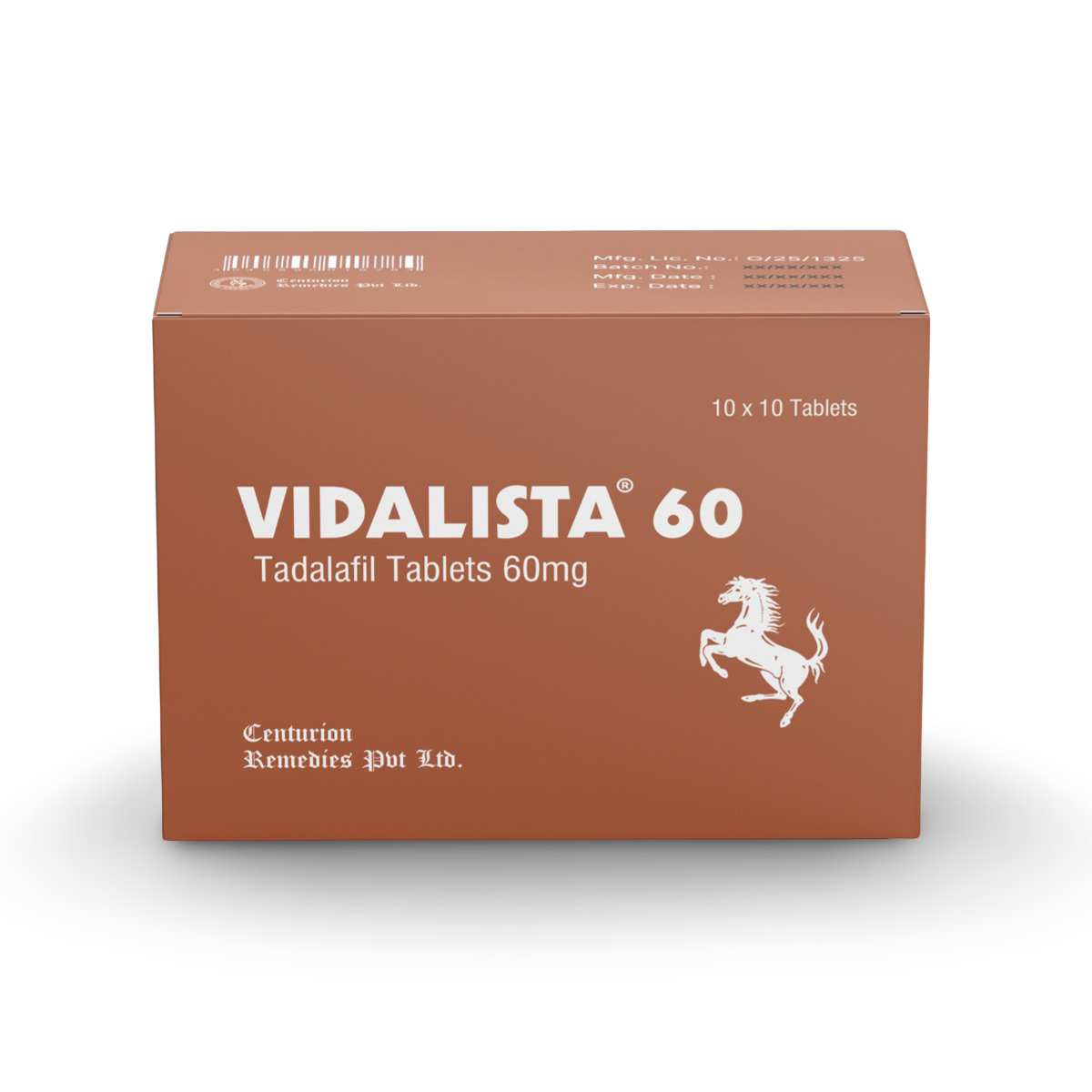
Vidalista 60 mg
Starting at just $0.91 per tabletBuy NowThis section looks into the physical and psychological changes that make one feel good after ejaculation in detail.
Arousal builds pleasure
Sexual touch, thoughts, or other forms of stimulation send signals between the brain and the nerves. As arousal increases, blood flow to the genitals rises, breathing becomes faster, and muscles tighten. These changes gradually increase sensitivity and pleasure, preparing the body for orgasm (the euphoric feeling) and ejaculation (the physical release).
Release of dopamine and oxytocin
As sexual arousal builds, the brain releases chemicals that influence pleasure and satisfaction. Dopamine (the feel-good hormone) increases excitement, anticipation, and the sense of reward, while endorphins promote pleasure and well-being. Around orgasm, oxytocin (love hormone) also rises, supporting relaxation and emotional closeness.
Together with sensory signals from the genitals, these brain chemicals make orgasm and ejaculation feel intensely pleasurable and rewarding.
Muscle contractions trigger orgasm and ejaculation
As sexual pleasure peaks, involuntary rhythmic contractions of the pelvic floor and genital muscles create the pulsing sensation of orgasm in both men and women.
In men, smooth muscle contractions in the reproductive tract move semen into the urethra, while pelvic floor contractions help expel it through the penis. In women, orgasm usually occurs without ejaculation, although some women can release fluid from the urethra during sexual climax.
Also read: For a more detailed understanding of female ejaculation, read Everything You Should Know About Female Ejaculation.
Sexual tension drops and the body relaxes
After orgasm and ejaculation, the tension built during arousal decreases quickly. Heart rate and breathing gradually slow, and the muscles that tightened during sexual activity, particularly those in the pelvic floor, abdomen, and thighs, begin to relax.
Emotional satisfaction can increase
Along with physical relief, ejaculation can influence emotional well-being. A comfortable and positive sexual experience can create feelings of contentment, connection, and closeness with a partner.
However, this response is not always the same. Mood, stress, relationship comfort, personal expectations, and the circumstances surrounding sexual activity can all influence whether the experience feels emotionally satisfying or mainly provides physical relief.
Factors that can influence the intensity of pleasure
The pleasure felt during ejaculation varies between individuals and can change between sexual experiences. Stimulation, genital sensitivity, recovery time, physical health, emotional comfort and mental focus can all influence how strong and satisfying the release feels.
- Build-up and timing: Gradual and enjoyable stimulation allows arousal, genital sensitivity and pelvic muscle tension to increase. This can make the pulsing sensation and physical release during ejaculation feel stronger.
- Edging: Edging involves getting close to ejaculation, reducing or stopping stimulation, and then starting again. Prolonged arousal and anticipation can intensify the sensation of release for some men.
- Time since the last ejaculation: Repeated ejaculation within a short period can temporarily reduce semen volume and genital sensitivity. Allowing the body enough recovery time can help restore sensitivity and make the next ejaculation feel more satisfying.
- Blood flow and nerve health: Healthy circulation supports erections and genital sensitivity, while nerves carry pleasure signals from the genitals to the brain. Efficient blood flow and nerve communication can make the sensations during ejaculation feel stronger and more satisfying.
- Testosterone levels: Testosterone supports sexual desire, arousal and responsiveness to stimulation. Low testosterone levels can reduce sexual interest and make the sensations leading to ejaculation feel less intense.
- Pelvic floor muscle function: Strong, coordinated pelvic muscles support semen release and influence the intensity of ejaculation. Weakness, tightness or poor coordination can reduce the force and pleasure of ejaculation.
- Stress and anxiety: High stress, distraction and Performance Anxiety can make it harder to relax or focus on pleasurable sensations. This can delay ejaculation or make the release feel weaker, rushed or less satisfying.
- Medicines and alcohol: Medicines such as Selective Serotonin Reuptake Inhibitors (SSRIs) and some other antidepressants may reduce genital sensation, delay ejaculation, or weaken orgasm. Excessive alcohol can also interfere with erections, nerve signals and muscle coordination involved in sexual pleasure.
Conclusion
Ejaculation feels good because several physical and psychological responses occur together. As arousal builds, the brain activates pathways involved in pleasure and reward, while sensory nerves carry signals from the genitals to the brain.
At sexual climax, rhythmic muscle contractions create pulsing sensations and help release semen. Afterward, heart rate and breathing slow, muscle tension eases, and the body enters the refractory period. This can lead to relaxation, satisfaction, sleepiness or emotional closeness.
The pleasure felt during ejaculation can change between experiences. Stimulation, recovery time, nerve health, pelvic muscle function, testosterone levels, stress, medicines, alcohol and emotional comfort can all influence how satisfying the release feels.
Frequently Asked Questions
Can a woman feel when a man comes?
Yes, some women can feel warmth, fluid, or pulsing when a man ejaculates, while others feel little or nothing. This depends on sexual position, condom use, semen volume, and individual sensitivity. Feeling ejaculation does not confirm whether semen entered the vagina.
Why does it feel so good to pee after ejaculation?
Peeing after ejaculation can feel good because it empties the bladder and relieves pressure while the pelvic muscles relax. Urination also helps flush remaining semen from the urethra. Burning, pain, or blood while urinating requires medical attention.
Can frequent ejaculation reduce the intensity of orgasms?
Yes, ejaculating repeatedly within a short period can temporarily reduce semen volume and alter genital sensitivity. This can make later orgasms or ejaculations feel less intense. Normal sensation generally returns after the body has had enough time to recover during the refractory period.
Why does ejaculation feel less intense as men get older?
Ejaculation can feel less intense with age because genital sensitivity, blood circulation, testosterone levels and pelvic muscle function can gradually change. The refractory period also commonly becomes longer. A sudden or significant reduction in sensation should be discussed with a healthcare professional.
Is the pleasurable feeling from ejaculation the same for every man?
No, ejaculation does not feel the same for every man. Its intensity can vary based on genital sensitivity, stimulation, emotional comfort, stress, medicines, nerve health and the time since the previous ejaculation. The sensation can also differ between sexual experiences.
GoodRxMedicine only refers to credible, authoritative sources for our content. If you're curious about how we ensure the integrity of our content, we encourage you to read our Content Information Policy.

Gina Walters is the diet and lifestyle writer at Goodrxmedicine.com. She holds a level 6 diploma in natural nutrition and lifestyle and is an ardent preacher of veganism. A fitness enthusiast by heart, Gina’s passion for fitness follows into her personal life too.